Traditional Himalayan Food Culture of Tsum and Nubri: A Deep Dive into Mountain Cuisine
Published on Nov. 23, 2025, 12:21 p.m.
Food in Nepal is incredibly diverse, shaped by geography, climate, and centuries of cultural exchange. From the snow-covered Himalayan regions like Tsum and Nubri to the fertile plains of the Terai, every region carries its own unique flavor and identity. In the high Himalayas, the local cuisine is simple, nutritious, and deeply connected to the land. The ingredients used in daily meals are largely homegrown, organic, and perfectly suited to life at altitude.
A Cuisine Connected to Land and Tradition
Himalayan food is based entirely on what the land provides. Harsh winters, limited agricultural land, and high elevation have shaped a cuisine that prioritizes warmth, energy, and nutrition. Staples such as barley, buckwheat, and maize are cultivated on terraced fields, while fresh mountain vegetables, yak products, and medicinal herbs complete the local diet.
Grains like barley and buckwheat are used to prepare breads, porridge, soups, and thick stews. Root vegetables—radish, potatoes, and turnips—are primary sources of essential vitamins. Wild herbs such as timur (Sichuan pepper), known locally as yarmu or yarma, add flavor and provide medicinal benefits for digestion and respiratory health.
Potatoes: The Heart of Himalayan Cuisine
Potatoes grow in abundance in Tsum and Nubri, and every household produces a large quantity each year. Thanks to the region’s cool climate and fertile soil, potatoes thrive and have become an essential daily food.
Popular potato dishes include:
Thenthuk potato curry
Fried potatoes cooked in yak butter
Mashed potatoes with local herbs
These dishes appear in almost every meal and are easily prepared using locally available ingredients.
Tsampa: The Ancient Food of the Himalayas
Tsampa is one of the most sacred and traditional foods of Tibetan and Himalayan communities. Made from roasted barley flour, this simple and nutritious dish has sustained people living in high-altitude regions for centuries. Whether you travel through Manaslu, Mustang, Dolpo, or Tibet, Tsampa is a symbol of Himalayan identity, spirituality, and daily life.
More than just food, Tsampa represents strength, resilience, and the deep-rooted connection between Himalayan people and their environment.
Tsampa
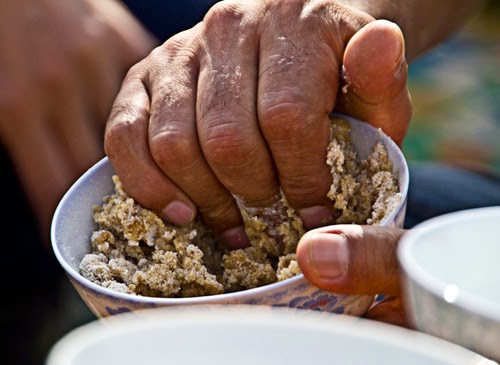
Tsampa is a finely ground flour made from roasted barley. Because the barley is roasted before grinding, Tsampa requires no cooking—making it extremely convenient, especially in harsh mountain climates where firewood is limited.
Traditional Tsampa is mixed by hand with:
Hot butter tea (Po Cha)
Water
Ghee
Curd
Sugar (occasionally)
Once blended, it forms a soft dough-like ball that is eaten directly.
Cultural Significance of Tsampa
Tsampa is more than a staple food—it is deeply woven into Himalayan culture and Tibetan Buddhism.
🌼 Religious & Spiritual Importance
Tsampa is thrown into the air during Losar (Tibetan New Year) as a symbol of good fortune.
It is used in rituals and ceremonies at monasteries.
Monks and nuns often eat Tsampa during meditation retreats because it provides long-lasting energy.
Dhindo, Thukpa, and Fermented Staples
Fermented foods play an important role in the Himalayan diet.
Dhindo is a thick porridge-like dish traditionally made by gradually mixing hot water with flours such as:
Buckwheat (Fapar)
Millet (Kodo)
Maize (Makai)
Wheat or mixed grain flour
The mixture is constantly stirred until it becomes smooth, thick, stretchy, and aromatic. It is usually served hot and eaten with the hands—often dipped into hearty side dishes.
Tsampa thukpa is a barley- or buckwheat-based porridge rich in warmth and nutrition.
These foods keep the body energized and maintain heat in freezing temperatures.
Dairy Traditions: Butter, Curd, and Churpi
Many families in Tsum and Nubri follow a semi-nomadic lifestyle, herding yaks, cows, and nyak (a crossbreed of yak and cow). These animals provide a steady supply of milk, which is used to produce essential dairy products such as:
Butter
Curd
Churpi (hard cheese)
Churpi is especially popular. It is made by separating milk solids, shaping them into blocks, and drying them under the sun. Hard churpi can be stored for months and is often eaten as a snack or used in soups.
Butter Tea: The Lifeline of High-Altitude Communities
Butter tea—known as suja—is consumed several times a day in most households. Traditionally, the tea is prepared by boiling tea leaves, mixing them with yak butter and salt, and then blending the mixture in a special wooden churn. Today, many families use a hand mixer or electric blender.
A lighter version called jatang is made without butter or milk and is equally popular. These drinks keep the body warm, boost energy, and provide essential fats needed to survive the extreme cold.
Homemade Alcohol: Arak, Chyang, and Balu
Local alcohol is an important part of Himalayan culture, used not only for celebrations but also during rituals and festivals.
Arak is a distilled alcohol with around 40% strength, often used in festivals, weddings, and religious ceremonies.
Chyang, or balu, is a thick, mildly fermented drink consumed daily after hard work. It is refreshing and helps relieve thirst at high altitude.
These beverages are made from locally grown grains and follow traditional brewing techniques passed down through generations.
Tibetan-Influenced Foods
Due to centuries of cultural and trade exchanges with Tibet, many Himalayan foods are influenced by Tibetan cuisine. The most common are:
Momos — delicious dumplings filled with vegetables or meat
Tingmo — soft steamed bread made using yeast and baking powder
Thukpa — a hearty noodle soup made with vegetables, meat, or barley
These dishes are prepared in almost every household and are an important part of festivals and family gatherings.
Dal Bhat: The Beloved National Meal
Despite the unique Himalayan cuisine, the classic Nepali meal dal bhat remains a daily staple. It includes:
Local rice
Lentil soup (dal)
Potato curry
Seasonal vegetable curry
Mushroom curry
Dal bhat provides a balanced combination of carbohydrates, protein, and vegetables—perfect for the demanding lifestyle of mountain communities
Related Posts
Mountains and Peaks Along the Manaslu Circuit Trek
Published on Jan. 17, 2026, 10:12 a.m.
The Tsum and Nubri valleys in the Nepal Himalayas have a rich food culture shaped by altitude, cli…
Read more16-Day Manaslu Circuit Winter Trek: Snowy Trails, Larkya La Pass & Remote Villages
Published on Jan. 17, 2026, 7:09 a.m.
The Tsum and Nubri valleys in the Nepal Himalayas have a rich food culture shaped by altitude, cli…
Read moreBuilding Climate Resilience in the Manaslu Region: Reforestation, Women’s Leadership, and Sustainable Livelihoods
Published on Jan. 13, 2026, 10:23 a.m.
The Tsum and Nubri valleys in the Nepal Himalayas have a rich food culture shaped by altitude, cli…
Read moreManaslu Conservation Area: Everything You Need to Know Before Trekking
Published on Dec. 15, 2025, 12:09 p.m.
The Tsum and Nubri valleys in the Nepal Himalayas have a rich food culture shaped by altitude, cli…
Read moreExploring Nubri Valley Festivals: Culture, Rituals, and Himalayan Life
Published on Dec. 14, 2025, 4:29 a.m.
The Tsum and Nubri valleys in the Nepal Himalayas have a rich food culture shaped by altitude, cli…
Read more5-Day Annapurna Poon Hill Trek: Sunrise Views, Rhododendron Forests & Ghandruk Village Experience
Published on Dec. 11, 2025, 6:44 a.m.
The Tsum and Nubri valleys in the Nepal Himalayas have a rich food culture shaped by altitude, cli…
Read moreYarsagumba: The Himalayan Gold – Harvesting, Value, and Traditions Explained
Published on Dec. 10, 2025, 9:32 a.m.
The Tsum and Nubri valleys in the Nepal Himalayas have a rich food culture shaped by altitude, cli…
Read moreTraditional Himalayan Food Culture of Tsum and Nubri: A Deep Dive into Mountain Cuisine
Published on Nov. 23, 2025, 12:21 p.m.
The Tsum and Nubri valleys in the Nepal Himalayas have a rich food culture shaped by altitude, cli…
Read moreSama Mani Cultural Festival: Ancient Tibetan Opera, Dance & Ghee Offering Tradition in Samagaun
Published on Nov. 21, 2025, 8:28 a.m.
The Tsum and Nubri valleys in the Nepal Himalayas have a rich food culture shaped by altitude, cli…
Read moreManaslu Trek Permits Guide 2025: Costs, Rules, Required Documents & Entry Regul
Published on Nov. 20, 2025, 12:04 p.m.
The Tsum and Nubri valleys in the Nepal Himalayas have a rich food culture shaped by altitude, cli…
Read moreGyala Banjyang and Ruila Pass: Remote Nepal–Tibet Border Trails in the Manaslu Region
Published on Nov. 19, 2025, 3:40 a.m.
The Tsum and Nubri valleys in the Nepal Himalayas have a rich food culture shaped by altitude, cli…
Read morePungyen Gumba – The Best Acclimatization Hike From Samagaun (Manaslu Trek)
Published on Nov. 17, 2025, 4:34 a.m.
The Tsum and Nubri valleys in the Nepal Himalayas have a rich food culture shaped by altitude, cli…
Read moreUltimate Guide to Drinks in Tsum Valley: Culture, Tradition, and Trekker’s Experience
Published on Oct. 26, 2025, 9:48 a.m.
The Tsum and Nubri valleys in the Nepal Himalayas have a rich food culture shaped by altitude, cli…
Read moreThree Major Monasteries of Lo-Manthang: Spiritual and Cultural Marvels of Upper Mustang
Published on Oct. 26, 2025, 9:34 a.m.
The Tsum and Nubri valleys in the Nepal Himalayas have a rich food culture shaped by altitude, cli…
Read moreFestivals of Upper Mustang: A Celebration of Culture, Spirit, and Community
Published on Oct. 26, 2025, 9:15 a.m.
The Tsum and Nubri valleys in the Nepal Himalayas have a rich food culture shaped by altitude, cli…
Read moreWhy Trek in Nepal
Published on Oct. 26, 2025, 8:43 a.m.
The Tsum and Nubri valleys in the Nepal Himalayas have a rich food culture shaped by altitude, cli…
Read moreIndigenous Knowledge & Traditional Ecological Practices
Published on Aug. 21, 2025, 11:27 a.m.
The Tsum and Nubri valleys in the Nepal Himalayas have a rich food culture shaped by altitude, cli…
Read moreClimate Change in the Himalayas
Published on Aug. 21, 2025, 11:15 a.m.
The Tsum and Nubri valleys in the Nepal Himalayas have a rich food culture shaped by altitude, cli…
Read moreEco-Trekking in Nepal: Sustainable Adventures Through Protected Areas
Published on Aug. 21, 2025, 11:10 a.m.
The Tsum and Nubri valleys in the Nepal Himalayas have a rich food culture shaped by altitude, cli…
Read moreEthical Tourism and Porter Welfare
Published on Aug. 21, 2025, 10:59 a.m.
The Tsum and Nubri valleys in the Nepal Himalayas have a rich food culture shaped by altitude, cli…
Read moreGhorepani-Poon Hill: Lesser-Known Short Treks in Nepal
Published on Aug. 15, 2025, 10:40 a.m.
The Tsum and Nubri valleys in the Nepal Himalayas have a rich food culture shaped by altitude, cli…
Read moreTrekking to Ancient Monasteries in Mustang and Dolpo: A Journey into Nepal’s Hidden Cultural Heart
Published on Aug. 15, 2025, 10:35 a.m.
The Tsum and Nubri valleys in the Nepal Himalayas have a rich food culture shaped by altitude, cli…
Read moreCaves of Nepal: Exploring the Hidden Underground Wonders
Published on Aug. 15, 2025, 10:31 a.m.
The Tsum and Nubri valleys in the Nepal Himalayas have a rich food culture shaped by altitude, cli…
Read moreWaterfalls of Nepal: Hidden Cascades and Natural Wonders Off the Beaten Path
Published on Aug. 15, 2025, 10:27 a.m.
The Tsum and Nubri valleys in the Nepal Himalayas have a rich food culture shaped by altitude, cli…
Read moreHidden Treks of Nepal: Exploring Lesser-Known Trails
Published on Aug. 15, 2025, 10:22 a.m.
The Tsum and Nubri valleys in the Nepal Himalayas have a rich food culture shaped by altitude, cli…
Read moreTop 10 Hidden Hikes in Tsum Valley, Nepal
Published on June 5, 2025, 9:21 a.m.
The Tsum and Nubri valleys in the Nepal Himalayas have a rich food culture shaped by altitude, cli…
Read moreHow to Prevent and Handle Altitude Sickness – A Comprehensive Guide for Trekkers in the Himalaya
Published on June 4, 2025, 9:28 a.m.
The Tsum and Nubri valleys in the Nepal Himalayas have a rich food culture shaped by altitude, cli…
Read moreTrekking Solo vs. With a Guide: A Comprehensive Breakdown of Pros and Cons
Published on June 4, 2025, 9:25 a.m.
The Tsum and Nubri valleys in the Nepal Himalayas have a rich food culture shaped by altitude, cli…
Read moreAvoiding Common Hiking Mistakes: A Comprehensive Guide for Safer and More Rewarding High-Altitude Adventures
Published on May 25, 2025, 7:37 a.m.
The Tsum and Nubri valleys in the Nepal Himalayas have a rich food culture shaped by altitude, cli…
Read moreBeginner’s Guide to Trekking in Nepal – Everything You Need to Know Before Your First Adventure
Published on May 22, 2025, 9:36 a.m.
The Tsum and Nubri valleys in the Nepal Himalayas have a rich food culture shaped by altitude, cli…
Read moreHow to Train for a MultiDay Trek: A Comprehensive Guide to Prepare Your Body and Mind
Published on May 22, 2025, 9:21 a.m.
The Tsum and Nubri valleys in the Nepal Himalayas have a rich food culture shaped by altitude, cli…
Read moreTsum Valley: History of Shyagya Tradition Unique Features of Tsum Valley History of the Shyagya Tradition The Seven Shyagya Rules Tsum Shyagya Tradition Conservation Committee The Centennial Shyagya Festival Current Root Guru Drukpa Rinpoche
Published on March 26, 2025, 10:47 a.m.
The Tsum and Nubri valleys in the Nepal Himalayas have a rich food culture shaped by altitude, cli…
Read more