Eastern Nepal · 16 Days
Arun Valley Trek - 16 Days
Duration
16 Days
Max Altitude
3,414m (11,201 ft)
at Salpa Pokhari
Grade
Moderate
Lodging
Teahouse / Lodge
Overview
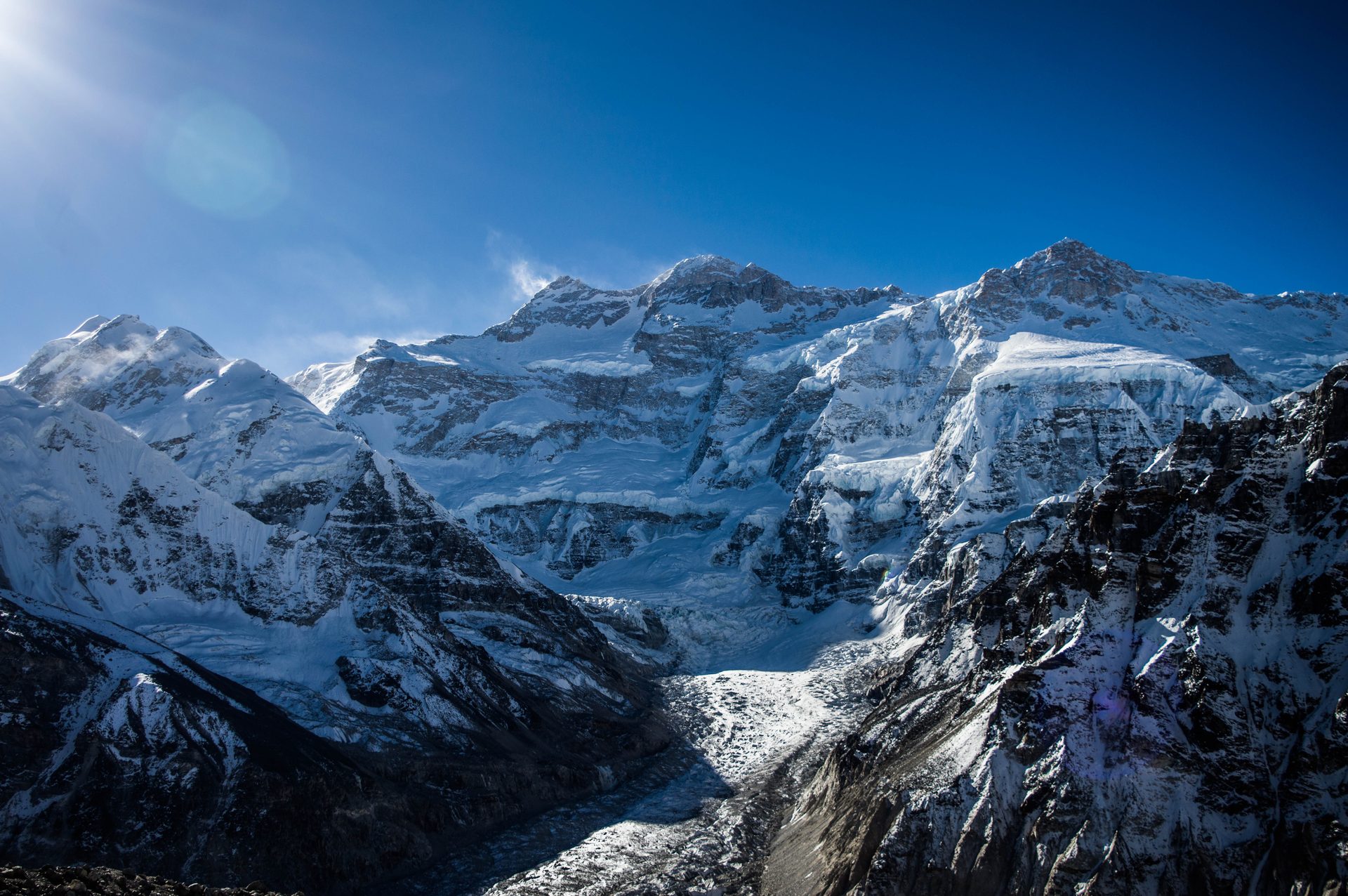
The Arun Valley is reputed to be one of the deepest river valleys on earth, cutting between Makalu (8,485m) to the east and the Khumbu (Everest) range to the west. The classic Arun Valley trek walks from Tumlingtar in the eastern lowlands up the valley to Salpa Pokhari, then over the Surke La ridge into the Solu-Khumbu and on to Lukla - a 16-day cultural traverse that crosses from the Rai and Limbu hill villages into Sherpa territory.
This is a moderate trek by altitude - the high point is just over 3,400m - but the cumulative climb is significant and the trail length is real. Unlike most eastern Nepal routes, the Arun Valley sees almost no foreign trekkers (a few hundred per year) despite ending at Lukla. It is the cultural-and-forest counterpart to the more altitude-focused Makalu and Kanchenjunga trails - rhododendron, terraced rice, suspension-bridge gorges, and village life rather than glacial moraine.
Highlights
- Walk the floor of the Arun Valley - one of the deepest river canyons in the world
- Visit the sacred Salpa Pokhari lake (3,414m) - pilgrimage site for both Hindus and Buddhists
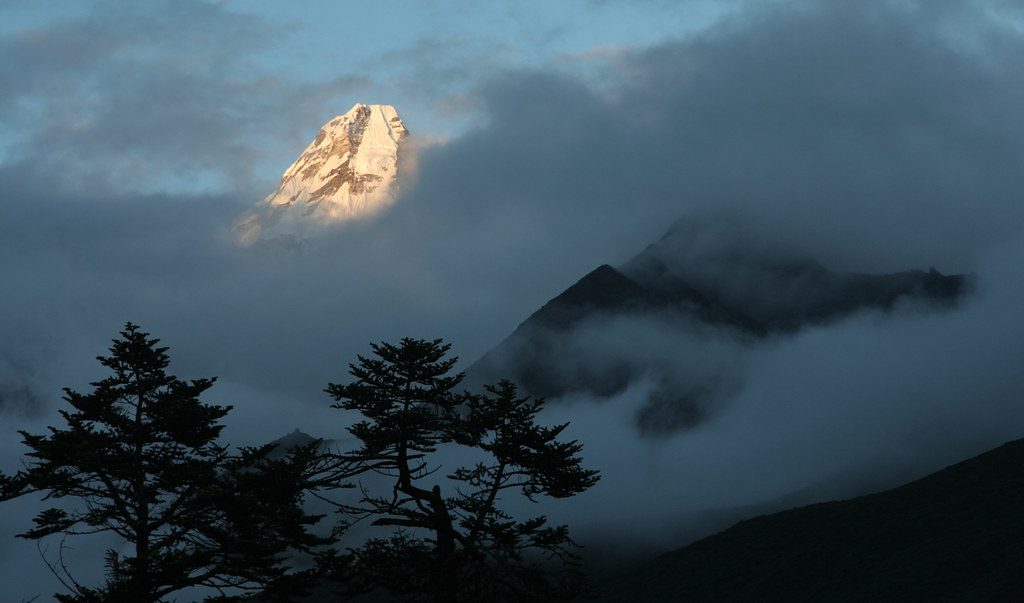
- Cross Surke La pass (3,085m) with panoramic Everest, Makalu and Ama Dablam views
- Mixed-ethnic villages: Rai, Limbu, Sherpa, Magar
- Suspension-bridge canyon crossings of the Arun and its tributaries
- Cardamom plots, terraced rice and millet farming
- Forest belts of oak, rhododendron and bamboo
- Join the classic Khumbu trail at Paiya for a Lukla finish
- Quiet alternative to the standard EBC approach
- Both Kathmandu-Tumlingtar and Lukla-Kathmandu flights included
Itinerary
Day 1
Arrive in Kathmandu (1,400m)
🍽 Welcome dinner
Day 1
Arrive in Kathmandu (1,400m)
🍽 Welcome dinner
Day 2
Kathmandu sightseeing
🍽 Breakfast
Day 2
Kathmandu sightseeing
🍽 Breakfast
Day 3
Fly Kathmandu to Tumlingtar, trek to Chyawabesi (280m)
⏱ 35-min flight + short trek
🍽 Breakfast, Lunch, Dinner
Day 3
Fly Kathmandu to Tumlingtar, trek to Chyawabesi (280m)
⏱ 35-min flight + short trek 🍽 Breakfast, Lunch, Dinner
Day 4
Chyawabesi to Gothe Bazaar (750m)
⏱ 5 hours
🍽 Breakfast, Lunch, Dinner
Day 4
Chyawabesi to Gothe Bazaar (750m)
⏱ 5 hours 🍽 Breakfast, Lunch, Dinner
Day 5
Gothe Bazaar to Dhobane (920m)
⏱ 5 hours
🍽 Breakfast, Lunch, Dinner
Day 5
Gothe Bazaar to Dhobane (920m)
⏱ 5 hours 🍽 Breakfast, Lunch, Dinner
Day 6
Dhobane to Phedi (1,680m)
⏱ 5-6 hours
🍽 Breakfast, Lunch, Dinner
Day 6
Dhobane to Phedi (1,680m)
⏱ 5-6 hours 🍽 Breakfast, Lunch, Dinner
Day 7
Phedi to Gurase (2,880m)
⏱ 6-7 hours
🍽 Breakfast, Lunch, Dinner
Day 7
Phedi to Gurase (2,880m)
⏱ 6-7 hours 🍽 Breakfast, Lunch, Dinner
Day 8
Gurase to Sanam (2,850m) via Salpa Pokhari (3,414m)
⏱ 6-7 hours
▲ 3,414m
🍽 Breakfast, Lunch, Dinner
Day 8
Gurase to Sanam (2,850m) via Salpa Pokhari (3,414m)
⏱ 6-7 hours ▲ 3,414m 🍽 Breakfast, Lunch, Dinner
Day 9
Sanam to Bung (1,900m)
⏱ 5-6 hours
🍽 Breakfast, Lunch, Dinner
Day 9
Sanam to Bung (1,900m)
⏱ 5-6 hours 🍽 Breakfast, Lunch, Dinner
Day 10
Bung to Surke La (3,085m)
⏱ 6-7 hours
🍽 Breakfast, Lunch, Dinner
Day 10
Bung to Surke La (3,085m)
⏱ 6-7 hours 🍽 Breakfast, Lunch, Dinner
Day 11
Surke La to Gaikharka (2,300m)
⏱ 5 hours
🍽 Breakfast, Lunch, Dinner
Day 11
Surke La to Gaikharka (2,300m)
⏱ 5 hours 🍽 Breakfast, Lunch, Dinner
Day 12
Gaikharka to Pangum (3,173m)
⏱ 6 hours
🍽 Breakfast, Lunch, Dinner
Day 12
Gaikharka to Pangum (3,173m)
⏱ 6 hours 🍽 Breakfast, Lunch, Dinner
Day 13
Pangum to Puiyan (2,680m)
⏱ 5-6 hours
🍽 Breakfast, Lunch, Dinner
Day 13
Pangum to Puiyan (2,680m)
⏱ 5-6 hours 🍽 Breakfast, Lunch, Dinner
Day 14
Puiyan to Lukla (2,800m)
⏱ 4-5 hours
🍽 Breakfast, Lunch, Dinner
Day 14
Puiyan to Lukla (2,800m)
⏱ 4-5 hours 🍽 Breakfast, Lunch, Dinner
Day 15
Fly Lukla to Kathmandu
⏱ 35-min flight
🍽 Breakfast
Day 15
Fly Lukla to Kathmandu
⏱ 35-min flight 🍽 Breakfast
Day 16
Final departure
🍽 Breakfast
Day 16
Final departure
🍽 Breakfast
Ready to walk this?
Enquire now →What's included
Included
- Kathmandu-Tumlingtar flight in
- Lukla-Kathmandu flight out
- Private jeep transfers from Tumlingtar
- 3 nights' Kathmandu accommodation (3-star, BB plan)
- Half-day Kathmandu sightseeing with guide
- Twin-share teahouse rooms throughout the trek
- All meals during the trek
- Government-licensed English-speaking guide
- 1 porter for every 2 trekkers (20 kg load limit)
- Makalu Barun National Park entry permit
- Pasang Lhamu Rural Municipality fee
- Sagarmatha National Park entry permit (for the Khumbu section)
- Group first-aid kit and oximeter
- HHT company duffel bag
- All applicable government taxes
Not included
- Nepal entry visa
- International airfare
- Travel insurance covering trekking to 3,500m with helicopter rescue (mandatory)
- Lunches and dinners in Kathmandu (beyond the BB plan)
- Hot showers, Wi-Fi and charging in teahouses
- Bottled water and alcoholic drinks
- Personal trekking equipment
- Tips for crew and drivers
- Costs from weather or flight delays
Trek guide
The Arun Valley
The Arun river originates in Tibet (where it is called the Phung Chu) and cuts south through the Himalaya in one of the deepest valleys anywhere on earth - the vertical distance from the Arun's bed at 400m to Makalu's summit at 8,485m is roughly 8 km in a horizontal distance of 22 km. The valley forms the eastern boundary of the Everest region and the western boundary of Makalu Barun National Park.
Salpa Pokhari
A glacial lake at 3,414m near the high point of the trek, Salpa Pokhari is one of the few sacred sites in Nepal visited by both Hindu and Buddhist pilgrims. The annual pilgrimage falls in mid-November and brings several hundred Rai and Sherpa devotees from the surrounding districts.
Ethnic Mosaic
The Arun valley is one of the most culturally diverse trekking regions in Nepal. Within two weeks of walking you pass through:
- Rai villages of the lower valley (Hindu-animist agriculturalists)
- Limbu settlements (related to the Rai, distinct language)
- Magar mid-hill villages
- Sherpa villages near Surke La and beyond (Tibetan-Buddhist tradition)
Climate Zones
- Days 3-5: Sub-tropical. Rice terraces, banana, cardamom.
- Days 6-8: Temperate. Oak, rhododendron, bamboo.
- Days 9-11: Sub-alpine. Pine, juniper, the Salpa Pokhari ridge.
- Days 12-14: Re-enter temperate forest and the Khumbu approach.
Acclimatisation
Not a major concern - the high point is 3,414m and the climb profile is gradual. The trek is a good first multi-week Himalayan walk for those who want eastern Nepal cultural depth without the altitude commitment of Makalu or Kanchenjunga.
Permits
Makalu Barun National Park and Sagarmatha National Park permits are required for the respective sections of the trail. Pasang Lhamu Rural Municipality fee on the Khumbu side. We process all three in Kathmandu.
Best Season
- Spring (March-May): Rhododendrons spectacular in April, valley warm
- Autumn (September-December): Drier, cooler, clearer mountain views
The Arun trek has a longer operating window than most Nepal treks - the lower altitudes mean it can run into December and start as early as March.
Fitness
Moderate. 5-6 hour days, some long climbs (Gurase, Surke La), but lodges are reliable and the altitude is manageable. Suitable for first-time multi-week trekkers with good general fitness. 3 months of cardio and leg training before departure.
Packing list
Clothing: Down jacket -5C, fleece mid-layer, waterproof shell, soft-shell trousers, 3 trekking shirts, 2 trousers, base layers, 5 pairs hiking socks, beanie, sun hat, buff, light gloves
Footwear: Waterproof high-ankle trekking boots, gaiters, camp shoes
Accessories: 30L daypack, 65L porter duffel, -5C sleeping bag, trekking poles, headlamp + spare batteries, polarised sunglasses, 2L water capacity, water purification, power bank, adapter
Documents: Passport with Nepal visa, insurance certificate, 4 passport photos
Medical: Painkillers, antihistamines, blister care, SPF 50+ sunscreen, lip balm, rehydration salts
Frequently asked questions
How does this compare to Everest Base Camp?
How fit do I need to be?
Is altitude sickness a concern?
How are the lodges?
Is a guide required?
What permits are needed?
Can the trek be customised?
Best season?
Is mobile signal available?
Are the Tumlingtar and Lukla flights reliable?
Still have questions? Talk to a guide →
Why book this with us
Senior local guides. Small groups. Honest pricing.
- Departures led by a guide who grew up in the region.
- Max 8 trekkers per group — no convoys.
- 100% Nepali-owned. Profit stays in the valleys.
- Free cancellation up to 30 days before departure.
- Permits, internal flights and TIMS handled by us.
- 24/7 in-country support during your trek.