Humla · 22 Days
Limi Valley Trek - 22 Days
Duration
22 Days
Max Altitude
4,988m (16,365 ft)
at Nyalu Lagna La
Grade
Strenuous
Lodging
Tented camping + 3-star hotels in cities
Overview
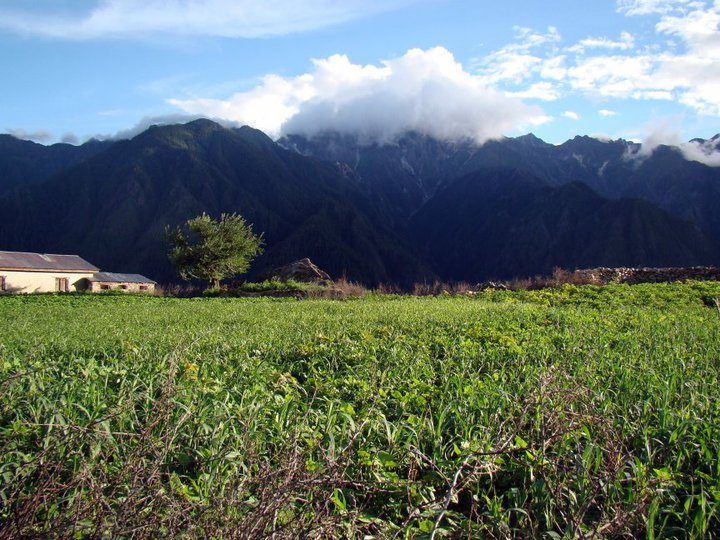
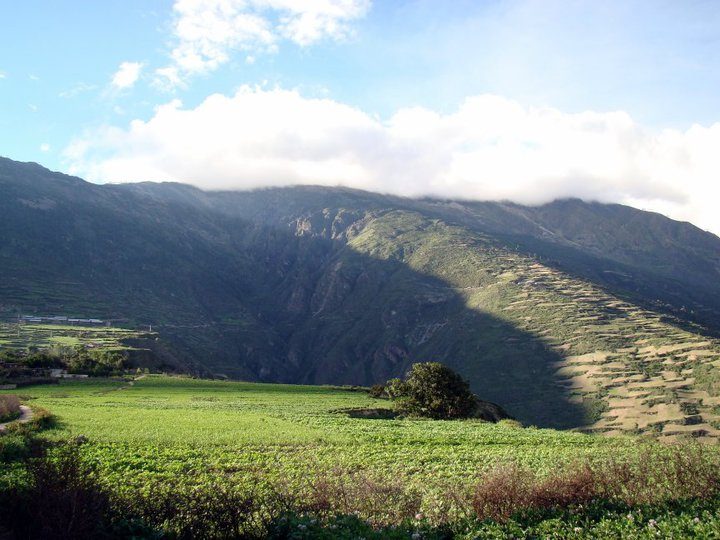
The Limi Valley Trek is Nepal's deepest north-western expedition - a 22-day camping circuit through Humla district, the most remote and least-developed corner of the country. The trek starts at Simikot (only reachable by light aircraft), follows the historic Karnali corridor to within 30 km of Mount Kailash in Tibet, then loops back via the Limi Valley - a Tibetan-speaking enclave of three villages (Halji, Til, Jang) that are among the highest year-round settlements in Asia.
You will not see another commercial trekking group most days. This is true wilderness expedition territory - we travel with a full kitchen, mule team and Tibetan-speaking sirdar. The fitness demands are real (22 days of camping at altitude, two high passes). What you get in return is access to a region most Nepalis have never seen, views of Mount Kailash and Saipal, and intact Tibetan Buddhism that has barely changed in 500 years.
Highlights
- Walk to within sight of Mount Kailash (6,638m) - the sacred peak of four religions
- Cross Nyalu Lagna La (4,988m) and Nara La (4,590m) high passes
- Visit the three Limi Valley villages: Halji, Til, Jang - among the highest year-round settlements in Asia
- See the famous Lhundrup Choeling Gompa and Laikyo Gompa monasteries
- Walk the historic salt-trade corridor between Nepal and western Tibet
- View Mount Saipal (7,031m), Api (7,132m) and Limi Karpo
- Stand at Hilsa - the Nepal-Tibet border crossing
- Spot blue sheep, Himalayan tahr, golden eagle (potential snow leopard)
- Tibetan-speaking sirdar bridges the cultural gap
- Fully supported camping expedition with kitchen and mule support
Itinerary
Day 1
Arrival in Kathmandu (1,400m)
🍽 Welcome dinner
Day 1
Arrival in Kathmandu (1,400m)
🍽 Welcome dinner
Day 2
Kathmandu sightseeing day
🍽 Breakfast
Day 2
Kathmandu sightseeing day
🍽 Breakfast
Day 3
Fly Kathmandu to Nepalgunj
⏱ 1-hour flight
🍽 Breakfast, Dinner
Day 3
Fly Kathmandu to Nepalgunj
⏱ 1-hour flight 🍽 Breakfast, Dinner
Day 4
Fly Nepalgunj to Simikot (2,985m) - acclimatisation day
⏱ 50-min flight
🍽 Breakfast, Lunch, Dinner
Day 4
Fly Nepalgunj to Simikot (2,985m) - acclimatisation day
⏱ 50-min flight 🍽 Breakfast, Lunch, Dinner
Day 5
Simikot to Dharapani (2,300m)
⏱ 5-6 hours
↔ 16 km
🍽 Breakfast, Lunch, Dinner
Day 5
Simikot to Dharapani (2,300m)
⏱ 5-6 hours ↔ 16 km 🍽 Breakfast, Lunch, Dinner
Day 6
Dharapani to Kermi (2,670m)
⏱ 3 hours
↔ 7 km
🍽 Breakfast, Lunch, Dinner
Day 6
Dharapani to Kermi (2,670m)
⏱ 3 hours ↔ 7 km 🍽 Breakfast, Lunch, Dinner
Day 7
Kermi to Chumsa Khola Valley (3,600m)
⏱ 5-6 hours
↔ 15 km
🍽 Breakfast, Lunch, Dinner
Day 7
Kermi to Chumsa Khola Valley (3,600m)
⏱ 5-6 hours ↔ 15 km 🍽 Breakfast, Lunch, Dinner
Day 8
Chumsa Khola to Dharmasala
⏱ 4-5 hours
↔ 11 km
🍽 Breakfast, Lunch, Dinner
Day 8
Chumsa Khola to Dharmasala
⏱ 4-5 hours ↔ 11 km 🍽 Breakfast, Lunch, Dinner
Day 9
Dharmasala to Talung Camp (4,380m) via Nyalu Lagna La (4,988m)
⏱ 7-8 hours
↔ 14 km
▲ 4,988m
🍽 Breakfast, packed Lunch, Dinner
Day 9
Dharmasala to Talung Camp (4,380m) via Nyalu Lagna La (4,988m)
⏱ 7-8 hours ↔ 14 km ▲ 4,988m 🍽 Breakfast, packed Lunch, Dinner
Day 10
Talung Camp to Jang (4,070m)
⏱ 6-7 hours
↔ 13 km
🍽 Breakfast, Lunch, Dinner
Day 10
Talung Camp to Jang (4,070m)
⏱ 6-7 hours ↔ 13 km 🍽 Breakfast, Lunch, Dinner
Day 11
Rest day at Jang
🍽 Breakfast, Lunch, Dinner
Day 11
Rest day at Jang
🍽 Breakfast, Lunch, Dinner
Day 12
Jang to Halji (3,700m)
⏱ 4-5 hours
↔ 10 km
🍽 Breakfast, Lunch, Dinner
Day 12
Jang to Halji (3,700m)
⏱ 4-5 hours ↔ 10 km 🍽 Breakfast, Lunch, Dinner
Day 13
Halji to Til (3,700m)
⏱ 5-6 hours
↔ 12 km
🍽 Breakfast, Lunch, Dinner
Day 13
Halji to Til (3,700m)
⏱ 5-6 hours ↔ 12 km 🍽 Breakfast, Lunch, Dinner
Day 14
Til to Manepeme (3,979m)
⏱ 8-9 hours
↔ 18 km
🍽 Breakfast, Lunch, Dinner
Day 14
Til to Manepeme (3,979m)
⏱ 8-9 hours ↔ 18 km 🍽 Breakfast, Lunch, Dinner
Day 15
Manepeme to Hilsa (3,740m)
⏱ 4-5 hours
↔ 12 km
🍽 Breakfast, Lunch, Dinner
Day 15
Manepeme to Hilsa (3,740m)
⏱ 4-5 hours ↔ 12 km 🍽 Breakfast, Lunch, Dinner
Day 16
Hilsa to Palbang (3,389m) via Nara La (4,590m)
⏱ 7-8 hours
↔ 14 km
▲ 4,590m
🍽 Breakfast, packed Lunch, Dinner
Day 16
Hilsa to Palbang (3,389m) via Nara La (4,590m)
⏱ 7-8 hours ↔ 14 km ▲ 4,590m 🍽 Breakfast, packed Lunch, Dinner
Day 17
Palbang to Muchu (2,929m)
⏱ 4-5 hours
↔ 11 km
🍽 Breakfast, Lunch, Dinner
Day 17
Palbang to Muchu (2,929m)
⏱ 4-5 hours ↔ 11 km 🍽 Breakfast, Lunch, Dinner
Day 18
Muchu to Chumsa Khola
⏱ 5-6 hours
↔ 13 km
🍽 Breakfast, Lunch, Dinner
Day 18
Muchu to Chumsa Khola
⏱ 5-6 hours ↔ 13 km 🍽 Breakfast, Lunch, Dinner
Day 19
Chumsa Khola to Dharapani
⏱ 5-6 hours
↔ 13 km
🍽 Breakfast, Lunch, Dinner
Day 19
Chumsa Khola to Dharapani
⏱ 5-6 hours ↔ 13 km 🍽 Breakfast, Lunch, Dinner
Day 20
Dharapani to Simikot
⏱ 6-7 hours
↔ 16 km
🍽 Breakfast, Lunch, Dinner
Day 20
Dharapani to Simikot
⏱ 6-7 hours ↔ 16 km 🍽 Breakfast, Lunch, Dinner
Day 21
Fly Simikot-Nepalgunj-Kathmandu
⏱ 2 flights
🍽 Breakfast, Dinner
Day 21
Fly Simikot-Nepalgunj-Kathmandu
⏱ 2 flights 🍽 Breakfast, Dinner
Day 22
Departure
🍽 Breakfast
Day 22
Departure
🍽 Breakfast
Ready to walk this?
Enquire now →What's included
Included
- Round-trip Kathmandu-Nepalgunj flights and Nepalgunj-Simikot flights
- All airport pickups and drops
- 3 nights' Kathmandu accommodation (3-star, BB plan)
- 1 night Nepalgunj hotel
- Humla Restricted Area Permit (USD 50 first week + USD 7/day after)
- Senior English/Tibetan-speaking guide
- Full kitchen crew (cook + kitchen helpers)
- Mule team for baggage
- All camping equipment (tents, dining tent, toilet tent, kitchen tent)
- Three meals a day plus tea and snacks throughout
- Boiled drinking water daily
- Half-day Kathmandu sightseeing
- All government taxes
Not included
- Nepal visa fee
- International airfare
- Travel insurance covering trekking to 5,500m with helicopter rescue (compulsory)
- Meals in Kathmandu outside BB plan
- Personal trekking equipment
- Hot showers, charging, sat-phone calls
- Alcohol and bottled drinks
- Tips for the camping crew
- Any cost arising from flight delays, weather or political disruption
Trek guide
The Trek No One Knows
Humla district sees roughly 500 foreign trekkers per year - making it less visited than even Upper Dolpo. The combination of restricted-area permits, flight access only and the long camping commitment keeps numbers low. What you see is a corner of Nepal that culturally, linguistically and architecturally is Tibet.
The Limi Valley
The valley sits at 3,700-4,000m and contains three permanent villages: Halji (3,700m), Til (3,700m) and Jang (4,070m). All three are Tibetan-speaking, all three are above the treeline, all three have populations of 50-150 people. The Rinchenling Gompa at Halji is over 1,000 years old and is one of the oldest continuously functioning Buddhist monasteries in the Himalaya.
Mount Kailash Views
At Hilsa, on the Nepal-Tibet border, you can see Mount Kailash on a clear day. The mountain is sacred to Hindus (Lord Shiva's abode), Buddhists (Demchok's mandala), Jains (where Rishabha attained moksha) and Bon (the seat of all spiritual power).
The Two Passes
- Nyalu Lagna La (4,988m): The highest pass of the trek. Crossed on Day 9 between Dharmasala and Talung Camp.
- Nara La (4,590m): Crossed on Day 16 between Hilsa and Palbang.
Acclimatisation
Built-in rest day at Simikot (Day 4) and Jang (Day 11) plus the natural slow climb. Pulse-oximeter monitoring every morning above 4,000m.
Permits
- Humla Restricted Area Permit (USD 50 first week + USD 7/day after)
- Optional Tibet permit for cross-border excursion (not part of this trek)
Restricted-area permit requires a minimum of two trekkers and a licensed guide.
Best Season
- Late spring (May-June): Drier flights, warmer
- Autumn (September-October): Clearest visibility, drier passes
We do not run this trek in monsoon - flights to Simikot become unreliable. Winter is impossible - villages snowed in.
Fitness
Strenuous. 22 days at altitude, two 4,500m+ passes, basic camping conditions, very remote. Prior multi-day Himalayan trekking experience essential. 6 months of focussed training.
Packing list
Clothing: Heavy down jacket -15C, fleece mid-layer, soft-shell jacket, hard-shell waterproof, soft-shell trousers, 3 trekking shirts, 2 trousers, thermal base layers, 7 pairs socks, beanie, sun hat, balaclava, neck buff, insulated and liner gloves
Footwear: Stiff-soled waterproof trekking boots, gaiters, camp shoes
Accessories: 40L daypack, 80L duffel for mule, -18C sleeping bag, trekking poles, headlamp + spare batteries, polarised sunglasses cat 4, 2L water capacity, water purification, power bank (15,000+ mAh), hand sanitiser, baby wipes
Documents: Passport, Nepal visa, insurance, 4 passport photos, copies of permits
Medical: Diamox 250mg, broad-spectrum antibiotics (doctor advice), painkillers, antihistamines, ORS, blister care, SPF 50+ sunscreen, lip balm, personal medications
Frequently asked questions
Why is this trek so expensive?
How fit do I need to be?
Can I cross into Tibet at Hilsa?
How reliable are Simikot flights?
How cold does it get?
Can I shower?
What is the food like?
Wildlife sightings?
Why include a Tibetan-speaking guide?
Is there mobile signal?
Can I do this trek solo?
Still have questions? Talk to a guide →
Why book this with us
Senior local guides. Small groups. Honest pricing.
- Departures led by a guide who grew up in the region.
- Max 8 trekkers per group — no convoys.
- 100% Nepali-owned. Profit stays in the valleys.
- Free cancellation up to 30 days before departure.
- Permits, internal flights and TIMS handled by us.
- 24/7 in-country support during your trek.