Dhorpatan · 15 Days
Dhorpatan Hunting Reserve Trek - 15 Days
Duration
15 Days
Max Altitude
3,700m (12,139 ft)
at Phagune Phedi
Grade
Moderate to Strenuous
Lodging
Tented camp / Homestay
Overview
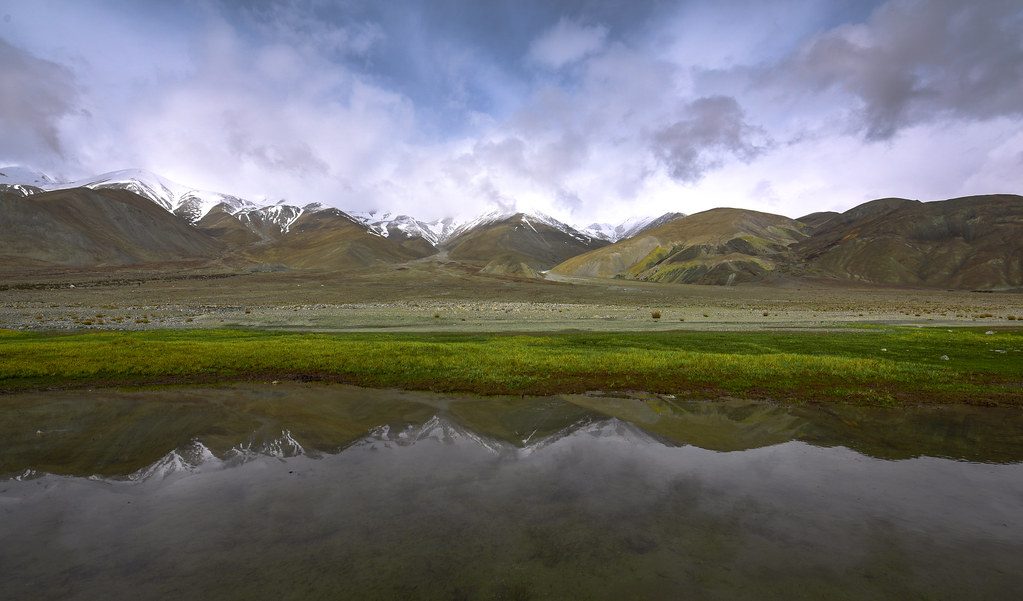
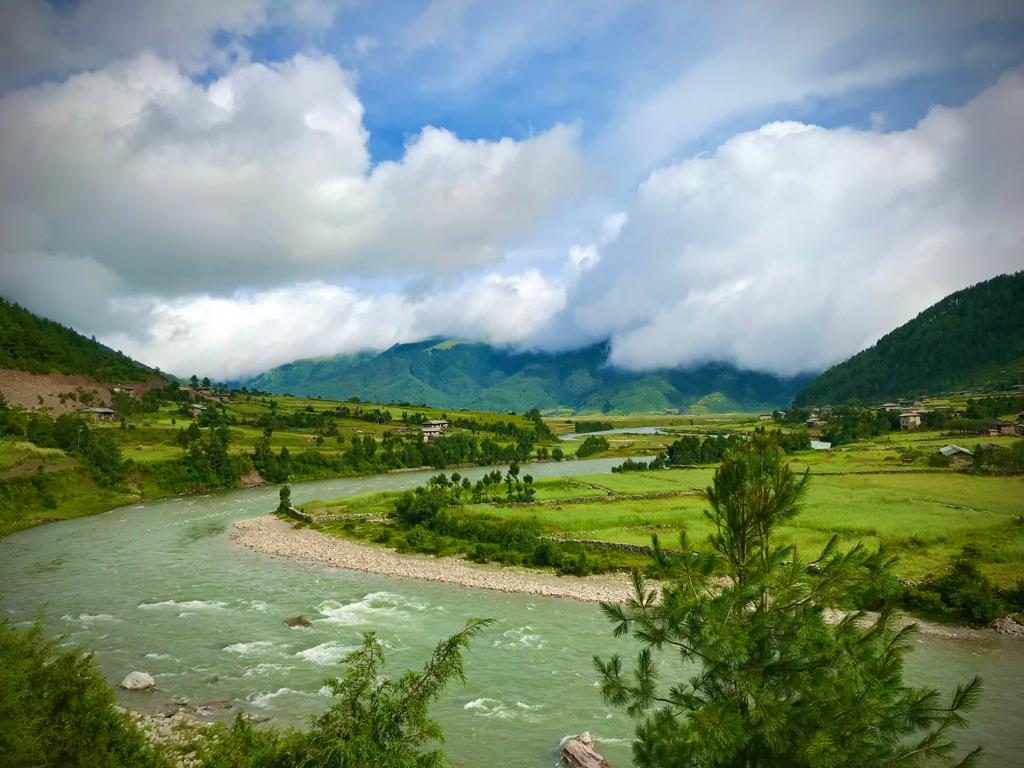
The Dhorpatan Hunting Reserve Trek is a 15-day camping expedition through Nepal's only protected hunting reserve - 1,325 sq km of sub-alpine forest, high pastures and rolling ridges on the southern flank of the Dhaulagiri massif, spread across the districts of Rukum, Baglung and Myagdi. The reserve was gazetted in 1987 to permit regulated trophy hunting of blue sheep and tahr; for non-hunters it is one of Nepal's quietest wilderness trekking zones.
Our itinerary walks from Dharapani in the east, crosses the Jaljala Pass (3,430m) into the Dhorpatan plateau, explores Phagune Phedi (3,700m), continues to Gurjaghat and Patichaur, and exits via Darbang to Beni. The trek is camping-only - there are no permanent lodges past Dhorpatan village - and includes wildlife viewing of blue sheep, Himalayan tahr, ghoral, danphe pheasant and (with patience) musk deer. Mountain views are dominated by the Dhaulagiri-Gurja Himal-Churen Himal-Putha Himal wall.
Highlights
- Walk Nepal's only official hunting reserve outside hunting season
- Cross the Jaljala Pass (3,430m) onto the open Dhorpatan plateau
- Daily encounters with blue sheep, Himalayan tahr and ghoral
- Visit the 1959 Tibetan refugee settlement at Dhorpatan
- Phagune Phedi viewpoint for the Dhaulagiri II to Churen Himal wall
- See six species of pheasant including the iridescent Himalayan monal
- Stay in tented camp under the stars - zero light pollution
- Visit traditional Magar villages of Lulang, Gurjaghat and Patichaur
- Soak in the natural hot springs at Beni on the descent
- No flights required - all road access from Kathmandu via Pokhara
Itinerary
Day 1
Arrival in Kathmandu (1,300m)
🍽 None included
Day 1
Arrival in Kathmandu (1,300m)
🍽 None included
Day 2
Kathmandu sightseeing and trek brief
🍽 Breakfast
Day 2
Kathmandu sightseeing and trek brief
🍽 Breakfast
Day 3
Drive Kathmandu to Pokhara (850m)
⏱ 6-7 hours
🍽 Breakfast
Day 3
Drive Kathmandu to Pokhara (850m)
⏱ 6-7 hours 🍽 Breakfast
Day 4
Drive Pokhara to Dharapani (1,560m)
⏱ 6-7 hours
🍽 Breakfast
Day 4
Drive Pokhara to Dharapani (1,560m)
⏱ 6-7 hours 🍽 Breakfast
Day 5
Trek Dharapani to Lumsung
⏱ 6-7 hours
🍽 Breakfast, Lunch, Dinner
Day 5
Trek Dharapani to Lumsung
⏱ 6-7 hours 🍽 Breakfast, Lunch, Dinner
Day 6
Trek Lumsung to Jaljala Pass camp (3,430m)
⏱ 6-7 hours
🍽 Breakfast, Lunch, Dinner
Day 6
Trek Lumsung to Jaljala Pass camp (3,430m)
⏱ 6-7 hours 🍽 Breakfast, Lunch, Dinner
Day 7
Trek to Dhorpatan (2,840m)
⏱ 5-6 hours
🍽 Breakfast, Lunch, Dinner
Day 7
Trek to Dhorpatan (2,840m)
⏱ 5-6 hours 🍽 Breakfast, Lunch, Dinner
Day 8
Rest day and Phagune Phedi ascent (3,700m)
⏱ 5-6 hours
🍽 Breakfast, Lunch, Dinner
Day 8
Rest day and Phagune Phedi ascent (3,700m)
⏱ 5-6 hours 🍽 Breakfast, Lunch, Dinner
Day 9
Explore Dhorpatan plateau
🍽 Breakfast, Lunch, Dinner
Day 9
Explore Dhorpatan plateau
🍽 Breakfast, Lunch, Dinner
Day 10
Trek Dhorpatan to Gurjaghat (3,000m)
⏱ 6-7 hours
🍽 Breakfast, Lunch, Dinner
Day 10
Trek Dhorpatan to Gurjaghat (3,000m)
⏱ 6-7 hours 🍽 Breakfast, Lunch, Dinner
Day 11
Trek Gurjaghat to Patichaur (2,250m)
⏱ 6-7 hours
🍽 Breakfast, Lunch, Dinner
Day 11
Trek Gurjaghat to Patichaur (2,250m)
⏱ 6-7 hours 🍽 Breakfast, Lunch, Dinner
Day 12
Trek Patichaur to Darbang, drive to Beni (830m)
🍽 Breakfast, Lunch, Dinner
Day 12
Trek Patichaur to Darbang, drive to Beni (830m)
🍽 Breakfast, Lunch, Dinner
Day 13
Drive Beni to Pokhara
⏱ 3 hours
🍽 Breakfast
Day 13
Drive Beni to Pokhara
⏱ 3 hours 🍽 Breakfast
Day 14
Drive Pokhara to Kathmandu
⏱ 6-7 hours
🍽 Breakfast
Day 14
Drive Pokhara to Kathmandu
⏱ 6-7 hours 🍽 Breakfast
Day 15
Departure
🍽 Breakfast
Day 15
Departure
🍽 Breakfast
Ready to walk this?
Enquire now →What's included
Included
- Tourist bus and private jeep transfers Kathmandu-Pokhara-Dharapani and return
- Airport pickups in Kathmandu
- 3 nights twin-share 3-star Kathmandu hotel
- 2 nights twin-share Pokhara hotel
- Full tented camp setup - sleeping tents, mess tent, kitchen tent, toilet tent
- All sleeping mats, dining furniture and camp kitchen equipment
- All three meals plus tea/coffee during the trek
- Trek leader, assistant guide, cook, kitchen team and porters
- Dhorpatan Hunting Reserve permit and TIMS card
- Half-day Kathmandu sightseeing
- All applicable taxes
- Company duffel bag and first-aid kit
Not included
- International airfare
- Nepal visa
- Travel and rescue insurance (compulsory)
- Lunches and dinners in cities
- Bottled drinks, alcohol
- Personal trekking gear
- Sleeping bag (rental available)
- Tips for the trek crew
Trek guide
What "Hunting Reserve" Means
Dhorpatan is the only protected area in Nepal that permits regulated trophy hunting under the National Parks and Wildlife Conservation Act. Permits are tightly controlled (4-6 blue sheep and 4-6 tahr per season) and run roughly October to December. For the other 9-10 months of the year the reserve operates like a national park - wildlife is unhunted and visible, foreign trekkers walk freely, and the staff focus on anti-poaching.
Wildlife You Will See
- Blue sheep (bharal) - common above 3,000m, often grazing in herds visible from the trail
- Himalayan tahr - on the steeper north-facing slopes
- Ghoral - in the lower oak forest
- Himalayan monal (danphe) - iridescent national bird, often seen in the forest at dawn
- Cheer pheasant and kalij pheasant - both endangered, both present
- Musk deer - rare and shy
Snow leopard and Himalayan wolf are present but very rarely seen.
The Tibetan Settlement
Roughly 100 families resettled at Dhorpatan in 1959 after the Chinese annexation of Tibet. The Snow Leopard Carpet Co-operative still runs from the original buildings. Visitors are welcome to walk through and purchase carpets directly.
Phagune Phedi
The viewpoint above Dhorpatan at 3,700m gives an unobstructed wall view of Dhaulagiri II (7,751m), Dhaulagiri III, Dhaulagiri IV, Churen Himal and Gurja Himal. Best at first light.
Permits
- Dhorpatan Hunting Reserve Entry Permit (US$30 per person for non-hunters)
- TIMS card
Best Season
- March-May: Rhododendrons in bloom, wildlife active
- September-November: Driest, clearest mountain views
- Avoid the hunting window (mid-October to December) if you specifically want to avoid hunters
- Monsoon (June-August) brings heavy rain and leeches
Fitness
Moderate-to-strenuous. 5-7 hours daily, multiple consecutive walking days on rough trails. Camping comfort with foam mattresses. Prior multi-day trekking experience helpful.
Packing list
Clothing: -15C down jacket, fleece, waterproof shell, 3 trekking shirts, 2 trousers, thermals, 5 pairs socks, beanie, sun hat, gloves
Footwear: Sturdy mid-cut waterproof boots, camp shoes
Accessories: 35L daypack, 60L duffel for porter, -15C sleeping bag (rental option), trekking poles, headlamp, polarised sunglasses, 2L water bottles, purification, binoculars (recommended for wildlife)
Documents: Passport with Nepal visa, insurance certificate, 4 passport photos
Medical: Diamox optional, painkillers, blister care, SPF 50+, lip balm
Frequently asked questions
Will I see hunters?
Is camping really necessary?
How cold do nights get?
How likely am I to see snow leopard?
Is the food good on a camping trek?
How basic are toilets?
Is there phone signal?
What about leeches?
Can the route be cut short?
How does this compare to the Dhaulagiri Circuit?
Still have questions? Talk to a guide →
Why book this with us
Senior local guides. Small groups. Honest pricing.
- Departures led by a guide who grew up in the region.
- Max 8 trekkers per group — no convoys.
- 100% Nepali-owned. Profit stays in the valleys.
- Free cancellation up to 30 days before departure.
- Permits, internal flights and TIMS handled by us.
- 24/7 in-country support during your trek.