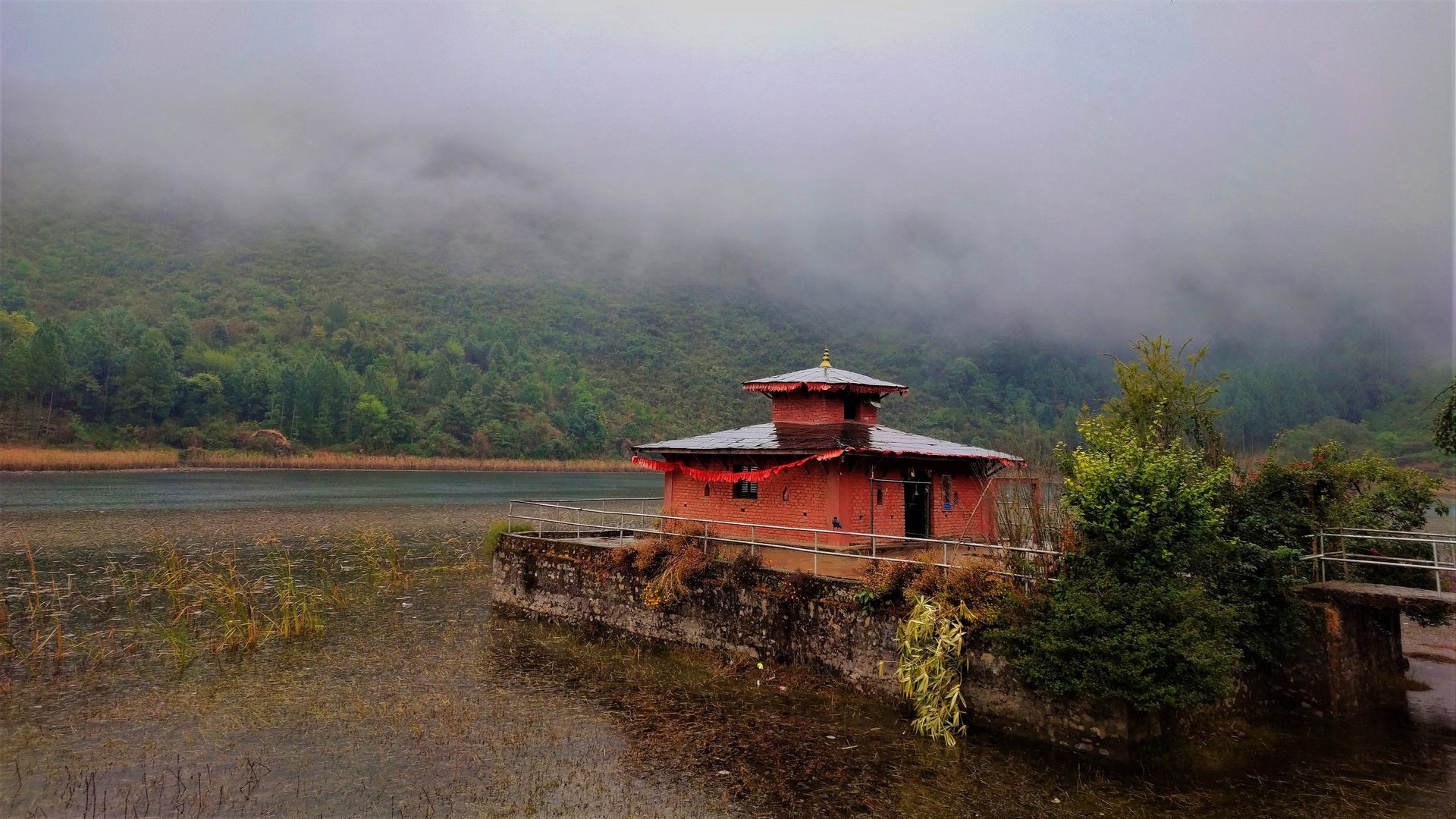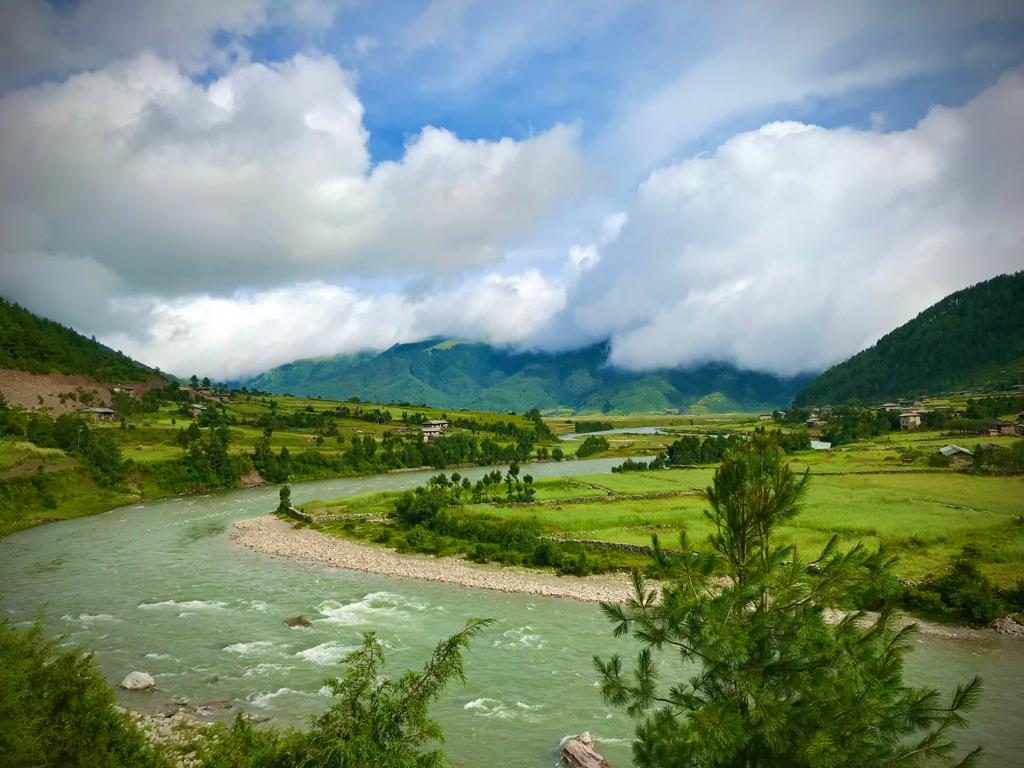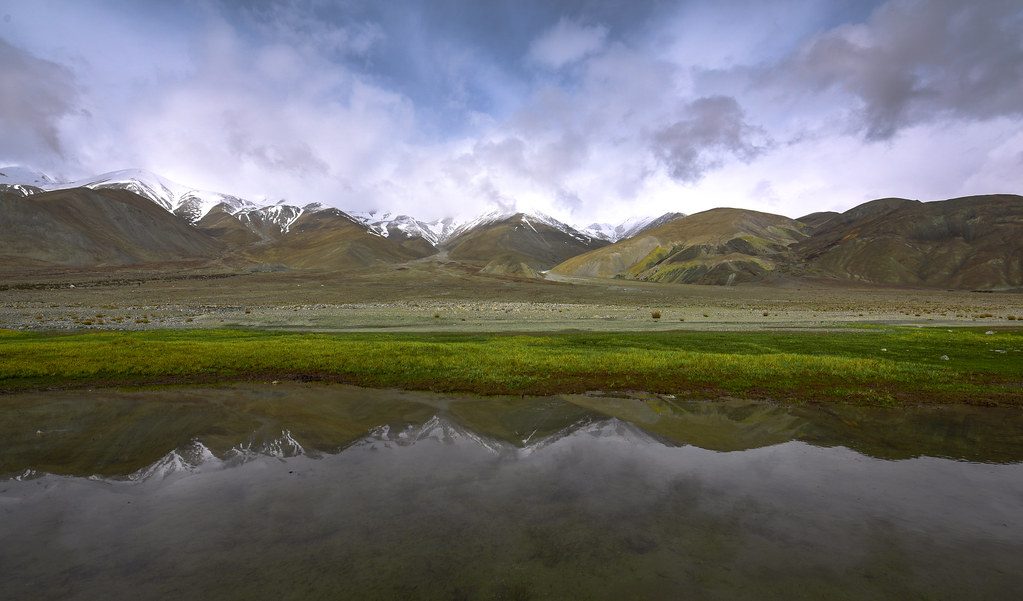
Dhorpatan · 14 Days
Gurja Khani & Dhorpatan Circuit Trek - 14 Days
Duration
14 Days
Max Altitude
3,850m (12,631 ft)
at Rugachaur Pass
Grade
Moderate to Strenuous
Lodging
Homestay / Teahouse / Tented camp
Overview
The Gurja Khani and Dhorpatan loop is a 14-day off-grid circuit through the southern face of the Dhaulagiri massif and into Nepal's only hunting reserve. The route links three high passes - Gurja La (3,250m), Rugachaur (3,850m) and Jaljala (3,400m) - and connects a string of Magar villages, Tibetan refugee settlements at Dhorpatan and the still-remote copper-mining hamlet of Gurja Khani. Walking days are 5-7 hours and the maximum sleeping altitude stays under 3,000m, which makes it a friendly altitude profile for a multi-pass trek.
This is the trek to choose if you want Dhaulagiri-Annapurna scale views without the cost or commitment of the Dhaulagiri Circuit or Round Annapurna. Trekker numbers are very low - you can easily walk a full day without seeing another foreigner - and the lodging is a mix of community homestays in the lower sections and basic camping where no village exists. Permits route through the Dhorpatan Hunting Reserve so a TIMS card plus the reserve permit is required.
Highlights
- Cross three Himalayan passes - Gurja La, Rugachaur and Jaljala - in a single circuit
- Walk through Nepal's only official hunting reserve at Dhorpatan
- Up-close views of Dhaulagiri (8,167m), Gurja Himal (7,193m), Putha Himal (7,246m) and Churen Himal (7,371m)
- Stay with Magar villagers in working community homestays
- Visit the Tibetan refugee settlement at Dhorpatan
- See blue sheep, Himalayan tahr, ghoral and rare pheasant species
- Avoid the Annapurna/Everest crowds completely - this trail sees few foreign trekkers
- Sub-alpine pine forests, rhododendron groves and high pastures
- Low maximum sleeping altitude (under 3,000m) reduces AMS risk
- No flights required - all jeep/bus access from Kathmandu via Pokhara
Itinerary
Day 1
Arrival in Kathmandu (1,300m)
🍽 None included
Day 1
Arrival in Kathmandu (1,300m)
🍽 None included
Day 2
Kathmandu sightseeing and preparation
🍽 Breakfast
Day 2
Kathmandu sightseeing and preparation
🍽 Breakfast
Day 3
Drive Kathmandu to Pokhara (850m)
⏱ 7-8 hours
↔ 205 km
🍽 Breakfast
Day 3
Drive Kathmandu to Pokhara (850m)
⏱ 7-8 hours ↔ 205 km 🍽 Breakfast
Day 4
Drive Pokhara to Dharapani (1,560m)
⏱ 6-7 hours
🍽 Breakfast
Day 4
Drive Pokhara to Dharapani (1,560m)
⏱ 6-7 hours 🍽 Breakfast
Day 5
Trek Dharapani to Lulang (2,450m)
⏱ 7 hours
🍽 Breakfast, Lunch, Dinner
Day 5
Trek Dharapani to Lulang (2,450m)
⏱ 7 hours 🍽 Breakfast, Lunch, Dinner
Day 6
Trek Lulang to Gurja Khani (2,650m) via Gurja Pass (3,250m)
⏱ 7-8 hours
🍽 Breakfast, Lunch, Dinner
Day 6
Trek Lulang to Gurja Khani (2,650m) via Gurja Pass (3,250m)
⏱ 7-8 hours 🍽 Breakfast, Lunch, Dinner
Day 7
Rest and acclimatisation at Gurja Khani
🍽 Breakfast, Lunch, Dinner
Day 7
Rest and acclimatisation at Gurja Khani
🍽 Breakfast, Lunch, Dinner
Day 8
Trek Gurja Khani to Gurjaghat (3,000m) via Rugachaur Pass (3,850m)
⏱ 7-8 hours
🍽 Breakfast, Lunch, Dinner
Day 8
Trek Gurja Khani to Gurjaghat (3,000m) via Rugachaur Pass (3,850m)
⏱ 7-8 hours 🍽 Breakfast, Lunch, Dinner
Day 9
Explore Dhorpatan
🍽 Breakfast, Lunch, Dinner
Day 9
Explore Dhorpatan
🍽 Breakfast, Lunch, Dinner
Day 10
Trek Gurjaghat to Lumsung via Jaljala Pass (3,400m)
⏱ 6 hours
🍽 Breakfast, Lunch, Dinner
Day 10
Trek Gurjaghat to Lumsung via Jaljala Pass (3,400m)
⏱ 6 hours 🍽 Breakfast, Lunch, Dinner
Day 11
Trek Lumsung to Darbang
⏱ 6-7 hours
🍽 Breakfast, Lunch, Dinner
Day 11
Trek Lumsung to Darbang
⏱ 6-7 hours 🍽 Breakfast, Lunch, Dinner
Day 12
Drive Darbang to Pokhara (850m)
⏱ 3-4 hours
🍽 Breakfast
Day 12
Drive Darbang to Pokhara (850m)
⏱ 3-4 hours 🍽 Breakfast
Day 13
Drive Pokhara to Kathmandu
⏱ 6-7 hours
🍽 Breakfast
Day 13
Drive Pokhara to Kathmandu
⏱ 6-7 hours 🍽 Breakfast
Day 14
Departure
🍽 Breakfast
Day 14
Departure
🍽 Breakfast
Ready to walk this?
Enquire now →What's included
Included
- Tourist bus or private jeep transfer Kathmandu-Pokhara-Dharapani and return
- Airport pickup and drop in Kathmandu
- 3 nights twin-share 3-star hotel in Kathmandu
- 2 nights twin-share hotel in Pokhara
- Homestay and teahouse lodging during the trek
- Tented camping in two unmanned stages
- Dhorpatan Hunting Reserve permit and TIMS card
- Licensed English-speaking trek leader
- 1 porter per 2 trekkers (insured, equipped)
- Half-day Kathmandu sightseeing with city guide
- All applicable government taxes and service charges
- HHT company duffel bag and first-aid kit
Not included
- International airfare to/from Kathmandu
- Nepal visa fee (US$50 for 30 days)
- Mandatory travel insurance with high-altitude rescue cover
- Lunches and dinners in Kathmandu and Pokhara
- Hot showers, charging, Wi-Fi at homestays
- Bottled and boiled water during the trek
- Personal trekking equipment
- Tips for the guide and porters
Trek guide
Dhorpatan Hunting Reserve
Established in 1987 across the Rukum, Baglung and Myagdi districts, Dhorpatan is the only protected area in Nepal that allows regulated trophy hunting (blue sheep and Himalayan tahr) under permit. Outside the hunting season the reserve functions like any national park, with blue sheep grazing visibly above the trail. The Tibetan refugee settlement at Dhorpatan itself dates from 1959 and produces hand-woven carpets and yak-wool textiles.
Gurja Khani Village
At 2,650m, Gurja Khani is the highest permanent settlement in this part of the Dhaulagiri massif. The village name translates to "copper mine" - the abandoned tunnels and slag heaps from a 19th-century mining operation are still visible on the southern slope. A community bathhouse with hydropower-heated water is the unexpected luxury of the trek.
The Three Passes
- Gurja La (3,250m) - the gentlest of the three, crossed on Day 5 to enter Gurja Khani
- Rugachaur Pass (3,850m) - the high point of the trek, crossed on Day 7 with the widest panorama
- Jaljala Pass (3,400m) - the descent gateway from Dhorpatan back to the Myagdi valley
Acclimatisation
Because the route never sleeps above 3,000m, AMS risk is low compared to most multi-pass treks. The rest day at Gurja Khani exists more for cultural immersion than for acclimatisation per se.
Permits
- Dhorpatan Hunting Reserve Entry Permit
- TIMS (Trekkers Information Management System) card
Both arranged in Kathmandu before departure.
Best Season
- Spring (March-May): Rhododendrons in full bloom in the lower forests, mild day temperatures
- Autumn (September-November): Clearest visibility on the high passes
- Avoid mid-June to August (monsoon) - leeches on the lower trail, cloud cover on the passes
Fitness
Moderate-to-strenuous. Daily walking 5-7 hours, two passes above 3,400m on the same day in one section. 2-3 months of cardio preparation including hill walking is recommended.
Packing list
Clothing: Down jacket -10C, fleece, waterproof shell, 3 trekking shirts, 2 quick-dry trousers, thermal base layers, 5 pairs socks, beanie, sun hat, neck buff, gloves
Footwear: Waterproof mid-cut boots already broken in, camp shoes
Accessories: 35L daypack, 60L duffel for porter, -10C sleeping bag, trekking poles, headlamp, polarised sunglasses, 2L water bottles, purification, power bank, universal adapter
Documents: Passport with Nepal visa, insurance certificate, 4 passport photos
Medical: Diamox optional, painkillers, blister care, SPF 50+ sunscreen, lip balm
Frequently asked questions
How crowded is this trek?
Can I hunt in the reserve?
How basic are the homestays?
Do I need mountaineering gear?
Will I get AMS?
Why are there two passes on Day 8 but the title only lists Rugachaur?
What wildlife will I actually see?
Are mobile phones working?
What if it rains on the pass?
How fit do I need to be?
Still have questions? Talk to a guide →
Why book this with us
Senior local guides. Small groups. Honest pricing.
- Departures led by a guide who grew up in the region.
- Max 8 trekkers per group — no convoys.
- 100% Nepali-owned. Profit stays in the valleys.
- Free cancellation up to 30 days before departure.
- Permits, internal flights and TIMS handled by us.
- 24/7 in-country support during your trek.