Tsum Valley · 21 Days
Hidden Highland of Upper Tsum Valley Camping Trek - 21 Days
Duration
21 Days
Max Altitude
5,104m (16,745 ft)
at Thapla Rokpa Pass
Grade
Strenuous
Lodging
Camping (full support) + Teahouse
Overview
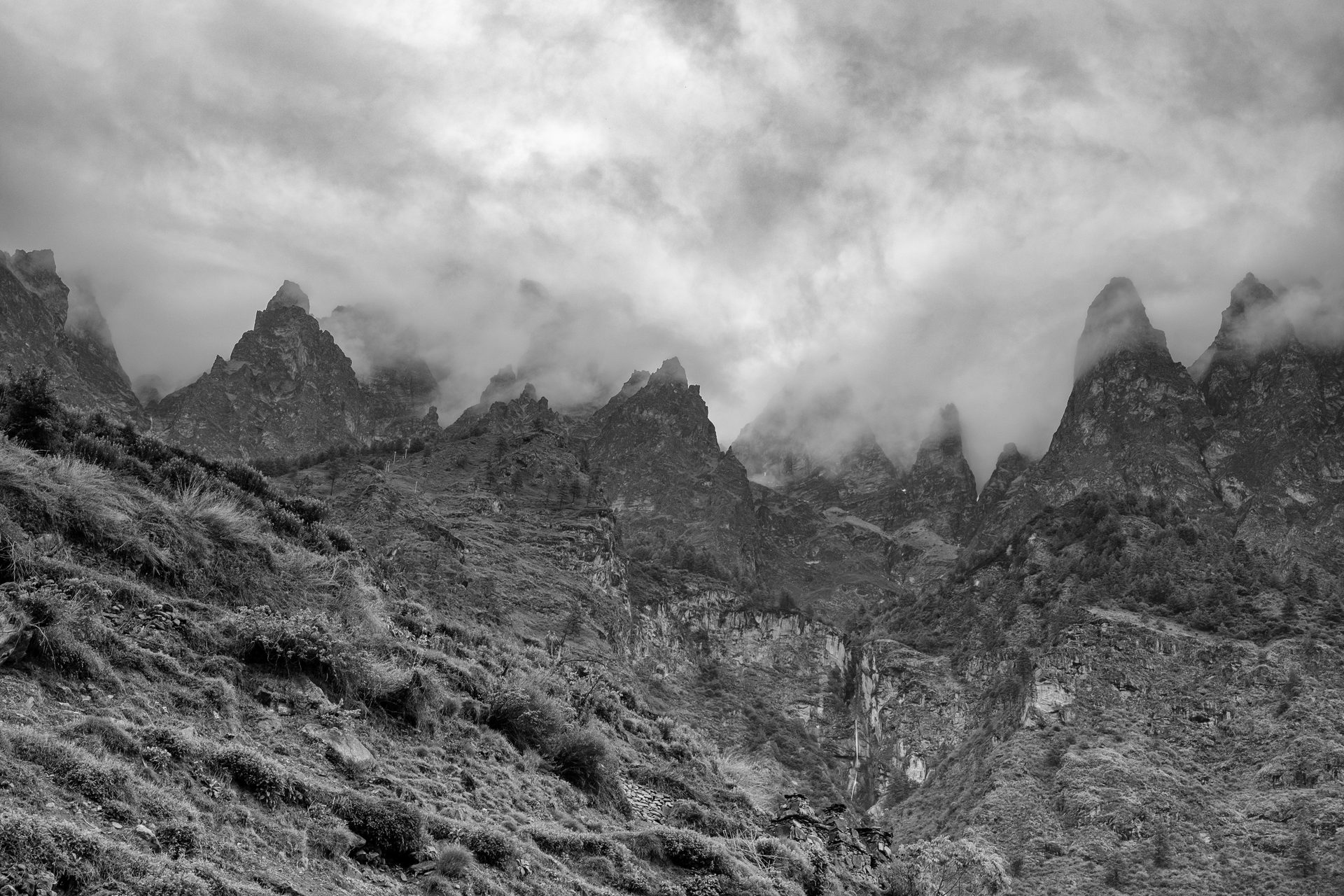
The Hidden Highland of Upper Tsum Valley Camping Trek is the most ambitious Tsum Valley expedition Himalayan Hidden Trails offers - a 21-day fully supported camping adventure into a high-altitude landscape that almost no foreign trekker has ever seen. This is true frontier Himalayan trekking in Nepal: glacial lakes, ridge-line passes above 5,000m, isolated yak pastures, and views straight into the Tibetan plateau.
Designed for experienced trekkers seeking solitude and challenge, the route crosses Thapla Rokpa Pass (5,104m), the Nyunla Donjyang Pass (5,093m), and visits the sacred Cho Lungcho Lake (4,600m). A full crew of guides, kitchen staff, porters and donkeys supports the team while you focus on the mountains.
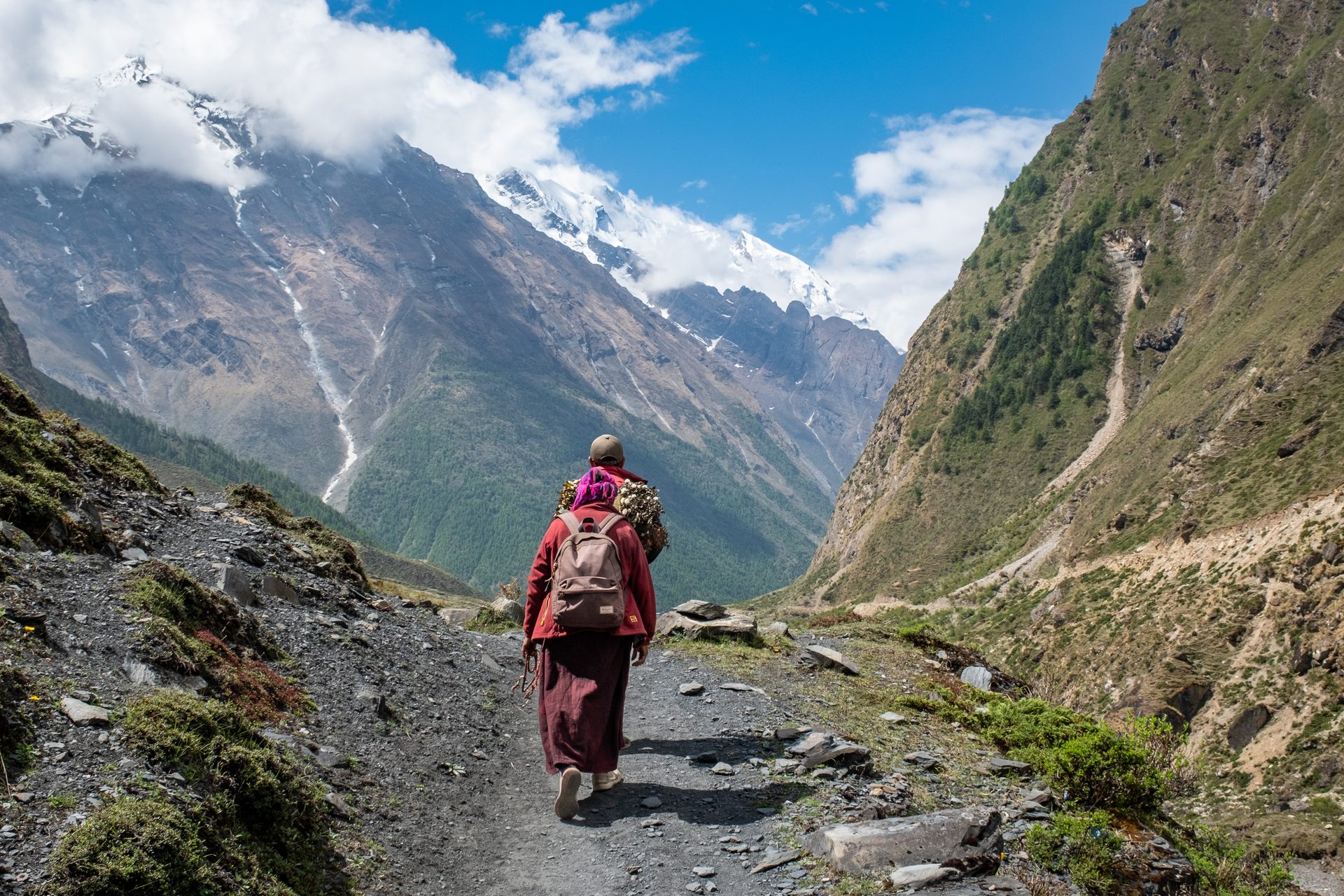
This is the trek for adventurers who want to walk where almost no one walks - guided by Tsumpa locals who know every ridge.
Highlights
- Cross two 5,000m+ Himalayan passes - Thapla Rokpa Pass and Nyunla Donjyang Pass
- Visit sacred Cho Lungcho Lake (4,600m) - one of Upper Tsum's holiest alpine lakes
- Sleep in fully supported camps run by professional Nepali trekking chefs
- Hike to Elung Chuli Base (3,700m) for sweeping Ganesh Himal views
- Cross remote yak pastures and visit Tibetan Border viewpoints
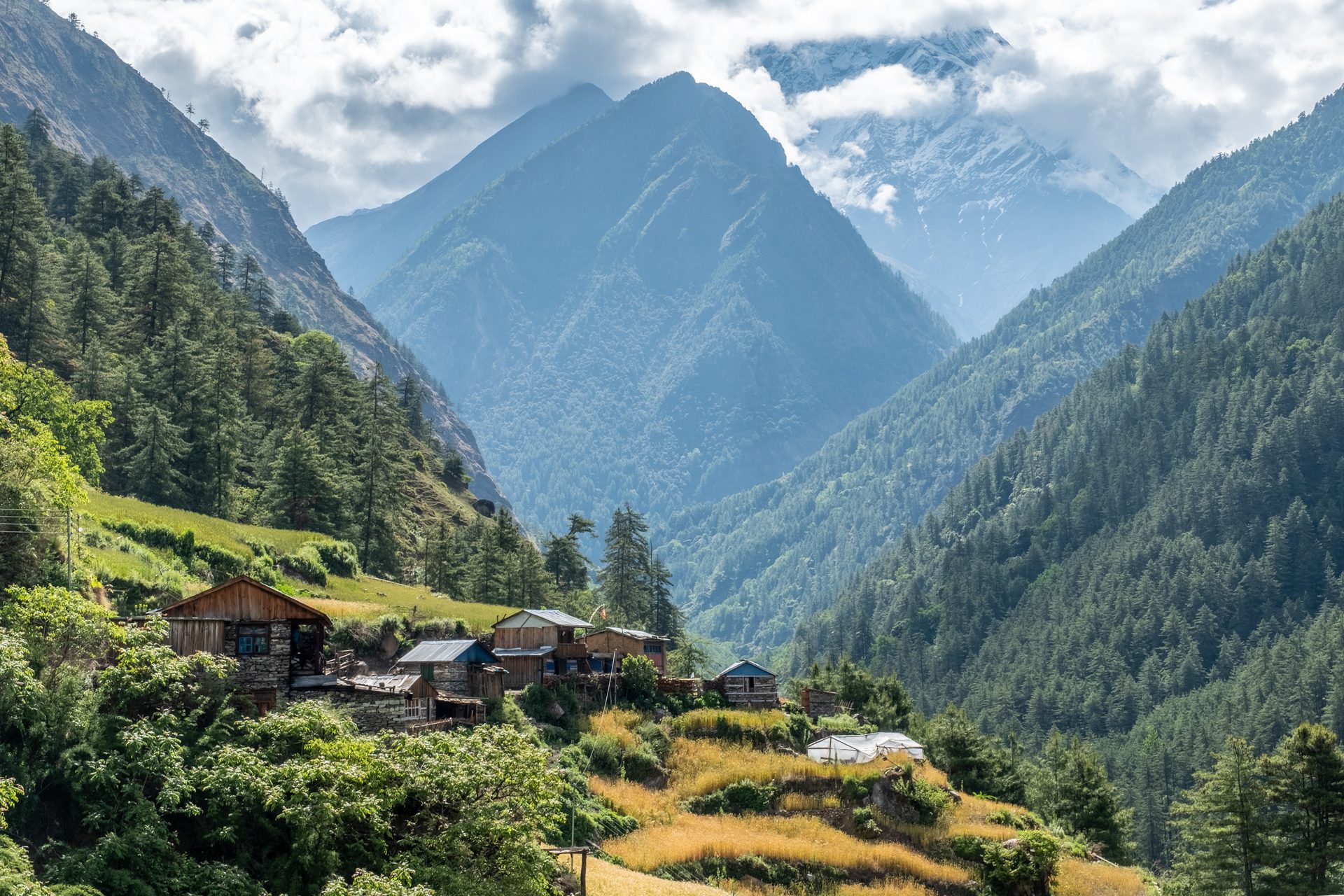
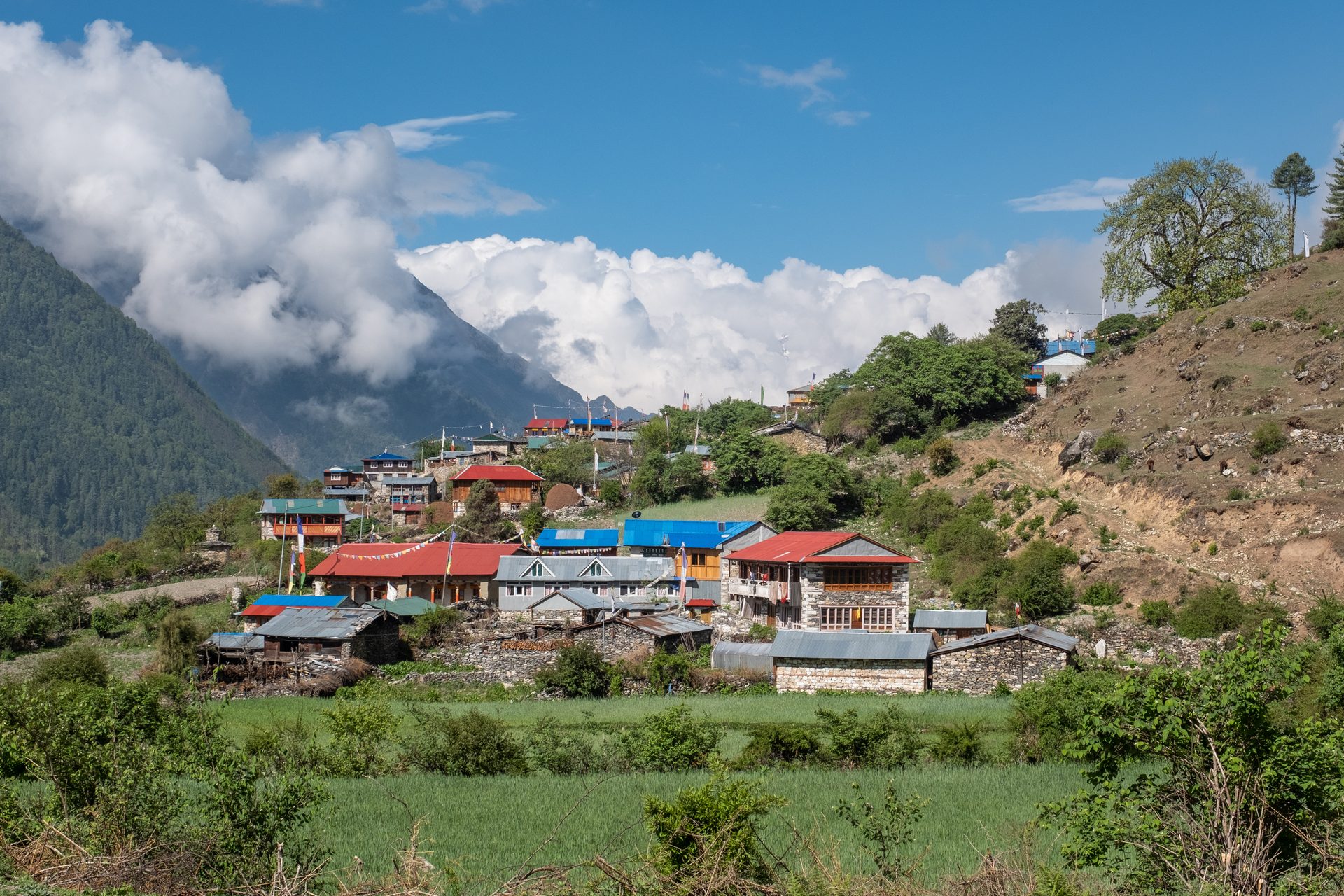
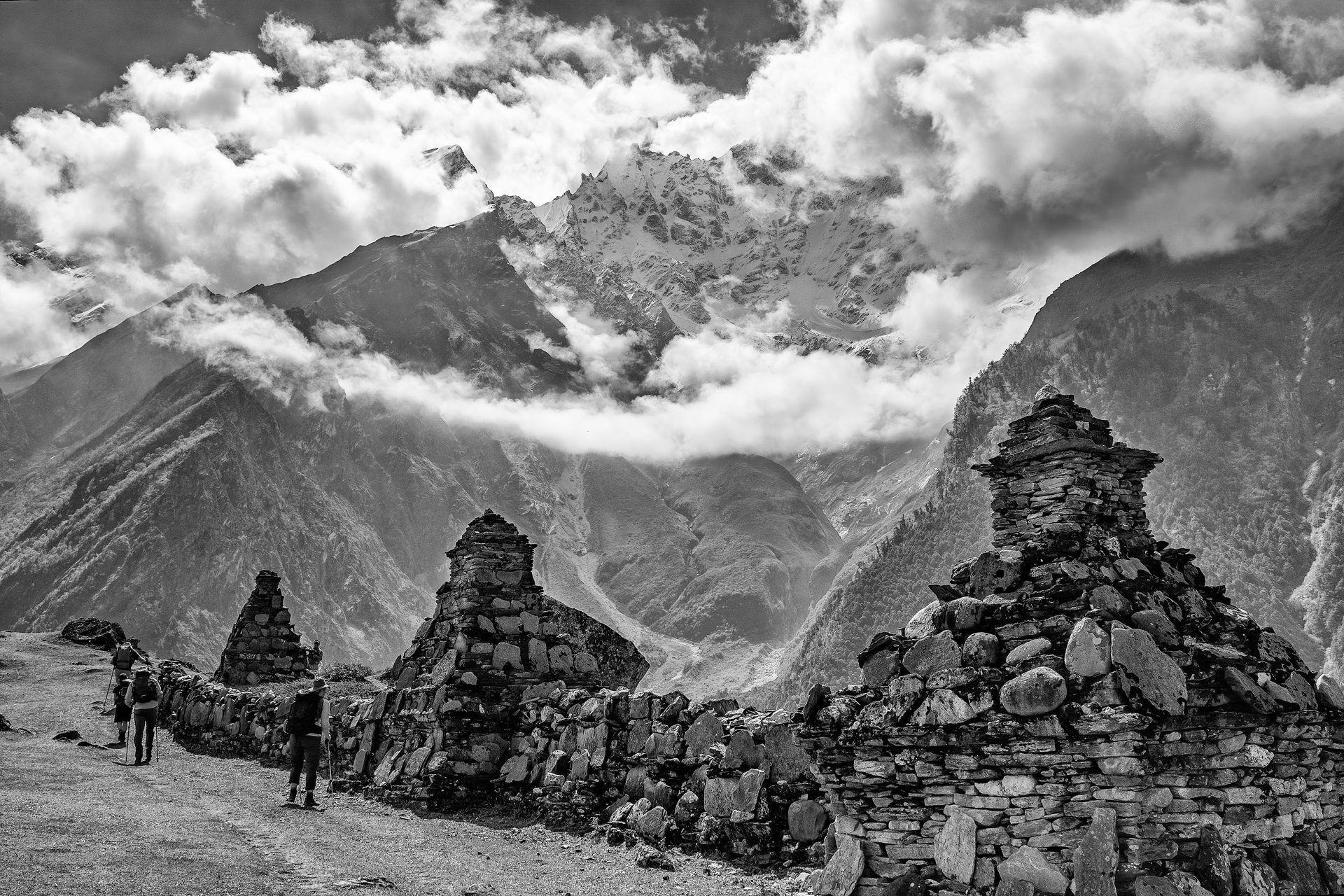
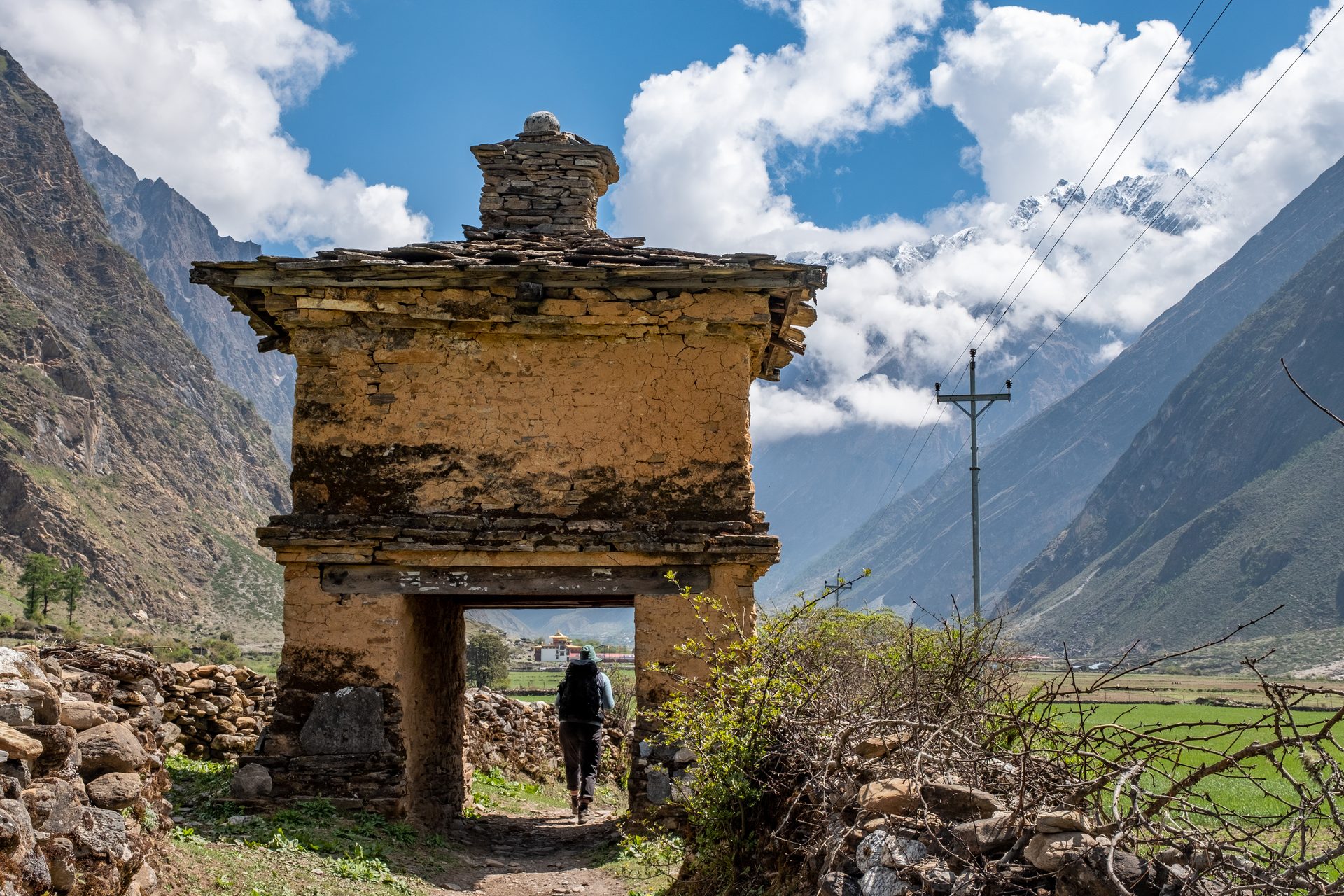
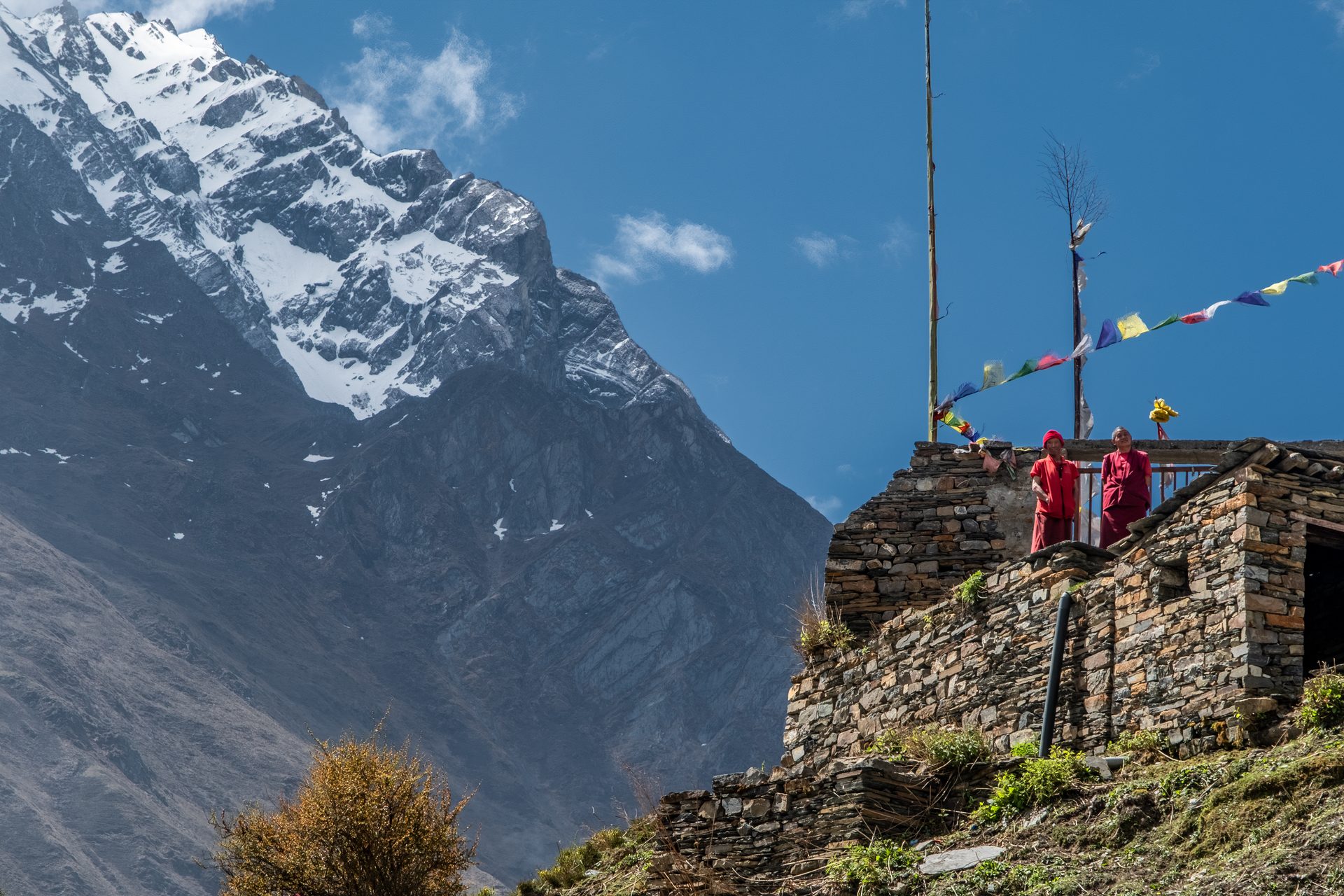
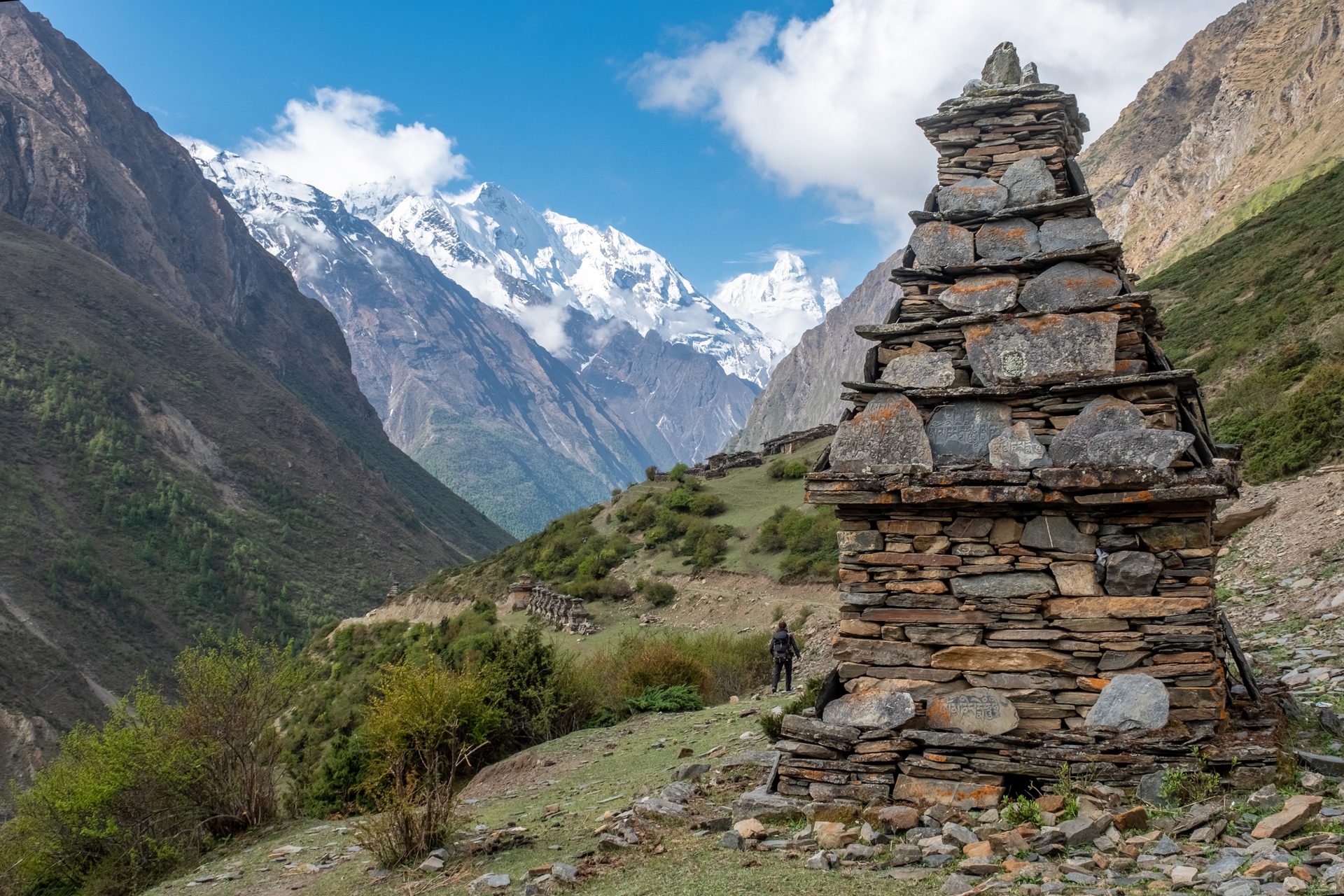
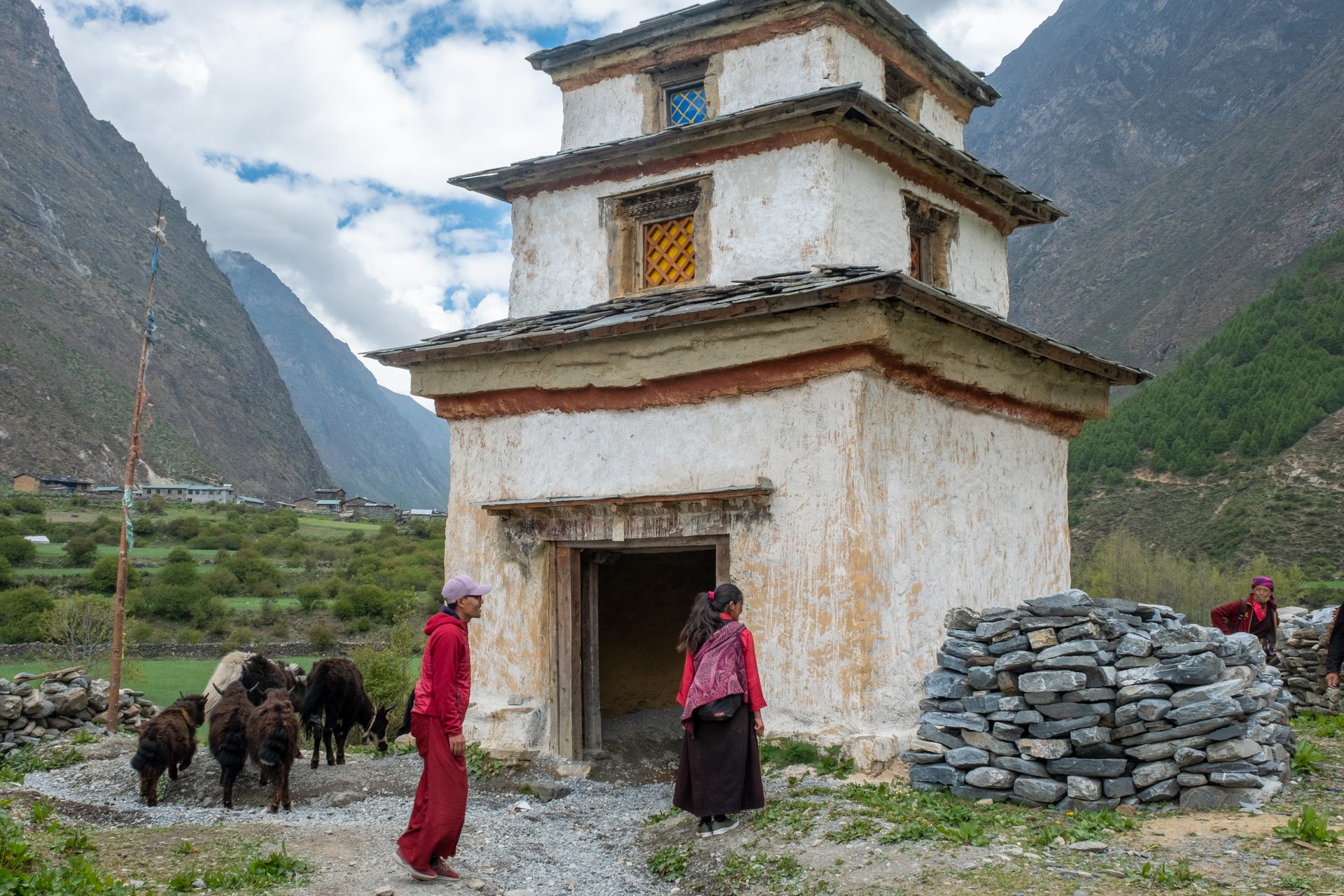
- Visit Rachen Nunnery, Mu Gompa and traditional Tsumpa villages
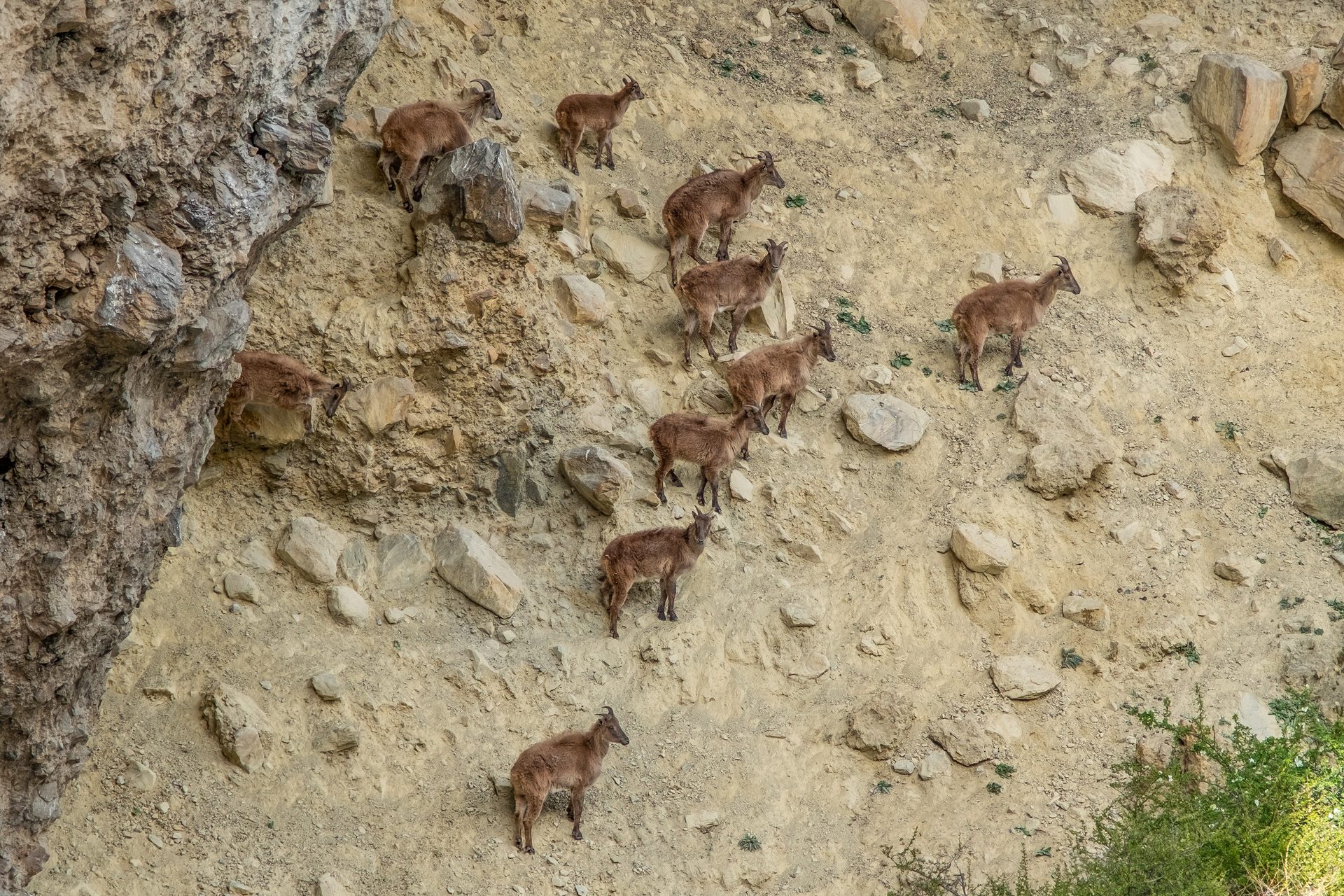
- Witness rare wildlife - blue sheep, Himalayan tahr, mountain rabbits and marmots
- Walk through landscapes seen by fewer than 100 trekkers per year
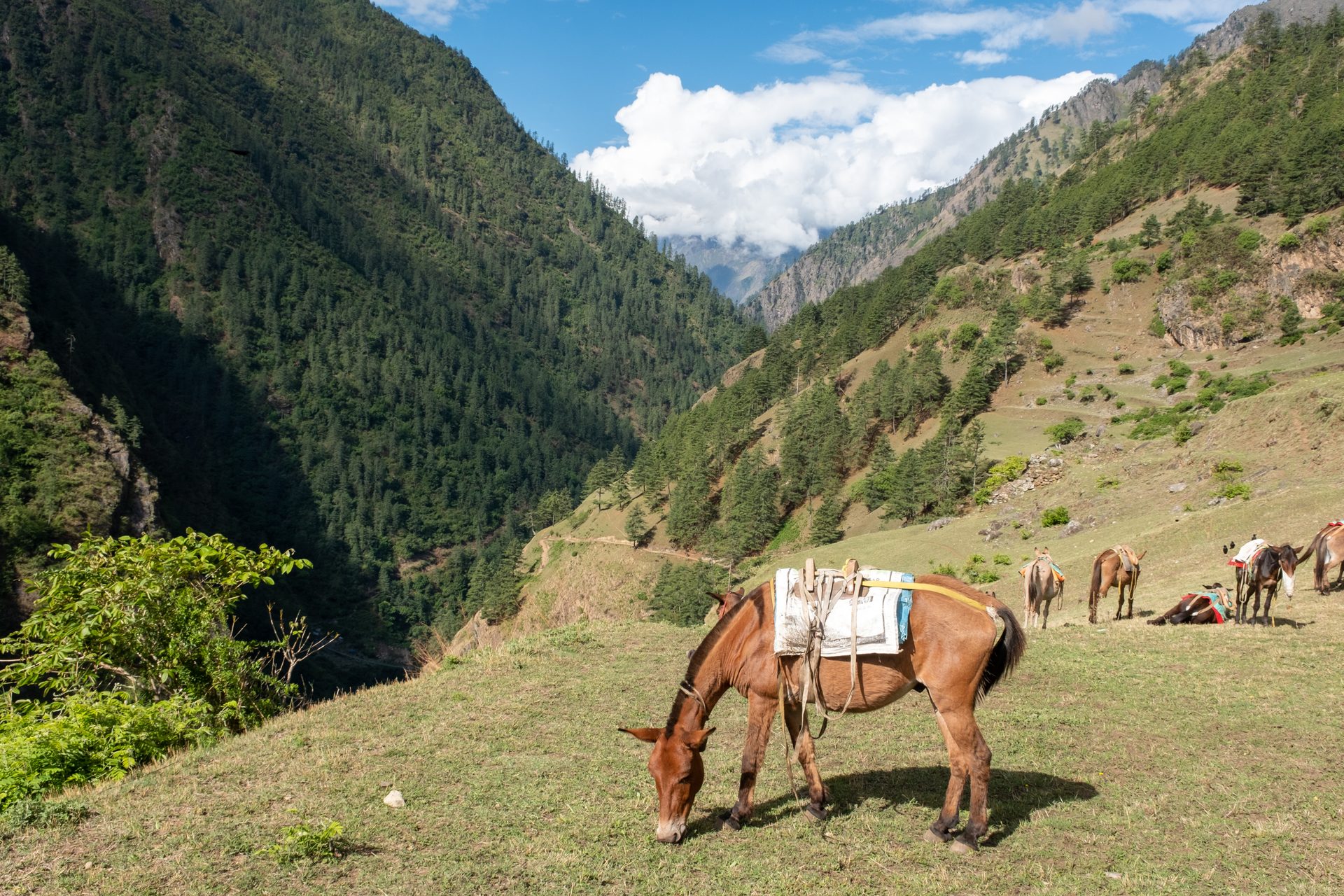
- Donkey support frees you from carrying any heavy gear
- Cultural festival days at Lo Manthang-level monasteries
- Photograph some of the least-documented terrain in the Nepali Himalayas
Itinerary
Day 1
Kathmandu to Sotikhola (700m)
⏱ 6 hours drive
↔ ~140 km
▲ 1,355m
🍽 Lunch, Dinner
Day 1
Kathmandu to Sotikhola (700m)
⏱ 6 hours drive ↔ ~140 km ▲ 1,355m 🍽 Lunch, Dinner
Day 2
Sotikhola to Gongong Village (900m)
⏱ 3 hours hiking
↔ ~6 km
▲ 900m
🍽 Breakfast, Lunch, Dinner
Day 2
Sotikhola to Gongong Village (900m)
⏱ 3 hours hiking ↔ ~6 km ▲ 900m 🍽 Breakfast, Lunch, Dinner
Day 3
Gongong to Yaruphant (1,250m)
⏱ 1 hr hike + 1 hr drive + 4 hr hike
↔ ~10 km
▲ 1,250m
🍽 Breakfast, Lunch, Dinner
Day 3
Gongong to Yaruphant (1,250m)
⏱ 1 hr hike + 1 hr drive + 4 hr hike ↔ ~10 km ▲ 1,250m 🍽 Breakfast, Lunch, Dinner
Day 4
Yaruphant to Lokpa (1,900m)
⏱ 6-7 hours hiking
↔ ~14 km
▲ 1,900m
🍽 Breakfast, Lunch, Dinner
Day 4
Yaruphant to Lokpa (1,900m)
⏱ 6-7 hours hiking ↔ ~14 km ▲ 1,900m 🍽 Breakfast, Lunch, Dinner
Day 5
Lokpa to Chumling (2,300m)
⏱ 5 hours hiking
↔ ~11 km
▲ 2,300m
🍽 Breakfast, Lunch, Dinner
Day 5
Lokpa to Chumling (2,300m)
⏱ 5 hours hiking ↔ ~11 km ▲ 2,300m 🍽 Breakfast, Lunch, Dinner
Day 6
Chumling to Choekang Paro (3,045m)
⏱ 5-6 hours hiking
↔ ~12 km
▲ 3,045m
🍽 Breakfast, Lunch, Dinner
Day 6
Chumling to Choekang Paro (3,045m)
⏱ 5-6 hours hiking ↔ ~12 km ▲ 3,045m 🍽 Breakfast, Lunch, Dinner
Day 7
Acclimatization at Choekang Paro - Hike to Gaden Gompa
⏱ 4 hours hiking
↔ ~6 km
▲ 3,100m
🍽 Breakfast, Lunch, Dinner
Day 7
Acclimatization at Choekang Paro - Hike to Gaden Gompa
⏱ 4 hours hiking ↔ ~6 km ▲ 3,100m 🍽 Breakfast, Lunch, Dinner
Day 8
Day Hike to Elung Chuli Base (3,700m)
⏱ 6-7 hours hiking
↔ ~13 km
▲ 3,700m
🍽 Breakfast, Lunch, Dinner
Day 8
Day Hike to Elung Chuli Base (3,700m)
⏱ 6-7 hours hiking ↔ ~13 km ▲ 3,700m 🍽 Breakfast, Lunch, Dinner
Day 9
Choekang Paro to Nyiloe (3,350m) via Rachen Gompa
⏱ 6-7 hours hiking
↔ ~14 km
▲ 3,350m
🍽 Breakfast, Lunch, Dinner
Day 9
Choekang Paro to Nyiloe (3,350m) via Rachen Gompa
⏱ 6-7 hours hiking ↔ ~14 km ▲ 3,350m 🍽 Breakfast, Lunch, Dinner
Day 10
Nyiloe to Choshong (4,100m) via Mugumba (3,800m)
⏱ 5 hours hiking
↔ ~10 km
▲ 4,100m
🍽 Breakfast, Lunch, Dinner
Day 10
Nyiloe to Choshong (4,100m) via Mugumba (3,800m)
⏱ 5 hours hiking ↔ ~10 km ▲ 4,100m 🍽 Breakfast, Lunch, Dinner
Day 11
Choshong to Dramdang (4,150m) via Thoh and Choshong Pass (4,400m)
⏱ 6-7 hours hiking
↔ ~13 km
▲ 4,400m
🍽 Breakfast, Lunch, Dinner
Day 11
Choshong to Dramdang (4,150m) via Thoh and Choshong Pass (4,400m)
⏱ 6-7 hours hiking ↔ ~13 km ▲ 4,400m 🍽 Breakfast, Lunch, Dinner
Day 12
Dramdang to Chekya (4,200m), visit Cho Lungcho Lake (4,600m)
⏱ 6-7 hours hiking
↔ ~12 km
▲ 4,600m
🍽 Breakfast, Lunch, Dinner
Day 12
Dramdang to Chekya (4,200m), visit Cho Lungcho Lake (4,600m)
⏱ 6-7 hours hiking ↔ ~12 km ▲ 4,600m 🍽 Breakfast, Lunch, Dinner
Day 13
Hike to Thapla Rokpa Pass (5,104m), return to Chekya
⏱ 7-8 hours hiking
↔ ~14 km
▲ 5,104m
🍽 Breakfast, Lunch, Dinner
Day 13
Hike to Thapla Rokpa Pass (5,104m), return to Chekya
⏱ 7-8 hours hiking ↔ ~14 km ▲ 5,104m 🍽 Breakfast, Lunch, Dinner
Day 14
Chekya to Nhya Gyang Gyang (4,700m)
⏱ 7-8 hours hiking
↔ ~13 km
▲ 4,700m
🍽 Breakfast, Lunch, Dinner
Day 14
Chekya to Nhya Gyang Gyang (4,700m)
⏱ 7-8 hours hiking ↔ ~13 km ▲ 4,700m 🍽 Breakfast, Lunch, Dinner
Day 15
Chekya to Tarcho Tsuksa to Bajyo (4,250m)
⏱ 6-7 hours hiking
↔ ~12 km
▲ 4,250m
🍽 Breakfast, Lunch, Dinner
Day 15
Chekya to Tarcho Tsuksa to Bajyo (4,250m)
⏱ 6-7 hours hiking ↔ ~12 km ▲ 4,250m 🍽 Breakfast, Lunch, Dinner
Day 16
Bajyo to Nyunla Donjyang Pass (5,093m) and back
⏱ 8-9 hours hiking
↔ ~16 km
▲ 5,093m
🍽 Breakfast, Lunch, Dinner
Day 16
Bajyo to Nyunla Donjyang Pass (5,093m) and back
⏱ 8-9 hours hiking ↔ ~16 km ▲ 5,093m 🍽 Breakfast, Lunch, Dinner
Day 17
Bajyo to Nyiloe
⏱ 7 hours hiking
↔ ~13 km
▲ 4,250m
🍽 Breakfast, Lunch, Dinner
Day 17
Bajyo to Nyiloe
⏱ 7 hours hiking ↔ ~13 km ▲ 4,250m 🍽 Breakfast, Lunch, Dinner
Day 18
Nyiloe to Choekang Paro
⏱ 6 hours hiking
↔ ~11 km
▲ 3,361m
🍽 Breakfast, Lunch, Dinner
Day 18
Nyiloe to Choekang Paro
⏱ 6 hours hiking ↔ ~11 km ▲ 3,361m 🍽 Breakfast, Lunch, Dinner
Day 19
Choekang Paro to Lokpa
⏱ 7 hours hiking
↔ ~14 km
▲ 3,045m
🍽 Breakfast, Lunch, Dinner
Day 19
Choekang Paro to Lokpa
⏱ 7 hours hiking ↔ ~14 km ▲ 3,045m 🍽 Breakfast, Lunch, Dinner
Day 20
Lokpa to Machhakhola
⏱ 2 hrs hiking + 3 hrs drive
↔ ~4 km hike + ~30 km drive
▲ 1,900m
🍽 Breakfast, Lunch, Dinner
Day 20
Lokpa to Machhakhola
⏱ 2 hrs hiking + 3 hrs drive ↔ ~4 km hike + ~30 km drive ▲ 1,900m 🍽 Breakfast, Lunch, Dinner
Day 21
Machhakhola to Kathmandu
⏱ 7 hours drive
↔ ~140 km
▲ 1,355m
🍽 Breakfast, Lunch
Day 21
Machhakhola to Kathmandu
⏱ 7 hours drive ↔ ~140 km ▲ 1,355m 🍽 Breakfast, Lunch
Ready to walk this?
Enquire now →What's included
Included
- All meals (breakfast, lunch and dinner) freshly prepared by a professional trekking chef
- Comfortable camping accommodation - sleeping tents, dining tent, toilet tent and kitchen tent
- Tea, coffee and snacks available throughout the trek
- Experienced trekking team - professional guide, assistant guide and kitchen staff
- Porters and donkey support for carrying gear
- All staff wages, insurance and logistics covered
- Special Restricted Area Tsum Valley permit
- Manaslu Conservation Area Project (MCAP) permit
- All ground transportation between Kathmandu and the trailhead
- Comprehensive first aid medical kit
- Helicopter evacuation arrangement (paid by your insurance)
Not included
- International flights
- Nepal visa fee
- Travel and rescue insurance (mandatory)
- Hotel and meals in Kathmandu
- Personal trekking equipment
- Tips for guide, porters and kitchen staff
- Personal expenses, drinks and snacks beyond what is provided
- Sleeping bag rental (we can arrange in Kathmandu)
Gallery
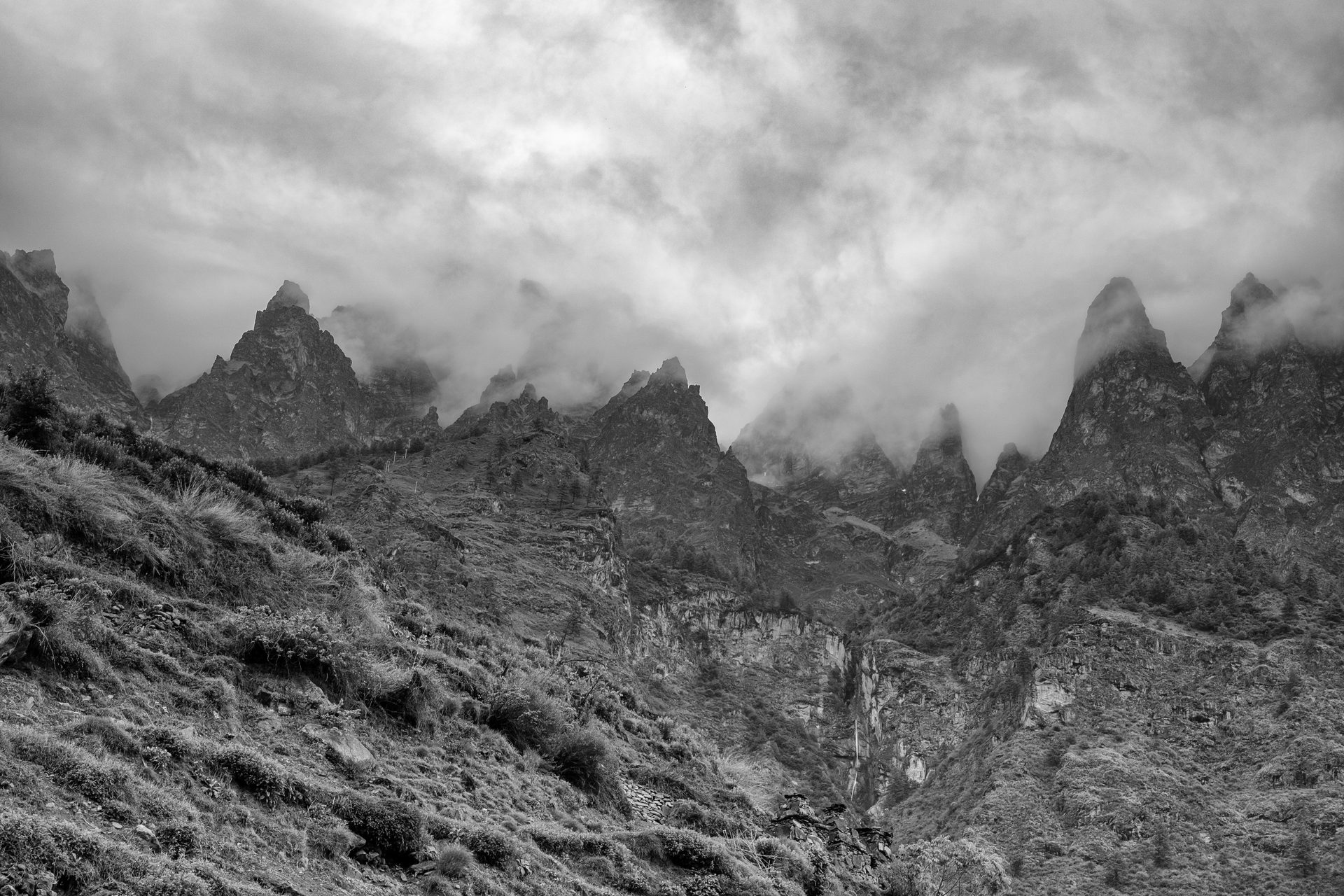
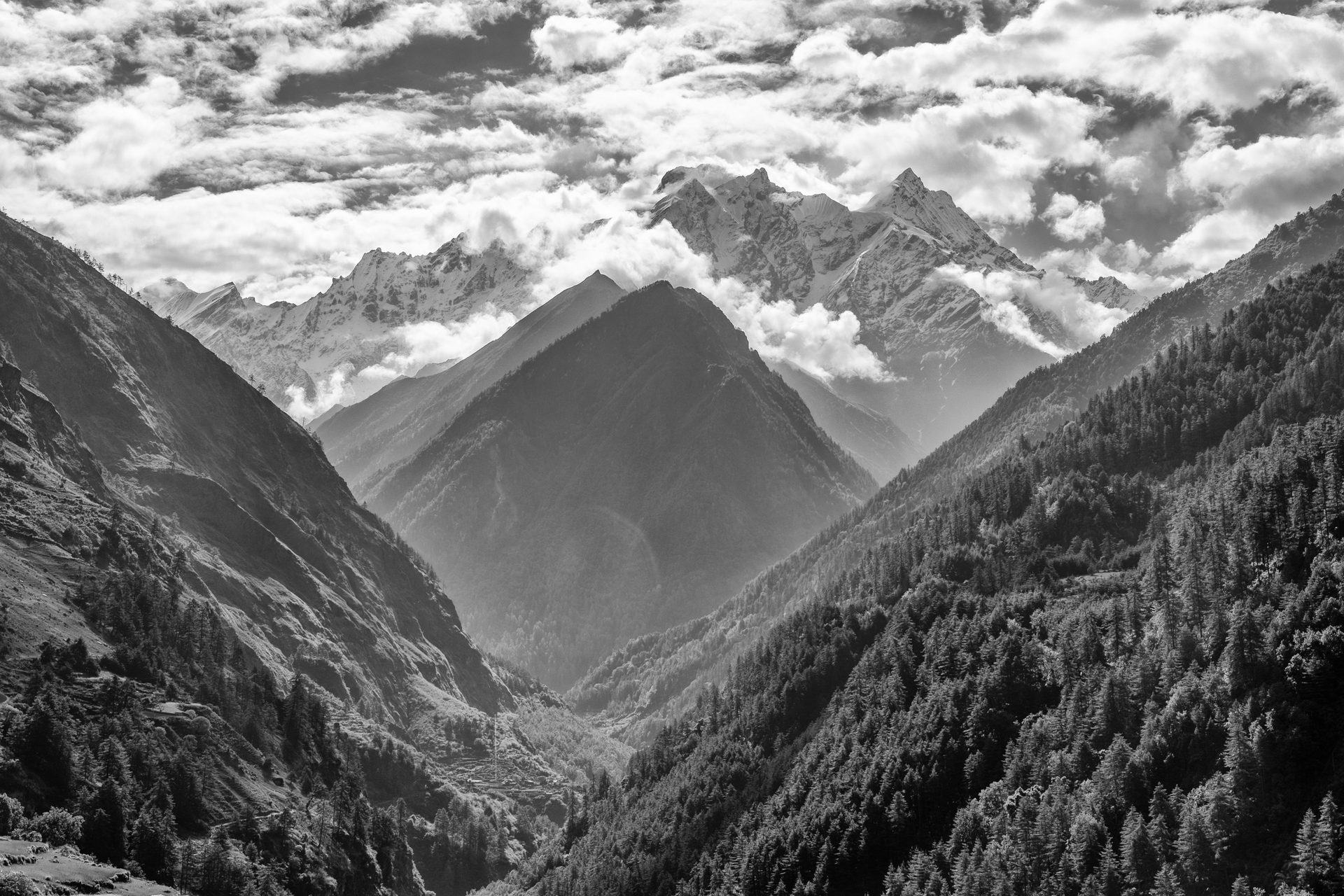
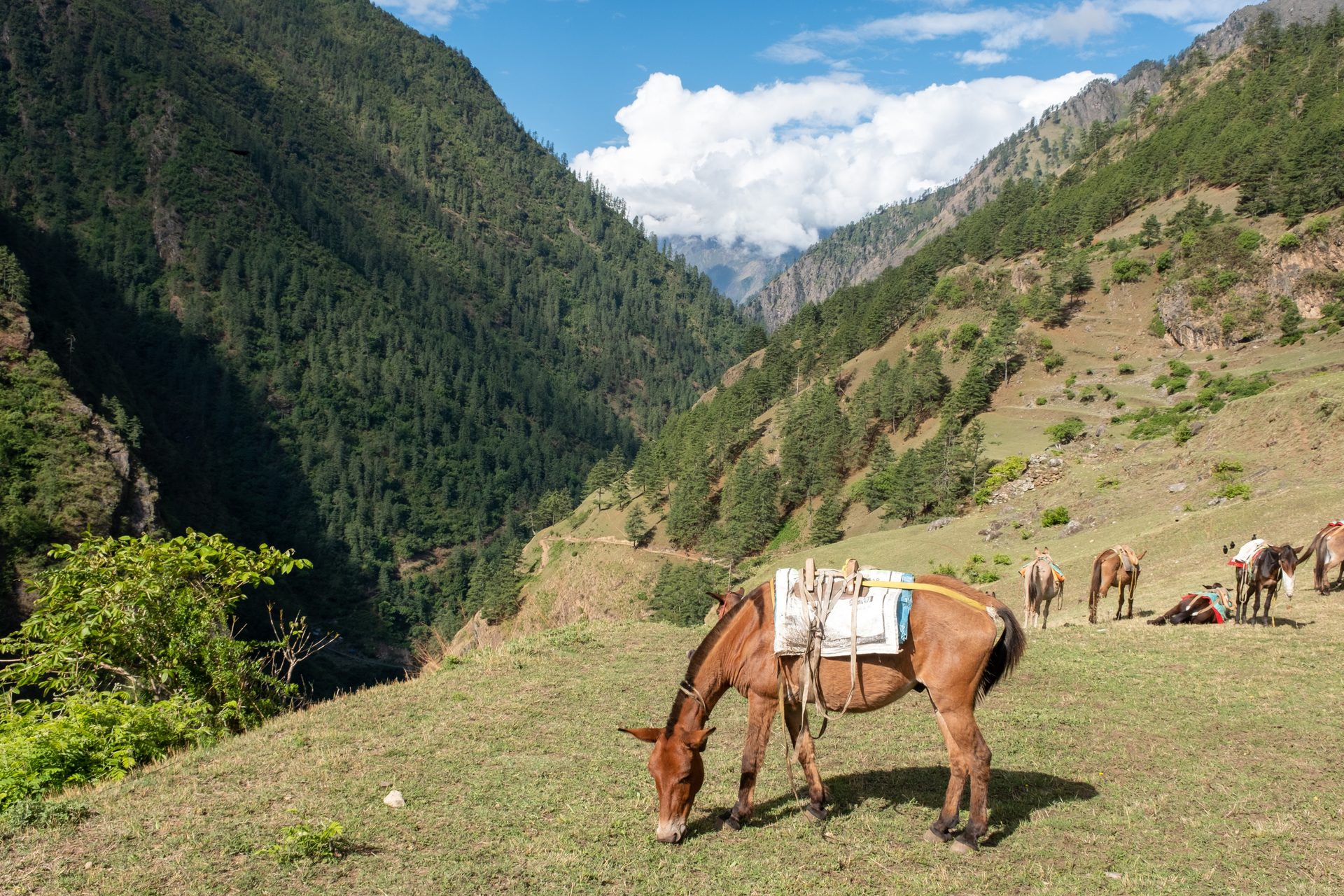
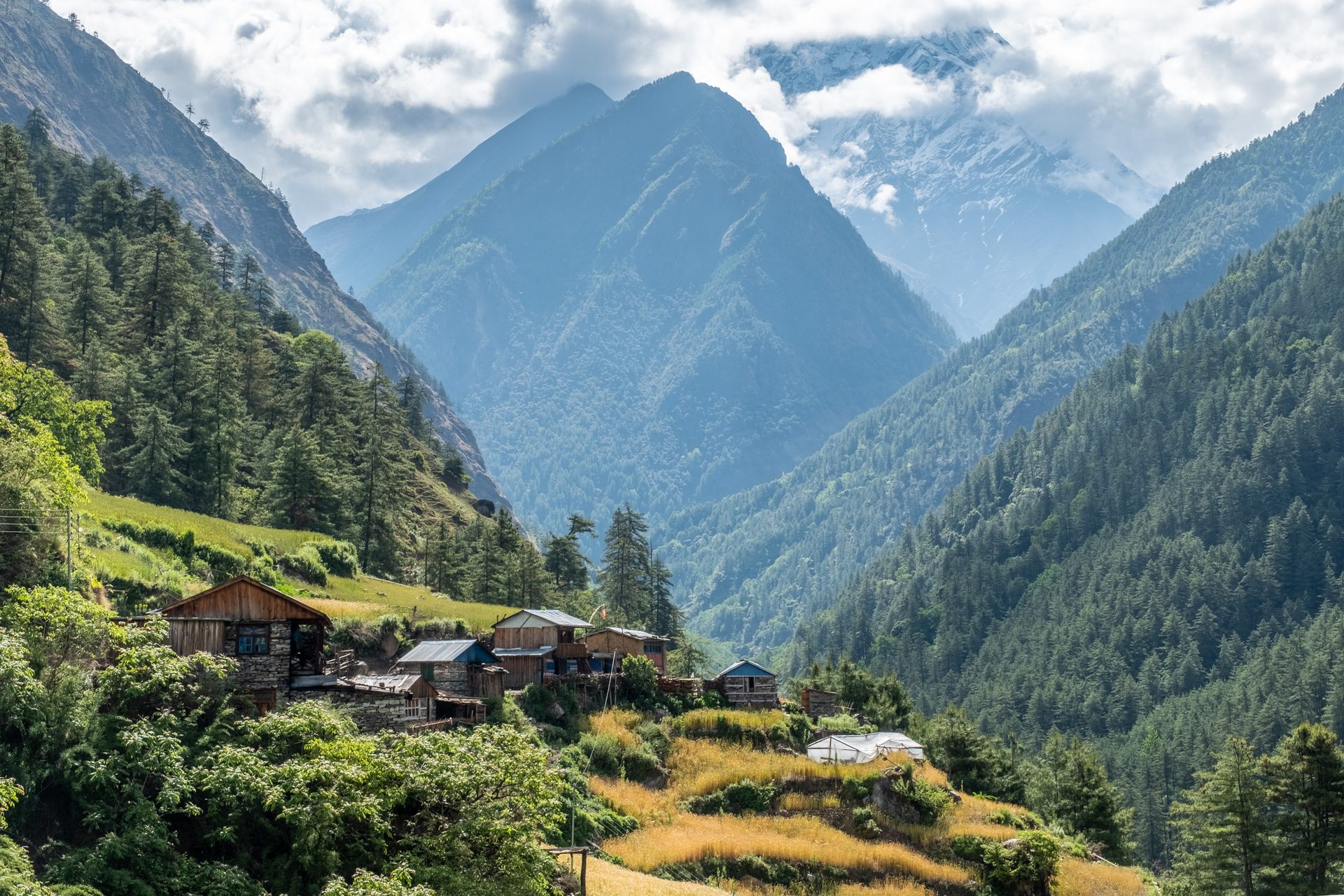
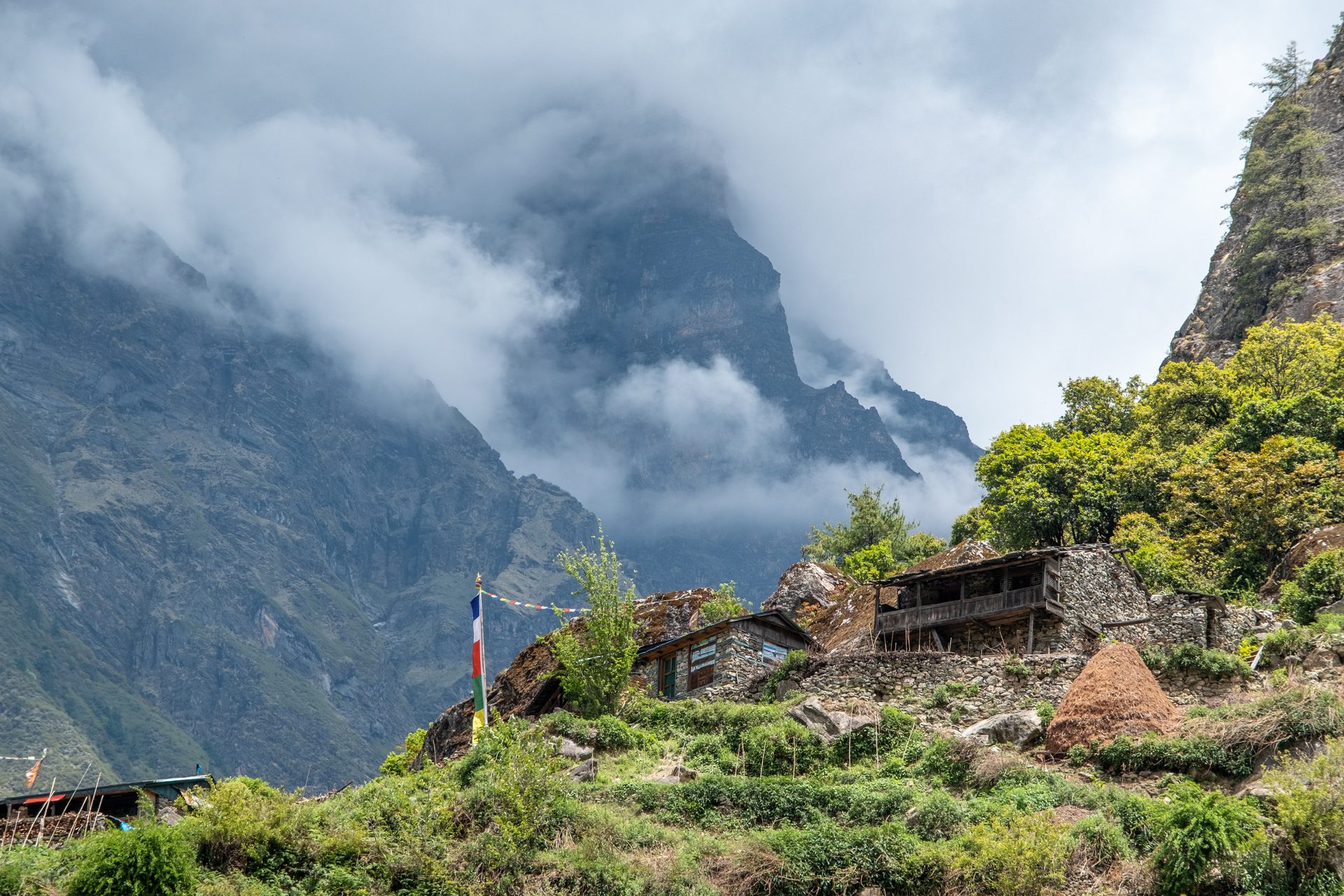
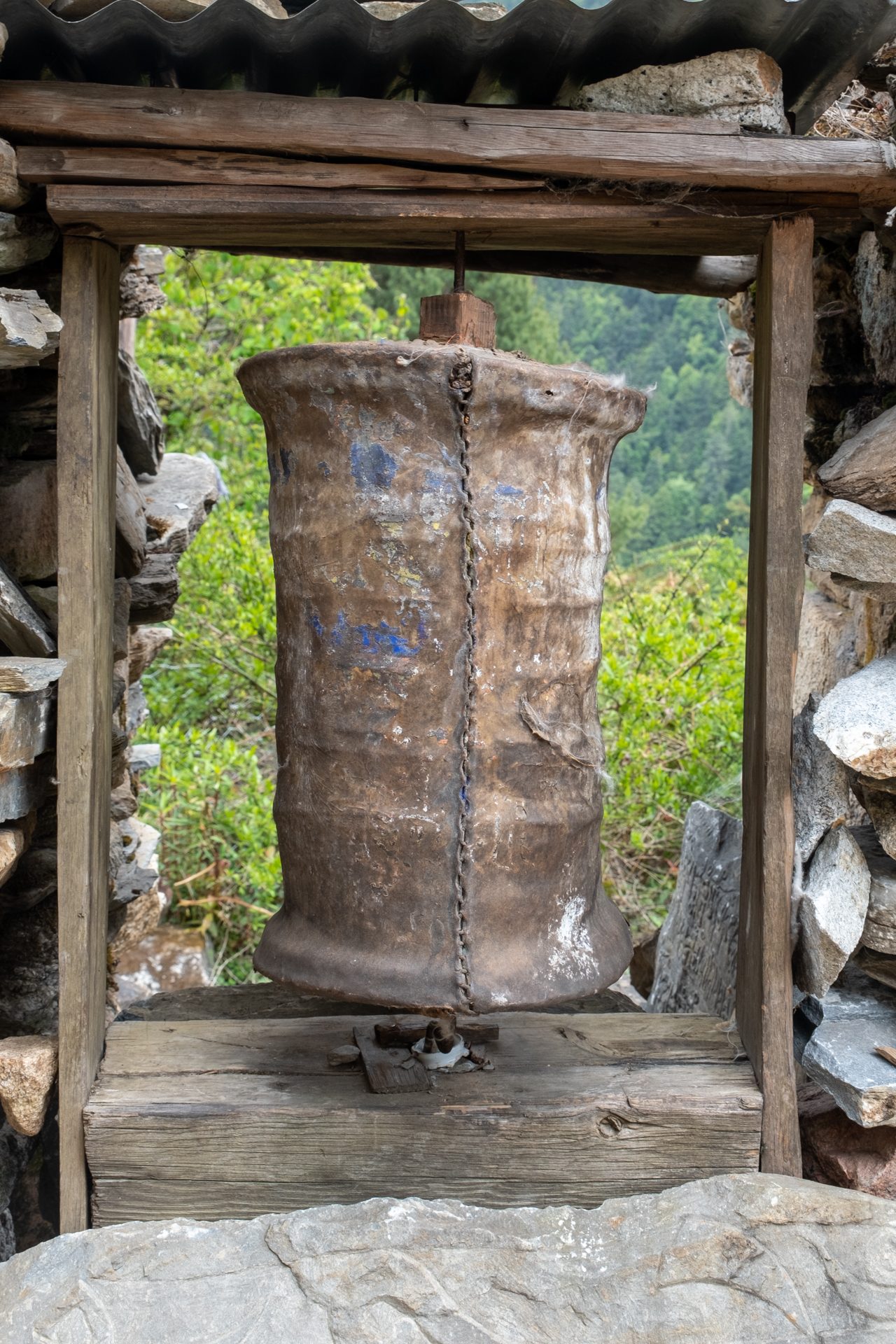
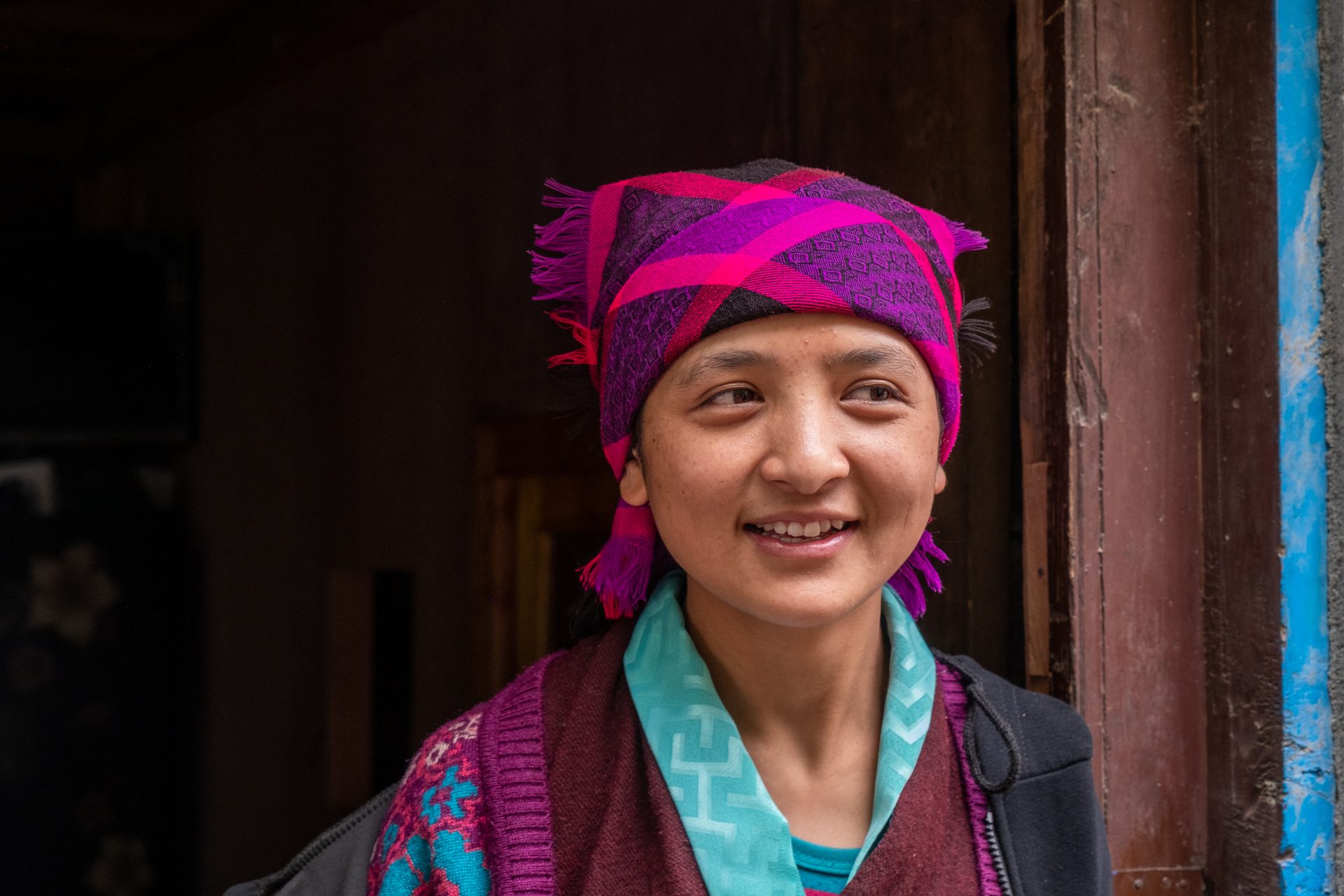
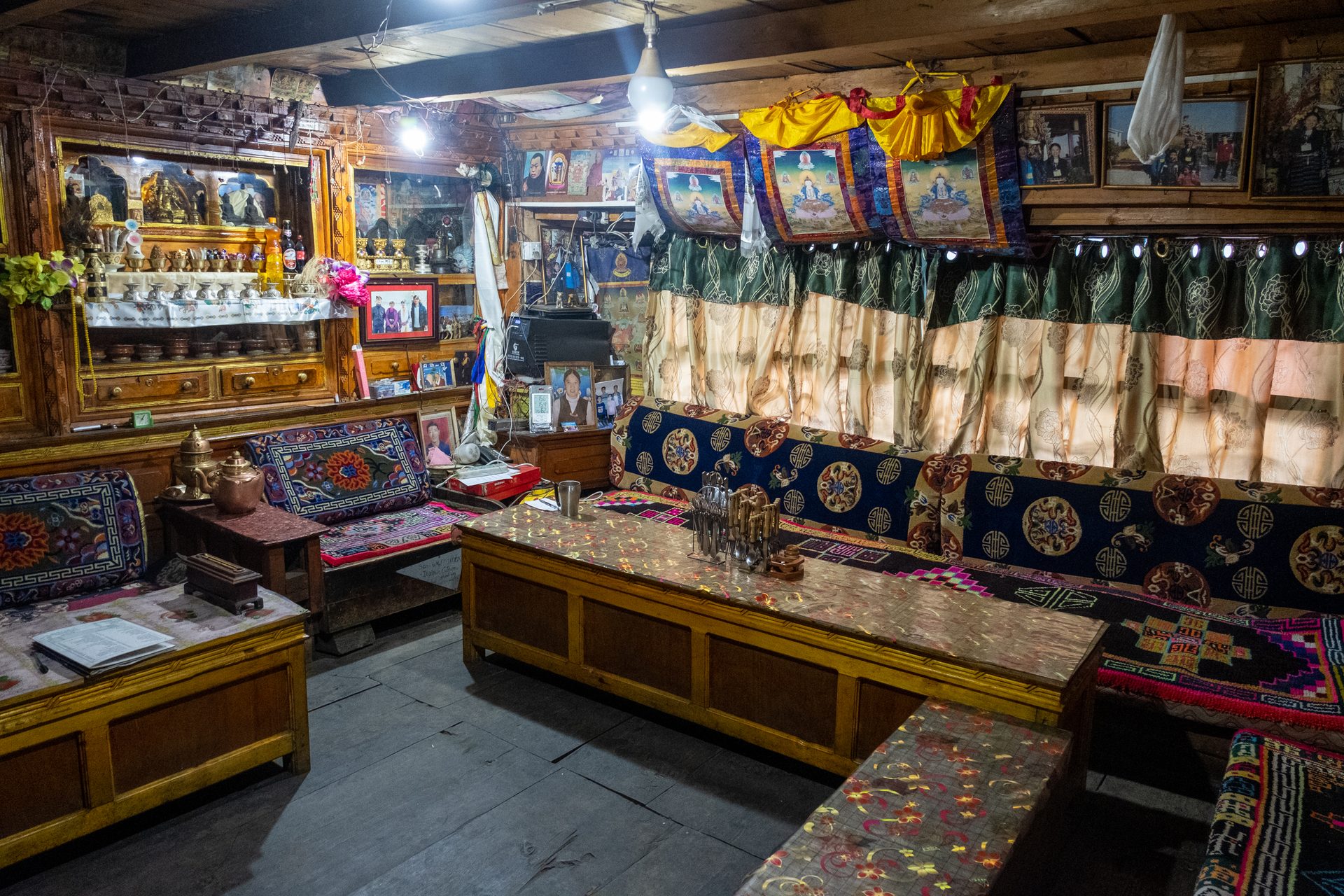
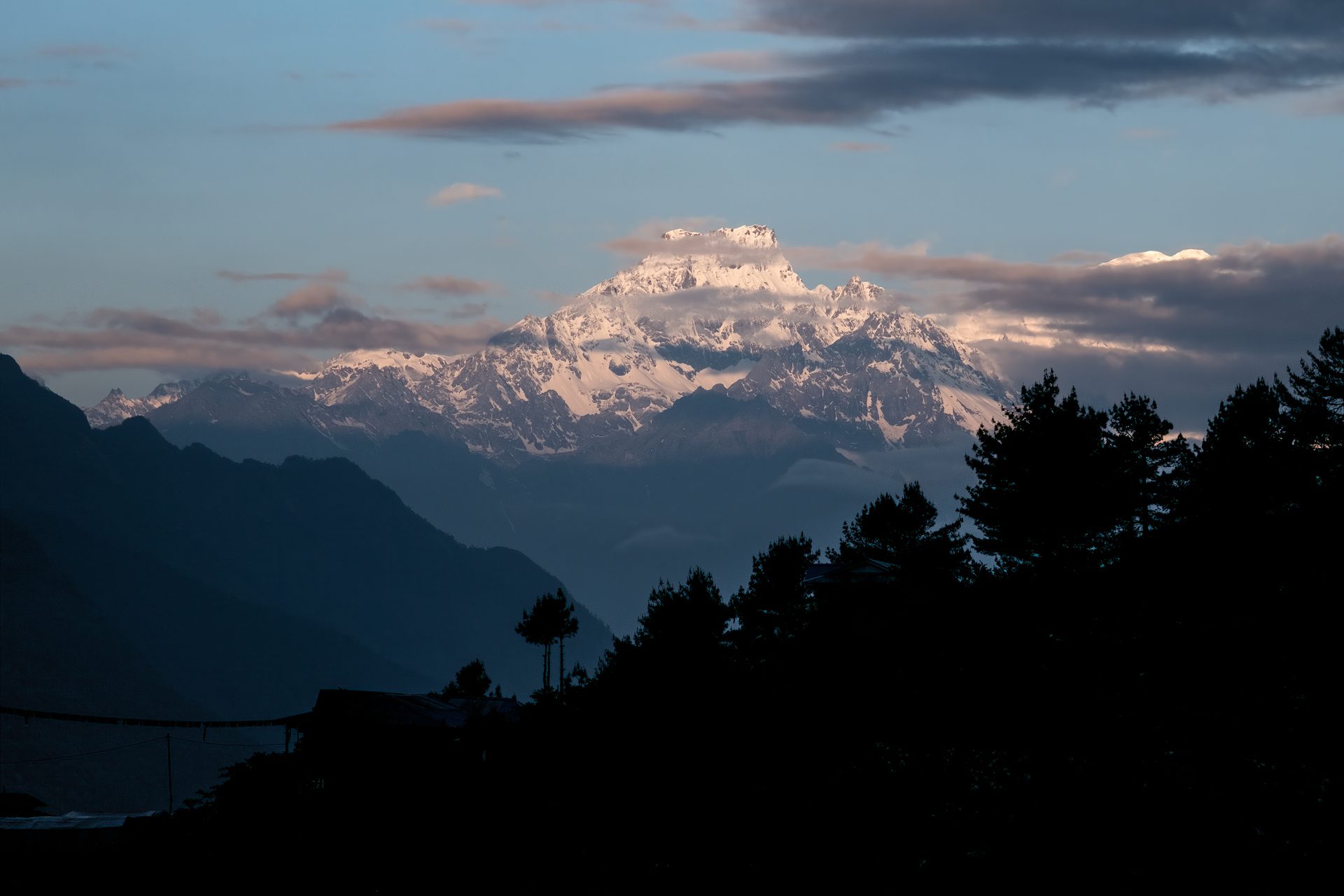
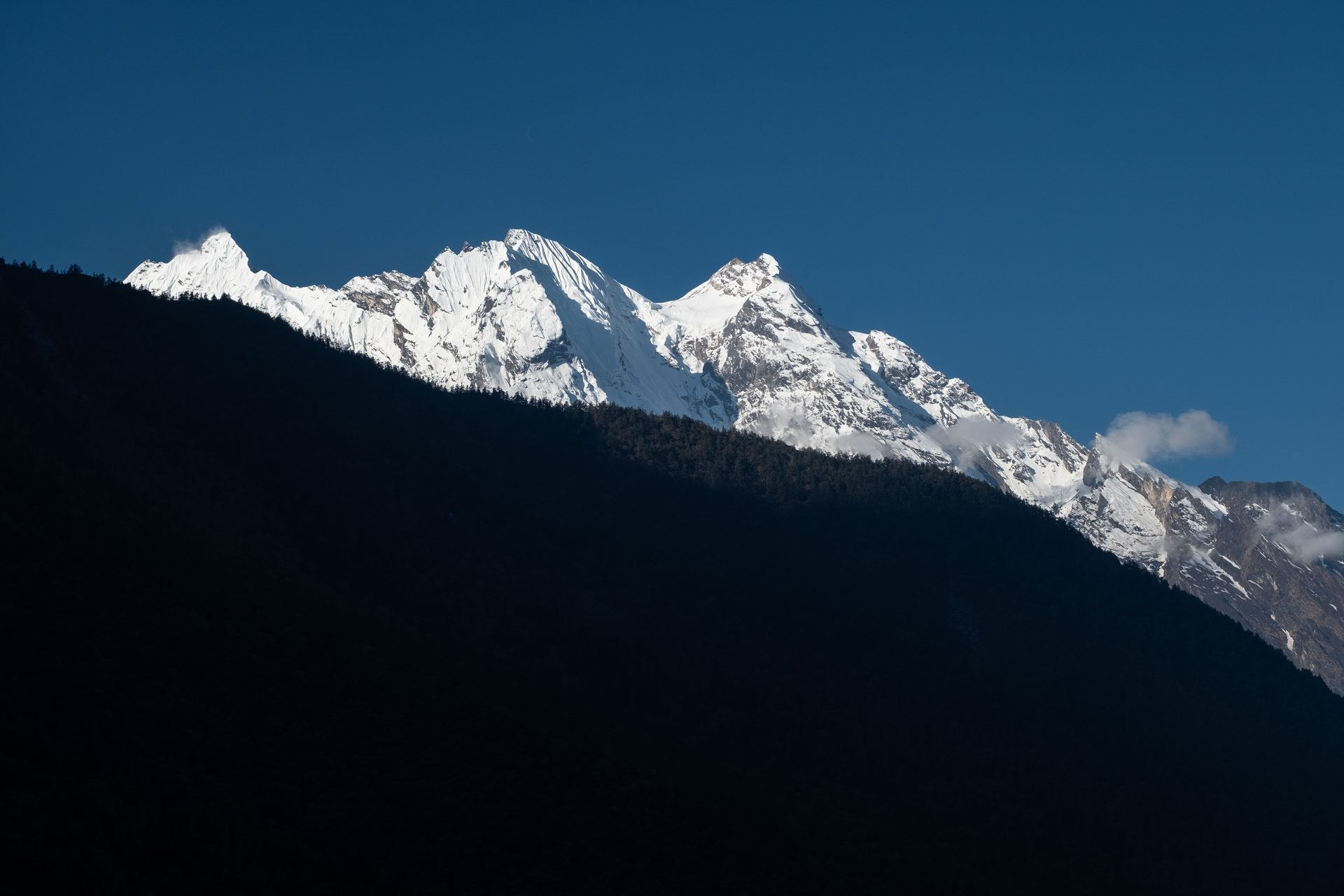
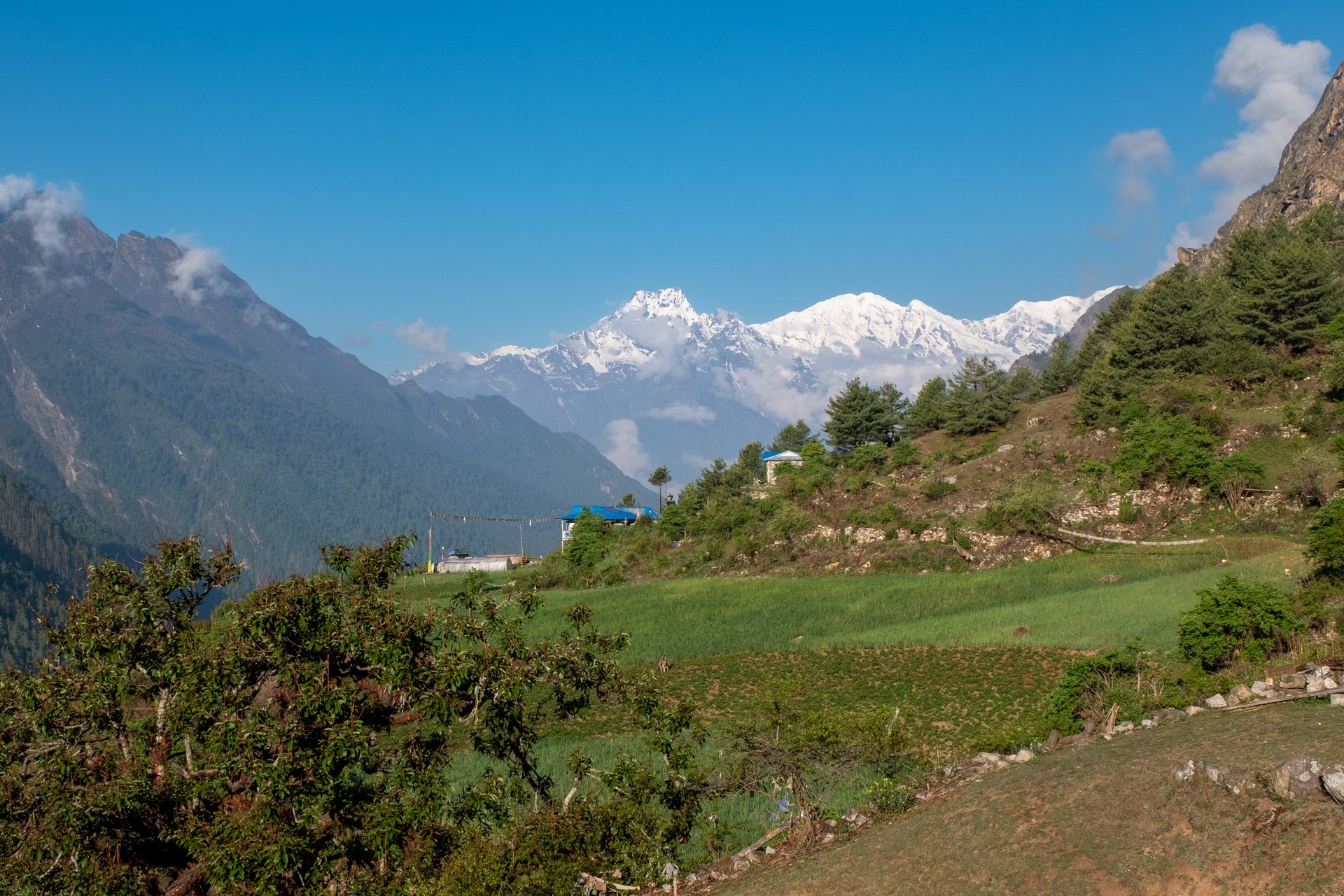
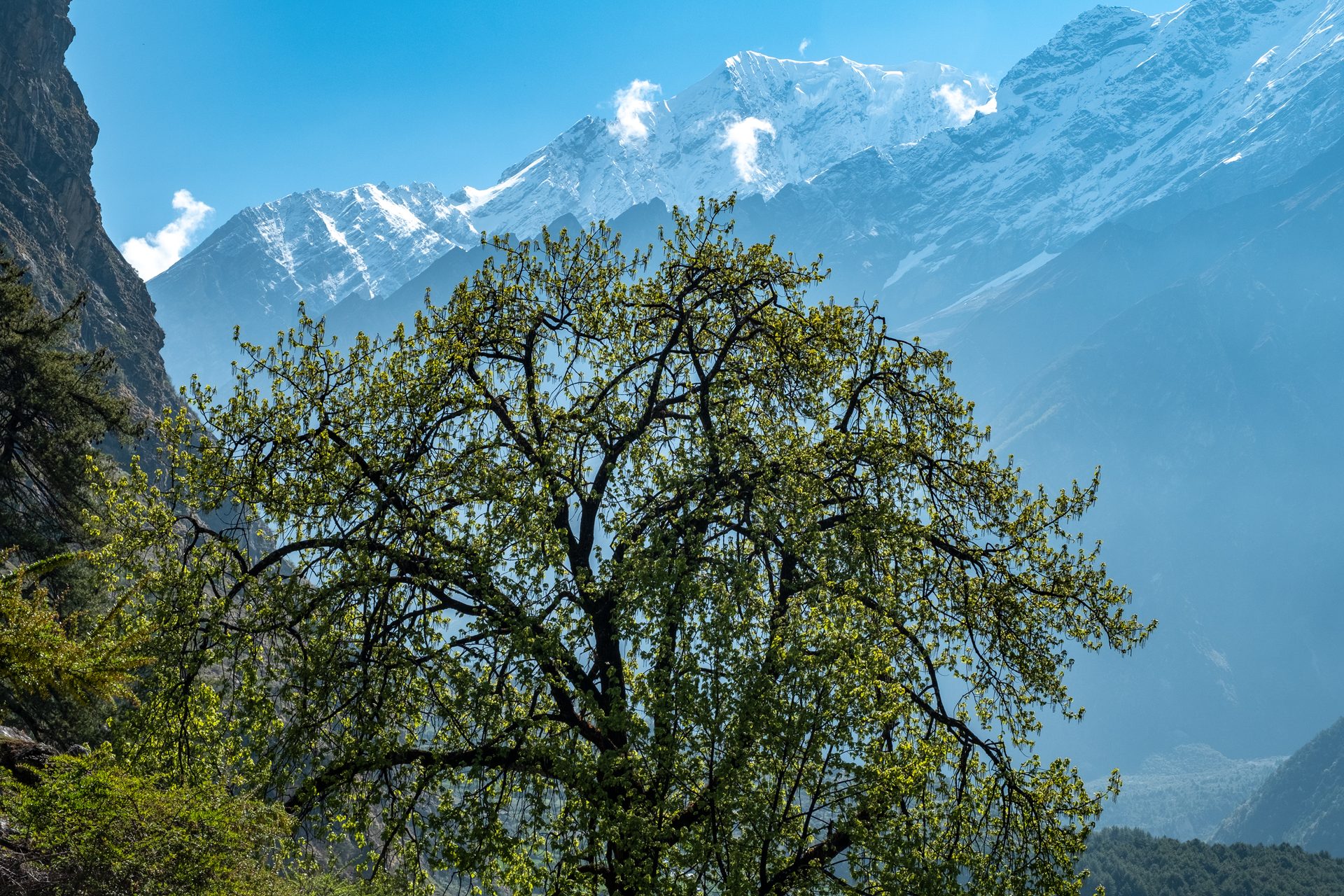
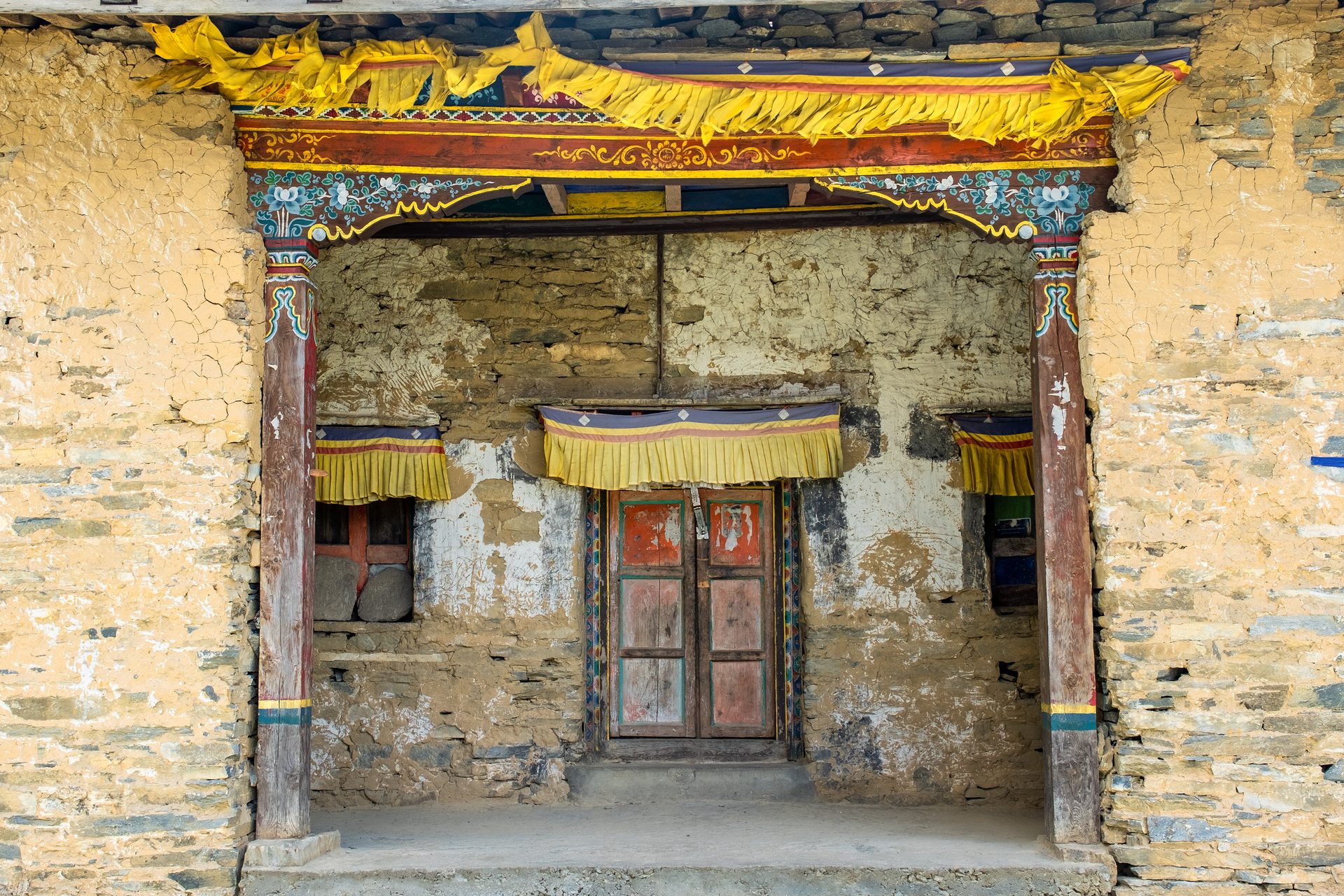
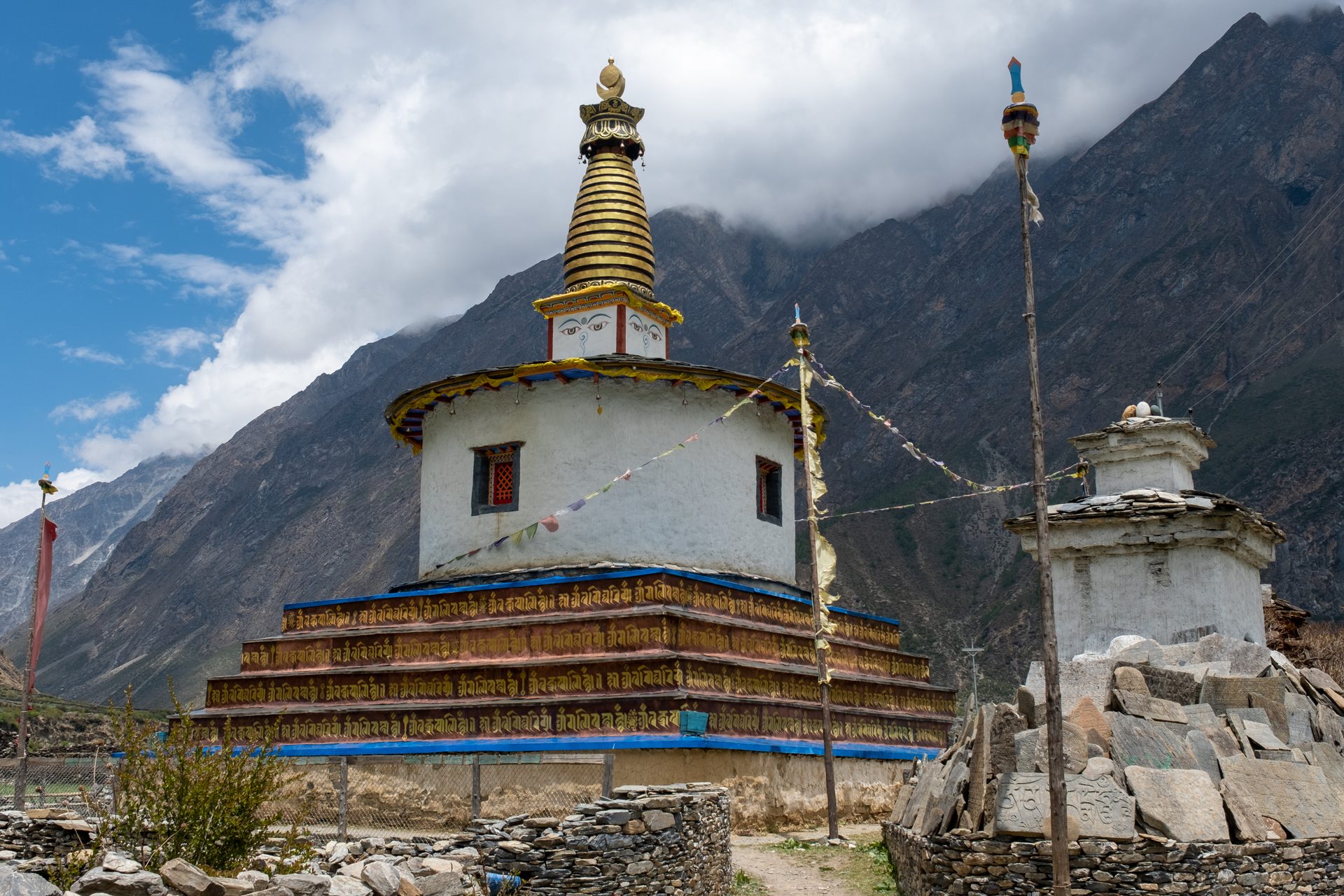
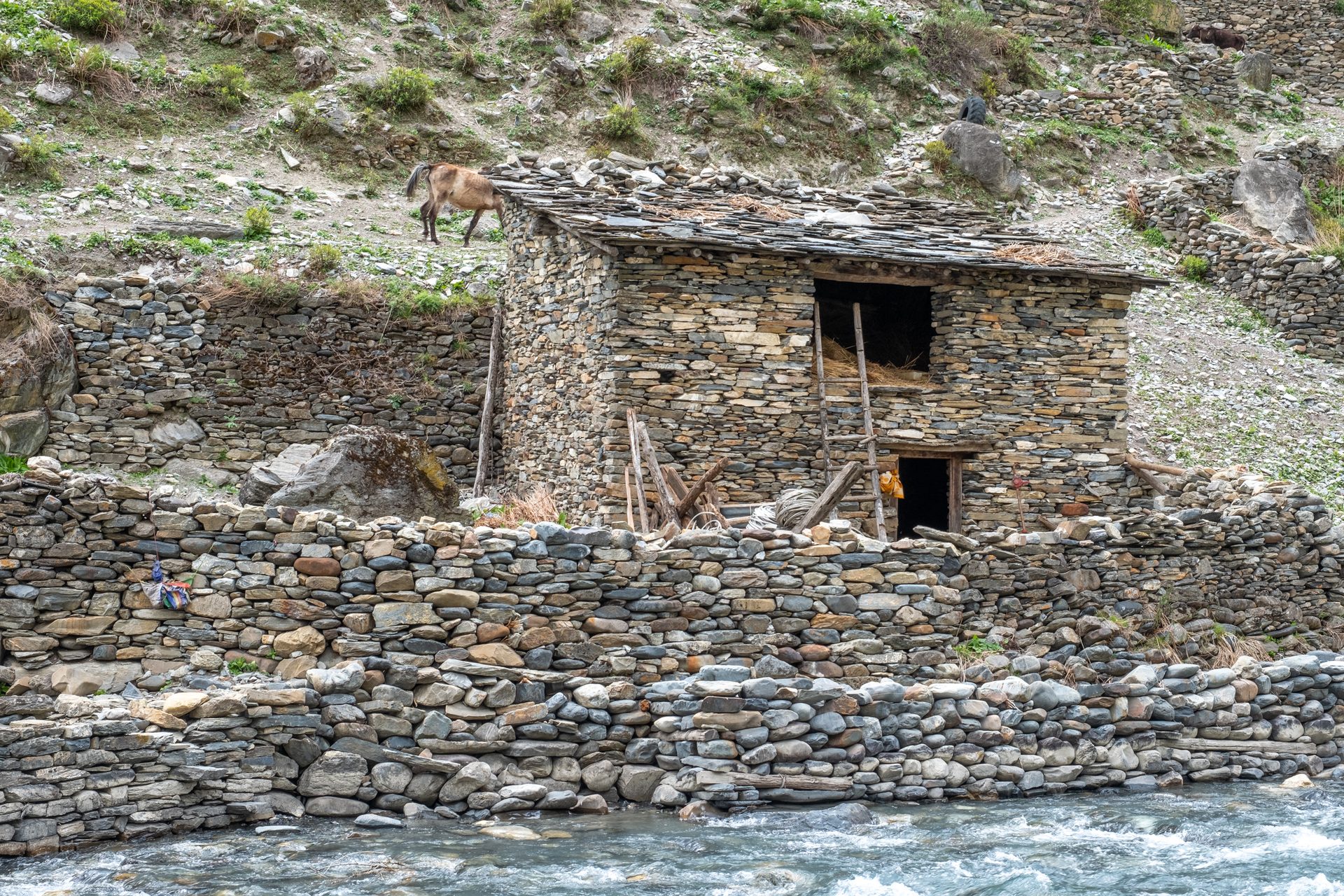
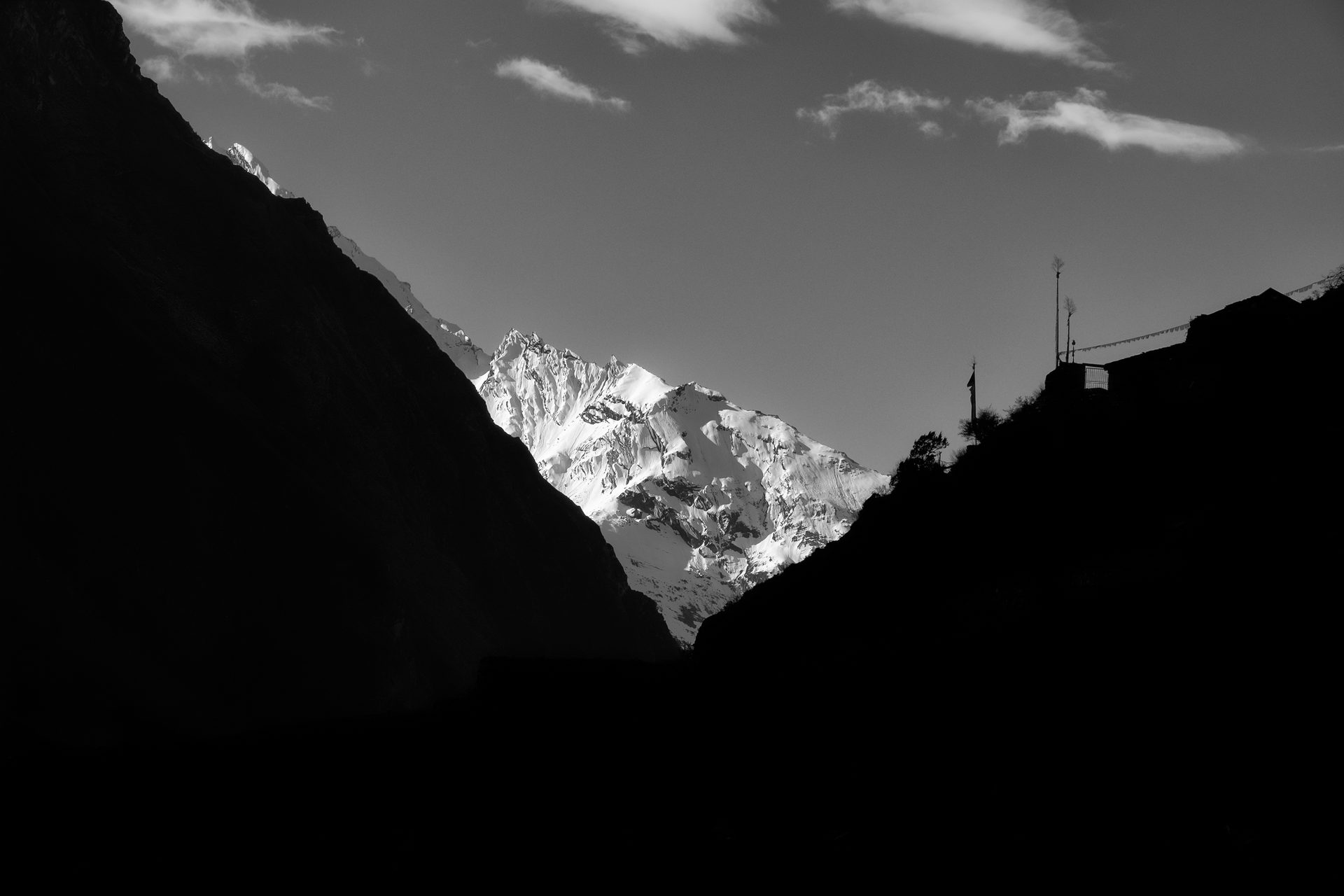
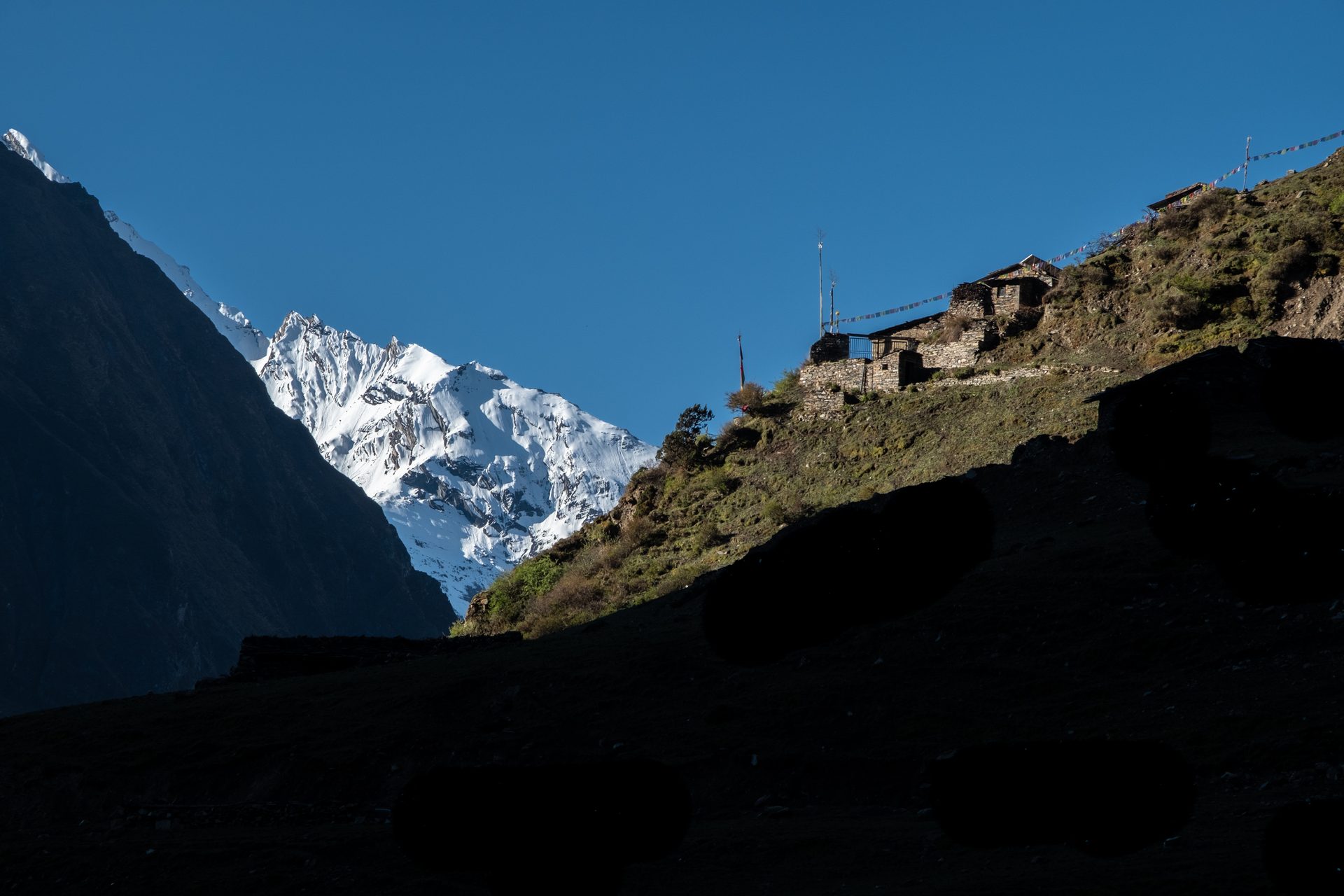
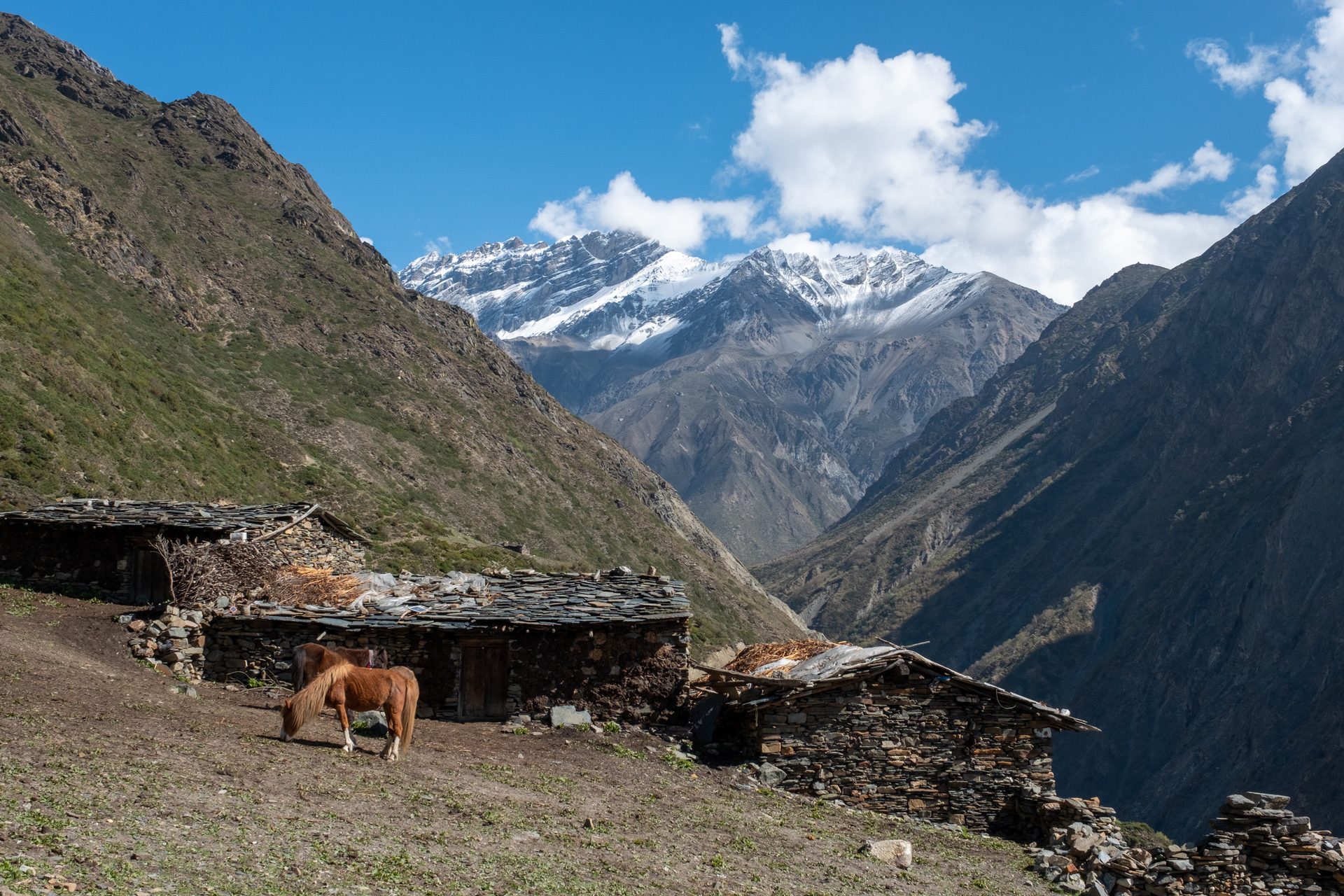
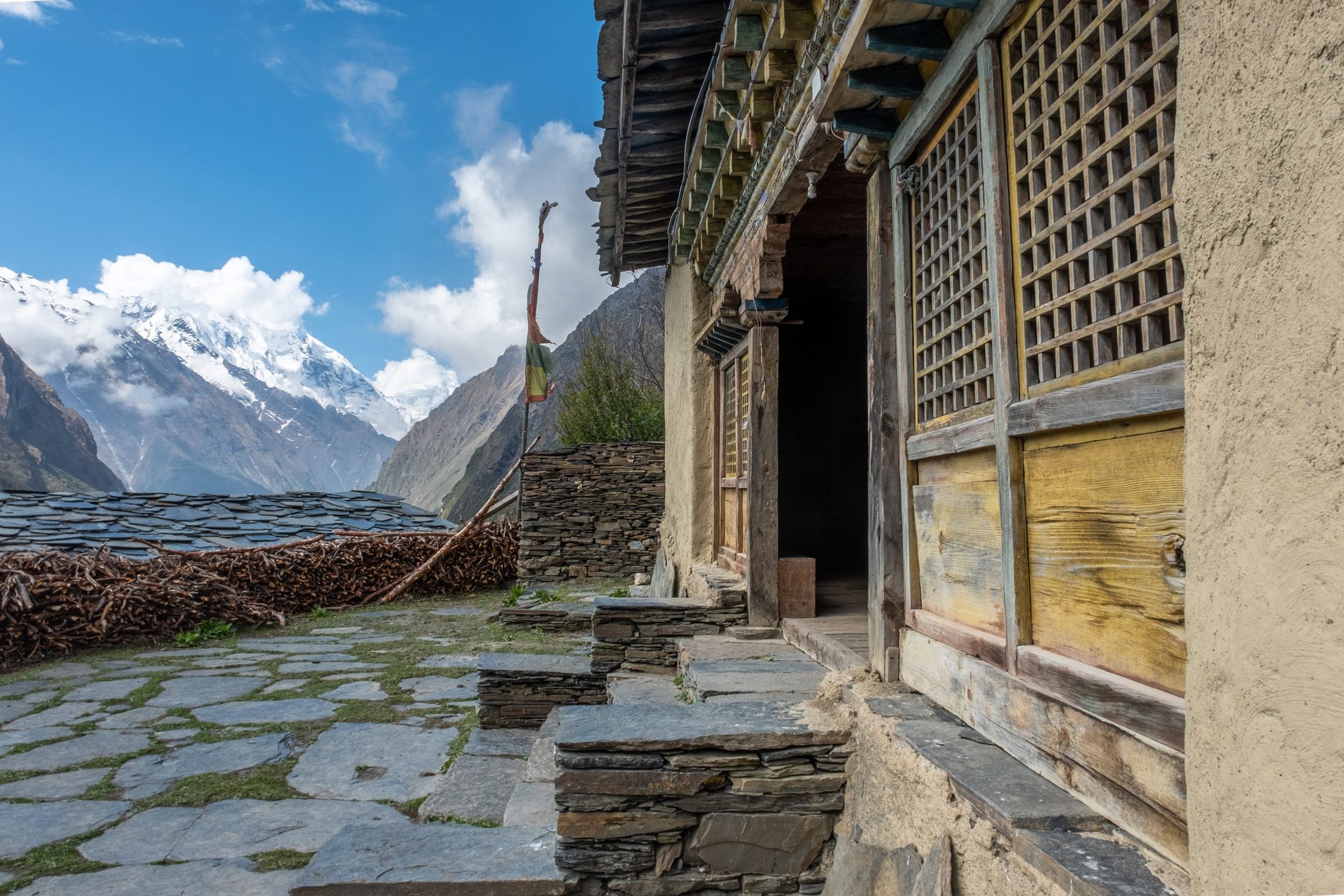
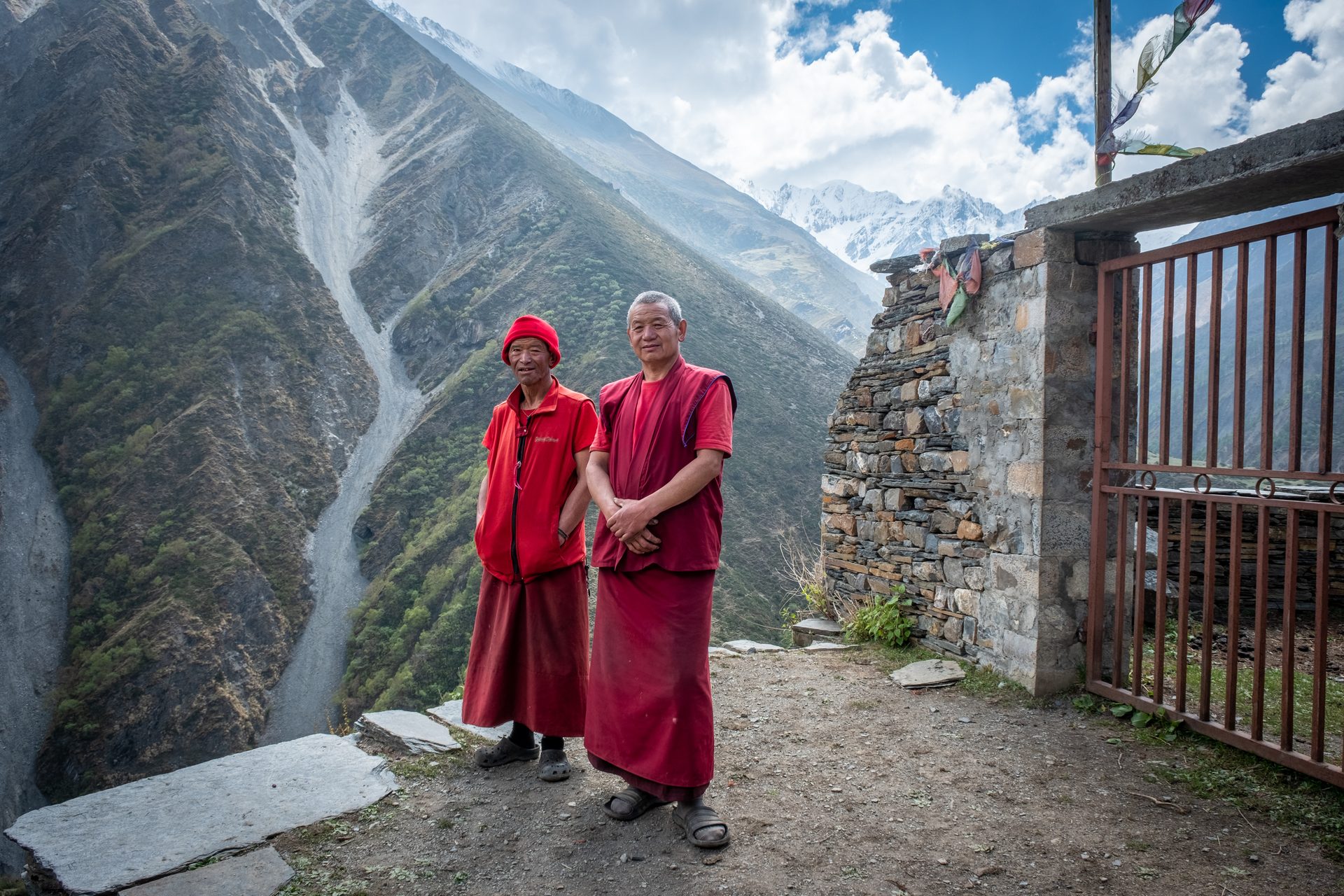
Trek guide
Into the Hidden Highland: Tsum Valley's Wilderness Frontier
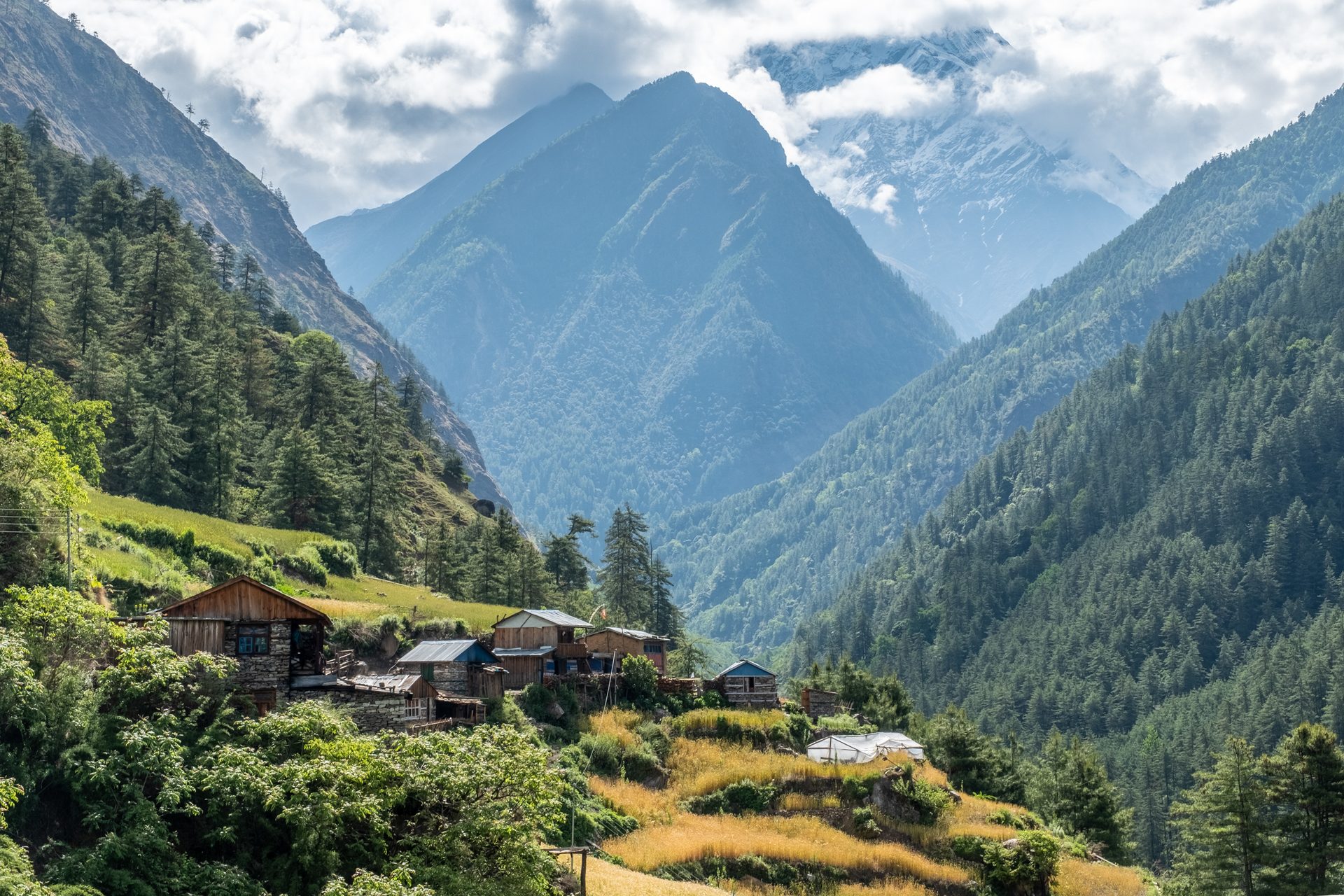
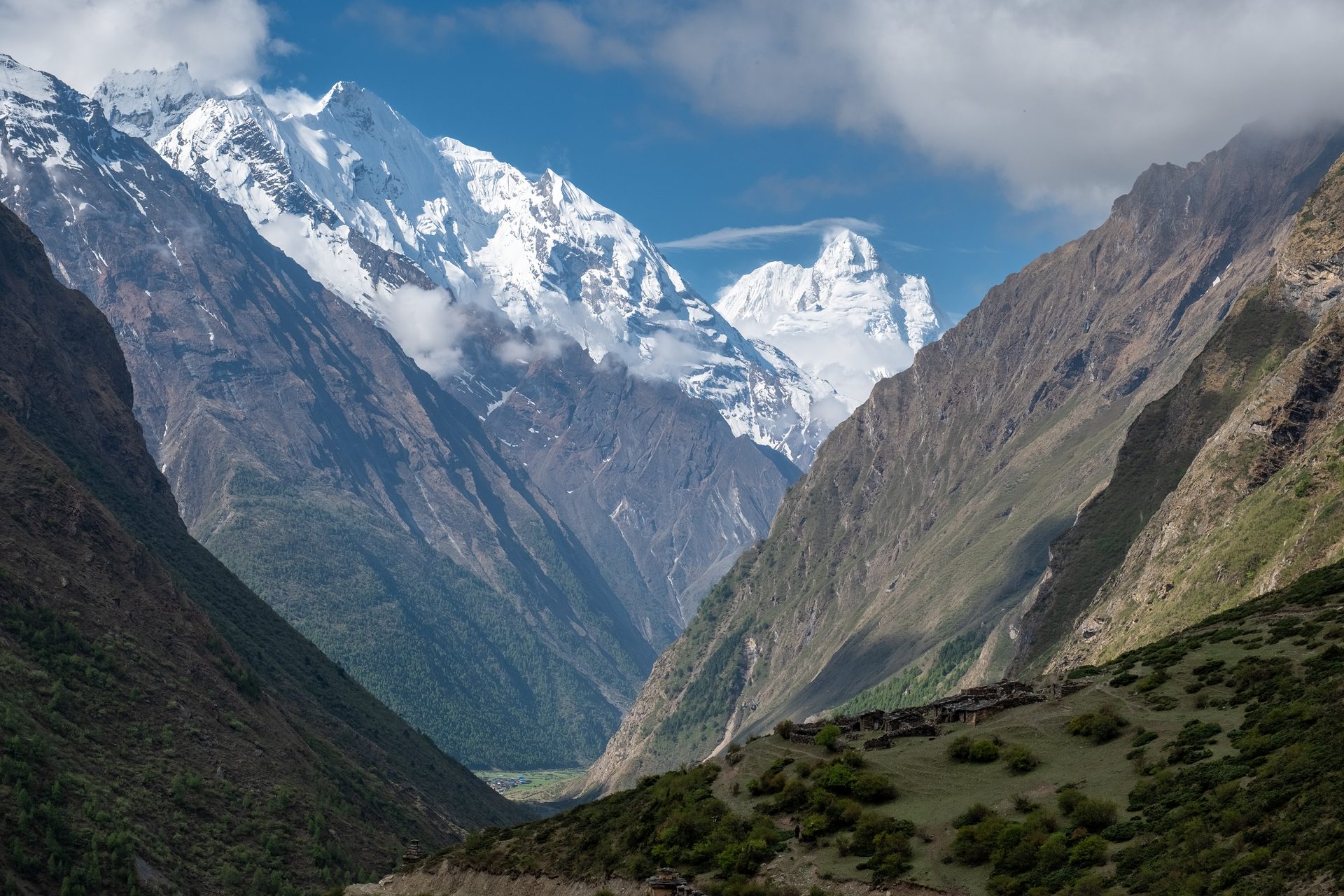
While the standard Tsum Valley treks visit Mu Gompa and turn back, this 21-day expedition continues into terrain that most maps barely show. The Hidden Highland is the high-altitude alpine zone above Upper Tsum, characterized by glacial lakes, yak pastures and ridge-line passes that touch the Tibetan border.
Why Camping?
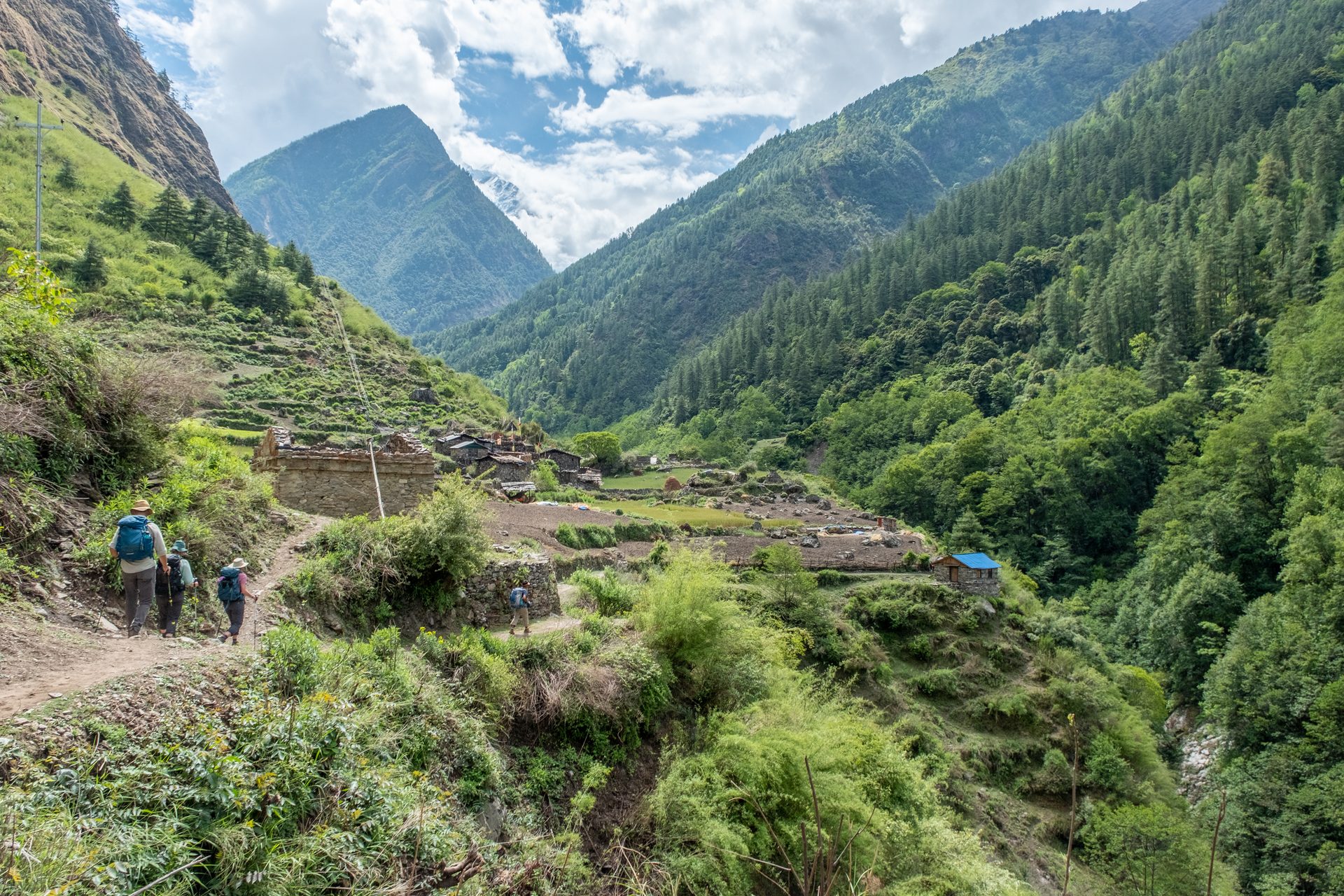
Beyond Mu Gompa there are no teahouses. The route demands a full support camp - dining tent, toilet tent, kitchen tent and individual sleeping tents - moved each day by a team of porters and donkeys. A professional Nepali trekking chef prepares three hot meals each day from fresh and dried provisions, with French-press coffee, soup, snacks and dessert.
Geography of the Highland
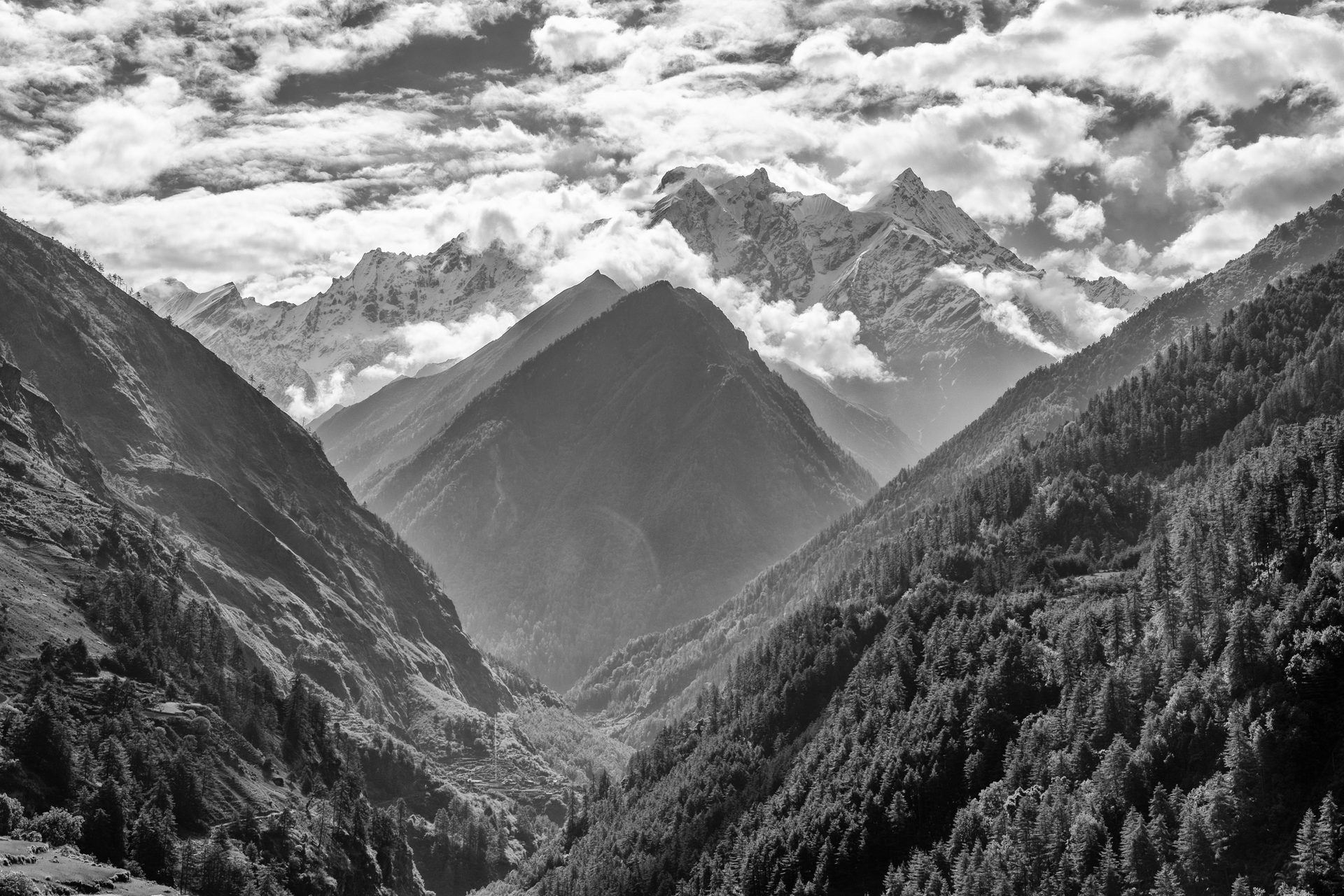
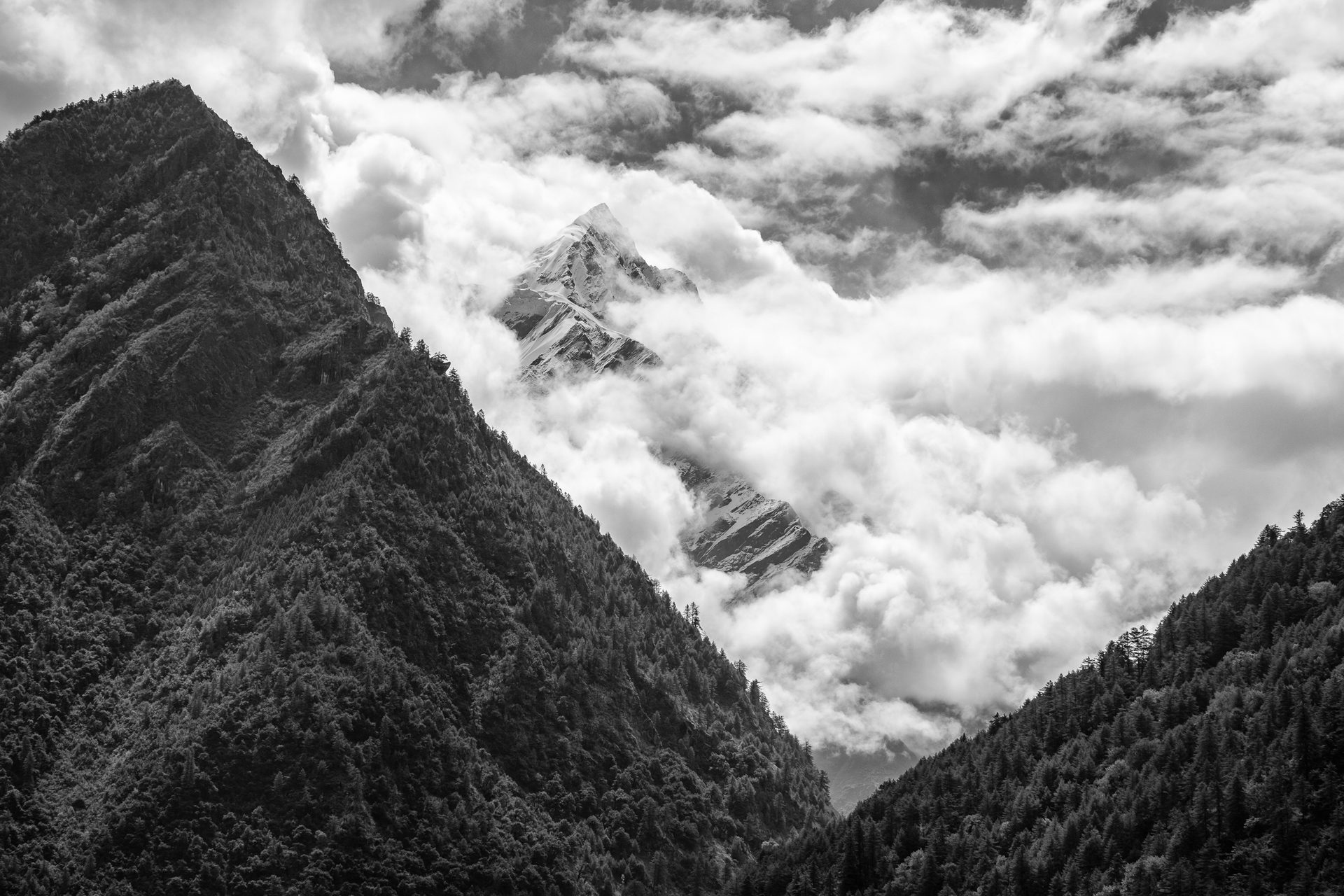
You traverse landscapes ranging from rhododendron forests at 2,000m to alpine tundra at 5,000m+. The two highest passes - Thapla Rokpa (5,104m) and Nyunla Donjyang (5,093m) - cross ridge lines that drop directly to the Tibetan plateau. On clear days you can see the remote Tibetan villages of Nyam and Kunlha Pasang Himal across the border.
Cho Lungcho Lake (4,600m) is among the holiest alpine lakes in the region, ringed by snow peaks and visited annually by local pilgrims. The trail to Chekya and Bajyo passes through abandoned yak summer pastures used only briefly each year.
Permits and Regulations
- Special Restricted Area Permit for Tsum Valley
- Manaslu Conservation Area Project (MCAP) permit
- Minimum group of 2 trekkers and a licensed Nepali guide
Some sections require additional permits coordinated by our office.
Altitude and Acclimatization
This is a high-altitude trek with five days above 4,000m and two summits above 5,000m. Acclimatization is gradual and built into the schedule with rest and side-hike days at Choekang Paro and at the highland camps. We carry oximeters, Diamox and supplemental oxygen, and our guides are trained to recognize and respond to altitude illness.
Fitness Required
This is graded strenuous. You must be in excellent cardiovascular shape with previous high-altitude (4,500m+) experience strongly preferred. Train for at least 4-6 months with long hill walks (8-10 hours), gym strength sessions and altitude practice if accessible.
Best Season
- Late April to early June: Wildflowers and snowmelt; passes generally open by mid-May
- September to mid-October: Crisp skies, dry trails, perfect mountain visibility
Avoid July-August (monsoon) and November-March (snow on the high passes).
Camping Logistics
You sleep in two-person tents on insulated mats. Sleeping bags rated to -20°C are required (rentable in Kathmandu). The dining tent has table and chairs and warm food/drinks at every stop. Toilet tents are erected at each camp - basic but private.
Packing list
Clothing:
- Heavy-duty down jacket rated -20°C
- Down trousers (optional but recommended for pass days)
- Insulated mid-layer (heavyweight fleece)
- Waterproof / windproof hardshell jacket and trousers
- 3 base-layer tops, 2 thermal trousers
- 3-4 trekking shirts and 2 trekking trousers
- 6-7 pairs merino wool socks
- Down beanie, neck buff, sun hat
- Insulated mountaineering gloves and liner gloves
Footwear:
- Sturdy waterproof B1-grade trekking boots
- Camp shoes
- Microspikes/crampons (April/May or October departures)
- Gaiters
Accessories:
- 60L expedition pack
- 90L duffel bag for porter
- Sleeping bag rated -20°C
- Sleeping bag liner
- Inflatable sleeping pad (camp provides foam mat, but extra warmth helps)
- Trekking poles (sturdy aluminum)
- Headlamp + spare headlamp, multiple battery sets
- Glacier-grade sunglasses (Category 4)
- 3L hydration capacity
- Water purification (tablets + filter backup)
- Power bank 20,000+ mAh
- Solar charger (optional)
Documents and Money:
- Passport with Nepal visa
- Travel insurance covering helicopter evacuation at 6,000m
- 6 passport photos
- USD and Nepali rupees in cash
Medical:
- Diamox (essential)
- Personal medical kit
- Sunscreen SPF 50+
- Lip balm SPF 30
- Blister care, painkillers, anti-diarrhoea, broad-spectrum antibiotics
- Hand sanitizer, wet wipes
Frequently asked questions
Do I need previous high-altitude experience for this trek?
Why is this trek more expensive than the standard Tsum treks?
How cold does it get?
Will I have any phone signal or Wi-Fi?
How dangerous are the high passes?
Can I just do part of this trek?
What kind of insurance do I need?
How do bathrooms work in camp?
What happens if weather closes the passes?
How fit do my legs really need to be?
Still have questions? Talk to a guide →
Why book this with us
Senior local guides. Small groups. Honest pricing.
- Departures led by a guide who grew up in the region.
- Max 8 trekkers per group — no convoys.
- 100% Nepali-owned. Profit stays in the valleys.
- Free cancellation up to 30 days before departure.
- Permits, internal flights and TIMS handled by us.
- 24/7 in-country support during your trek.