Tsum Valley · 12 Days
Tsum Valley Classical Trek - 12 Days
Duration
12 Days
Max Altitude
3,735m (12,254 ft)
at Mu Gompa
Grade
Moderate
Lodging
Teahouse / Lodge
Overview
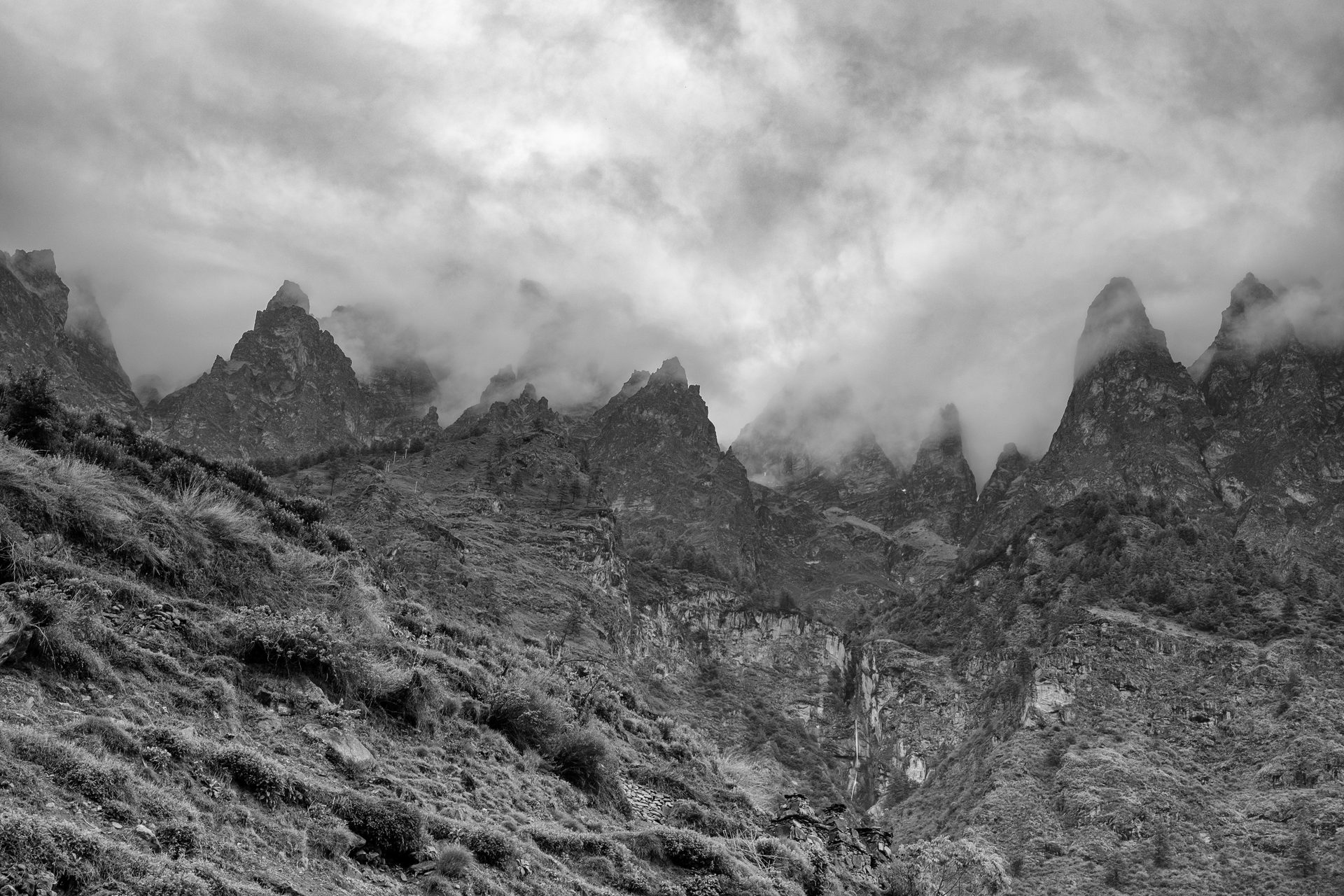
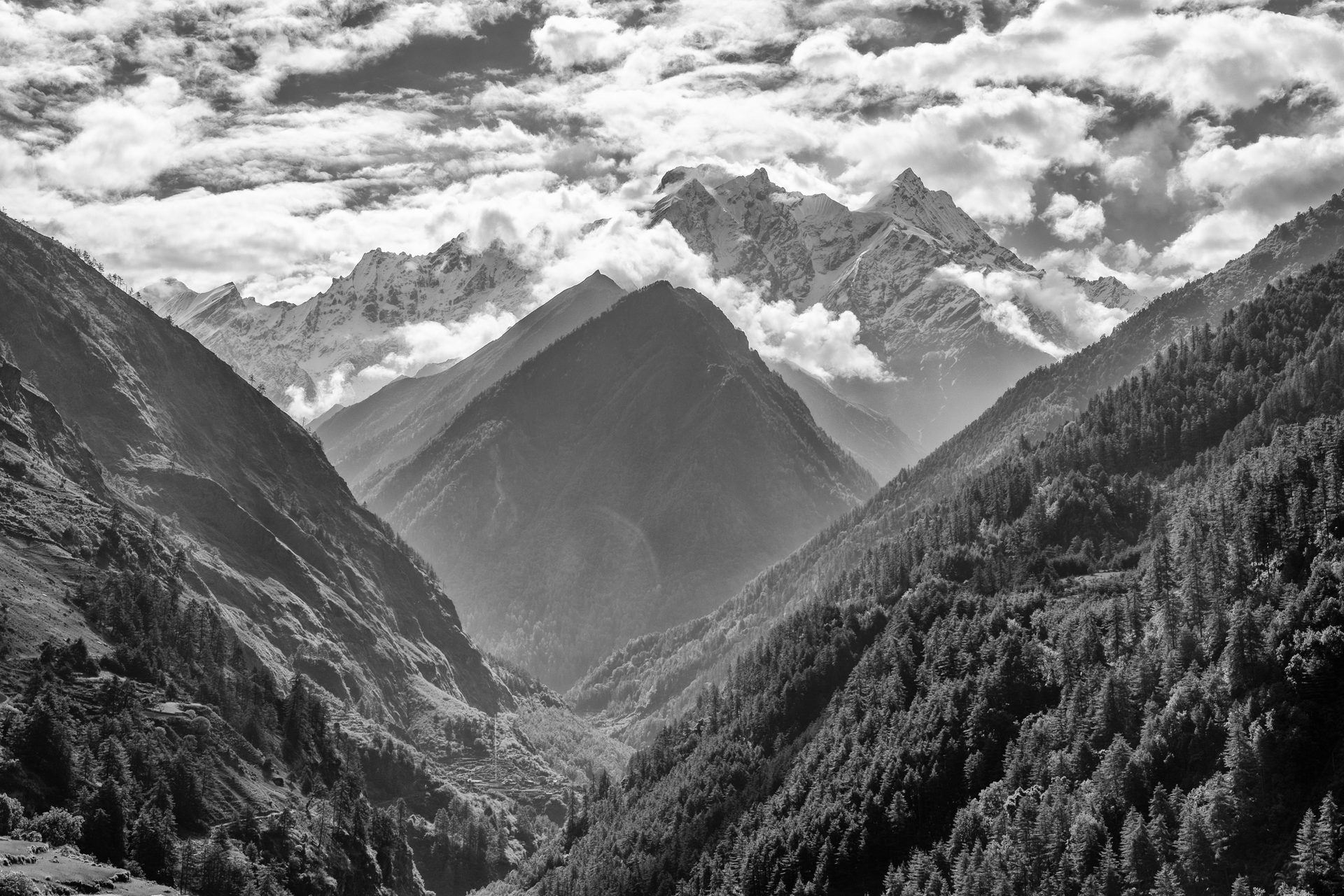
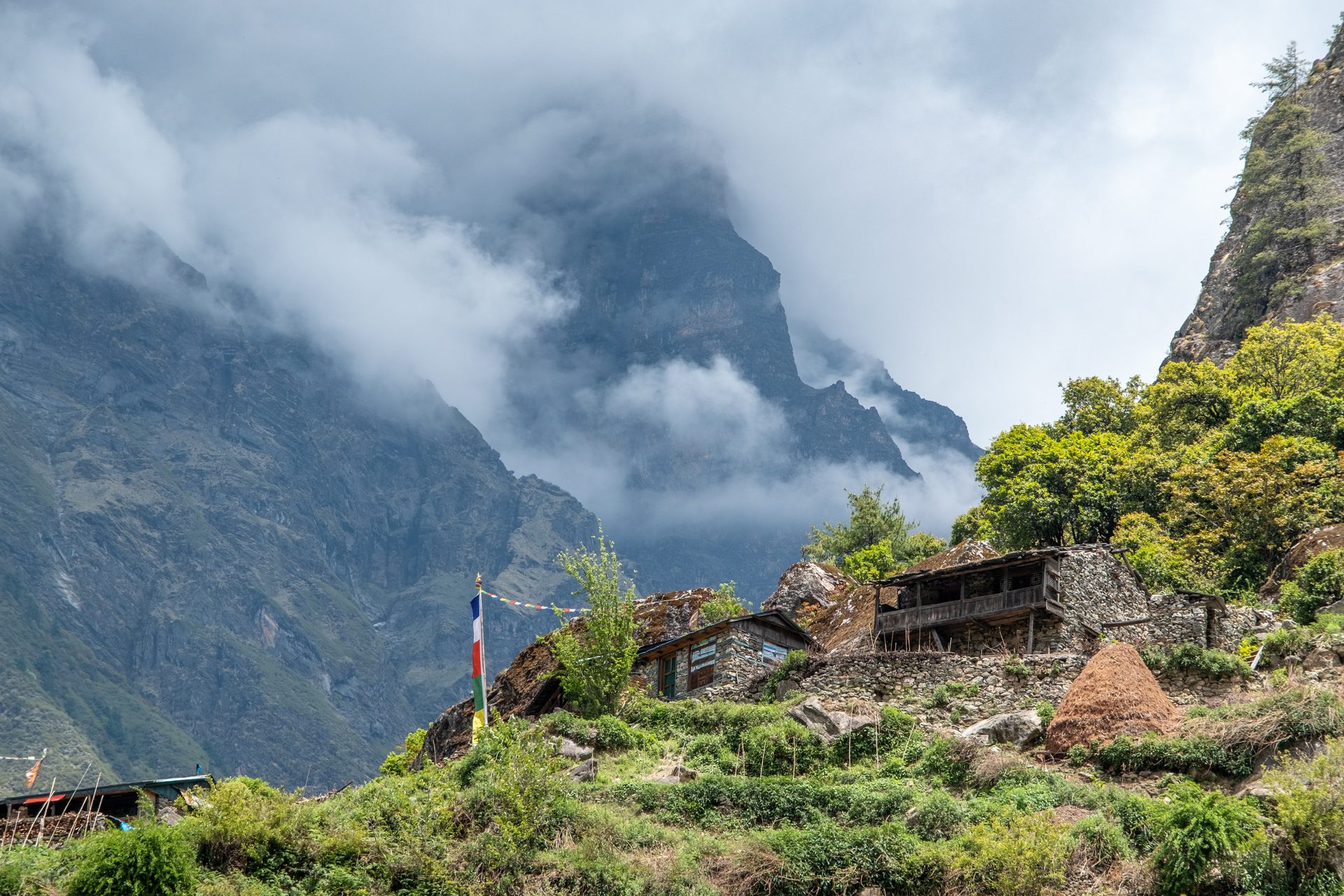
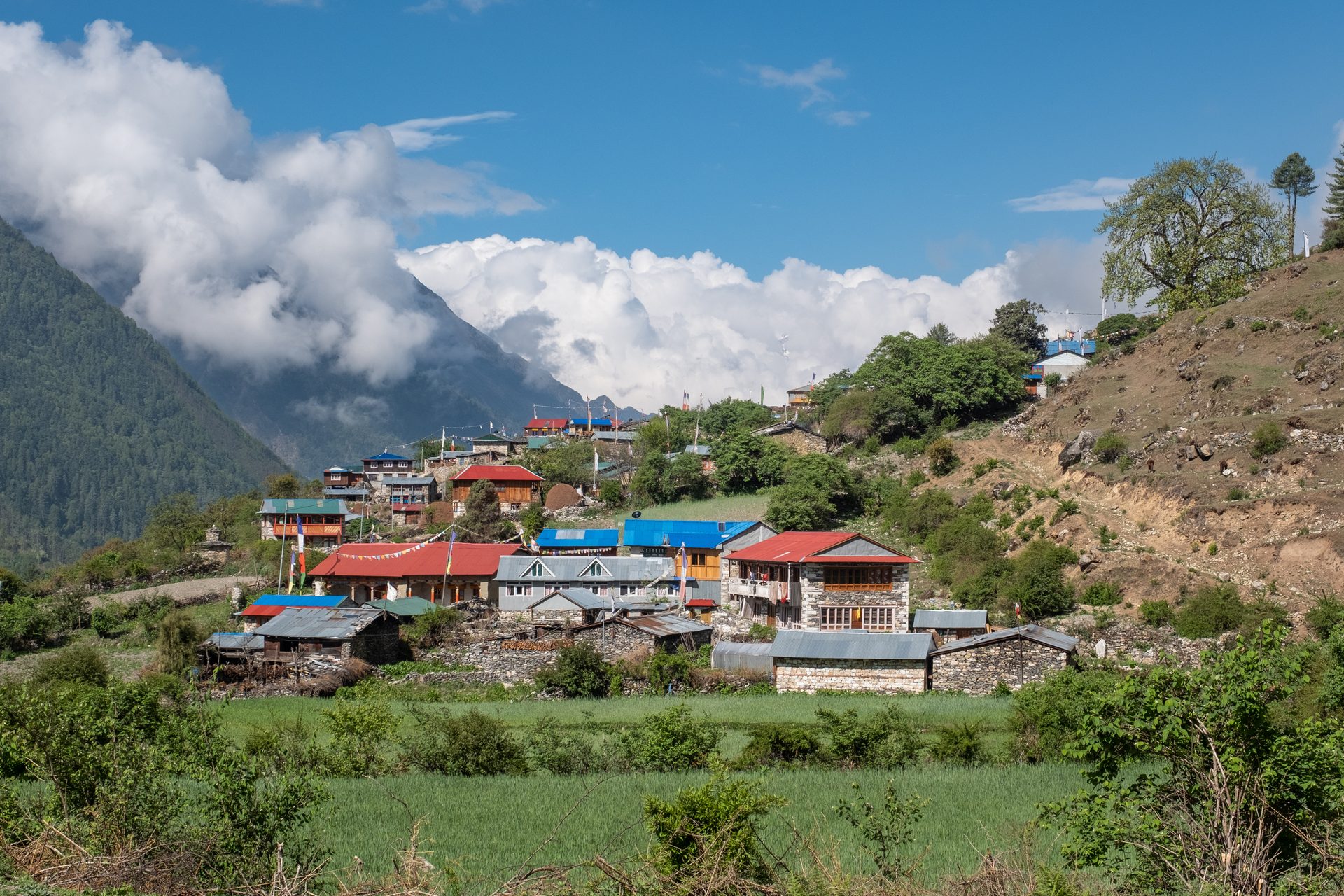
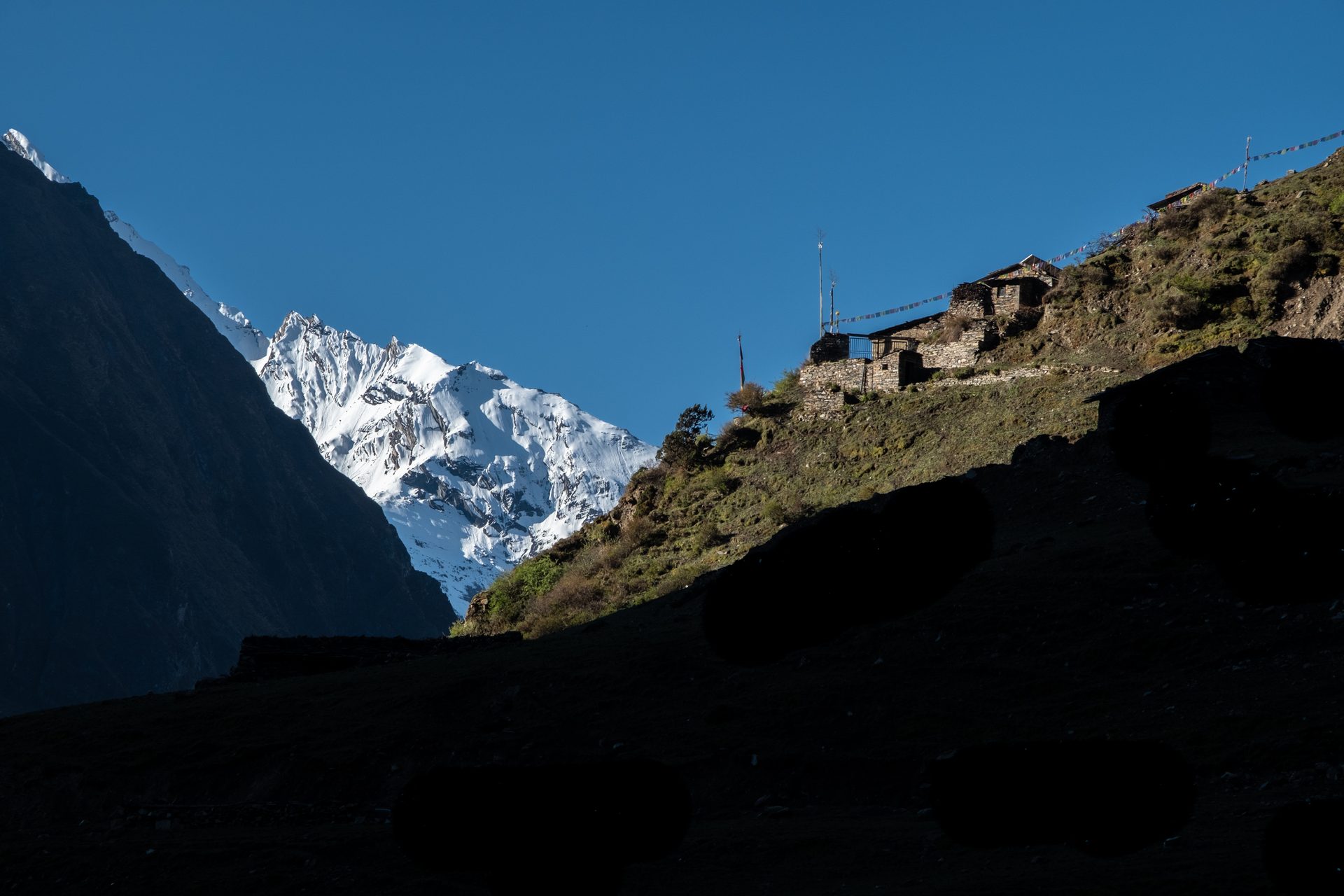
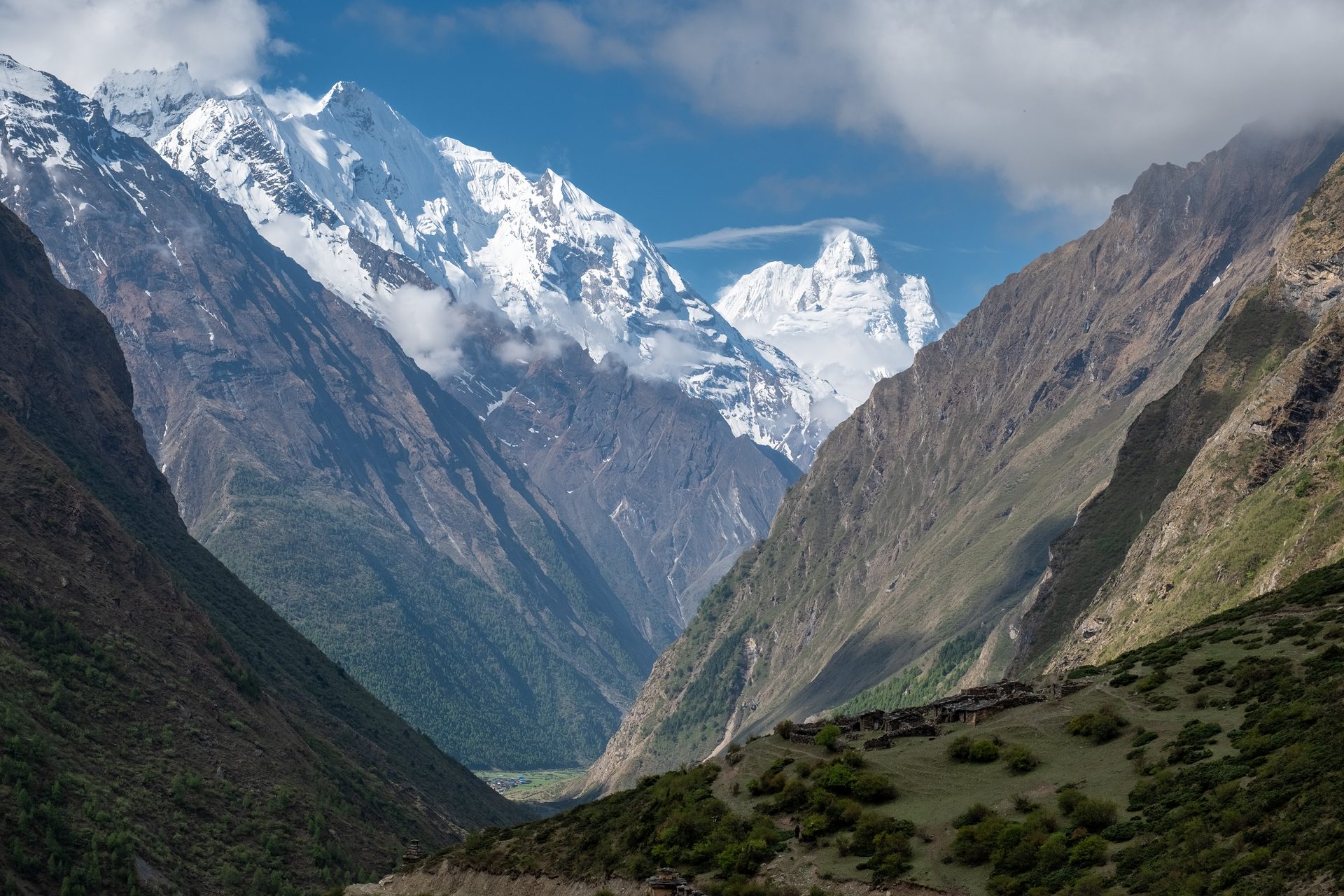
Step into Nepal's best-kept Himalayan secret on the Tsum Valley Classical Trek, a 12-day journey into a hidden valley that remained closed to outsiders until 2008. Tucked against the Tibet border in Upper Gorkha, Tsum Valley is locally known as the "Hidden Visible Shangri-La" - a sacred sanctuary ringed by Ganesh Himal, Shringi Himal and Baudha Himal, where ancient monasteries cling to cliffs and chortens line every bend of the trail.
This is not just another trek in Nepal. It is an immersion into the Tsumpa people's centuries-old Tibetan Buddhist culture, their Shyagya non-violence tradition, and a Himalayan landscape that few Western trekkers have ever walked. Expect daily teahouse comforts, sweeping mountain panoramas, visits to sacred caves of Guru Rinpoche and Milarepa, and quiet evenings under skies that feel close enough to touch.
Designed as the most accessible introduction to the region, this 12-day itinerary balances meaningful acclimatization, cultural depth, and the iconic high points of Upper Tsum - including the legendary Mu Gompa monastery at 3,735 m.
Highlights
- Trek into the restricted "Hidden Valley" that opened to outsiders only in 2008
- Visit Mu Gompa, the ancient monastery and spiritual heart of Upper Tsum Valley
- Witness the sacred Milarepa Cave, where the revered 11th-century Tibetan yogi meditated
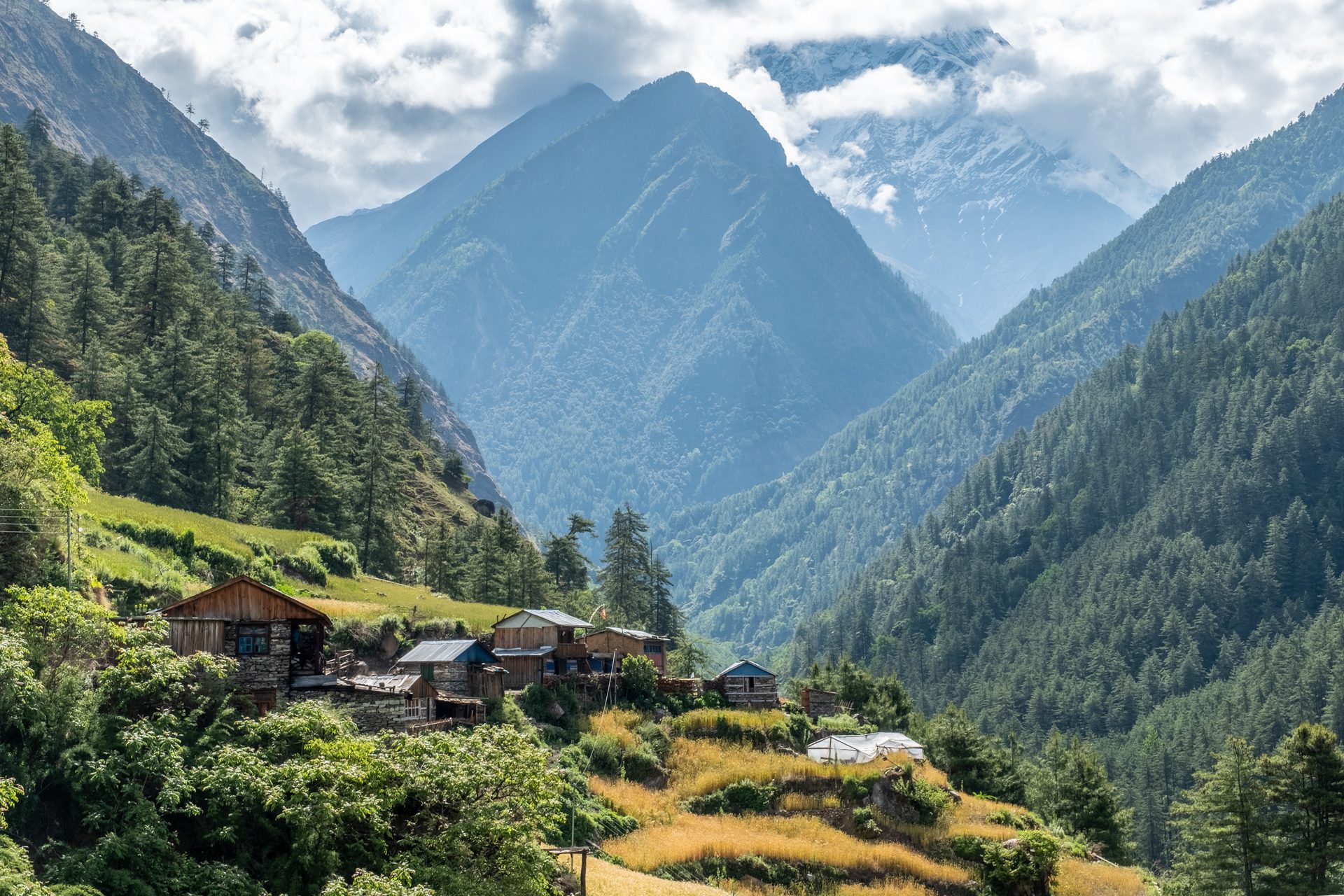
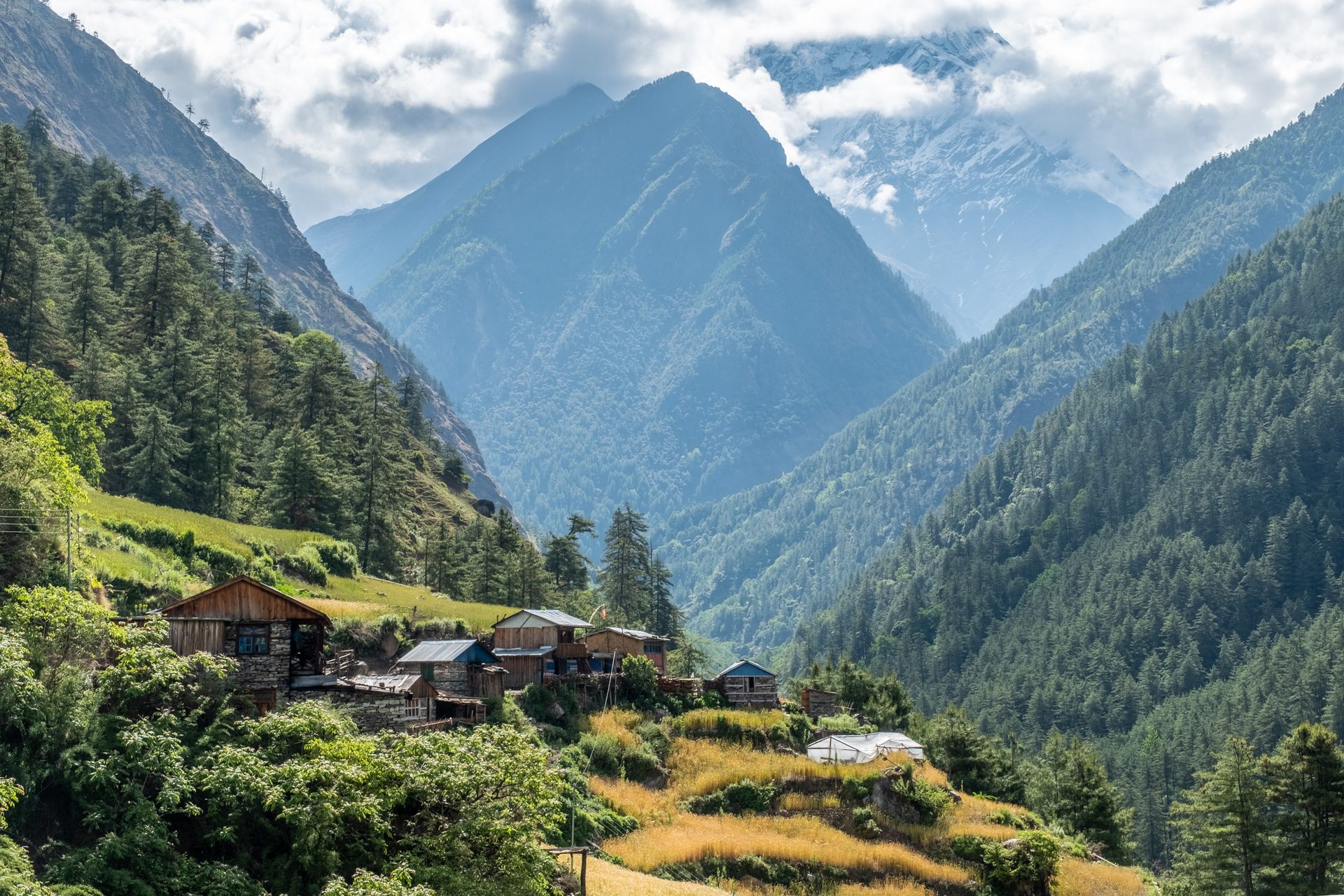
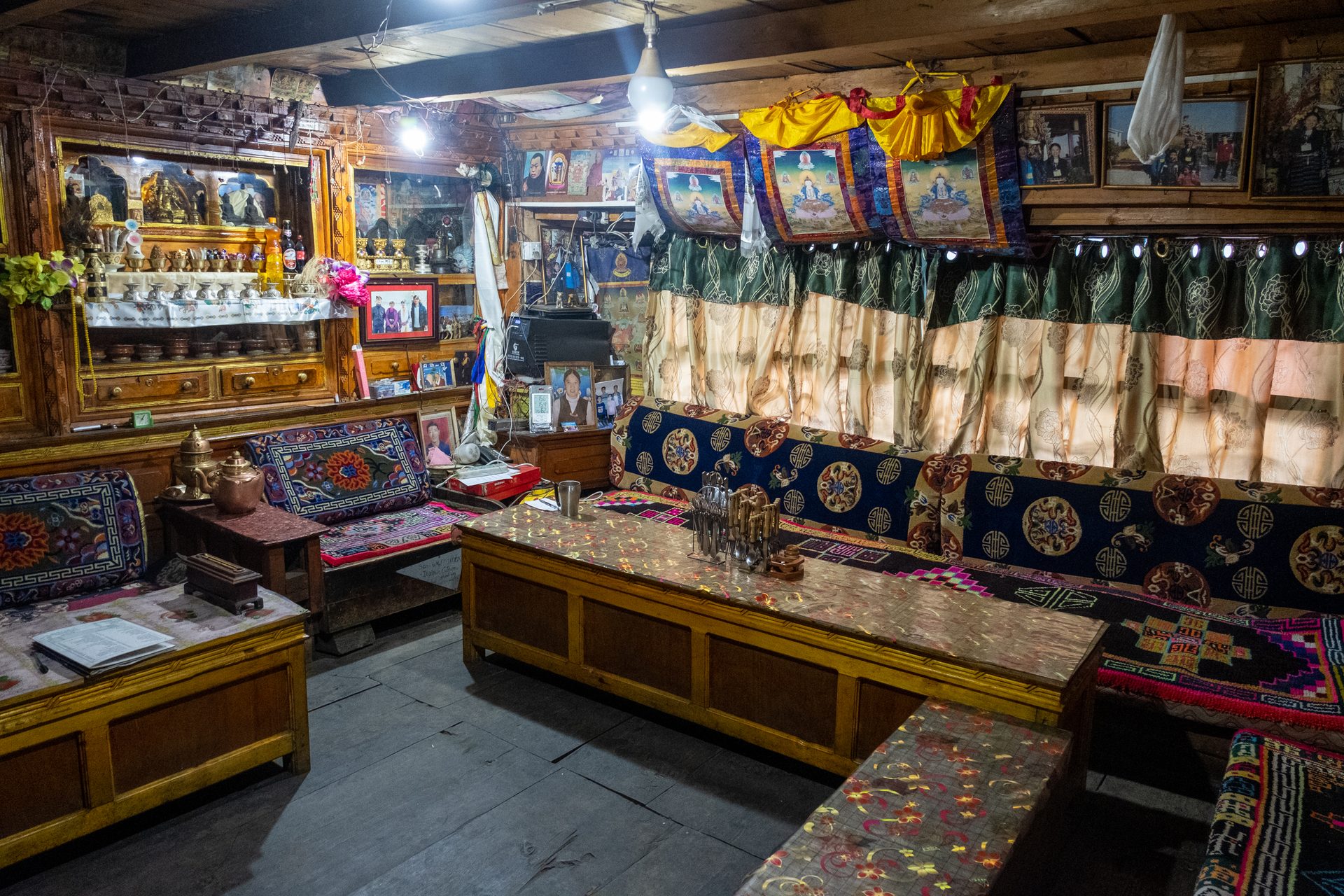
- Spend nights in authentic Tsumpa homestays and bio-hotels owned by local families
- Acclimatization hike to Gaden Gompa with chances to spot Himalayan griffon vultures and Danphe (Himalayan Monal)
- Cross the Manaslu Conservation Area and follow the dramatic Budhi Gandaki River gorge
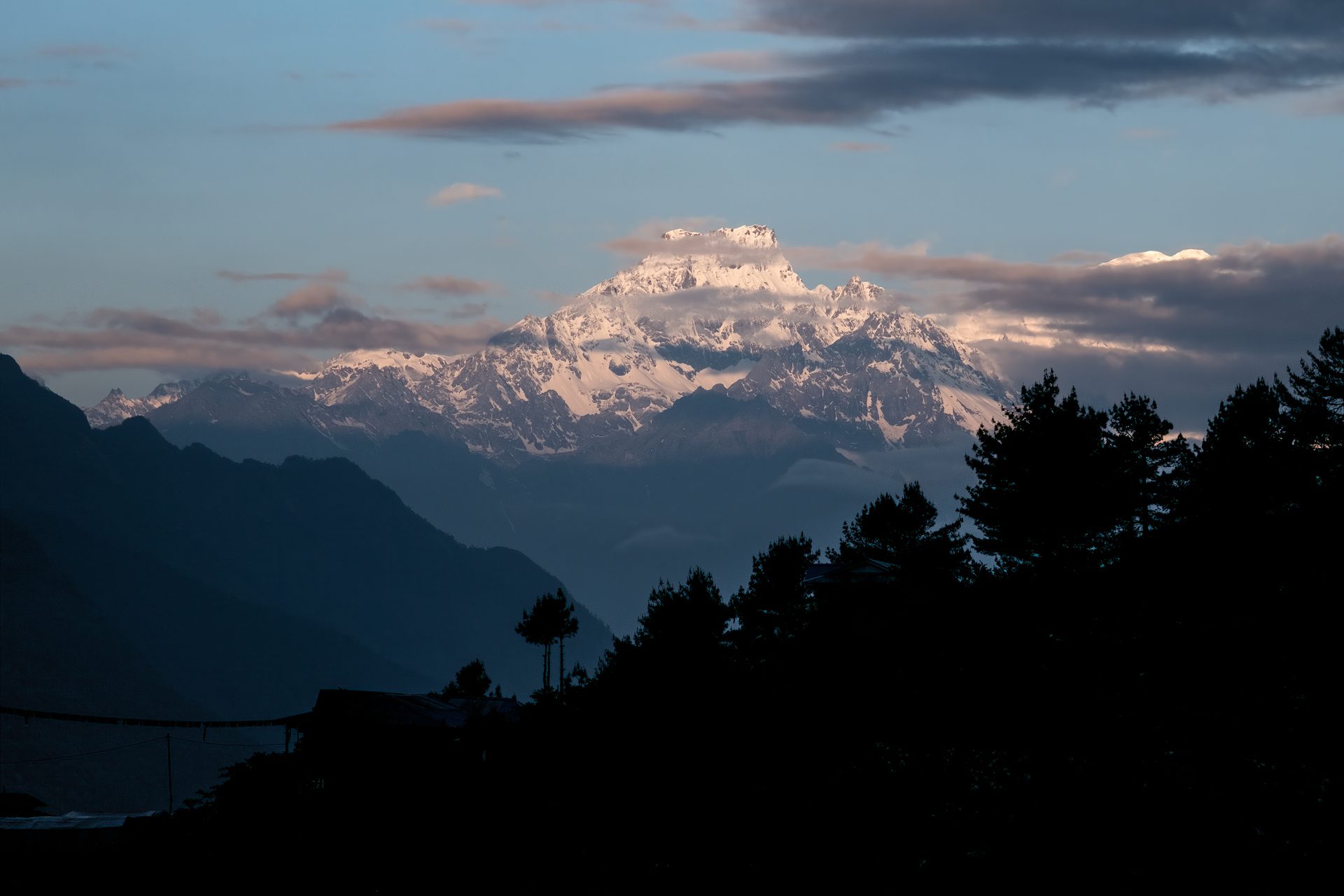
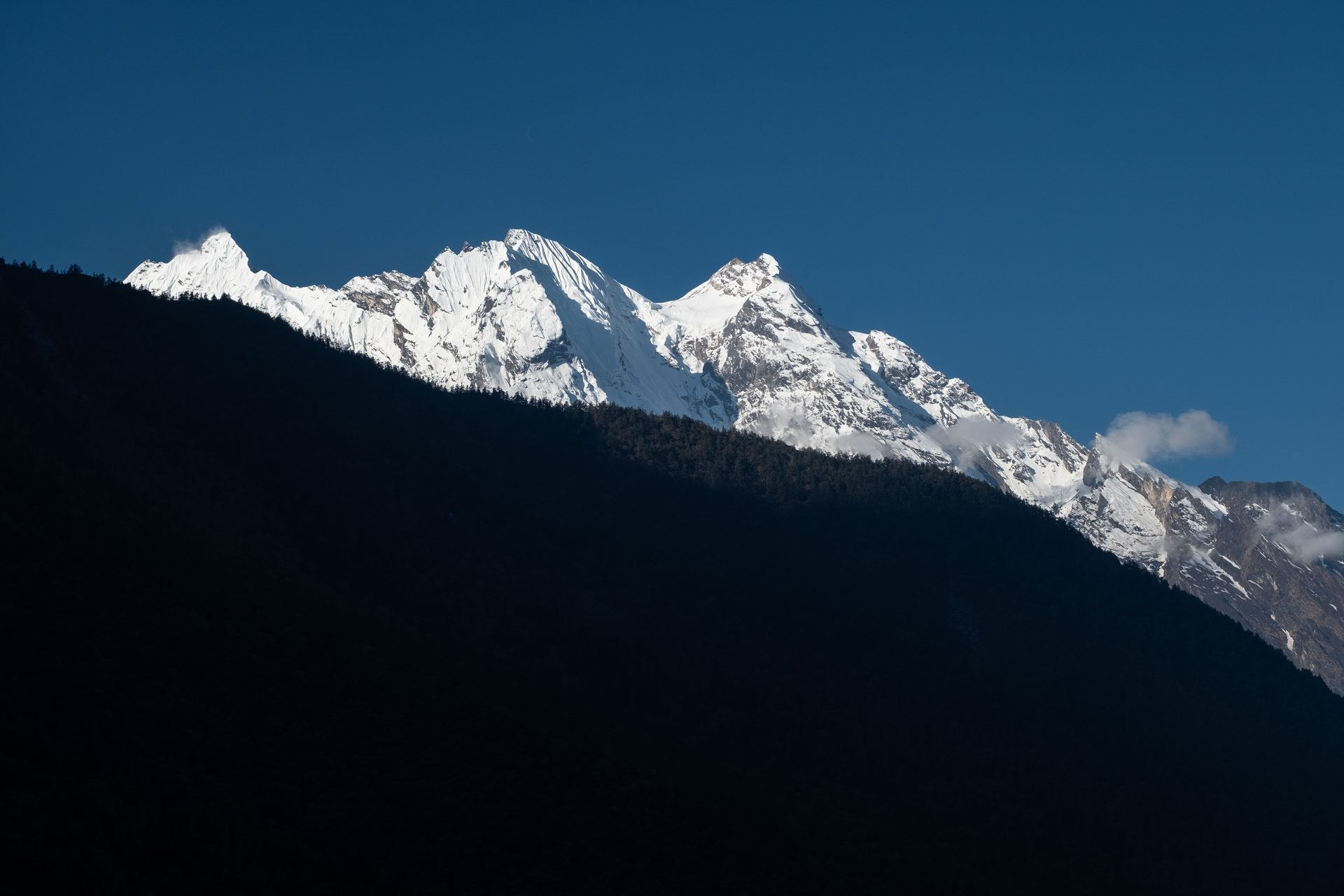
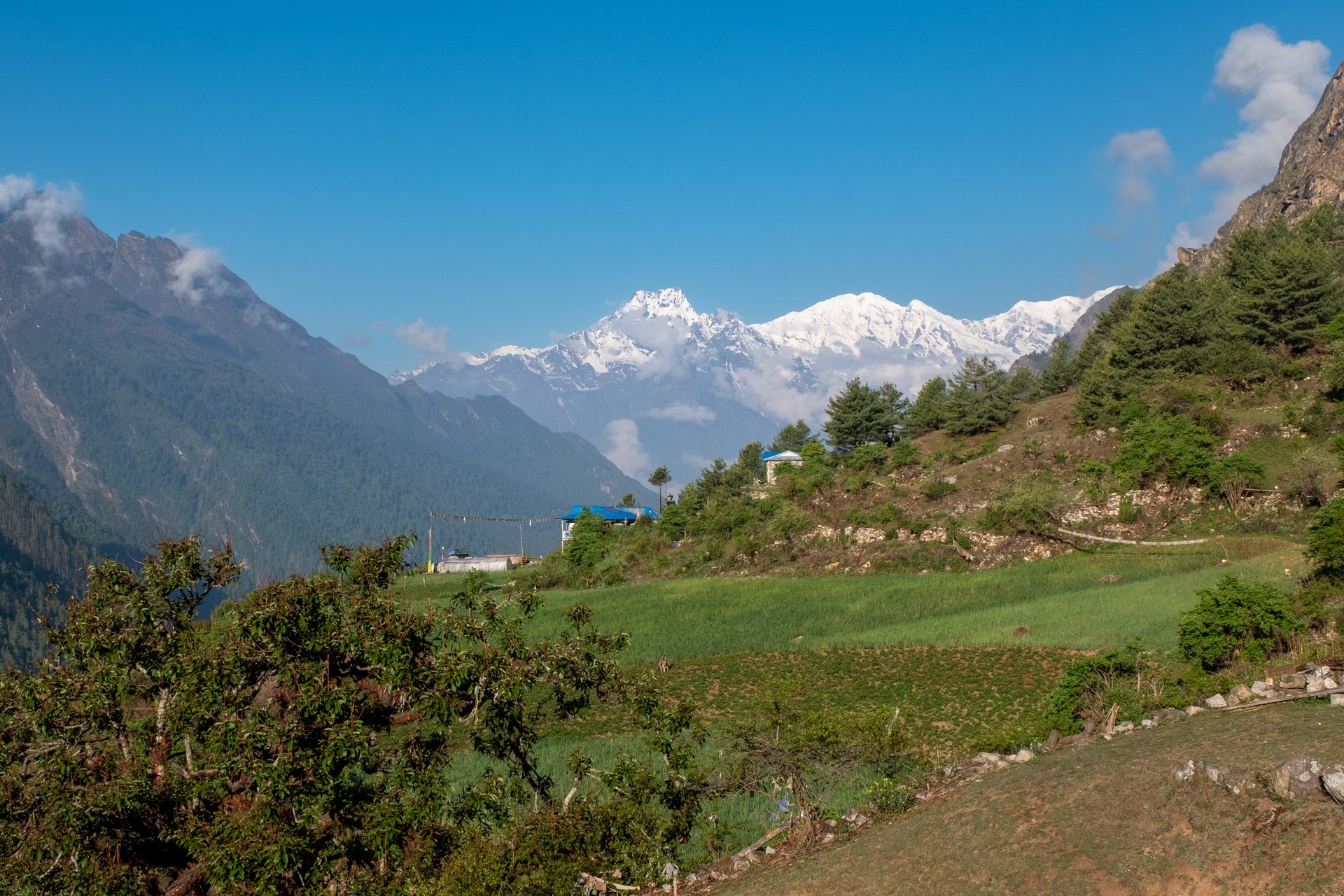
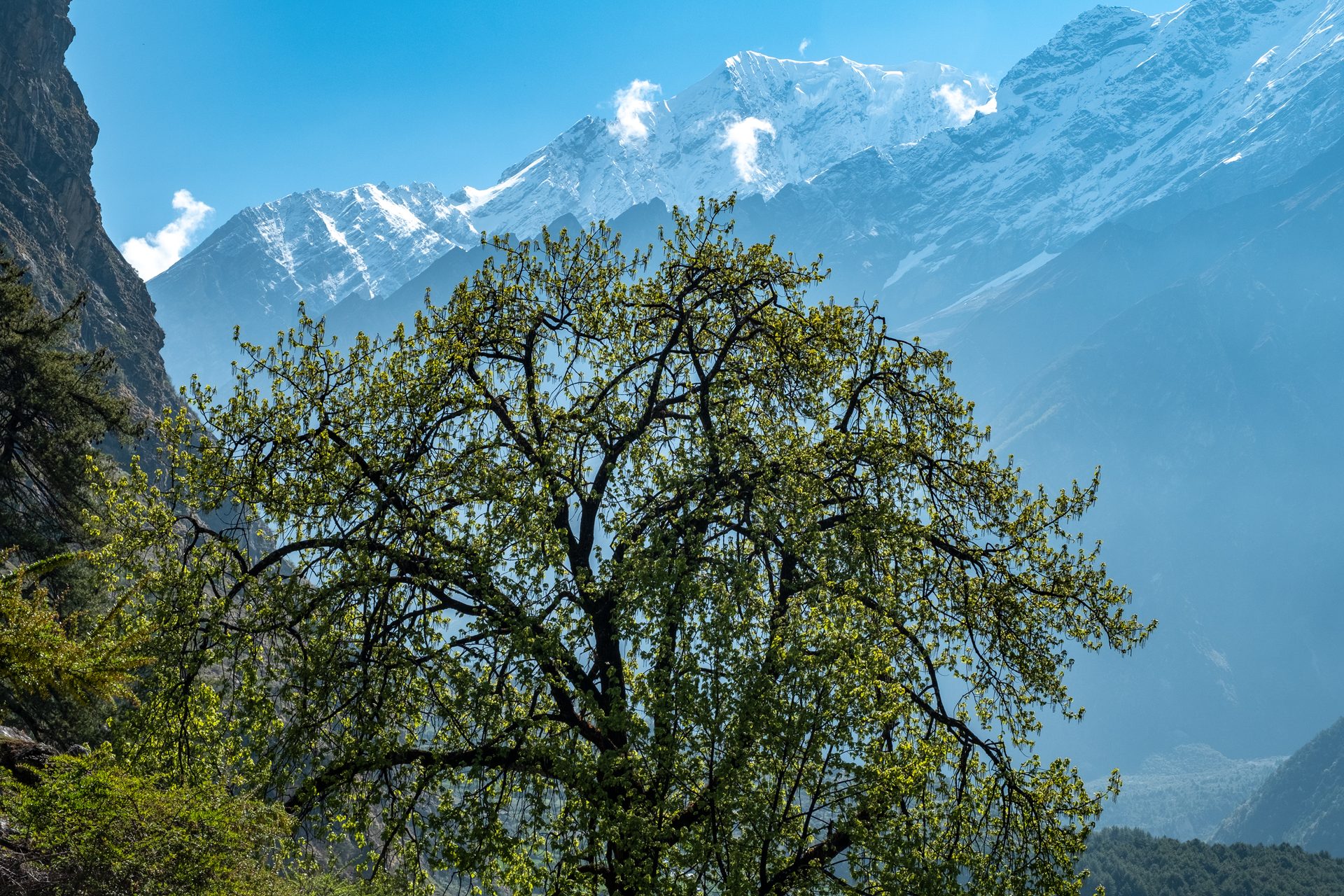
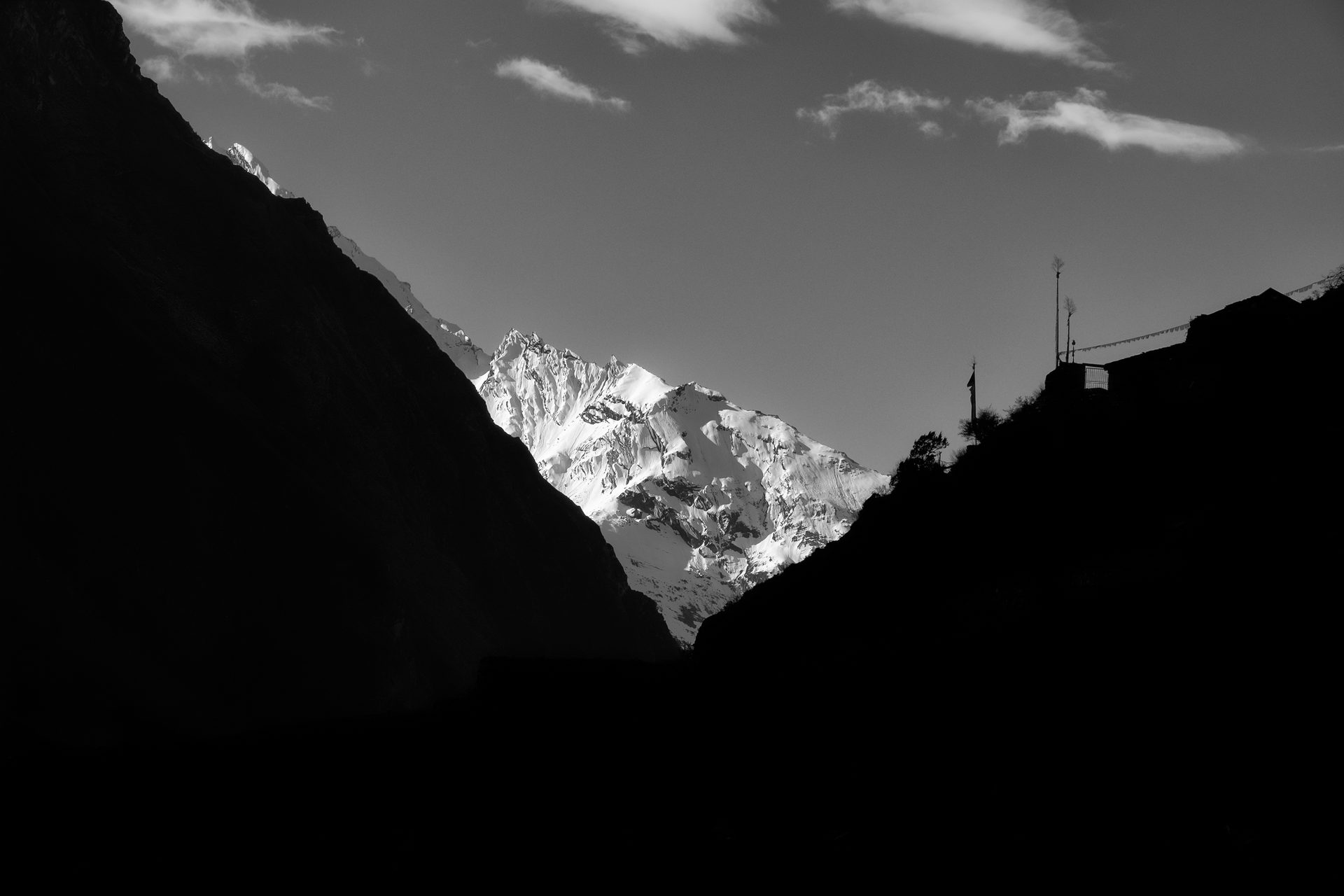
- Panoramic views of Ganesh Himal, Shringi Himal and Baudha Himal ranges
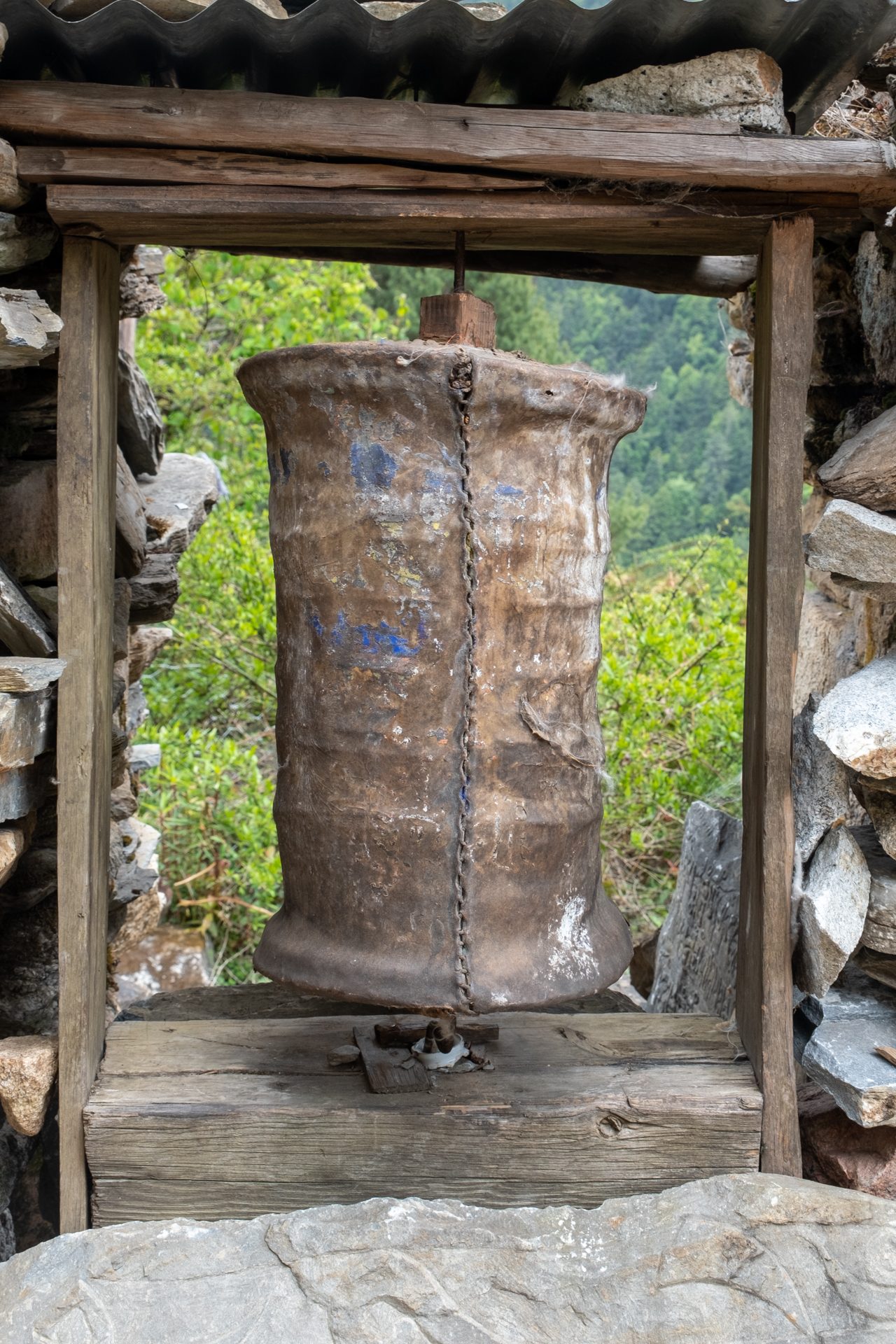
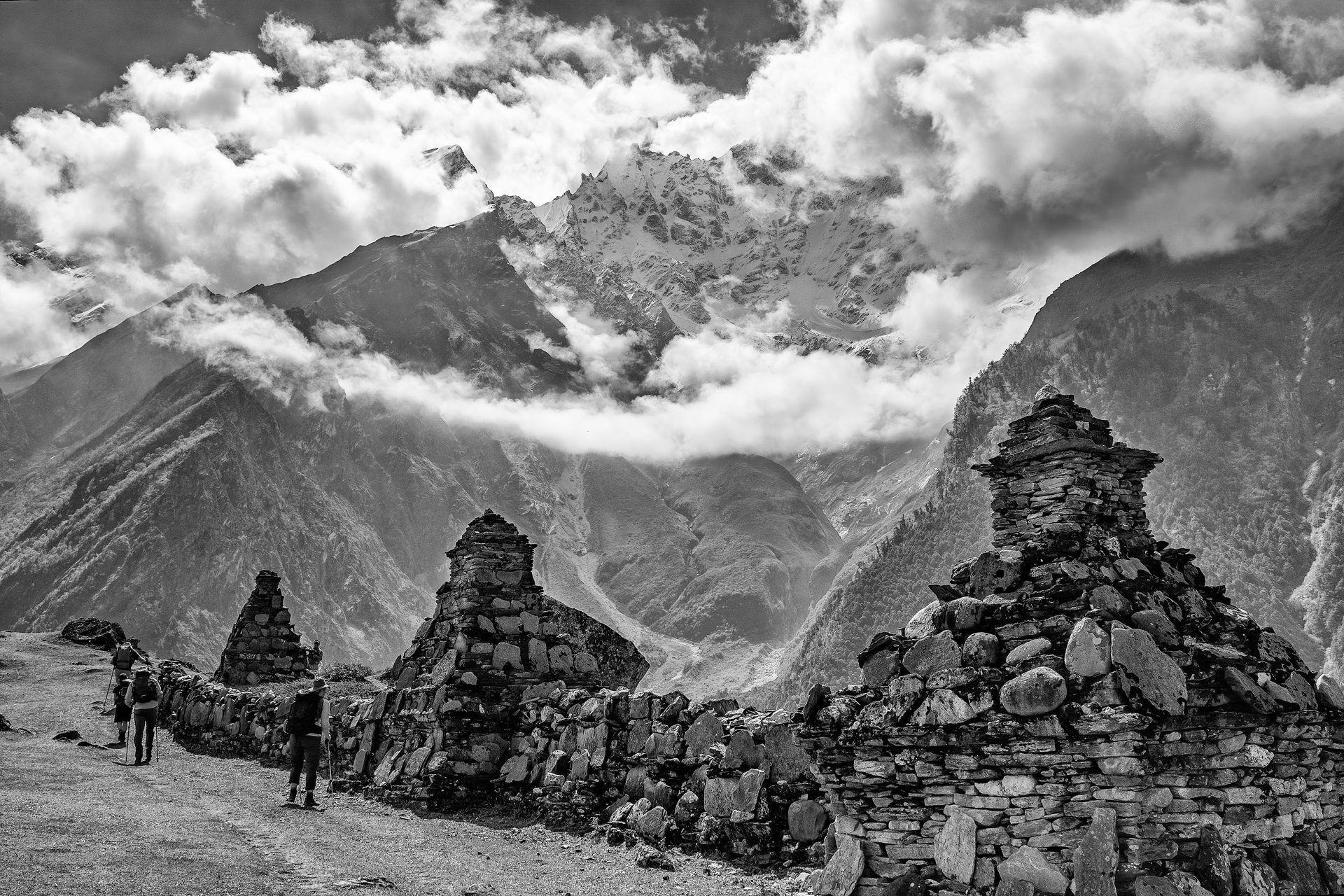
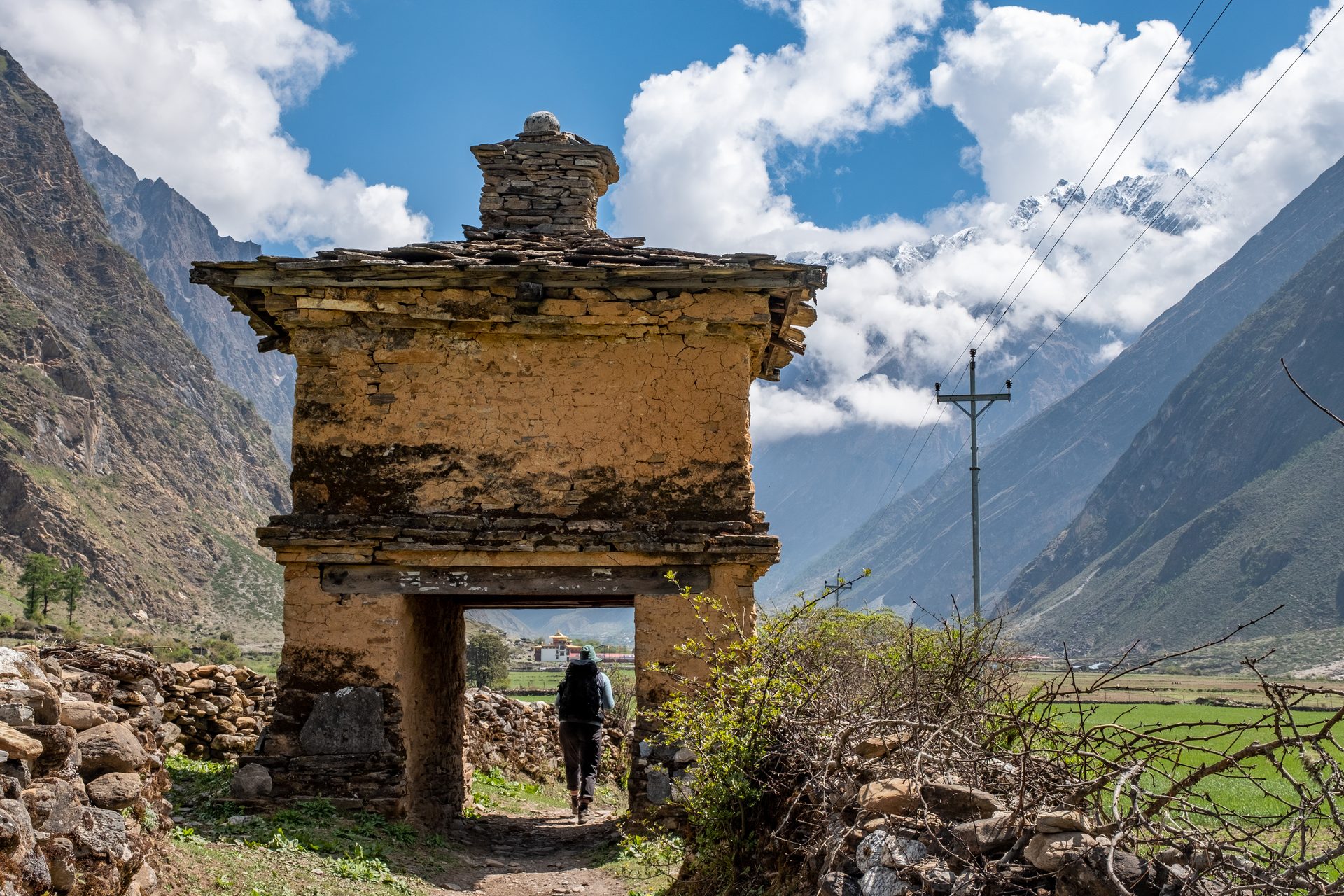
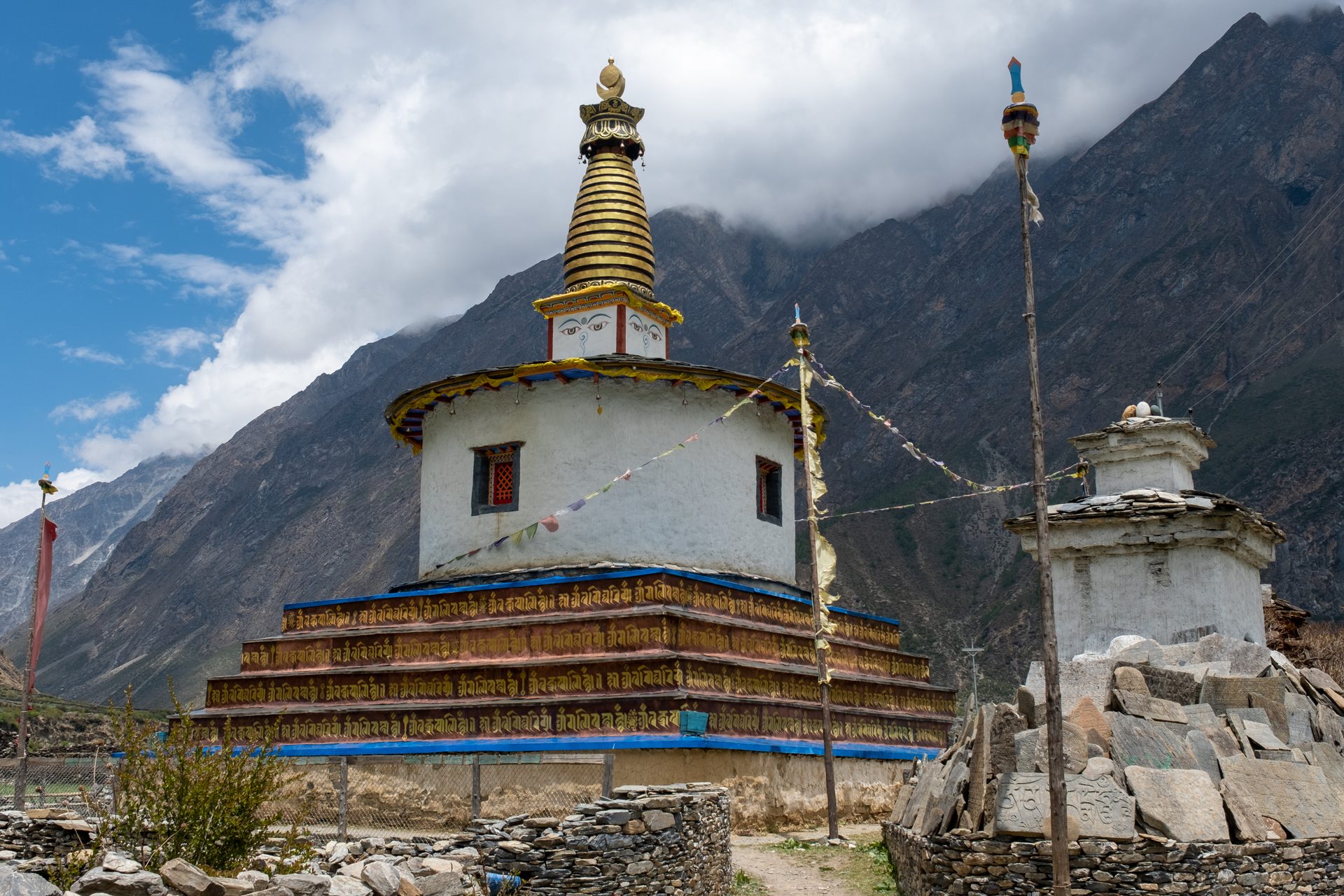
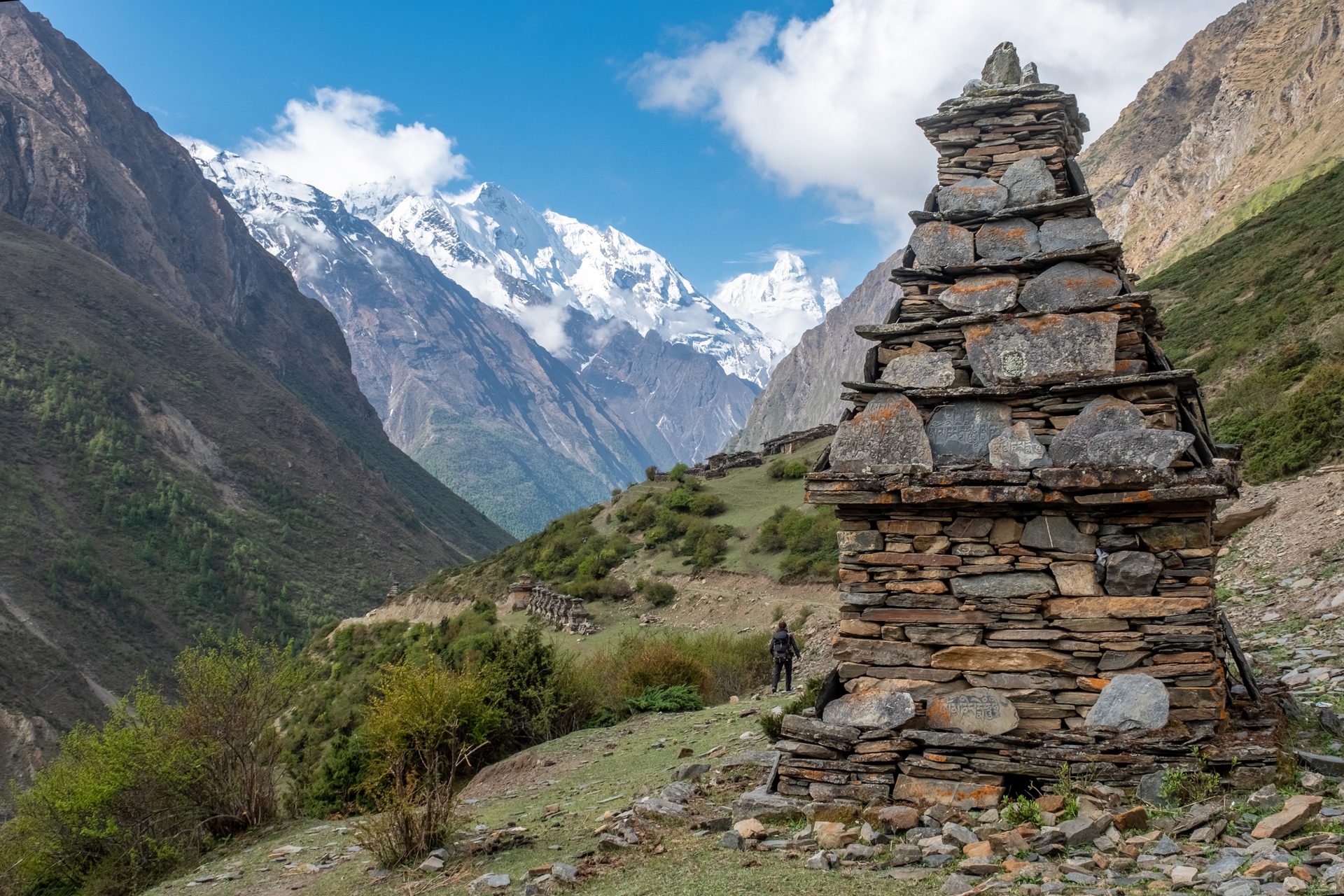
- Walk past hundreds of ancient chortens, mani walls and Bhumpas along the trail
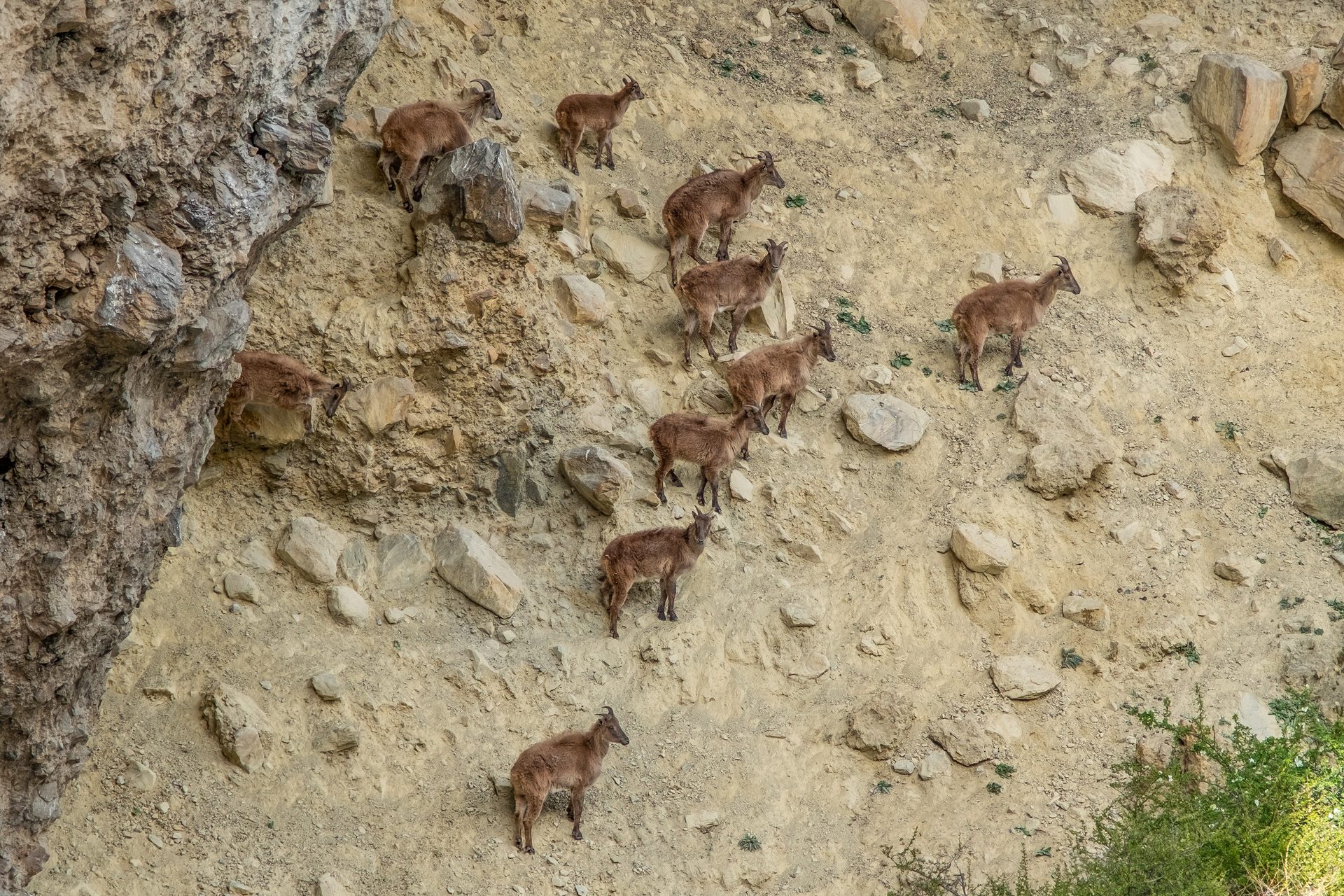
- Experience the Shyagya tradition - the world's only valley where animals are never killed
- Stay in Choekangparo, considered one of Nepal's most beautiful remote villages
Itinerary
Day 1
Kathmandu (1,355m) to Machhakhola (870m)
⏱ 7-8 hours drive
↔ ~170 km
▲ 1,355m (Kathmandu)
🍽 Lunch, Dinner
Day 1
Kathmandu (1,355m) to Machhakhola (870m)
⏱ 7-8 hours drive ↔ ~170 km ▲ 1,355m (Kathmandu) 🍽 Lunch, Dinner
Day 2
Machhakhola to Yaruphant (1,330m)
⏱ 5-6 hours hiking
↔ ~14 km
▲ 1,330m
🍽 Breakfast, Lunch, Dinner
Day 2
Machhakhola to Yaruphant (1,330m)
⏱ 5-6 hours hiking ↔ ~14 km ▲ 1,330m 🍽 Breakfast, Lunch, Dinner
Day 3
Yaruphant to Chisopani (1,600m)
⏱ 4-5 hours hiking
↔ ~12 km
▲ 1,600m
🍽 Breakfast, Lunch, Dinner
Day 3
Yaruphant to Chisopani (1,600m)
⏱ 4-5 hours hiking ↔ ~12 km ▲ 1,600m 🍽 Breakfast, Lunch, Dinner
Day 4
Chisopani to Chumling (2,386m)
⏱ 7-8 hours hiking
↔ ~10 km
▲ 2,386m
🍽 Breakfast, Lunch, Dinner
Day 4
Chisopani to Chumling (2,386m)
⏱ 7-8 hours hiking ↔ ~10 km ▲ 2,386m 🍽 Breakfast, Lunch, Dinner
Day 5
Chumling to Choekangparo (3,045m)
⏱ 5-6 hours hiking
↔ ~12 km
▲ 3,045m
🍽 Breakfast, Lunch, Dinner
Day 5
Chumling to Choekangparo (3,045m)
⏱ 5-6 hours hiking ↔ ~12 km ▲ 3,045m 🍽 Breakfast, Lunch, Dinner
Day 6
Rest Day at Choekangparo - Acclimatization
⏱ 3 hours hiking
↔ ~6 km round trip
▲ 3,300m (Gaden Gompa)
🍽 Breakfast, Lunch, Dinner
Day 6
Rest Day at Choekangparo - Acclimatization
⏱ 3 hours hiking ↔ ~6 km round trip ▲ 3,300m (Gaden Gompa) 🍽 Breakfast, Lunch, Dinner
Day 7
Choekangparo to Nyiloe (3,361m)
⏱ 7 hours hiking
↔ ~10 km
▲ 3,361m
🍽 Breakfast, Lunch, Dinner
Day 7
Choekangparo to Nyiloe (3,361m)
⏱ 7 hours hiking ↔ ~10 km ▲ 3,361m 🍽 Breakfast, Lunch, Dinner
Day 8
Nyiloe to Mu Gompa (3,735m) and Return to Choekangparo
⏱ 8 hours hiking
↔ ~16 km
▲ 3,735m
🍽 Breakfast, Lunch, Dinner
Day 8
Nyiloe to Mu Gompa (3,735m) and Return to Choekangparo
⏱ 8 hours hiking ↔ ~16 km ▲ 3,735m 🍽 Breakfast, Lunch, Dinner
Day 9
Choekangparo to Chumling
⏱ 4 hours hiking
↔ ~12 km
▲ 3,045m
🍽 Breakfast, Lunch, Dinner
Day 9
Choekangparo to Chumling
⏱ 4 hours hiking ↔ ~12 km ▲ 3,045m 🍽 Breakfast, Lunch, Dinner
Day 10
Chumling to Philim (1,590m)
⏱ 8 hours hiking
↔ ~14 km
▲ 2,386m
🍽 Breakfast, Lunch, Dinner
Day 10
Chumling to Philim (1,590m)
⏱ 8 hours hiking ↔ ~14 km ▲ 2,386m 🍽 Breakfast, Lunch, Dinner
Day 11
Philim to Machhakhola
⏱ 7 hours hiking
↔ ~16 km
▲ 1,600m
🍽 Breakfast, Lunch, Dinner
Day 11
Philim to Machhakhola
⏱ 7 hours hiking ↔ ~16 km ▲ 1,600m 🍽 Breakfast, Lunch, Dinner
Day 12
Machhakhola to Kathmandu
⏱ 8 hours drive
↔ ~170 km
▲ 1,355m
🍽 Breakfast, Lunch
Day 12
Machhakhola to Kathmandu
⏱ 8 hours drive ↔ ~170 km ▲ 1,355m 🍽 Breakfast, Lunch
Ready to walk this?
Enquire now →What's included
Included
- All meals (breakfast, lunch, dinner and snack tea) in clean, hygienic teahouses and kitchens during the trek
- Single-room accommodation in pre-booked clean lodges throughout the trek
- Experienced, licensed English-speaking trekking guide (food, accommodation, salary, equipment and insurance included)
- Porter service: 1 porter for every 2 trekkers, with insurance included
- Private jeep transportation from Kathmandu to Machhakhola and return
- Special restricted area permit for Tsum Valley
- Manaslu Conservation Area Project (MCAP) permit
- Comprehensive first aid medical kit
- All government taxes and office service charges
- Arrangement of helicopter evacuation in emergencies (covered by your insurance)
Not included
- International flights to and from Nepal
- Nepal visa fees
- Travel and medical insurance (mandatory)
- Hotel stays and meals in Kathmandu
- Hard drinks, soft drinks (Coke, Fanta, etc.)
- Personal trekking equipment
- Personal expenses, Wi-Fi, hot showers in lodges
- Tips for guide, porter and drivers
- Anything not mentioned in inclusions
Gallery
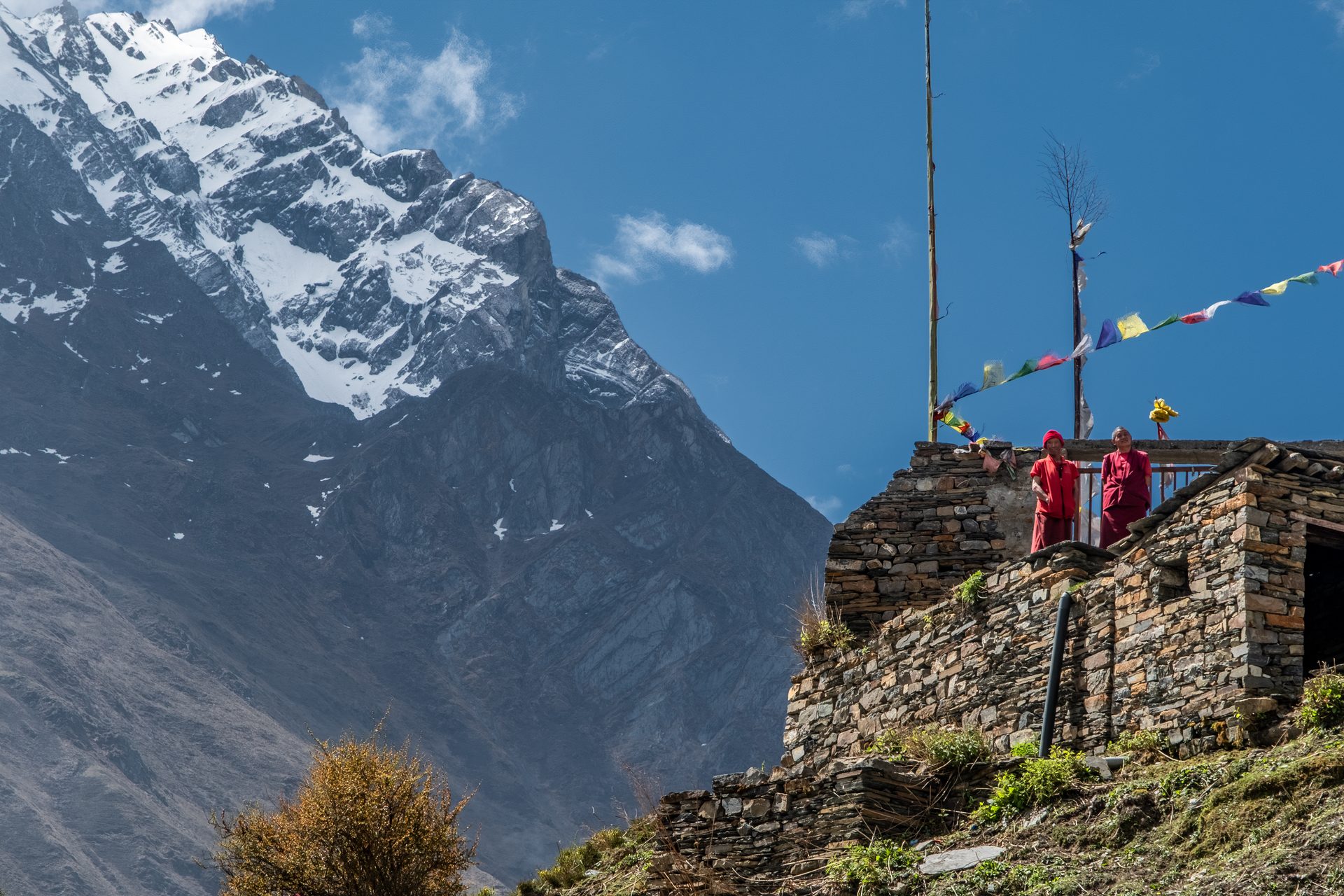
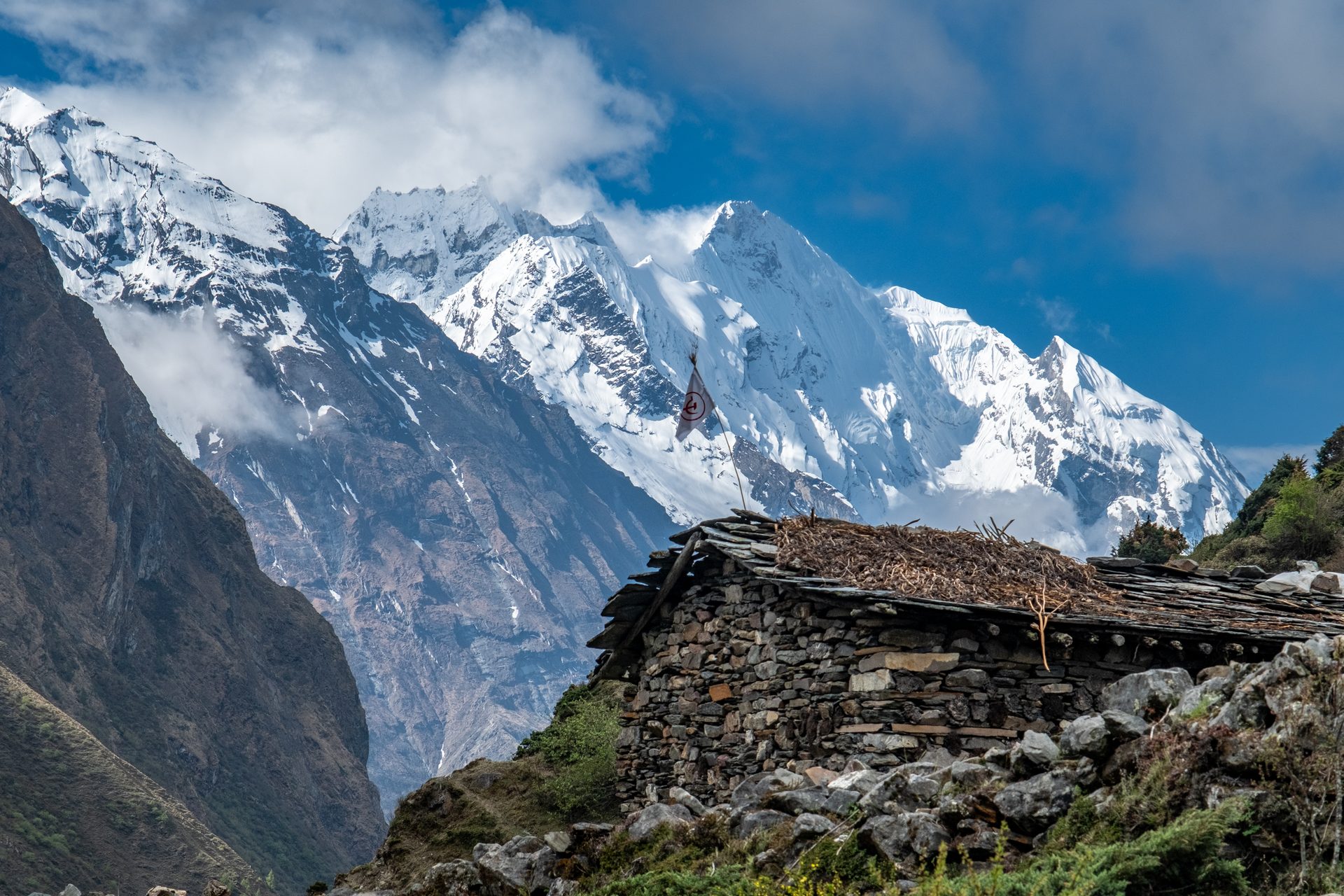
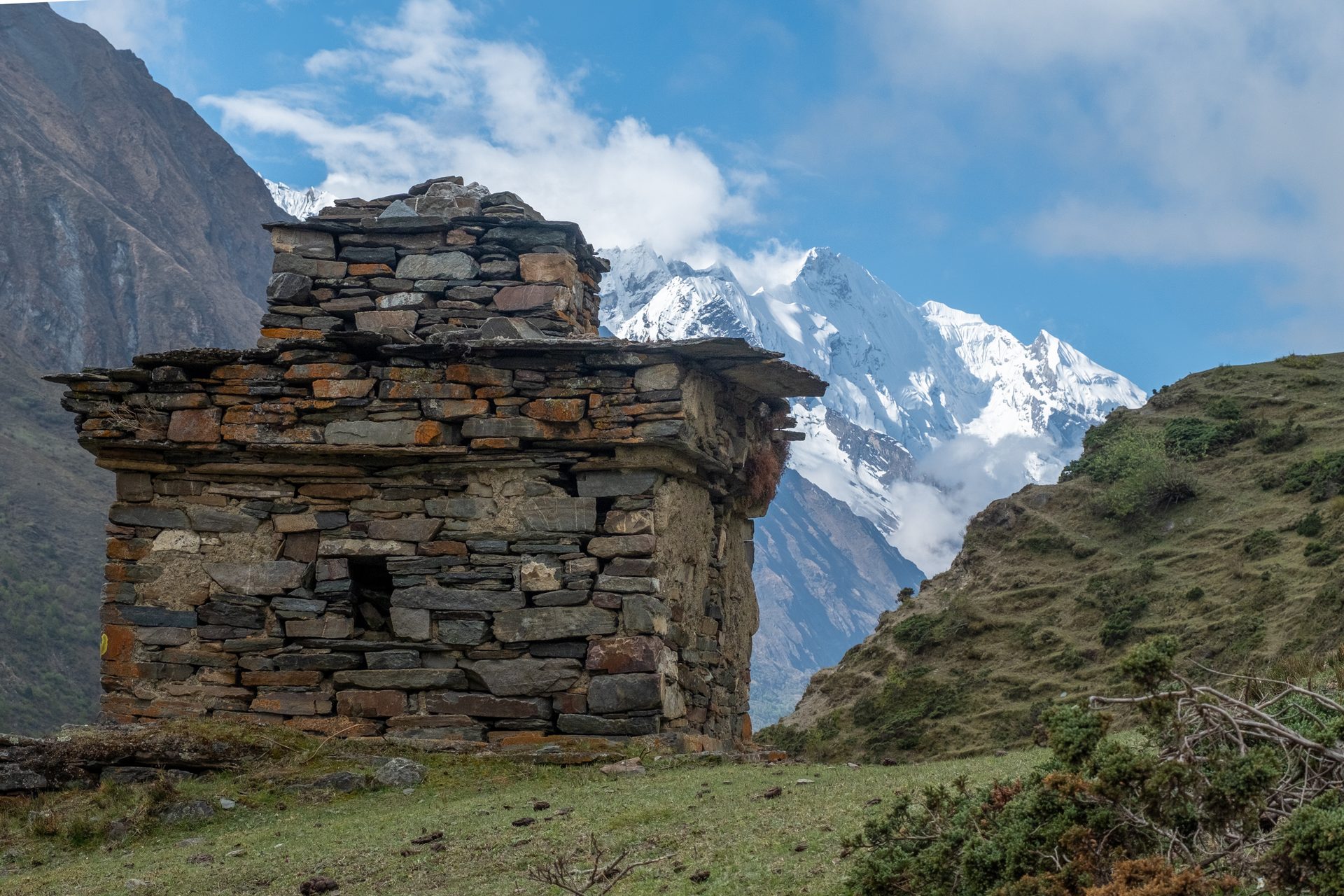
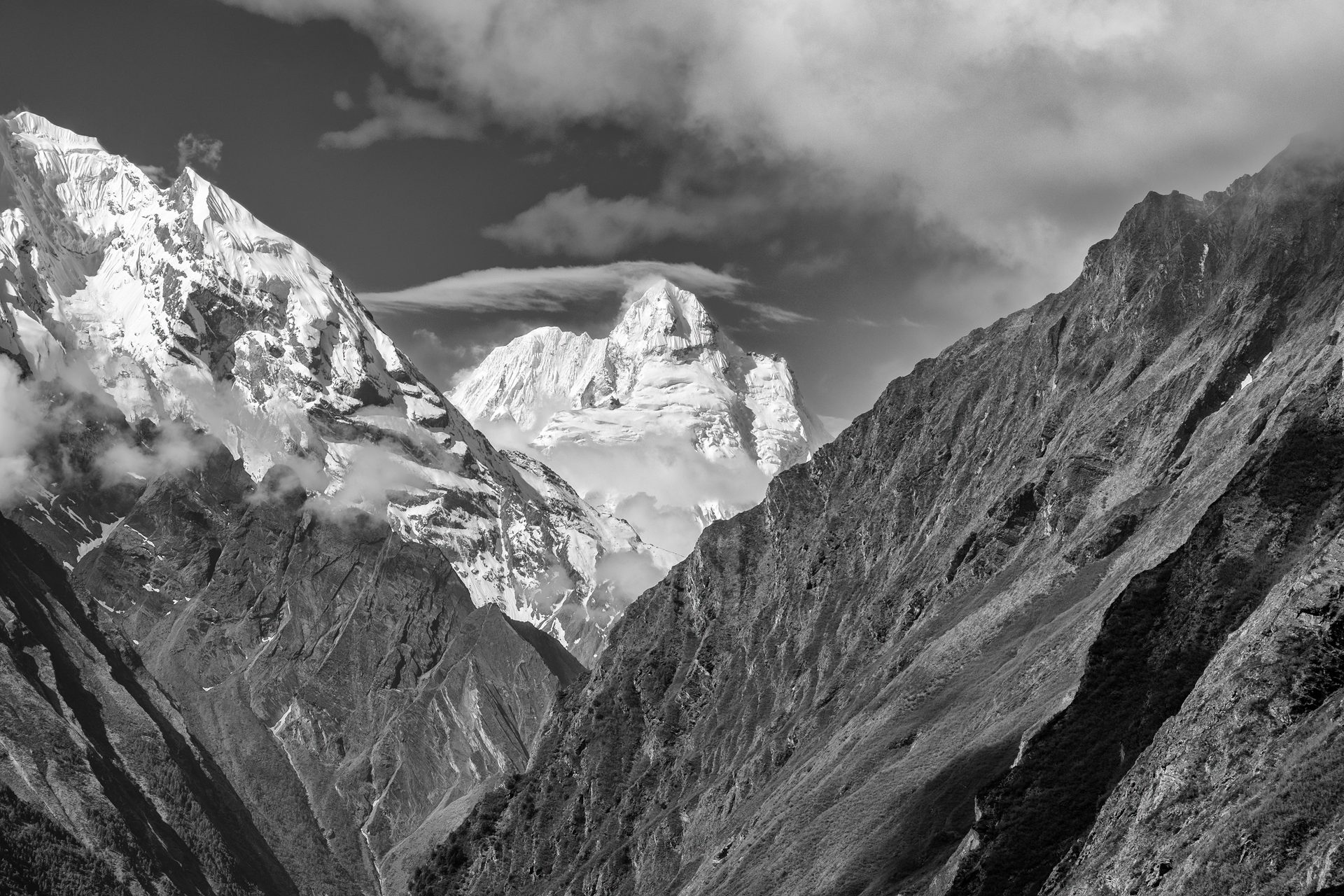
Trek guide
Trekking in Tsum Valley: A Journey into Nepal's Sacred Hidden Himalayas
The Tsum Valley trek is unlike any other journey in Nepal. While the famous Annapurna and Everest regions see tens of thousands of trekkers each year, Tsum Valley welcomes only a few hundred - and that exclusivity is precisely what makes it extraordinary. This 12-day itinerary is designed to introduce trekkers to the cultural, spiritual and geographic richness of Upper Gorkha without demanding extreme altitudes or technical skill.
Geography and Landscape
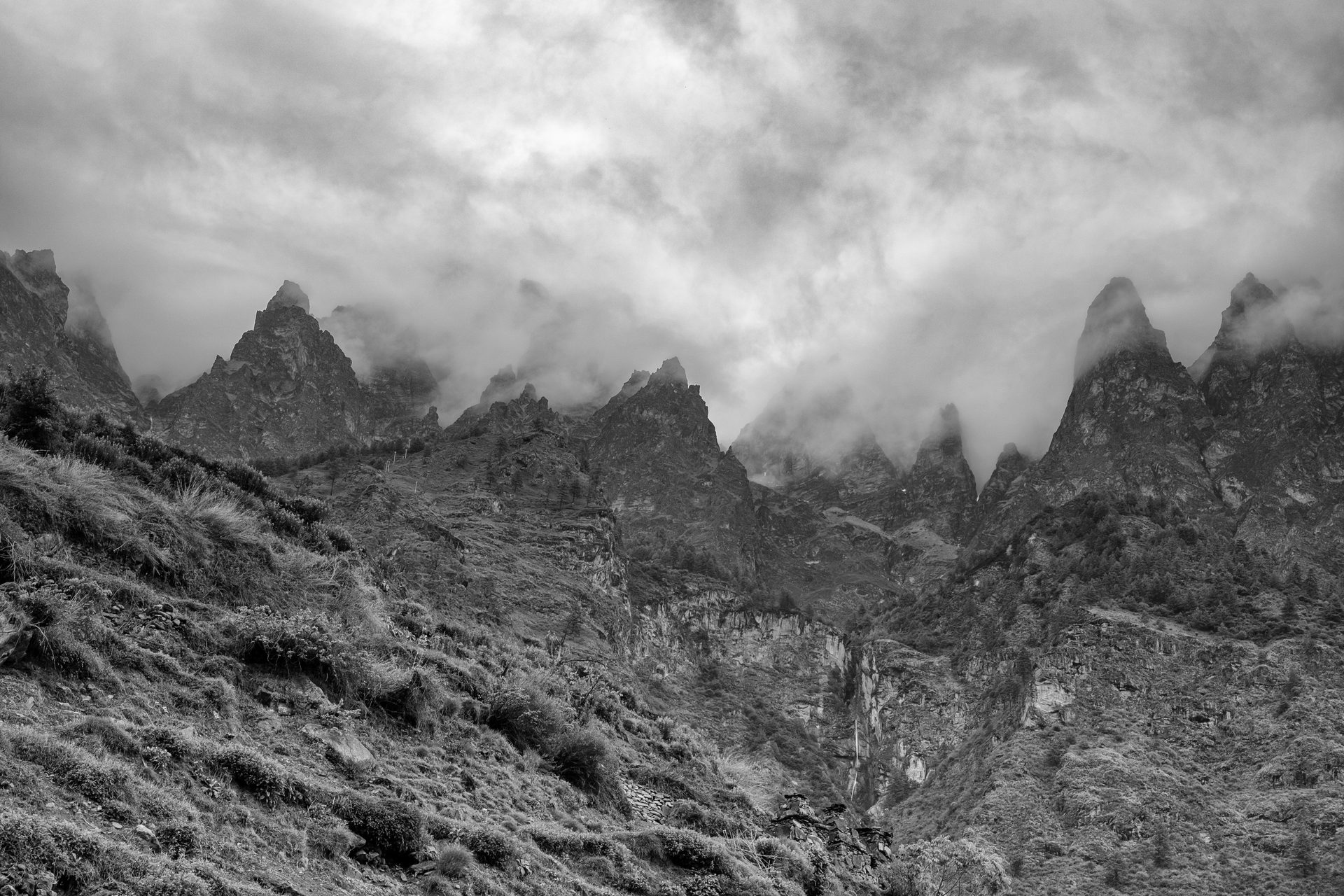
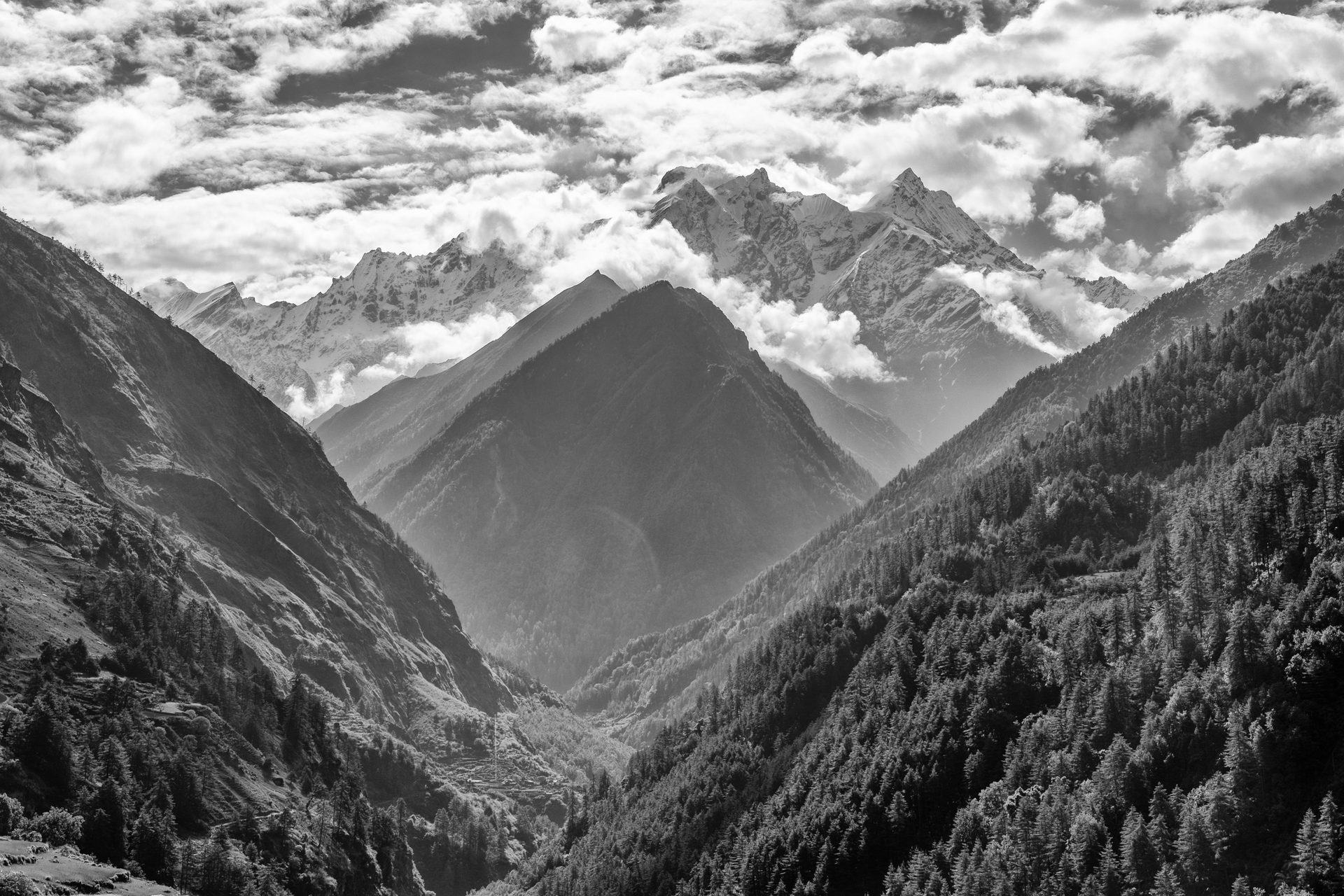
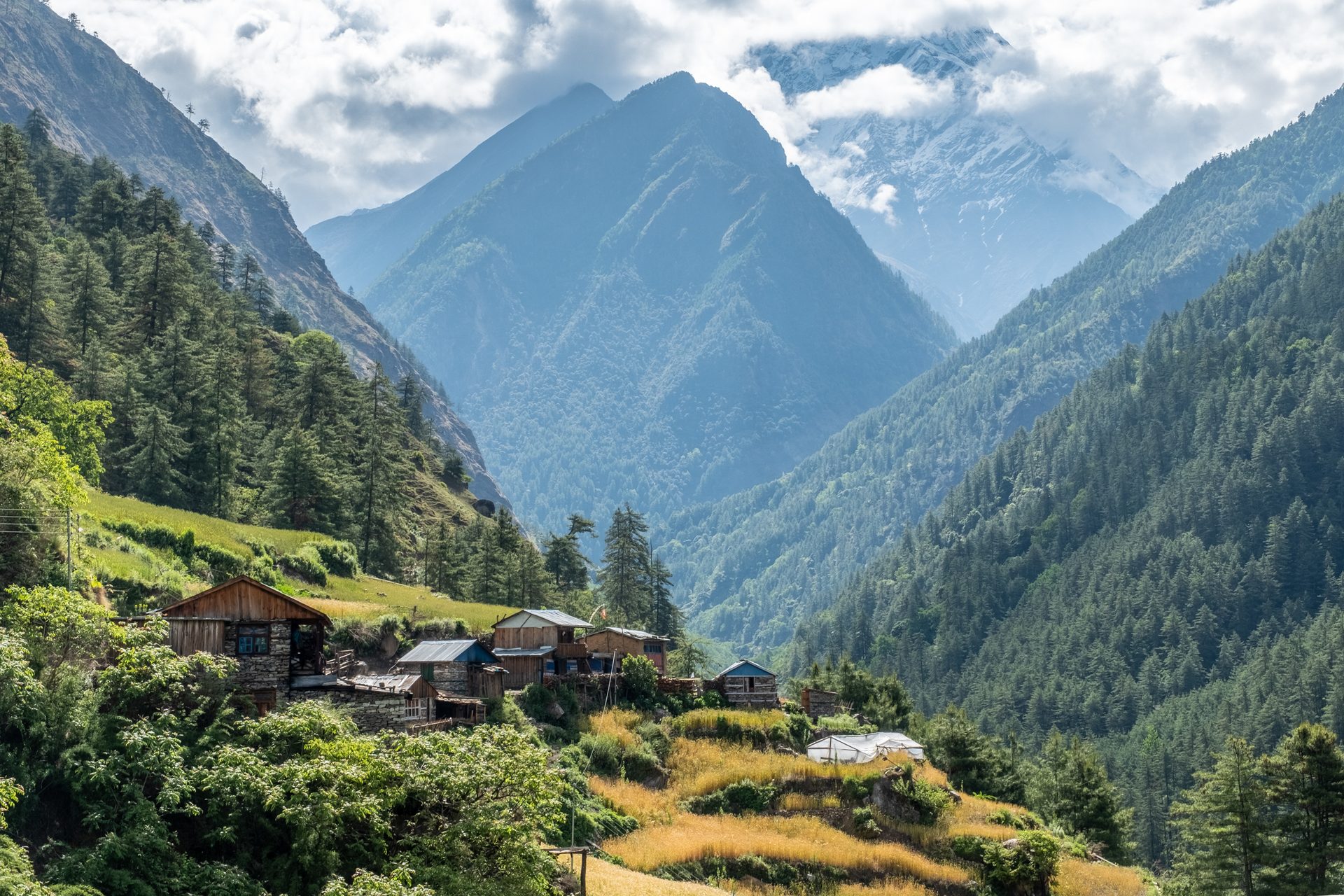
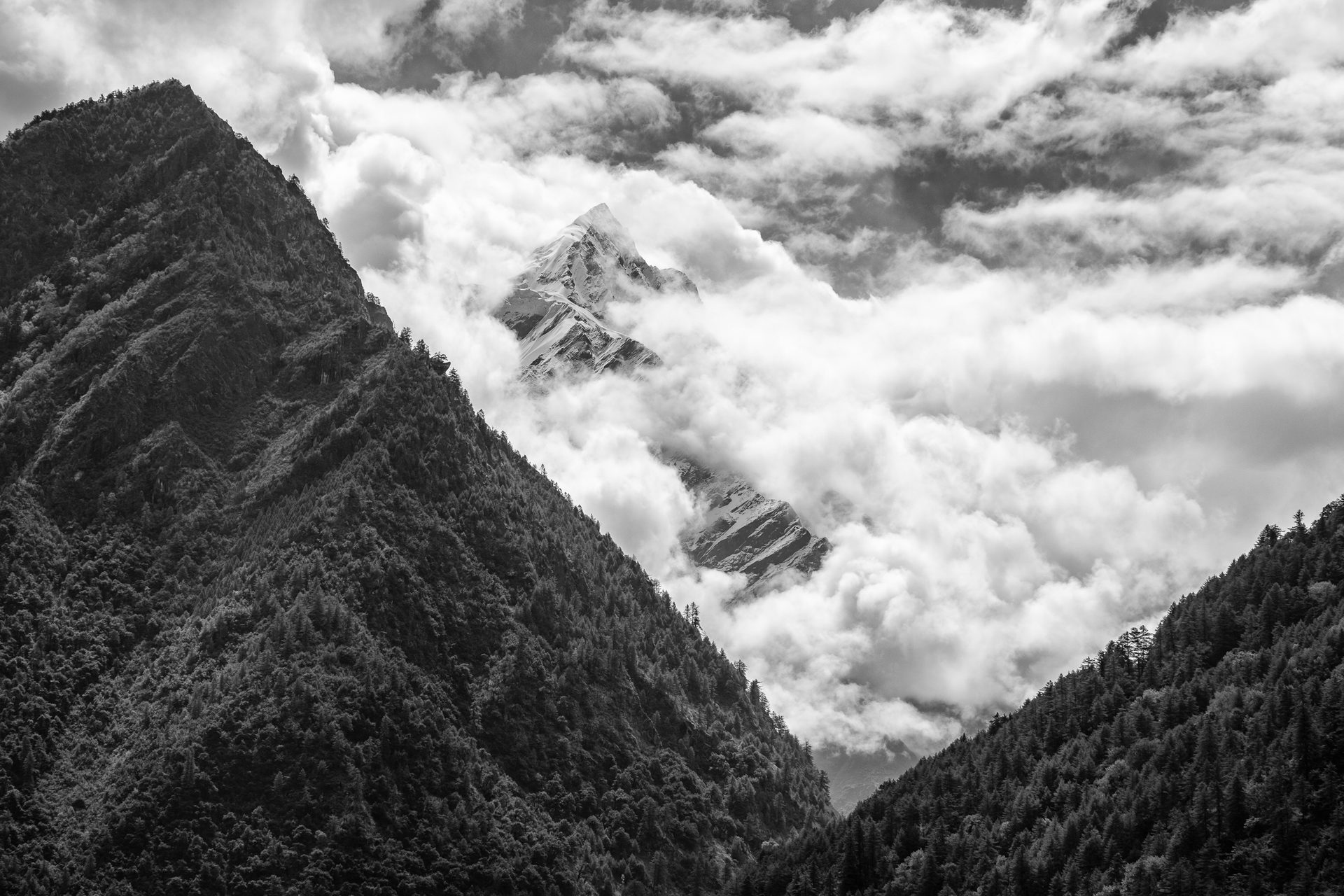
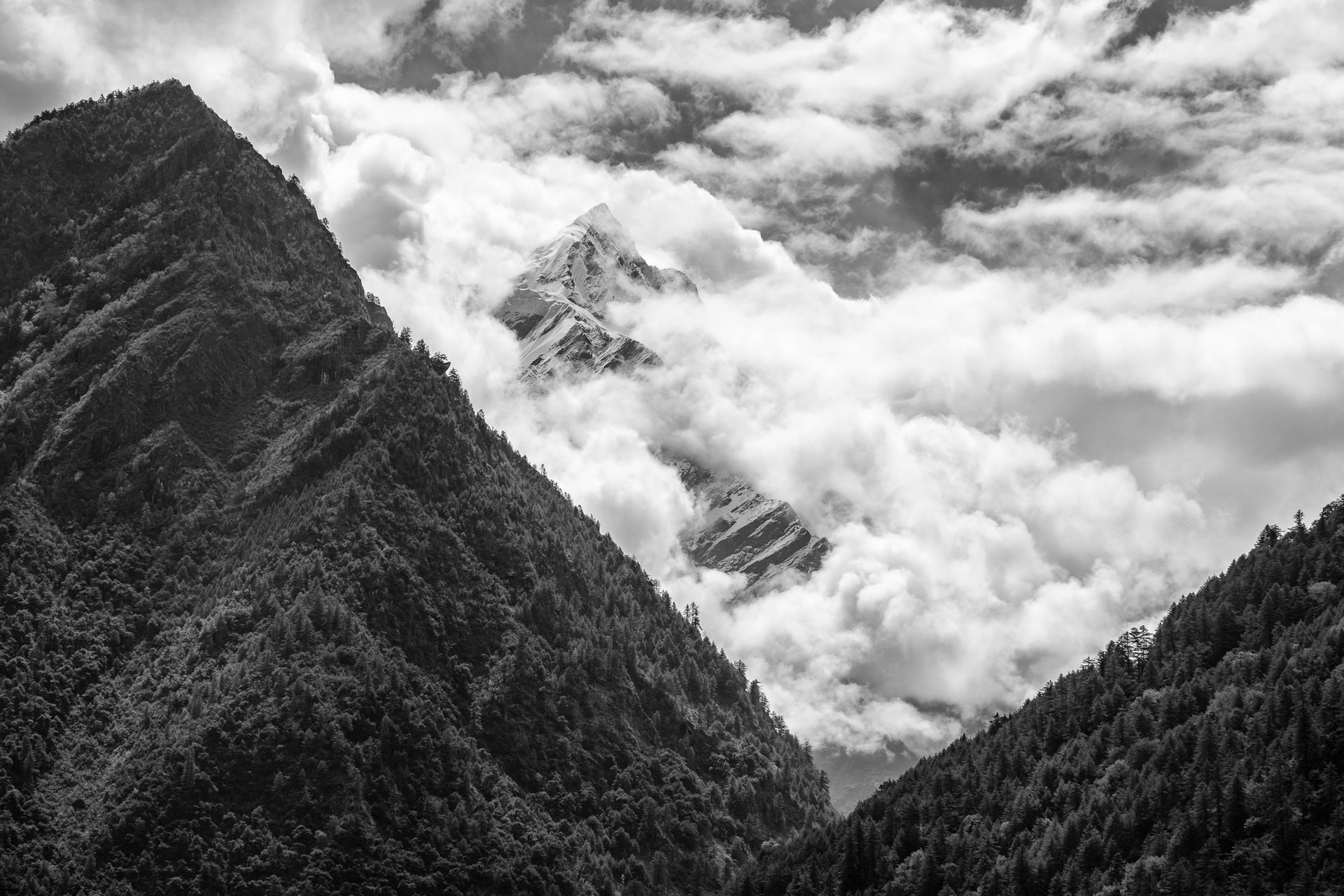
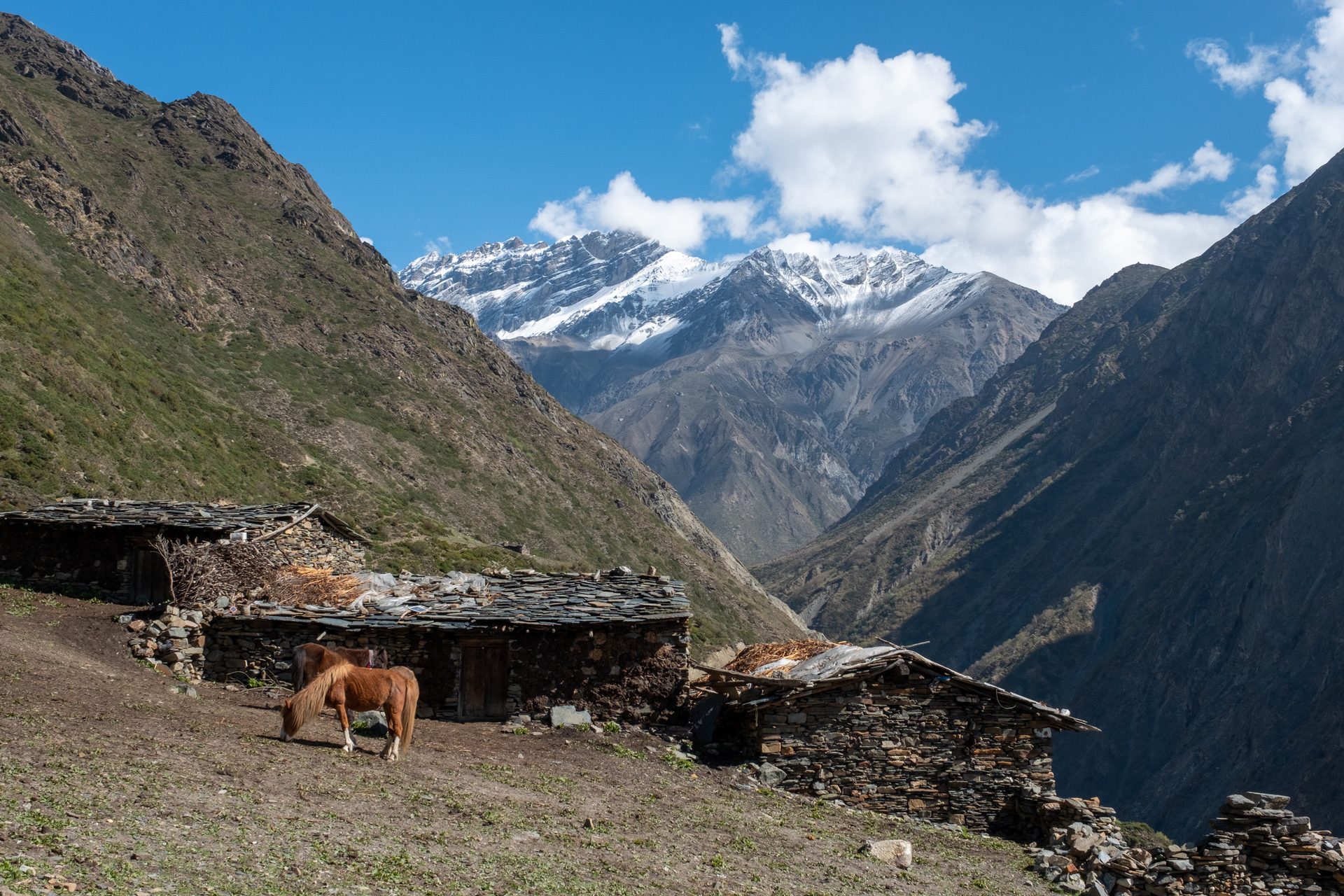
Tsum Valley sits in the northern reaches of the Gorkha district, pressed against the Tibetan border. The valley is divided into two distinct regions - Lower Tsum (14 villages on terraced hillsides) and Upper Tsum (13 villages on flatter, higher terrain). Three towering Himalayan ranges form the valley's natural walls: Ganesh Himal to the east, Shringi Himal to the west and Baudha Himal to the south. Glittering alpine lakes, cascading glaciers, and vast yak pastures complete a scene that feels frozen in time.
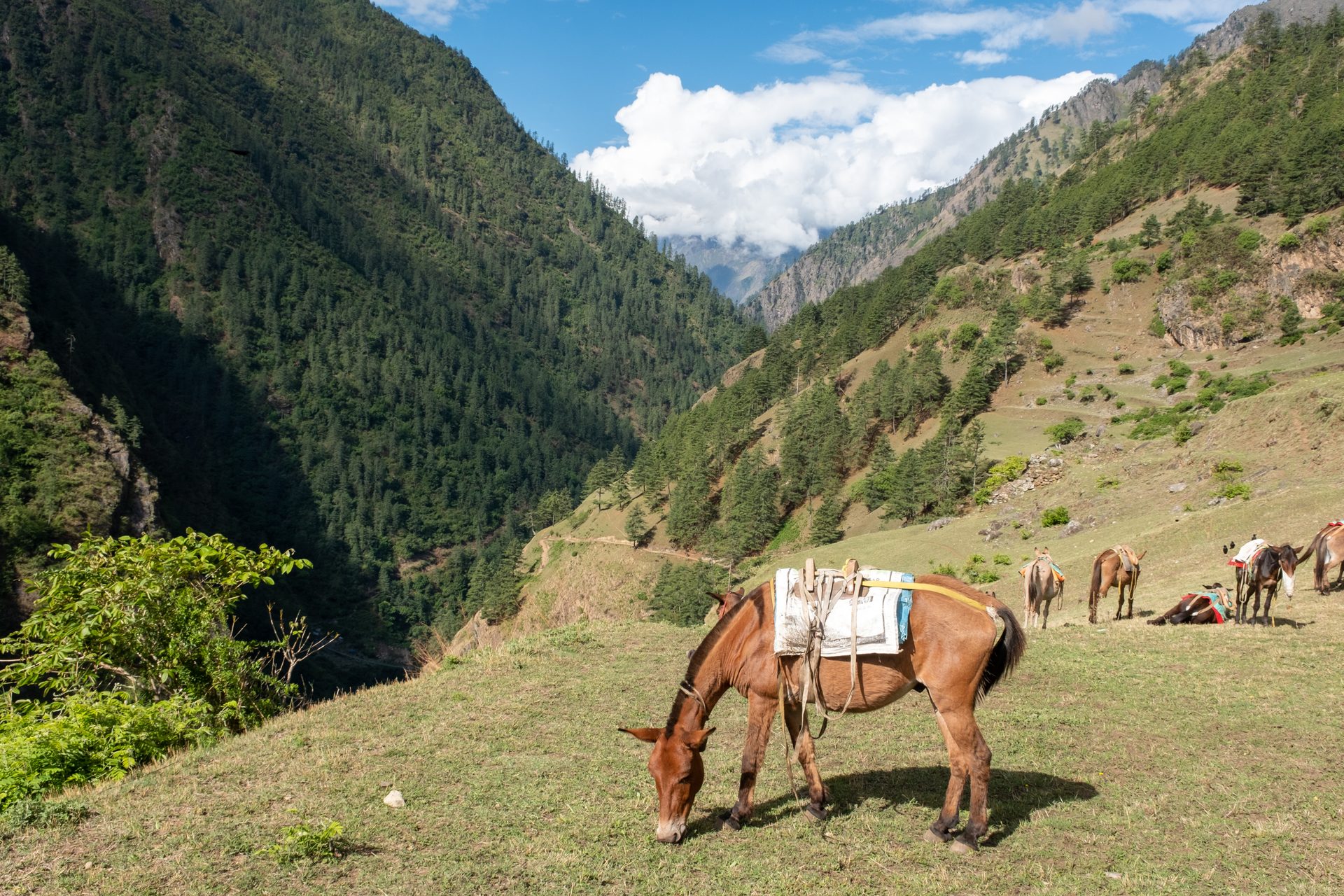
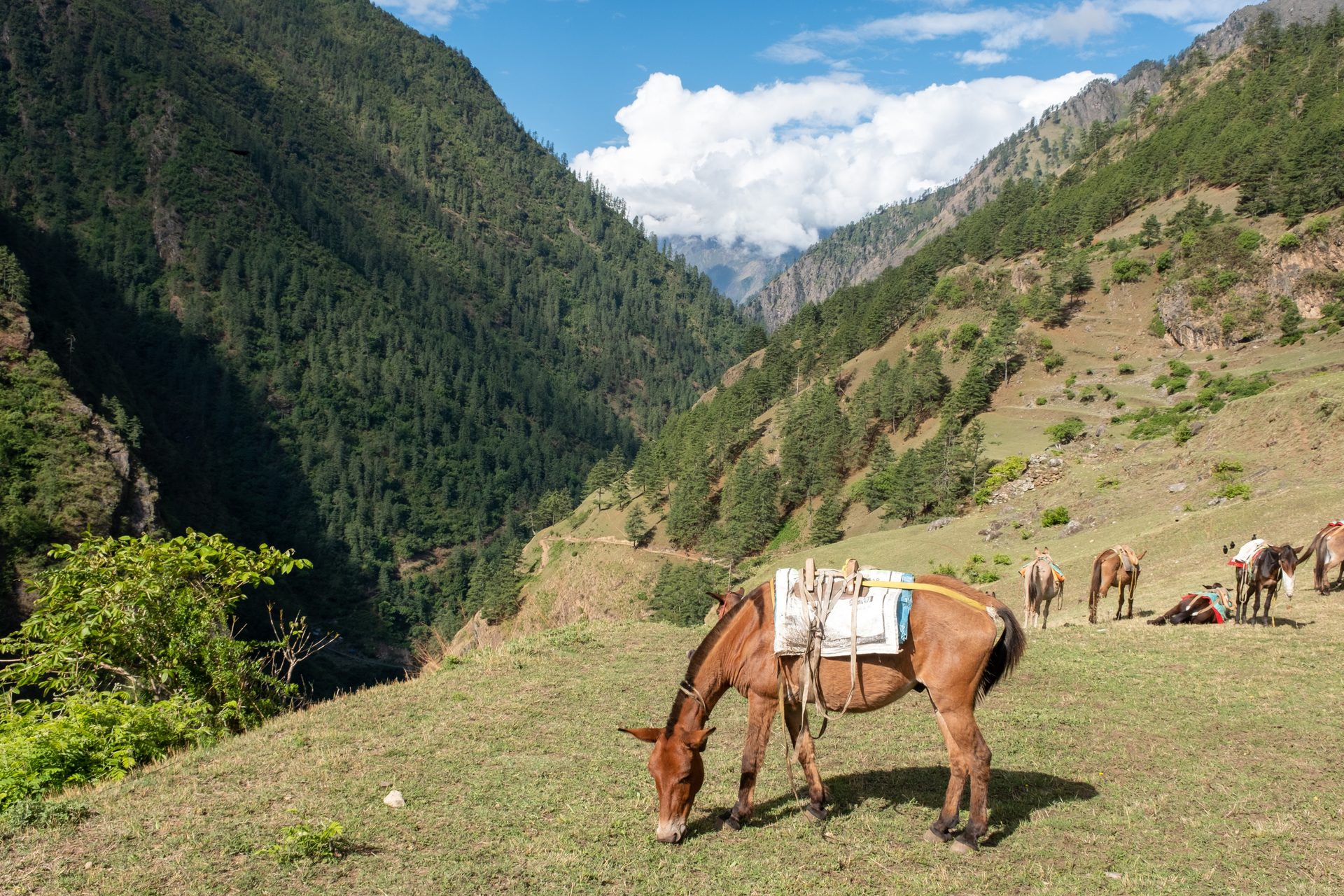
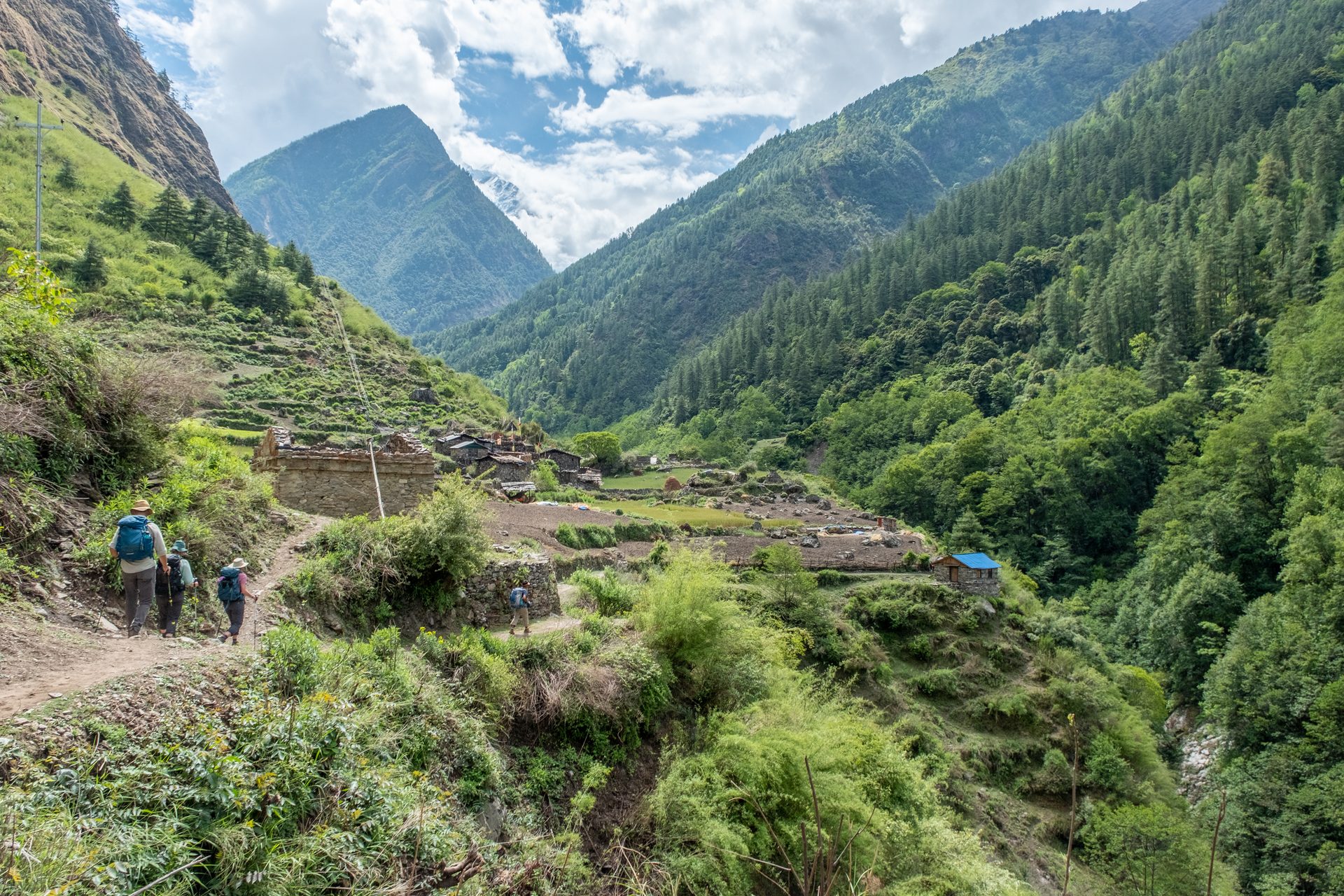
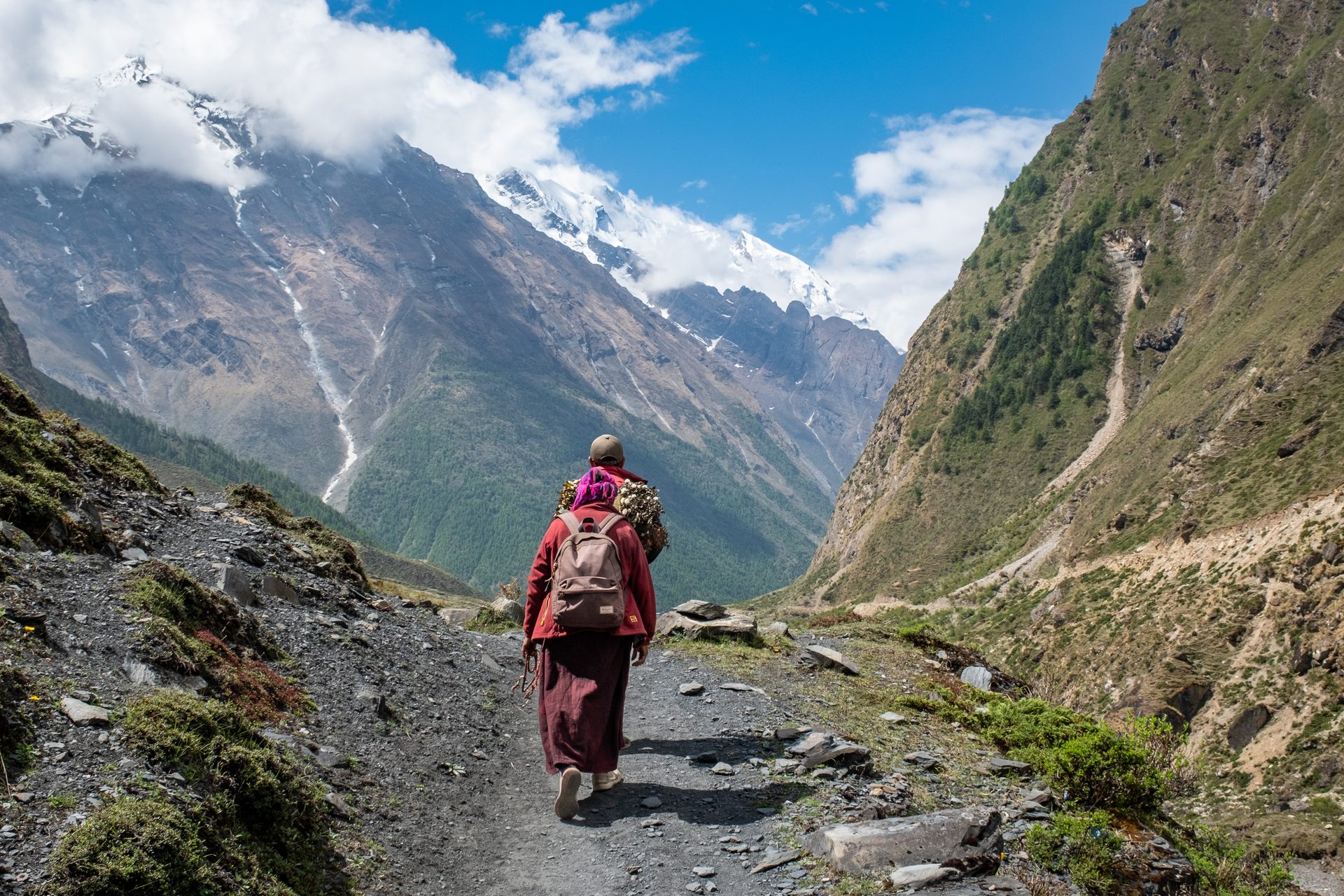
The trek follows the Budhi Gandaki River from Machhakhola, climbs through the dramatic gorges of the Manaslu Conservation Area, and then branches into Tsum Valley proper at Lokpa - a settlement that marks the start of the sacred "non-violence land."
Culture and the Shyagya Tradition
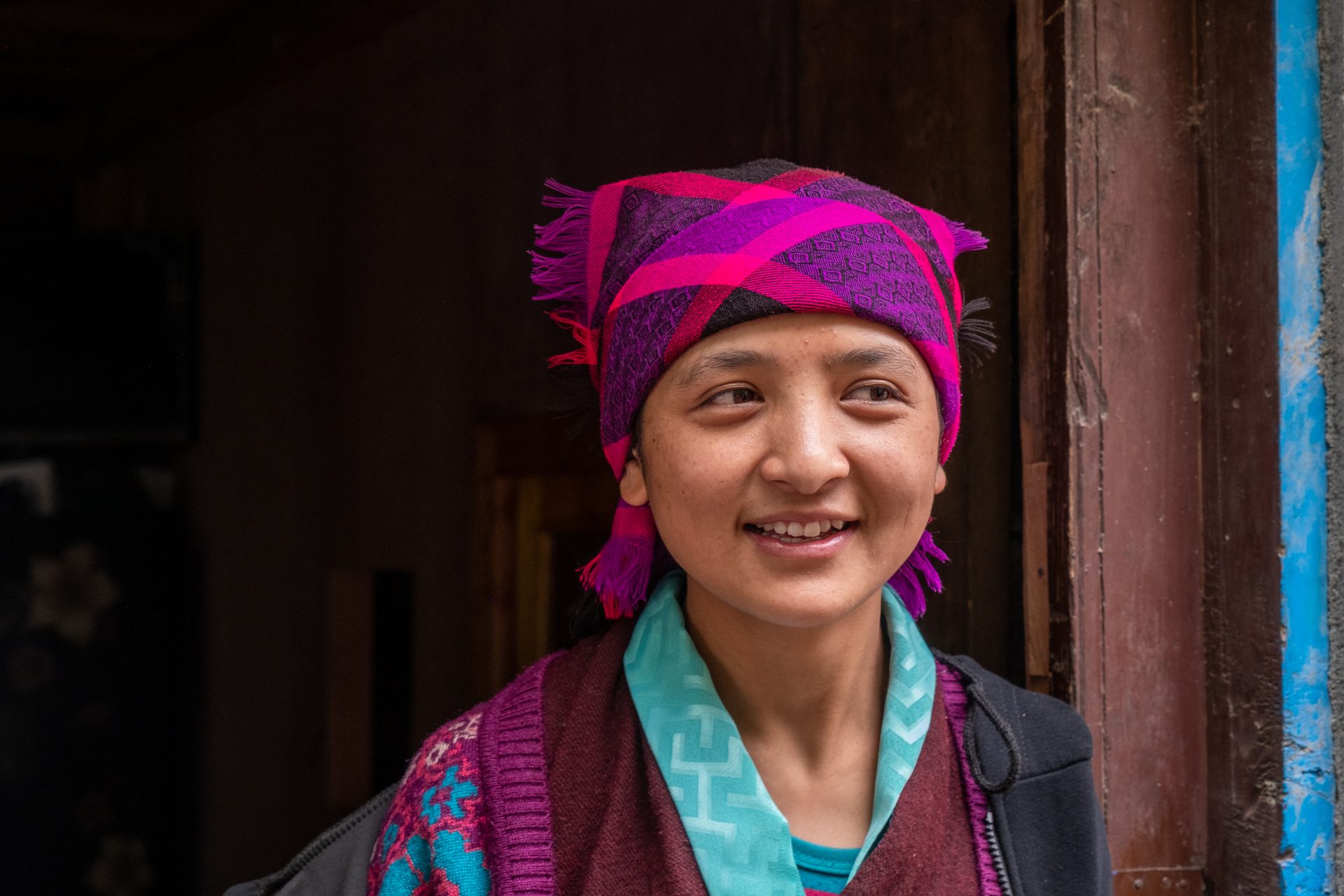
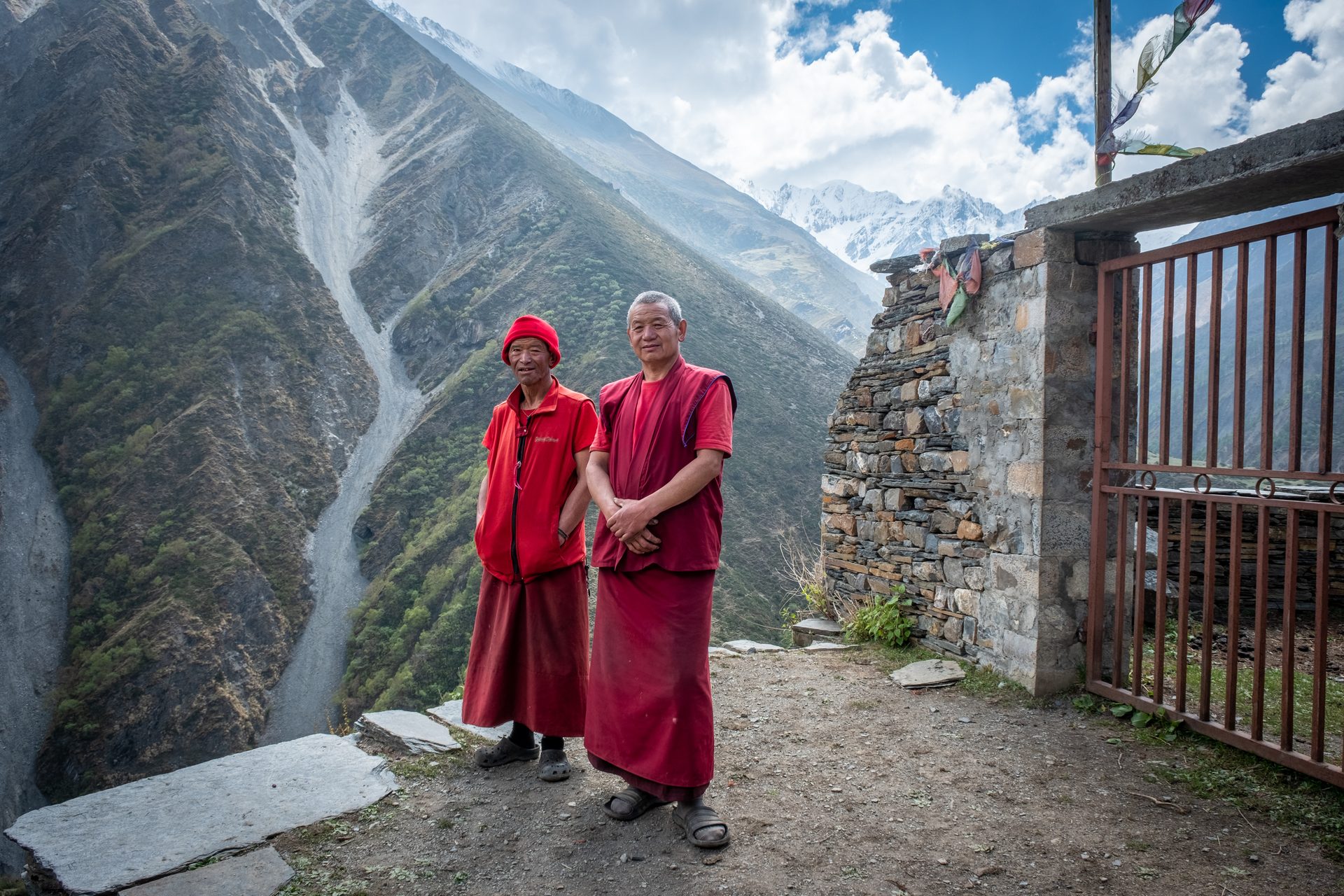
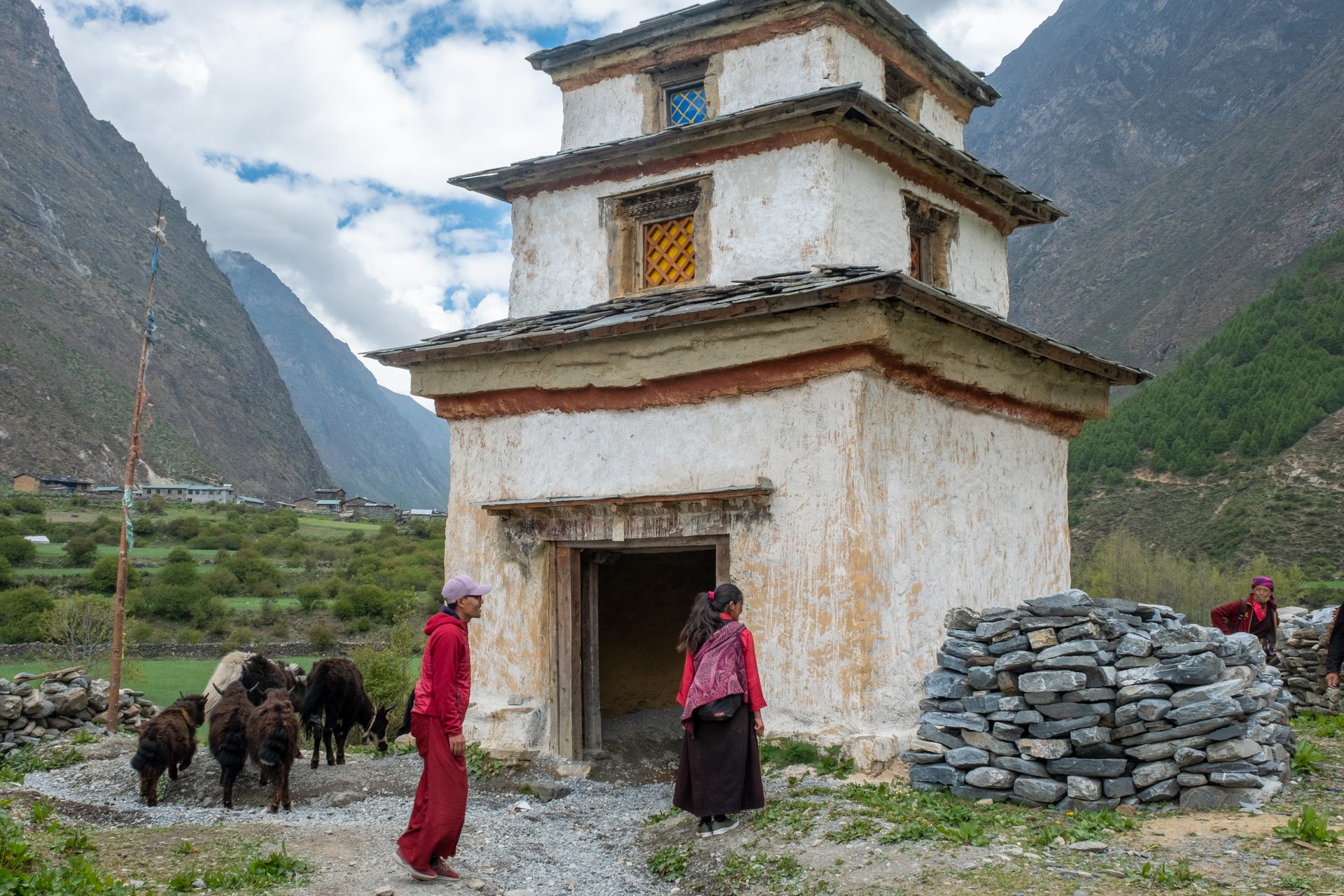
The Tsumpa people speak Tsum, a language roughly 75% similar to Tibetan but with distinct tone and accent. They practice Tibetan Buddhism in its most preserved form. Since 1920, Tsum Valley has observed the Shyagya tradition - a sacred vow of non-violence under which no animal, wild or domestic, may be killed. Established under the guidance of the previous Drukpa Rinpoche, this tradition makes Tsum the only place in the world where this practice is honored across an entire region.
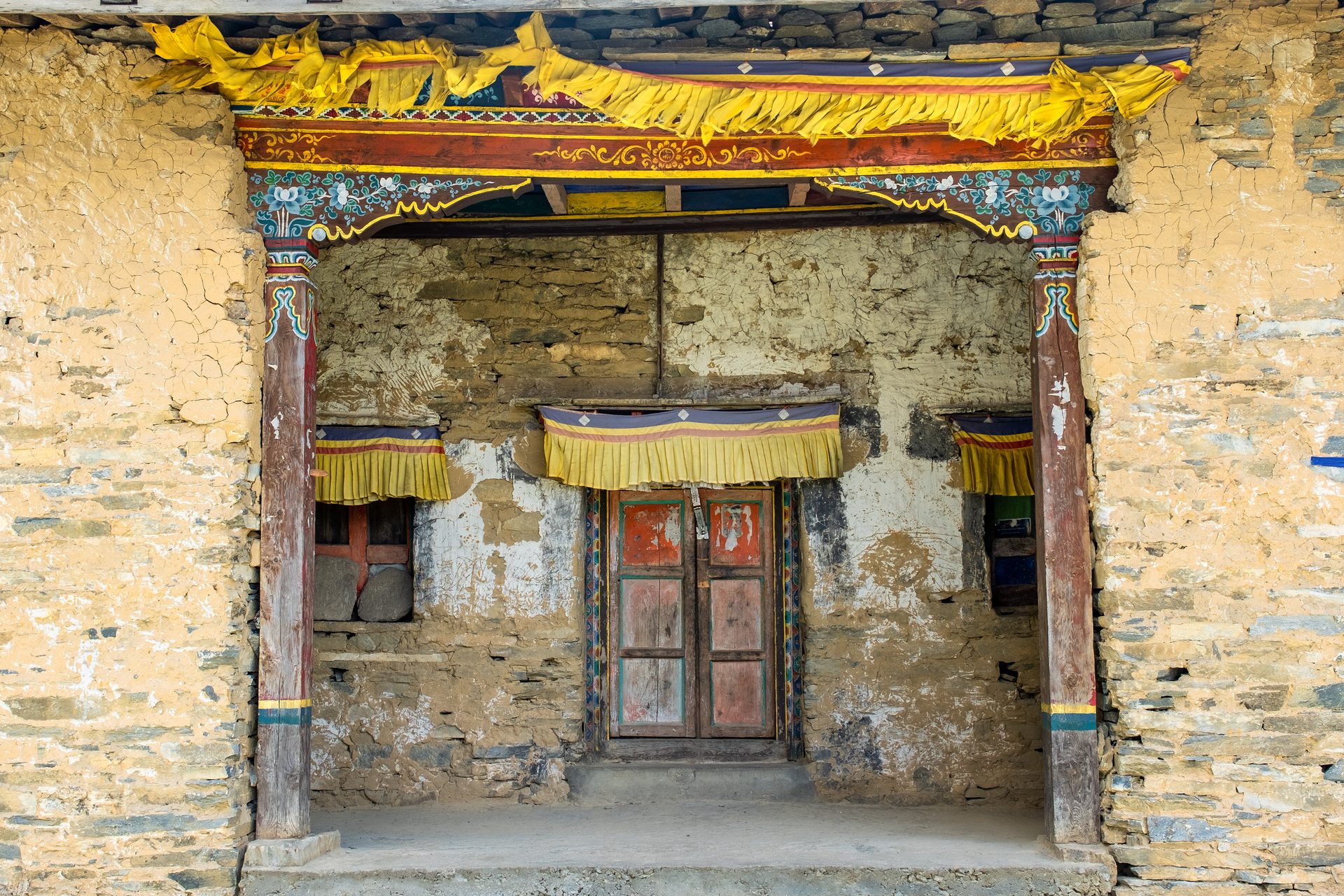
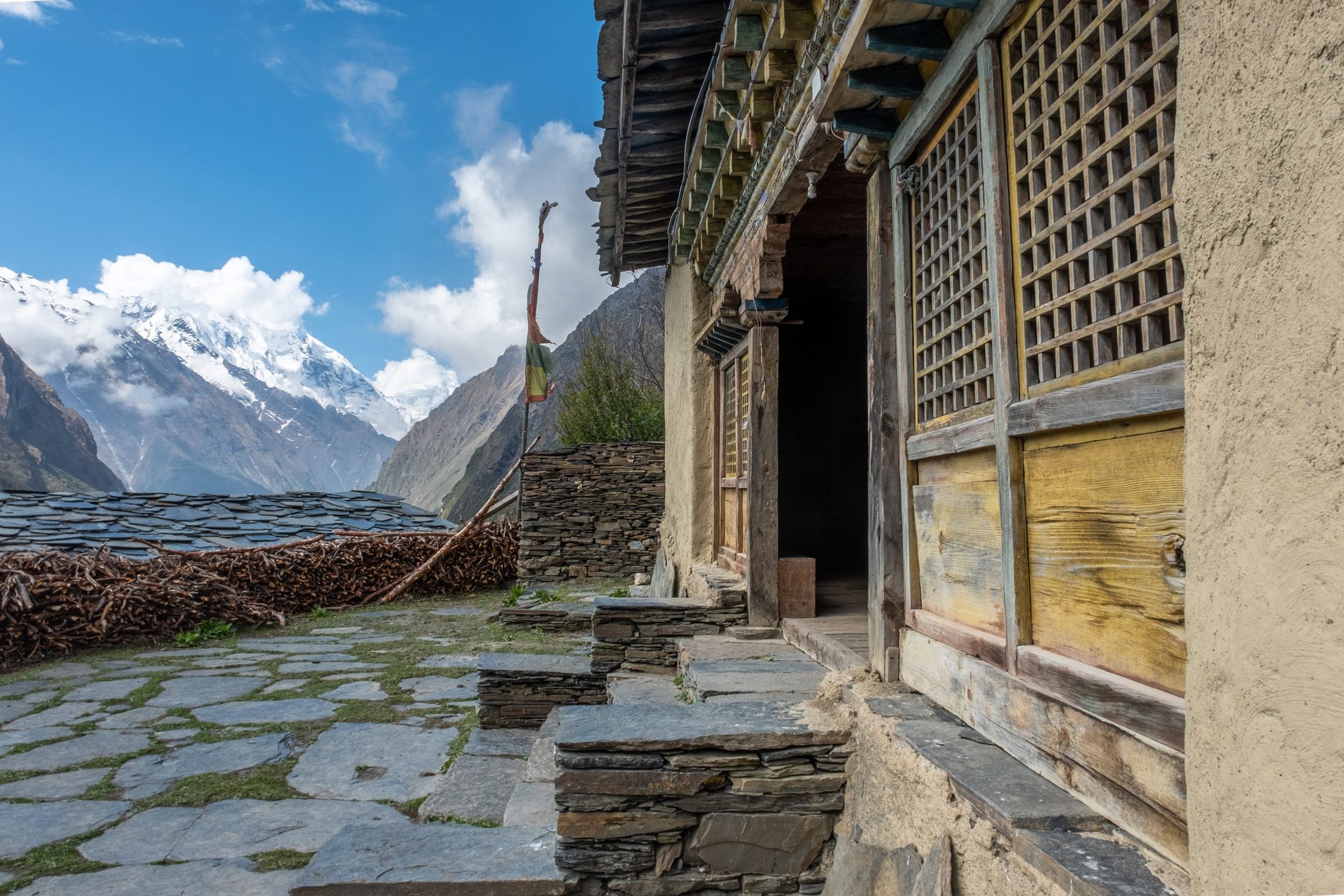
Trekkers will encounter ancient monasteries (gonpas) at almost every village - Mu Dechen Lhundup, Rachhen Jangchub Choeling, Tsum Gonpa and others. Many are over a thousand years old and remain active centers of meditation, learning and pilgrimage.
Permits Required
Tsum Valley is a restricted region. You will need:
- Special Restricted Area Permit for Tsum Valley (USD 35 per week September-November, USD 25 December-August)
- Manaslu Conservation Area Project (MCAP) permit
- A minimum of two trekkers and a licensed Nepali guide are mandatory by law - both arranged by us as part of the package
Altitude and Acclimatization
The highest point on this trek is Mu Gompa at 3,735 m. While not extreme by Himalayan standards, the rapid ascent from Machhakhola (870 m) to Choekangparo (3,045 m) within four days makes acclimatization essential. Our itinerary includes a full rest day at Choekangparo with an acclimatization hike to Gaden Gompa, helping your body adjust before the push to Mu Gompa.
Mild altitude symptoms (headache, fatigue, mild nausea) are common above 2,500 m. Drink plenty of water, walk slowly and inform your guide immediately of any symptoms. Our guides carry oximeters and a comprehensive medical kit.
Weather and Best Time to Trek
The two prime seasons are:
- Spring (March to May): Rhododendrons bloom across the lower forests, days are warm and skies are clear. April is particularly stunning.
- Autumn (September to November): Crisp visibility, stable weather and dry trails. October is the most popular month.
Winter (December to February) brings snow above 3,000 m and many teahouses close. Monsoon (June to August) makes trails muddy and brings landslide risk, though the valley itself sits in a partial rain shadow.
Training and Fitness
This is graded as moderate. You should be able to walk 5-7 hours per day on uneven terrain, carrying only a daypack (the porter handles your main luggage, up to 15 kg). Two to three months of cardio training - hiking, running or cycling - plus some strength work for legs and core will prepare you well. There are no technical climbing sections.
Photography Spots
Bring a wide-angle lens and a polarizer. Standout vantage points include:
- Choshong Viewpoint (4,200 m) for 360-degree panoramas of Ganesh Himal
- The trail above Chumling for cascading waterfalls
- Mu Gompa courtyard at sunrise
- Mani walls and chortens at every village (ask permission before photographing people)
What to Expect Day-to-Day
Days start early (around 7 AM breakfast), typically involve 5-7 hours of walking with a tea-house lunch break, and end by mid-afternoon at the next village. Evenings are relaxed - hot dal bhat (Nepal's national dish), conversation with fellow trekkers, and early sleep. Teahouses are basic but clean: shared rooms with twin beds, blankets, and shared toilets (some squat-style). Hot showers and Wi-Fi are sometimes available for an extra fee.
Packing list
Clothing:
- Down jacket rated to -10°C
- Insulated mid-layer (fleece or synthetic)
- Lightweight waterproof and windproof shell
- 2-3 quick-dry trekking shirts
- 2 pairs of trekking trousers (convertible recommended)
- Thermal base layers (top and bottom)
- 4-5 pairs of merino wool hiking socks
- Underwear and sleepwear
- Warm beanie and sun hat
- Buff or neck gaiter
- Lightweight gloves and insulated gloves
Footwear:
- Broken-in waterproof trekking boots (ankle support)
- Camp shoes or sandals for evenings
- Gaiters (optional, useful in shoulder seasons)
Accessories:
- 40-50L backpack (carried by you on rest days)
- 70L duffel bag (carried by porter)
- Sleeping bag rated to -10°C (can be rented in Kathmandu)
- Trekking poles (collapsible)
- Headlamp with spare batteries
- Sunglasses (Category 3 or 4, UV protection)
- Reusable water bottles (2L total) or hydration bladder
- Water purification tablets or SteriPen
- Quick-dry travel towel
Documents:
- Passport with Nepal visa
- Travel insurance certificate (covering helicopter evacuation up to 5,000 m)
- 4 passport photos for permits
- Cash in Nepali rupees (no ATMs after Machhakhola)
Medical and Hygiene:
- Personal first-aid kit (blister care, painkillers, anti-diarrhoea)
- Diamox (acetazolamide) for altitude - consult your doctor
- Sunscreen SPF 50+ and lip balm with SPF
- Hand sanitizer, wet wipes, toilet paper
- Personal toiletries in small containers
Frequently asked questions
Do I need a special permit for Tsum Valley?
How fit do I need to be for this trek?
Is altitude sickness a serious concern?
What if I am vegetarian or have dietary restrictions?
Can I charge my phone and camera batteries?
Is drinking water safe?
What if I walk slower than the group?
Do I need travel insurance?
What is the cancellation and payment policy?
Are children allowed on this trek?
Still have questions? Talk to a guide →
Why book this with us
Senior local guides. Small groups. Honest pricing.
- Departures led by a guide who grew up in the region.
- Max 8 trekkers per group — no convoys.
- 100% Nepali-owned. Profit stays in the valleys.
- Free cancellation up to 30 days before departure.
- Permits, internal flights and TIMS handled by us.
- 24/7 in-country support during your trek.