Everest · 14 Days
Everest Base Camp Trek - 14 Days
Duration
14 Days
Max Altitude
5,545m (18,192 ft)
at Kala Patthar
Grade
Strenuous
Lodging
Teahouse / Lodge
Overview
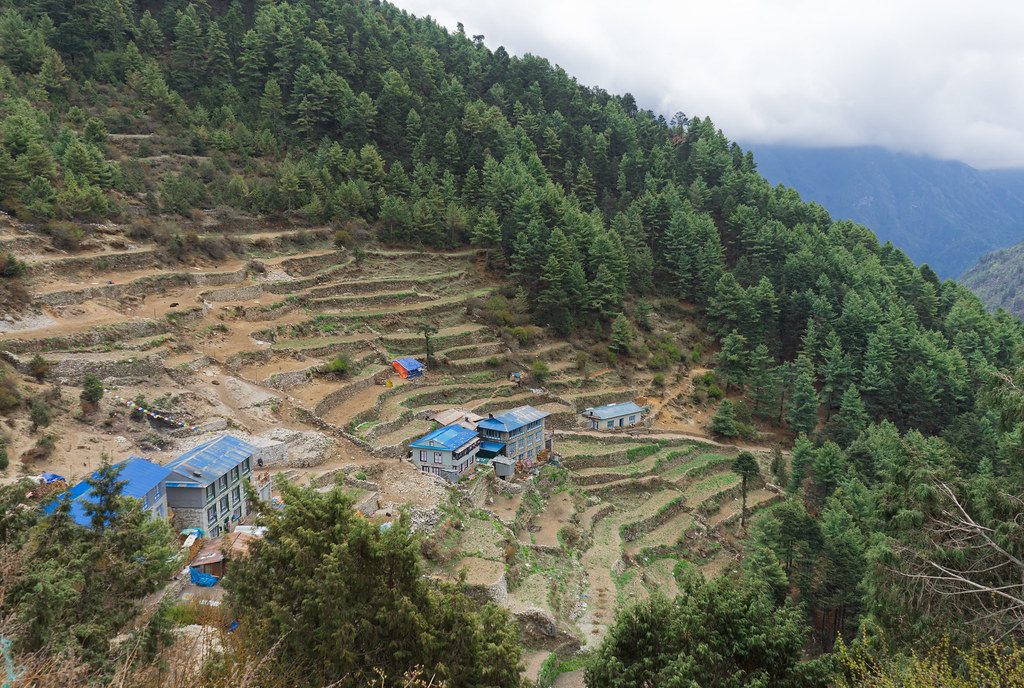
The Everest Base Camp Trek is the most iconic high-altitude journey on Earth. Over 14 days, you walk the same Khumbu trails that Hillary and Tenzing followed in 1953, sleep in family-run Sherpa lodges, and stand at 5,545m on Kala Patthar - the classic photo viewpoint of Everest's south-west face. This is not a technical climb. It is a long, deliberate walk to altitude with proper acclimatisation days built in at Namche Bazaar (3,440m) and Dingboche (4,360m), giving your body time to adjust to thin air.
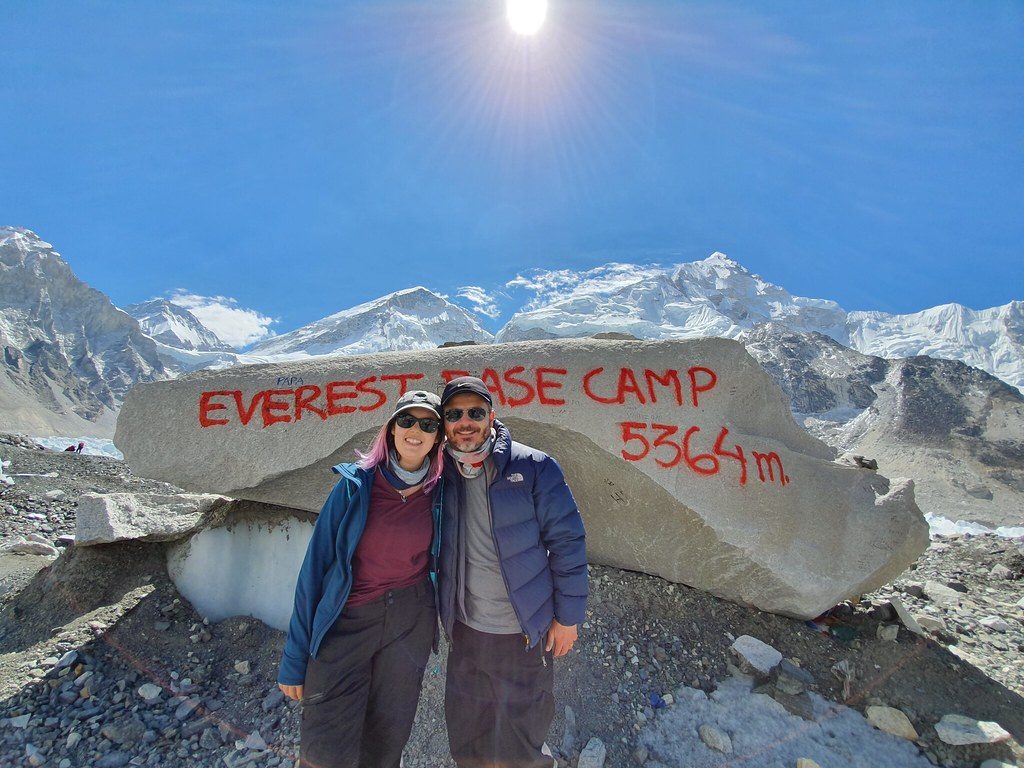
You begin with the famous short flight to Lukla, follow the Dudh Koshi river through pine forest, climb past Tengboche Monastery, and finally reach Everest Base Camp at 5,364m where Khumbu Glacier groans under the icefall. Our small-group Kathmandu-based crew handle everything - permits, lodging, flights, porters - so all you do is walk.
Highlights
- Stand at Everest Base Camp (5,364m) beneath the Khumbu Icefall
- Sunrise from Kala Patthar (5,545m) - the panoramic Everest viewpoint
- Cross the famous suspension bridges of the Dudh Koshi gorge
- Sleep in Namche Bazaar, the Sherpa trading capital
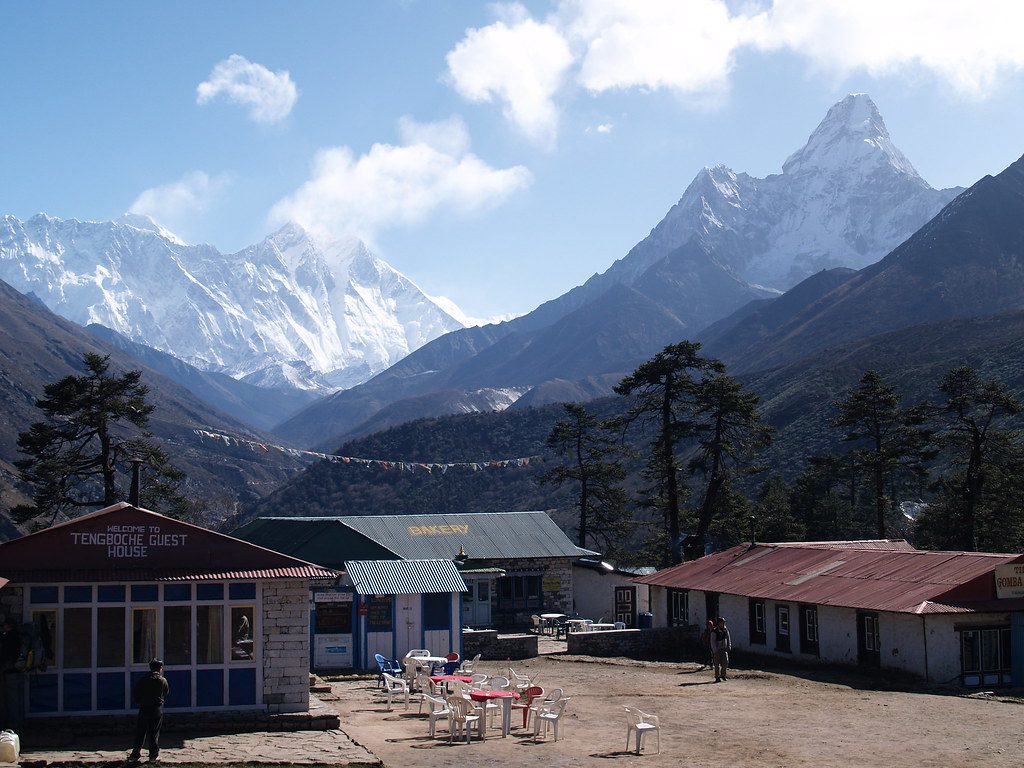
- Visit Tengboche Monastery (3,870m), the spiritual heart of Khumbu
- See six of the world's tallest peaks from a single ridge above Dingboche
- Domestic flight to Lukla airport - one of the most dramatic landings on the planet
- Walk through Sagarmatha National Park (UNESCO World Heritage Site)
- Acclimatisation days designed by Himalayan Hidden Trails' senior local guides
- All permits, flights and porter fairness handled by our Kathmandu office
Itinerary
Day 1
Arrival in Kathmandu (1,400m)
⏱ Airport transfer + briefing
🍽 Welcome dinner
Day 1
Arrival in Kathmandu (1,400m)
⏱ Airport transfer + briefing 🍽 Welcome dinner
Day 2
Fly to Lukla (2,840m), trek to Phakding (2,610m)
⏱ 35-min flight + 3-4 hours trekking
↔ 8 km
▲ 2,840m at Lukla
🍽 Breakfast, Lunch, Dinner
Day 2
Fly to Lukla (2,840m), trek to Phakding (2,610m)
⏱ 35-min flight + 3-4 hours trekking ↔ 8 km ▲ 2,840m at Lukla 🍽 Breakfast, Lunch, Dinner
Day 3
Phakding to Namche Bazaar (3,440m)
⏱ 5-6 hours
↔ 9 km
▲ 3,440m
🍽 Breakfast, Lunch, Dinner
Day 3
Phakding to Namche Bazaar (3,440m)
⏱ 5-6 hours ↔ 9 km ▲ 3,440m 🍽 Breakfast, Lunch, Dinner
Day 4
Acclimatisation day in Namche Bazaar
⏱ 4-5 hours
▲ 3,880m (Everest View Hotel)
🍽 Breakfast, Lunch, Dinner
Day 4
Acclimatisation day in Namche Bazaar
⏱ 4-5 hours ▲ 3,880m (Everest View Hotel) 🍽 Breakfast, Lunch, Dinner
Day 5
Namche to Tengboche (3,870m)
⏱ 5-6 hours
↔ 10 km
▲ 3,870m
🍽 Breakfast, Lunch, Dinner
Day 5
Namche to Tengboche (3,870m)
⏱ 5-6 hours ↔ 10 km ▲ 3,870m 🍽 Breakfast, Lunch, Dinner
Day 6
Tengboche to Dingboche (4,360m)
⏱ 5 hours
↔ 11 km
▲ 4,360m
🍽 Breakfast, Lunch, Dinner
Day 6
Tengboche to Dingboche (4,360m)
⏱ 5 hours ↔ 11 km ▲ 4,360m 🍽 Breakfast, Lunch, Dinner
Day 7
Acclimatisation day in Dingboche
⏱ 4-5 hours
▲ 5,083m (Nangkartshang Ridge)
🍽 Breakfast, Lunch, Dinner
Day 7
Acclimatisation day in Dingboche
⏱ 4-5 hours ▲ 5,083m (Nangkartshang Ridge) 🍽 Breakfast, Lunch, Dinner
Day 8
Dingboche to Lobuche (4,940m)
⏱ 5 hours
↔ 8 km
▲ 4,940m
🍽 Breakfast, Lunch, Dinner
Day 8
Dingboche to Lobuche (4,940m)
⏱ 5 hours ↔ 8 km ▲ 4,940m 🍽 Breakfast, Lunch, Dinner
Day 9
Lobuche to Gorakshep (5,170m), trek to Everest Base Camp (5,364m), back to Gorakshep
⏱ 7-8 hours
↔ 13 km round trip
▲ 5,364m at Base Camp
🍽 Breakfast, Lunch, Dinner
Day 9
Lobuche to Gorakshep (5,170m), trek to Everest Base Camp (5,364m), back to Gorakshep
⏱ 7-8 hours ↔ 13 km round trip ▲ 5,364m at Base Camp 🍽 Breakfast, Lunch, Dinner
Day 10
Gorakshep to Kala Patthar (5,545m), trek down to Pheriche (4,240m)
⏱ 7-8 hours
↔ 12 km
▲ 5,545m at Kala Patthar
🍽 Breakfast, Lunch, Dinner
Day 10
Gorakshep to Kala Patthar (5,545m), trek down to Pheriche (4,240m)
⏱ 7-8 hours ↔ 12 km ▲ 5,545m at Kala Patthar 🍽 Breakfast, Lunch, Dinner
Day 11
Pheriche to Namche Bazaar (3,440m)
⏱ 6-7 hours
↔ 14 km
🍽 Breakfast, Lunch, Dinner
Day 11
Pheriche to Namche Bazaar (3,440m)
⏱ 6-7 hours ↔ 14 km 🍽 Breakfast, Lunch, Dinner
Day 12
Namche to Lukla (2,840m)
⏱ 7 hours
↔ 19 km
🍽 Breakfast, Lunch, Dinner
Day 12
Namche to Lukla (2,840m)
⏱ 7 hours ↔ 19 km 🍽 Breakfast, Lunch, Dinner
Day 13
Lukla to Kathmandu by flight
⏱ 35-min flight
🍽 Breakfast
Day 13
Lukla to Kathmandu by flight
⏱ 35-min flight 🍽 Breakfast
Day 14
Departure
🍽 Breakfast
Day 14
Departure
🍽 Breakfast
Ready to walk this?
Enquire now →What's included
Included
- Round-trip Kathmandu-Lukla flights including airport tax
- All airport pickups and drops in private vehicle
- Sagarmatha National Park entry permit and Khumbu Pasang Lhamu municipality permit
- Government-licensed senior English-speaking guide (salary, food, lodging, insurance covered)
- 1 porter for every 2 trekkers (maximum 20 kg load, insurance and food covered)
- Twin/double sharing teahouse accommodation throughout the trek
- Three meals a day during the trek (breakfast, lunch, dinner)
- Emergency evacuation co-ordination (you provide the insurance, we handle the call)
- Trekking maps
- First aid kit carried by the guide
- All applicable government taxes and service charges
Not included
- Nepal entry visa fee
- International airfare
- Travel insurance (compulsory - must cover trekking to 6,000 m)
- Hotel and meals in Kathmandu (extension package available)
- Hot showers, Wi-Fi, device charging in lodges (typical cost USD 2-5 per use)
- Bottled water, sodas and alcoholic drinks
- Personal trekking equipment (rental available in Kathmandu)
- Tips for guide, porter and driver
- Any cost arising from flight delays, weather or political disruption
- Anything not listed in the inclusions section
Gallery
Trek guide
Why the Classic 14-Day Itinerary Still Wins
Operators sell EBC packages from 9 days (helicopter return) to 21 days (slow ascent). The 14-day version is the proven middle path: enough time to acclimatise safely without padding your trip with unnecessary rest days. It gives you two genuine acclimatisation stops, walks both up and down on foot (the body adjusts to descent too), and includes a flexible day in Kathmandu for the inevitable Lukla flight delay.
The Sagarmatha National Park
Created in 1976 and listed by UNESCO in 1979, Sagarmatha National Park protects 1,148 square kilometres of high-altitude forest, glacier and alpine valley. Snow leopards, Himalayan tahr, musk deer and the colourful danphe (Nepal's national bird) all live here, though only the tahr is regularly seen by trekkers. The park sits inside the Solu-Khumbu district - homeland of the Sherpa people, descended from Tibetan migrants who crossed the Nangpa La pass roughly 500 years ago.
The Lukla Flight
The 35-minute Twin Otter flight from Kathmandu (or seasonal Ramechhap) to Tenzing-Hillary Airport at Lukla is part of the experience. The runway slopes uphill at 12 degrees and ends at a cliff edge. Flights operate dawn till about 10 AM, after which Himalayan thermals make landing unsafe. Build in a buffer day at each end of the trek - it is not unusual to lose 24 hours to weather.
The Acclimatisation Strategy
Acute mountain sickness (AMS) is the single biggest threat on this trek. The itinerary follows the proven rule of climbing high, sleeping low. Two rest days - one at Namche (3,440m) and one at Dingboche (4,360m) - are mandatory. During each, you climb 300-500m higher then descend to sleep. Our guides carry pulse-oximeters and the office holds a no-questions-asked emergency-descent budget; if you cannot continue, we get you down.
Permits
- Sagarmatha National Park Entry Permit
- Khumbu Pasang Lhamu Rural Municipality Permit (replaces the older TIMS card on this route)
Both are issued in our Kathmandu office before you leave.
Best Season
- Spring (March-May): Stable weather, blooming rhododendrons up to 4,000m, warmer nights
- Autumn (September-November): Clearest visibility of the year, post-monsoon air, busier teahouses
Winter trekking is possible for the experienced (Dec-Feb), but Lukla flights are unpredictable and lodges above Dingboche may shut. Monsoon (Jun-Aug) is not recommended - the trail turns to mud, the views vanish and flight cancellations multiply.
Fitness
Strenuous. You will walk 5-7 hours daily over uneven, sometimes icy stone steps, gaining and losing roughly 500m per day. Three to four months of regular cardio (running, swimming, hill walking) and lower-body strength work will set you up well. Prior multi-day trekking experience is helpful but not required.
Packing list
Clothing: Down jacket -10C, mid-weight fleece, waterproof and windproof shell, 3 trekking shirts, 2 trousers (one trekking, one warm), thermal base layers, 5 pairs trekking socks, warm beanie, sun hat, neck buff, lightweight gloves, insulated gloves
Footwear: Broken-in waterproof trekking boots (ankle support), camp shoes or sandals, gaiters (optional)
Accessories: 40L daypack, 65L duffel for porter, -15C rated sleeping bag, telescopic trekking poles, headlamp with spare batteries, polarised sunglasses (UV400), 2L water bladder or two bottles, water purification tablets or filter, power bank (10,000 mAh), universal plug adapter
Documents: Passport with valid Nepal visa, travel insurance certificate, 4 passport photos, USD cash for personal expenses
Medical: Diamox 250mg (consult doctor), painkillers, antihistamines, antiseptic, blister care, broad-spectrum sunscreen SPF 50+, SPF lip balm, rehydration salts, personal medications
Frequently asked questions
How fit do I need to be?
Is altitude sickness a real risk?
What if the Lukla flight is cancelled?
How much should I budget for tips?
Can I do this trek solo?
How cold does it get?
Do I need oxygen?
Is Wi-Fi available?
What is the food like?
How does this compare to your Gokyo Lakes trek?
Can I add Island Peak or Three Passes after EBC?
Still have questions? Talk to a guide →
Why book this with us
Senior local guides. Small groups. Honest pricing.
- Departures led by a guide who grew up in the region.
- Max 8 trekkers per group — no convoys.
- 100% Nepali-owned. Profit stays in the valleys.
- Free cancellation up to 30 days before departure.
- Permits, internal flights and TIMS handled by us.
- 24/7 in-country support during your trek.
More in Everest
Ama Dablam Base Camp Trek - 9 Days
9 Days
From $1195
Everest Base Camp Trek with Island Peak Climbing - 16 Days
16 Days
From $2200
Everest Three Passes Trek - 17 Days
17 Days
From $1795
Everest View Panorama Trek - 7 Days
7 Days
From $1050
Gokyo Lakes Trek - 12 Days
12 Days
From $1495
Island Peak Climbing - 15 Days
15 Days
From $2050