Everest · 15 Days
Island Peak Climbing - 15 Days
Duration
15 Days
Max Altitude
6,189m (20,305 ft)
at Island Peak summit
Grade
Challenging
Lodging
Teahouse / Lodge + tented base camp
Overview
Island Peak (Imja Tse) at 6,189m is the most popular trekking peak in Nepal and the natural first 6,000m climb for trekkers who want to step into mountaineering. It sits inside the Imja valley, surrounded by the Lhotse, Nuptse and Ama Dablam wall. The summit day involves crampons, an ice axe, fixed ropes on a 100m head-wall and a final knife-edge snow ridge to the top - it is not a walk-up, but it requires no prior climbing experience if you can use the basic gear.
Our 15-day itinerary builds in the proper Khumbu acclimatisation arc (Namche, Dingboche, Chukhung Ri practice climb), then transfers you to Island Peak Base Camp at 5,000m. A pre-summit training day at base camp covers crampon work, harness use, fixed-rope ascending and descending. Summit night is a 2am start; you return to base camp the same day. A licensed climbing sirdar leads each rope team of 2-4 climbers.
Highlights
- Summit Island Peak (6,189m) - the most accessible Himalayan 6,000m climb
- Full Khumbu acclimatisation trek with EBC-level support
- Glacier and ice training day at base camp with NMA-certified sirdar
- Cross the Imja glacier and ascend a 100m fixed-rope head wall
- Knife-edge snow ridge to the summit with Lhotse south face directly behind
- Acclimatisation hikes up Nangkartshang ridge (5,083m) and Chukhung Ri (5,546m)
- Small rope teams of 2-4 climbers per sirdar
- All climbing gear (boots are personal) included
- Visit Tengboche Monastery and the traditional Sherpa villages of Khumbu
- Permits, flights, base camp tents, kitchen crew and porters all handled
Itinerary
Day 1
Arrival in Kathmandu (1,400m)
🍽 Welcome dinner
Day 1
Arrival in Kathmandu (1,400m)
🍽 Welcome dinner
Day 2
Fly Kathmandu to Lukla (2,840m), trek to Phakding (2,610m)
⏱ 35-min flight + 3 hours
↔ 8 km
🍽 Breakfast, Lunch, Dinner
Day 2
Fly Kathmandu to Lukla (2,840m), trek to Phakding (2,610m)
⏱ 35-min flight + 3 hours ↔ 8 km 🍽 Breakfast, Lunch, Dinner
Day 3
Phakding to Namche Bazaar (3,440m)
⏱ 6 hours
↔ 9 km
🍽 Breakfast, Lunch, Dinner
Day 3
Phakding to Namche Bazaar (3,440m)
⏱ 6 hours ↔ 9 km 🍽 Breakfast, Lunch, Dinner
Day 4
Acclimatisation at Namche
⏱ 4-5 hours
🍽 Breakfast, Lunch, Dinner
Day 4
Acclimatisation at Namche
⏱ 4-5 hours 🍽 Breakfast, Lunch, Dinner
Day 5
Namche to Tengboche (3,870m)
⏱ 5-6 hours
↔ 10 km
🍽 Breakfast, Lunch, Dinner
Day 5
Namche to Tengboche (3,870m)
⏱ 5-6 hours ↔ 10 km 🍽 Breakfast, Lunch, Dinner
Day 6
Tengboche to Dingboche (4,360m)
⏱ 5 hours
↔ 11 km
🍽 Breakfast, Lunch, Dinner
Day 6
Tengboche to Dingboche (4,360m)
⏱ 5 hours ↔ 11 km 🍽 Breakfast, Lunch, Dinner
Day 7
Dingboche to Chukhung (4,730m)
⏱ 3-4 hours
↔ 6 km
🍽 Breakfast, Lunch, Dinner
Day 7
Dingboche to Chukhung (4,730m)
⏱ 3-4 hours ↔ 6 km 🍽 Breakfast, Lunch, Dinner
Day 8
Acclimatisation - climb Chukhung Ri (5,546m)
⏱ 5-6 hours
▲ 5,546m
🍽 Breakfast, Lunch, Dinner
Day 8
Acclimatisation - climb Chukhung Ri (5,546m)
⏱ 5-6 hours ▲ 5,546m 🍽 Breakfast, Lunch, Dinner
Day 9
Chukhung to Island Peak Base Camp (5,000m)
⏱ 3-4 hours
↔ 5 km
🍽 Breakfast, Lunch, Dinner
Day 9
Chukhung to Island Peak Base Camp (5,000m)
⏱ 3-4 hours ↔ 5 km 🍽 Breakfast, Lunch, Dinner
Day 10
Climbing training day at base camp
⏱ 4 hours
🍽 Breakfast, Lunch, Dinner
Day 10
Climbing training day at base camp
⏱ 4 hours 🍽 Breakfast, Lunch, Dinner
Day 11
Summit Island Peak (6,189m), descend to base camp
⏱ 10-12 hours
▲ 6,189m
🍽 Pre-dawn snack, packed Lunch, Dinner
Day 11
Summit Island Peak (6,189m), descend to base camp
⏱ 10-12 hours ▲ 6,189m 🍽 Pre-dawn snack, packed Lunch, Dinner
Day 12
Base Camp to Pangboche (3,930m)
⏱ 6 hours
↔ 15 km
🍽 Breakfast, Lunch, Dinner
Day 12
Base Camp to Pangboche (3,930m)
⏱ 6 hours ↔ 15 km 🍽 Breakfast, Lunch, Dinner
Day 13
Pangboche to Namche Bazaar (3,440m)
⏱ 5-6 hours
↔ 13 km
🍽 Breakfast, Lunch, Dinner
Day 13
Pangboche to Namche Bazaar (3,440m)
⏱ 5-6 hours ↔ 13 km 🍽 Breakfast, Lunch, Dinner
Day 14
Namche to Lukla (2,840m)
⏱ 6-7 hours
↔ 19 km
🍽 Breakfast, Lunch, Dinner
Day 14
Namche to Lukla (2,840m)
⏱ 6-7 hours ↔ 19 km 🍽 Breakfast, Lunch, Dinner
Day 15
Fly Lukla to Kathmandu, departure
⏱ 35-min flight
🍽 Breakfast
Day 15
Fly Lukla to Kathmandu, departure
⏱ 35-min flight 🍽 Breakfast
Ready to walk this?
Enquire now →What's included
Included
- Round-trip Kathmandu-Lukla flights including airport tax
- All airport pickups and drops in private vehicle
- Sagarmatha National Park entry permit and Khumbu Pasang Lhamu municipality permit
- Island Peak climbing permit (NMA)
- Senior government-licensed trekking guide for the approach
- NMA-certified climbing sirdar for the summit push (1 sirdar per 2-4 climbers)
- Climbing gear: crampons, ice axe, harness, helmet, jumar, descender, slings, carabiners
- 1 porter for every 2 trekkers below base camp
- Twin/double sharing teahouse accommodation on the trek
- Tented base camp with sleeping tents, dining tent, toilet tent and full kitchen crew
- Three meals a day throughout (lodges + base camp)
- Emergency evacuation co-ordination
- Pulse-oximeter monitoring above 4,000m
- All government taxes and service charges
Not included
- Nepal entry visa fee
- International airfare
- Travel insurance covering trekking and climbing up to 6,500m with helicopter rescue (compulsory)
- Personal mountaineering boots (rentable in Kathmandu USD 8/day)
- Personal trekking gear, down jacket, sleeping bag (rentable in Kathmandu)
- Hot showers, Wi-Fi, charging
- Bottled water, sodas, alcohol
- Tips for the climbing sirdar, guide, porters and kitchen crew
- Any cost arising from flight delays or weather
Trek guide
A Real First 6,000m
Island Peak was first summited in 1953 by a British training party preparing for Everest. The name comes from the visual effect of seeing the peak from Dingboche - it looks like an island in a sea of ice. The Sherpa name Imja Tse refers to the Imja glacier valley below.
What the Climb Actually Involves
- Base Camp to High Camp (optional): A 3-hour scramble over moraine.
- High Camp (or Base Camp) to Crampon Point: 2-3 hours of rocky scrambling in the dark with headlamp.
- Crampon Point to Head Wall: Cross the Imja glacier (mostly flat snow, roped together).
- Head Wall: 100m fixed-rope ascent on a 45-degree ice slope using a jumar (ascender).
- Summit Ridge: 30-50m knife-edge snow ridge to the summit. Drop-offs both sides.
- Descent: Same way down. Abseil the head wall on a figure-8 descender.
Total summit day: 8-10 hours from camp to summit and back.
Training at Base Camp
A dedicated training day at base camp covers crampon technique, ice axe self-arrest, ascending the jumar on fixed ropes and abseil on descent. By the end you will have all the skills you need for summit day.
Acclimatisation
Two scheduled rest days (Namche, Dingboche) plus a third day in Chukhung (with a hard hike up Chukhung Ri to 5,546m). The Chukhung Ri climb is your single best preparation for the summit altitude - if you can do it, you can summit Island Peak.
Permits
- Sagarmatha National Park Entry Permit
- Khumbu Pasang Lhamu Rural Municipality Permit
- Island Peak Climbing Permit (NMA - issued through us)
Best Season
- Spring (April-May): Stable weather, warmer summits, busier base camp
- Autumn (October-November): Coldest, clearest, drier - the photographer's season
We do not climb in winter or monsoon.
Fitness
Strenuous. You should be able to walk 6-8 hours daily at altitude with a 6-7 kg daypack, and have the leg strength to use crampons for 8-10 continuous hours on summit day. Previous high-altitude trekking experience to 5,000m+ is strongly recommended. 4-6 months of focussed cardio, leg strength and core work is the baseline.
Packing list
Climbing gear (we provide): Crampons, ice axe, climbing harness, helmet, jumar, descender, carabiners, locking slings
Personal climbing gear (you bring or rent): Plastic or rigid mountaineering boots (B2 or B3), gaiters, climbing-suitable down jacket -25C, 4-season -20C sleeping bag
Clothing: Heavy down jacket, mid-weight fleece, hard-shell jacket and trousers, soft-shell trousers, 3 base layer tops, 2 trekking trousers, thermal long johns, 6 pairs socks (including thick mountaineering socks), warm beanie, sun hat, balaclava, neck buff, insulated mittens, liner gloves
Footwear: Mountaineering boots (above), broken-in trekking boots, camp shoes
Accessories: 40L summit pack, 65L duffel for porter, headlamp with two sets of spare batteries (cold drains them), glacier glasses with side-shields (UV400 cat 4), goggles for snow, 2L water capacity (insulated bottles), water purification, power bank (15,000+ mAh)
Documents: Passport with Nepal visa, climbing insurance certificate, 4 passport photos
Medical: Diamox 250mg, painkillers, antihistamines, blister care, broad-spectrum SPF 50+ sunscreen, SPF lip balm, rehydration salts, personal medications
Frequently asked questions
Do I need climbing experience?
What is the success rate?
How technical is summit day?
Do I need my own mountaineering boots?
What insurance do I need?
How many summit attempts do I get?
Can I add Lobuche or Mera Peak?
How cold is summit night?
Are there toilets at base camp?
How much weight do I carry?
Still have questions? Talk to a guide →
Why book this with us
Senior local guides. Small groups. Honest pricing.
- Departures led by a guide who grew up in the region.
- Max 8 trekkers per group — no convoys.
- 100% Nepali-owned. Profit stays in the valleys.
- Free cancellation up to 30 days before departure.
- Permits, internal flights and TIMS handled by us.
- 24/7 in-country support during your trek.
More in Everest
Ama Dablam Base Camp Trek - 9 Days
9 Days
From $1195
Everest Base Camp Trek - 14 Days
14 Days
From $1395
Everest Base Camp Trek with Island Peak Climbing - 16 Days
16 Days
From $2200
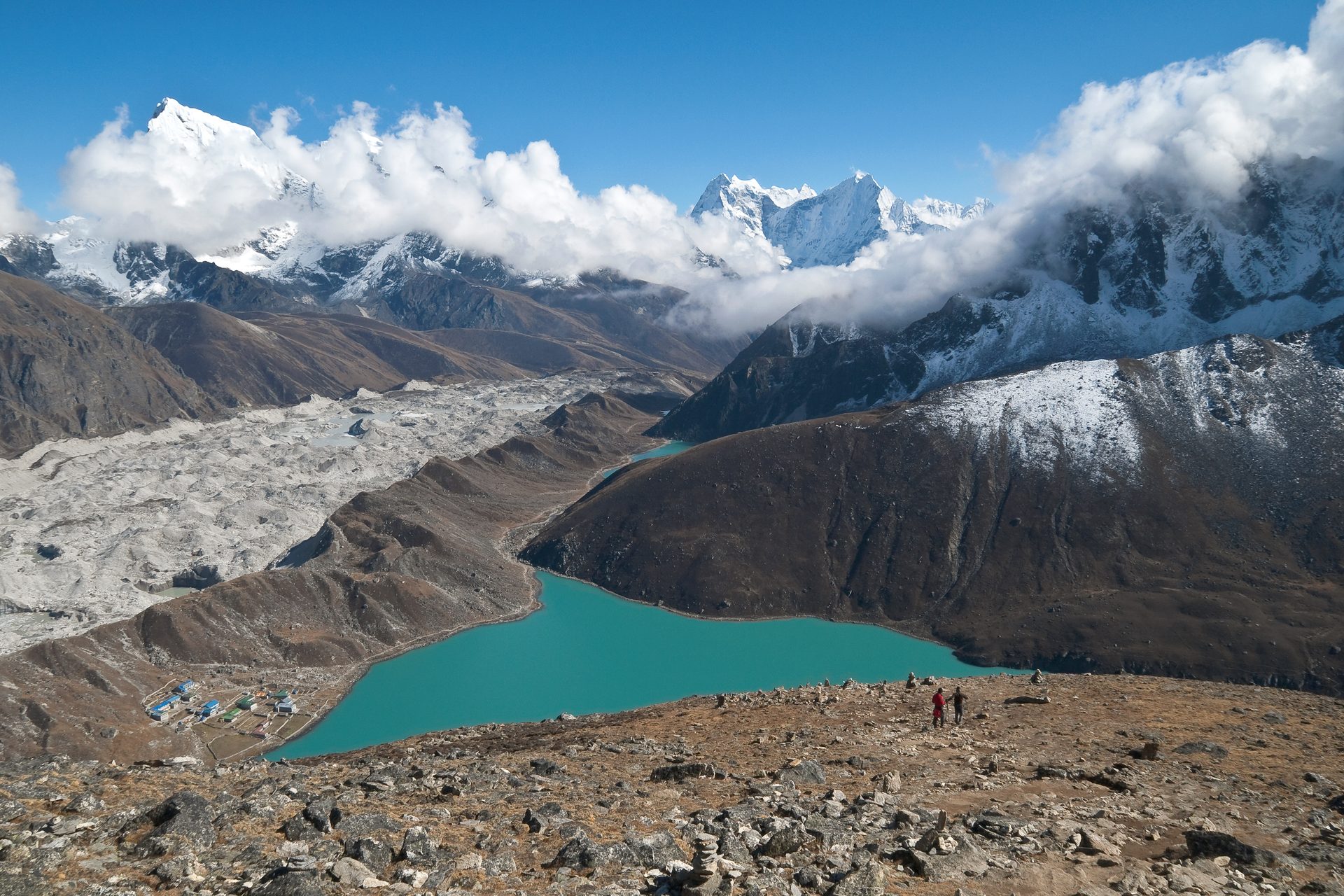
Everest Three Passes Trek - 17 Days
17 Days
From $1795
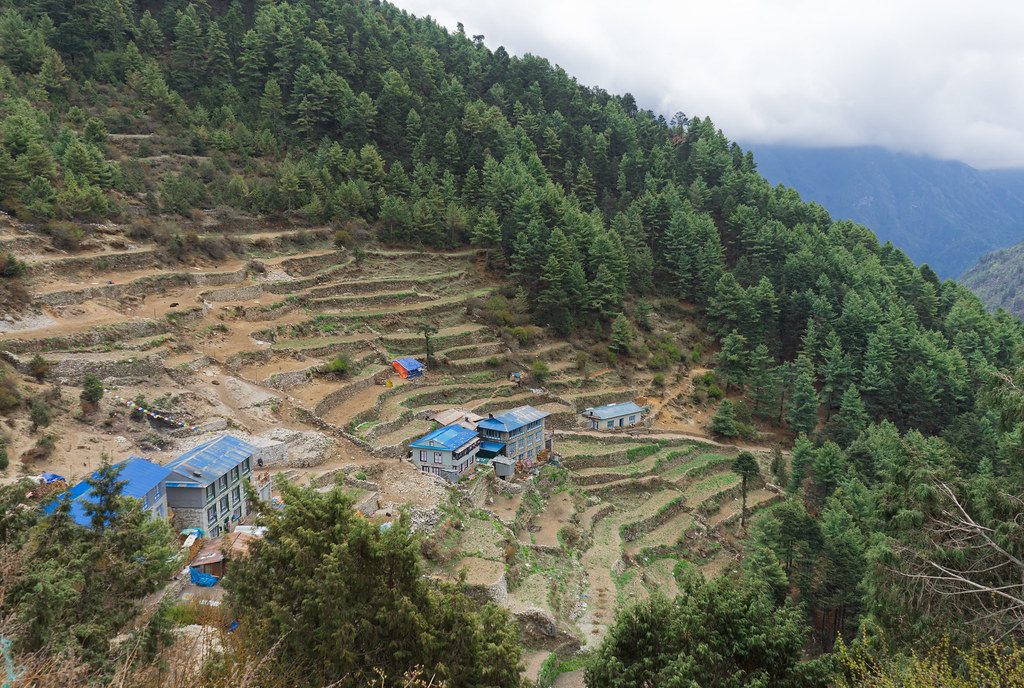
Everest View Panorama Trek - 7 Days
7 Days
From $1050
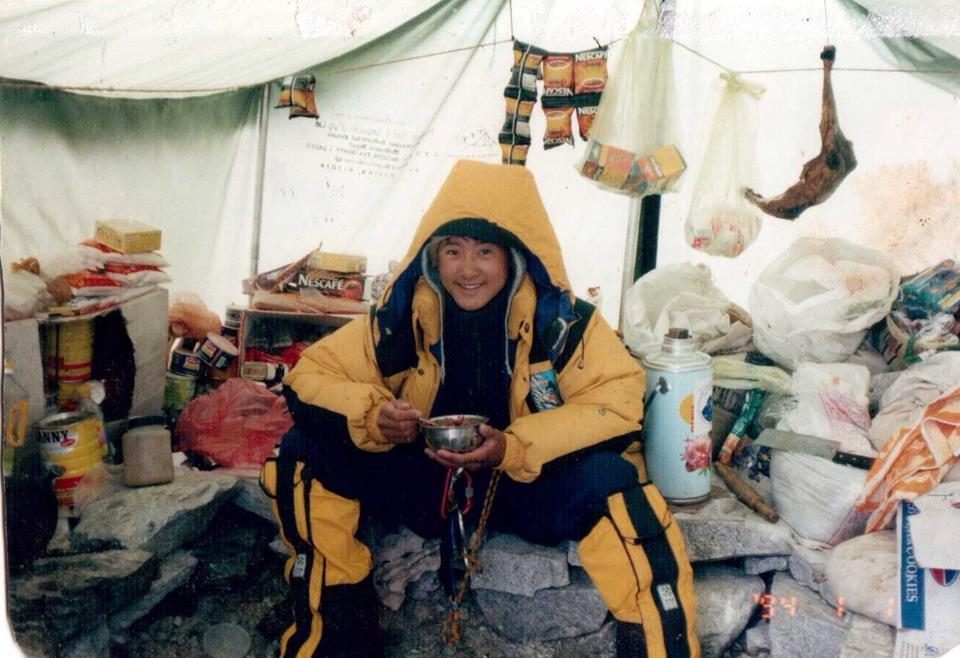
Gokyo Lakes Trek - 12 Days
12 Days
From $1495