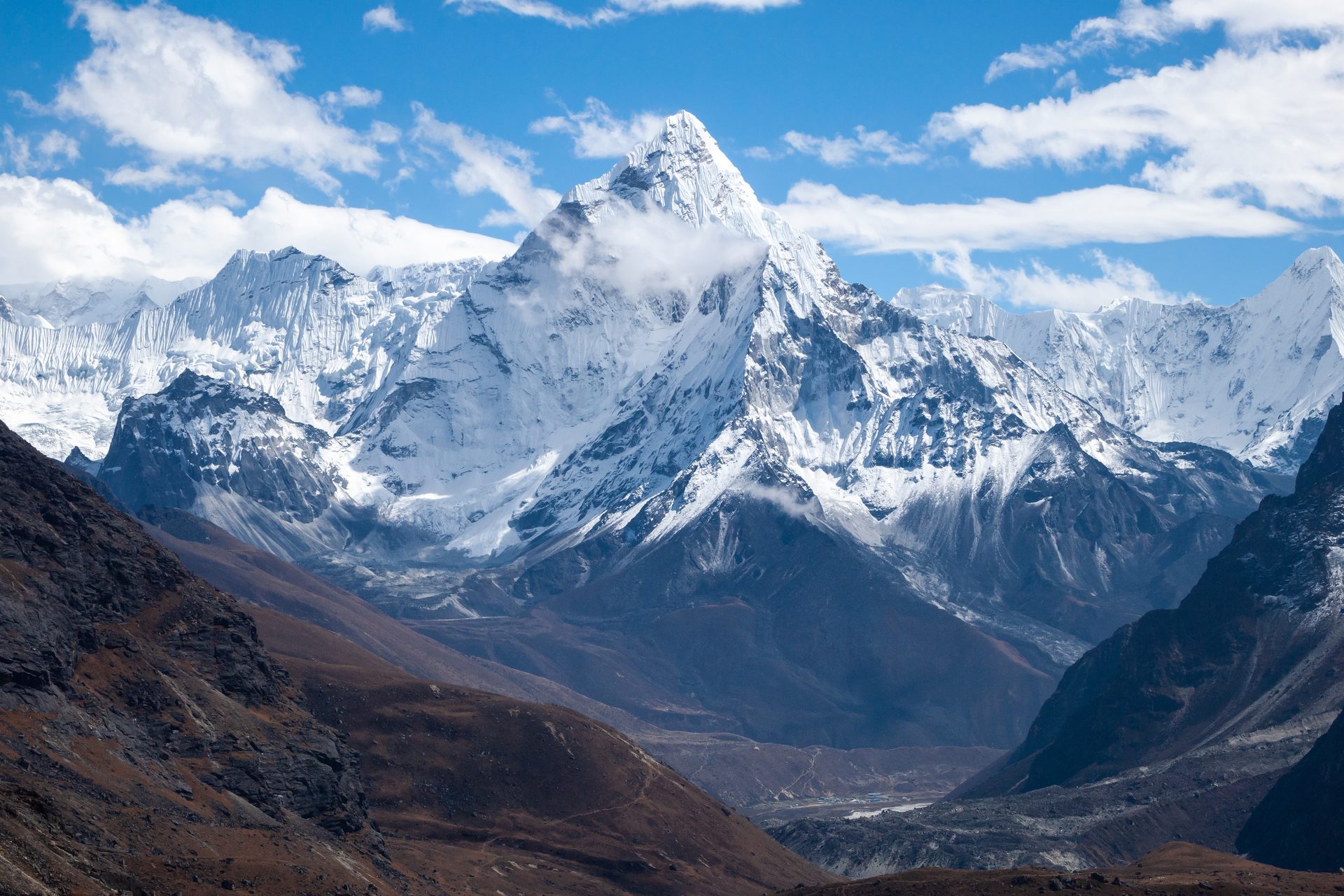
Everest · 16 Days
Everest Base Camp Trek with Island Peak Climbing - 16 Days
Duration
16 Days
Max Altitude
6,160m (20,210 ft)
at Island Peak summit
Grade
Strenuous
Lodging
Teahouse / Lodge + tented base camp
Overview
The Everest Base Camp with Island Peak Climbing itinerary is the most popular two-in-one Khumbu expedition — pairing the world's most famous trek with the most accessible technical climb in Nepal. Across 16 days you walk the classical EBC corridor, stand at the foot of Mount Everest at 5,364m, watch the dawn from Kala Patthar at 5,545m, and then put on crampons to summit Island Peak (Imja Tse, 6,160m) under the guidance of experienced climbing Sherpas.
It is the ideal first Himalayan climb for trekkers ready to graduate from teahouse walking into proper alpine mountaineering. The itinerary is paced with mandatory acclimatisation days at Namche Bazaar and Dingboche, the technical training is delivered at base camp before summit day, and the entire logistics package — permits, climbing gear, guides, porters and flights — is handled end to end.
Highlights
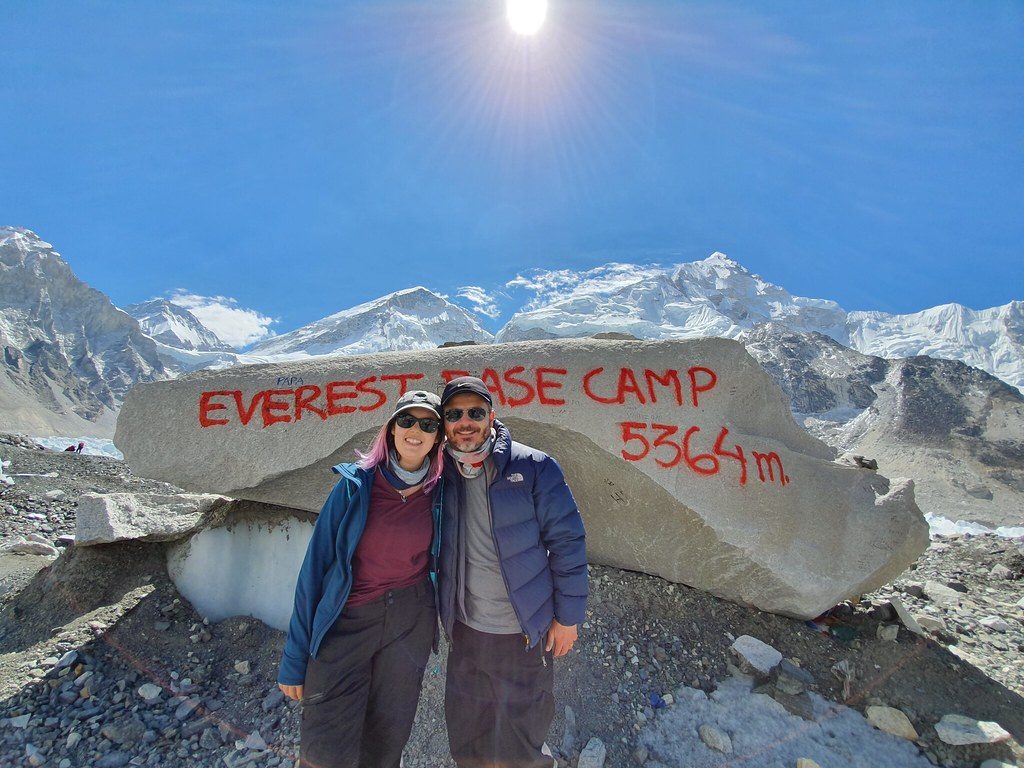
- Reach Everest Base Camp (5,364m) — the storied launch pad of Everest expeditions
- Summit Island Peak (6,160m) using fixed ropes, crampons and ice axe
- Catch the legendary sunrise from Kala Patthar (5,545m) with Everest, Lhotse and Nuptse on display
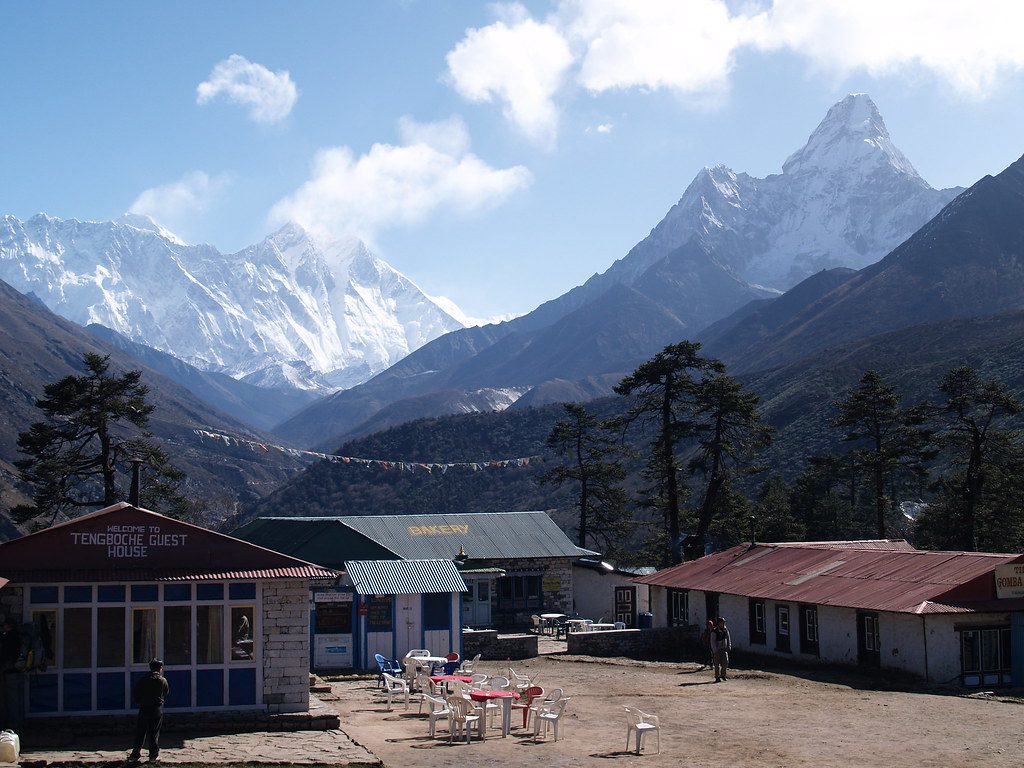
- Trek through the upper Khumbu via Namche, Tengboche, Dingboche and Chhukung
- Receive hands-on mountaineering instruction at Island Peak Base Camp
- Two structured acclimatisation days reduce altitude risk
- Authentic Sherpa hospitality in lodges all the way up the valley
- Compact 16-day window that fits a 3-week holiday
Itinerary
Day 1
Fly Kathmandu to Lukla, Trek to Phakding (2,610m)
⏱ 40-minute flight + ~2 hours walking
🍽 Breakfast, Lunch, Dinner
Day 1
Fly Kathmandu to Lukla, Trek to Phakding (2,610m)
⏱ 40-minute flight + ~2 hours walking 🍽 Breakfast, Lunch, Dinner
Day 2
Phakding to Namche Bazaar (3,440m)
⏱ ~6 hours walking
🍽 Breakfast, Lunch, Dinner
Day 2
Phakding to Namche Bazaar (3,440m)
⏱ ~6 hours walking 🍽 Breakfast, Lunch, Dinner
Day 3
Acclimatisation Day at Namche Bazaar
🍽 Breakfast, Lunch, Dinner
Day 3
Acclimatisation Day at Namche Bazaar
🍽 Breakfast, Lunch, Dinner
Day 4
Namche to Tengboche (3,860m)
⏱ ~5 hours walking
🍽 Breakfast, Lunch, Dinner
Day 4
Namche to Tengboche (3,860m)
⏱ ~5 hours walking 🍽 Breakfast, Lunch, Dinner
Day 5
Tengboche to Pheriche (4,240m)
⏱ ~5 hours walking
🍽 Breakfast, Lunch, Dinner
Day 5
Tengboche to Pheriche (4,240m)
⏱ ~5 hours walking 🍽 Breakfast, Lunch, Dinner
Day 6
Pheriche to Lobuche (4,940m)
⏱ 4-5 hours walking
🍽 Breakfast, Lunch, Dinner
Day 6
Pheriche to Lobuche (4,940m)
⏱ 4-5 hours walking 🍽 Breakfast, Lunch, Dinner
Day 7
Lobuche to Gorak Shep, Visit EBC (5,364m), back to Gorak Shep (5,170m)
⏱ 7-8 hours walking
🍽 Breakfast, Lunch, Dinner
Day 7
Lobuche to Gorak Shep, Visit EBC (5,364m), back to Gorak Shep (5,170m)
⏱ 7-8 hours walking 🍽 Breakfast, Lunch, Dinner
Day 8
Sunrise on Kala Patthar (5,545m), Trek back to Lobuche
⏱ ~7 hours
🍽 Breakfast, Lunch, Dinner
Day 8
Sunrise on Kala Patthar (5,545m), Trek back to Lobuche
⏱ ~7 hours 🍽 Breakfast, Lunch, Dinner
Day 9
Lobuche to Dingboche (4,410m)
⏱ ~4 hours walking
🍽 Breakfast, Lunch, Dinner
Day 9
Lobuche to Dingboche (4,410m)
⏱ ~4 hours walking 🍽 Breakfast, Lunch, Dinner
Day 10
Dingboche to Chhukung (4,730m)
⏱ 2-3 hours walking
🍽 Breakfast, Lunch, Dinner
Day 10
Dingboche to Chhukung (4,730m)
⏱ 2-3 hours walking 🍽 Breakfast, Lunch, Dinner
Day 11
Chhukung to Island Peak Base Camp (5,000m)
⏱ ~4 hours walking
🍽 Breakfast, Lunch, Dinner
Day 11
Chhukung to Island Peak Base Camp (5,000m)
⏱ ~4 hours walking 🍽 Breakfast, Lunch, Dinner
Day 12
Summit Island Peak (6,160m), Return to Chhukung
⏱ 12-14 hours
🍽 Breakfast, Lunch, Dinner
Day 12
Summit Island Peak (6,160m), Return to Chhukung
⏱ 12-14 hours 🍽 Breakfast, Lunch, Dinner
Day 13
Chhukung to Dingboche (4,410m)
⏱ 4-5 hours walking
🍽 Breakfast, Lunch, Dinner
Day 13
Chhukung to Dingboche (4,410m)
⏱ 4-5 hours walking 🍽 Breakfast, Lunch, Dinner
Day 14
Dingboche to Namche Bazaar (3,440m)
⏱ ~5 hours walking
🍽 Breakfast, Lunch, Dinner
Day 14
Dingboche to Namche Bazaar (3,440m)
⏱ ~5 hours walking 🍽 Breakfast, Lunch, Dinner
Day 15
Namche to Lukla (2,840m)
⏱ ~6 hours walking
🍽 Breakfast, Lunch, Dinner
Day 15
Namche to Lukla (2,840m)
⏱ ~6 hours walking 🍽 Breakfast, Lunch, Dinner
Day 16
Fly Lukla to Kathmandu
⏱ 30-40 minute flight
Day 16
Fly Lukla to Kathmandu
⏱ 30-40 minute flight
Ready to walk this?
Enquire now →What's included
Included
- Airport pickup and drop in Kathmandu
- All meals (breakfast, lunch and dinner) from Lukla onwards
- Sagarmatha National Park entry permit and Khumbu Pasang Lhamu Rural Municipality permit
- Island Peak climbing permit
- Group climbing gear (ropes, snow bars, ice screws, anchors)
- Professional climbing Sherpa guide
- Government-licensed trekking guide for the full trip
- Porter support (1 porter per 2 trekkers)
- Insurance, salary, lodging and meals for all staff
- Round-trip Kathmandu-Lukla flights
- Two nights of tented camping at Island Peak Base Camp
- Teahouse lodging throughout the trekking days
Not included
- International flights to and from Nepal
- Nepal tourist visa fee
- Alcoholic and bottled drinks
- Tips for guides, climbing Sherpas and porters
- Personal climbing boots (rentable in Kathmandu or Namche)
- Personal expenses (laundry, hot showers, charging, Wi-Fi)
- Any item not specifically listed in Includes
- Compensation for delays caused by weather or natural disasters
- Spring season climbing permit surcharge (USD 175 in March-May)
Trek guide
A First Himalayan Climb, Done Right
Island Peak (Imja Tse) has earned its reputation as the best beginner-friendly 6,000m climb in Nepal. The summit involves real alpine terrain — fixed ropes, ladder bridges over crevasses, a steep ice headwall and a narrow summit ridge — but with proper guiding it is achievable for trekkers without prior mountaineering experience. Combining the climb with EBC means you arrive at base camp already well-acclimatised, dramatically improving your odds.
The Two Objectives
- Everest Base Camp (5,364m): The fabled tent city under the Khumbu Icefall. In peak season, you'll see climbers preparing for Everest itself.
- Kala Patthar (5,545m): Higher than EBC and with a far better Everest view. Sunrise here is the iconic photograph.
- Island Peak (6,160m): A clean alpine summit above the Imja Tsho glacial lake, surrounded by Lhotse, Nuptse and Ama Dablam.
Geography and Route
The classical EBC trail runs from Lukla via Phakding, Namche, Tengboche, Pheriche, Lobuche and Gorak Shep. After Kala Patthar you double back to Dingboche, side-trip up the Chhukung valley to Island Peak Base Camp, summit, and finally descend the Khumbu corridor back to Lukla.
Permits
- Sagarmatha National Park entry permit
- Khumbu Pasang Lhamu Rural Municipality permit
- Island Peak climbing permit (issued by the Nepal Mountaineering Association)
All three are included in the package and arranged for you.
Altitude and Acclimatisation
You sleep at 5,170m at Gorak Shep, climb to 5,545m at Kala Patthar, then drop back down for a rest before the Island Peak push (sleeping at 5,000m, summit at 6,160m). Built-in rest days at Namche and Dingboche, plus the natural altitude profile of EBC followed by a descent before the climb, make this one of the safer ways to attempt your first 6,000m summit.
Best Season
- Spring (March-May): Warmer, busier, more pre-fixed ropes on the climb
- Autumn (September-November): Cooler, sharper visibility, fewer crowds
Winter and monsoon are not recommended.
Fitness
Strenuous. You should be comfortable walking 6-8 hours a day with a daypack at altitude. Cardio training (running, hiking, stair climbing) for at least 3-4 months before the trip is the standard recommendation. Prior trekking experience above 4,000m is a big advantage.
Packing list
Clothing: Expedition down jacket, fleece mid-layers, hardshell jacket and trousers, thermal base layers, trekking shirts and trousers, 4 pairs of socks (including expedition weight), balaclava, beanie, sun hat, buff, liner gloves, insulated gloves
Footwear: Insulated mountaineering boots for the climb (rentable), broken-in trekking boots for the approach, lodge shoes, gaiters
Technical climbing gear (most can be rented): 12-point crampons, ice axe, harness, climbing helmet, ascender (jumar), belay/abseil device, 2-3 locking carabiners, slings, prusik cord
Sleep: Down sleeping bag rated to -15°C or lower, inflatable sleeping pad
Accessories: 30L daypack, 70-80L duffel for the porter, trekking poles, headlamp + spare batteries, glacier glasses, refillable insulated water bottle, water purification, power bank, universal adapter
Documents: Passport with Nepal visa, climbing-grade travel insurance, 6 passport photos, cash
Medical: First-aid kit, sunscreen SPF 50+, lip balm, painkillers, Diamox (after consulting your doctor)
Frequently asked questions
Do I need prior climbing experience?
Is the climb dangerous?
Which permits do I need?
How does the acclimatisation work?
What is the price difference for spring?
Can the itinerary be customised?
What climbing gear is provided?
How cold is summit day?
What happens if I can't summit?
Is travel insurance mandatory?
What is the food like at base camp?
Still have questions? Talk to a guide →
Why book this with us
Senior local guides. Small groups. Honest pricing.
- Departures led by a guide who grew up in the region.
- Max 8 trekkers per group — no convoys.
- 100% Nepali-owned. Profit stays in the valleys.
- Free cancellation up to 30 days before departure.
- Permits, internal flights and TIMS handled by us.
- 24/7 in-country support during your trek.
More in Everest
Ama Dablam Base Camp Trek - 9 Days
9 Days
From $1195
Everest Base Camp Trek - 14 Days
14 Days
From $1395
Everest Three Passes Trek - 17 Days
17 Days
From $1795
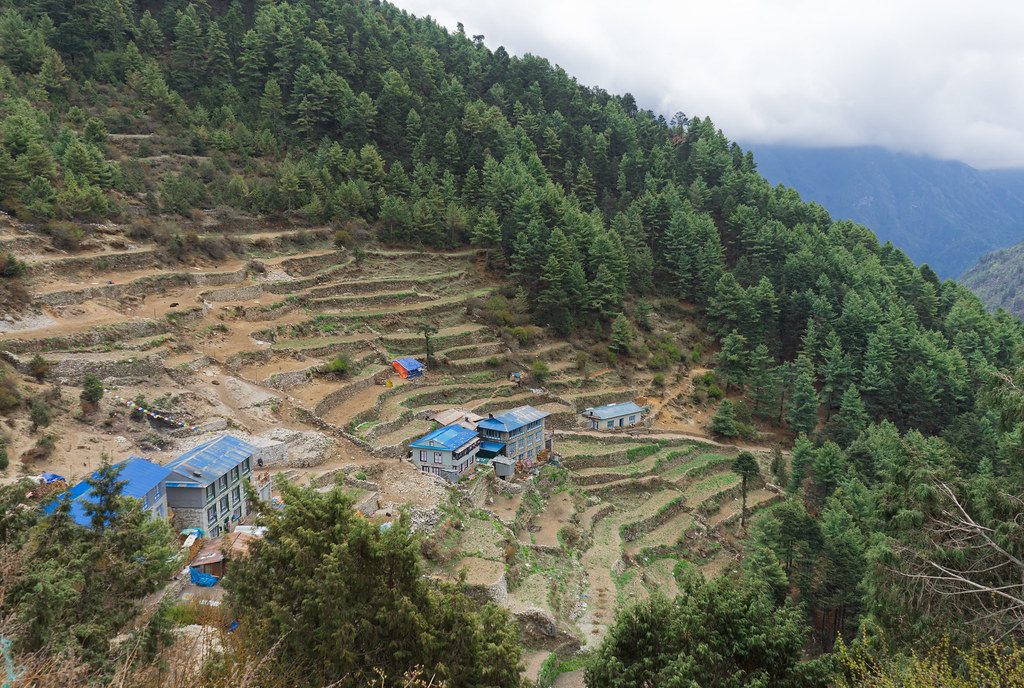
Everest View Panorama Trek - 7 Days
7 Days
From $1050
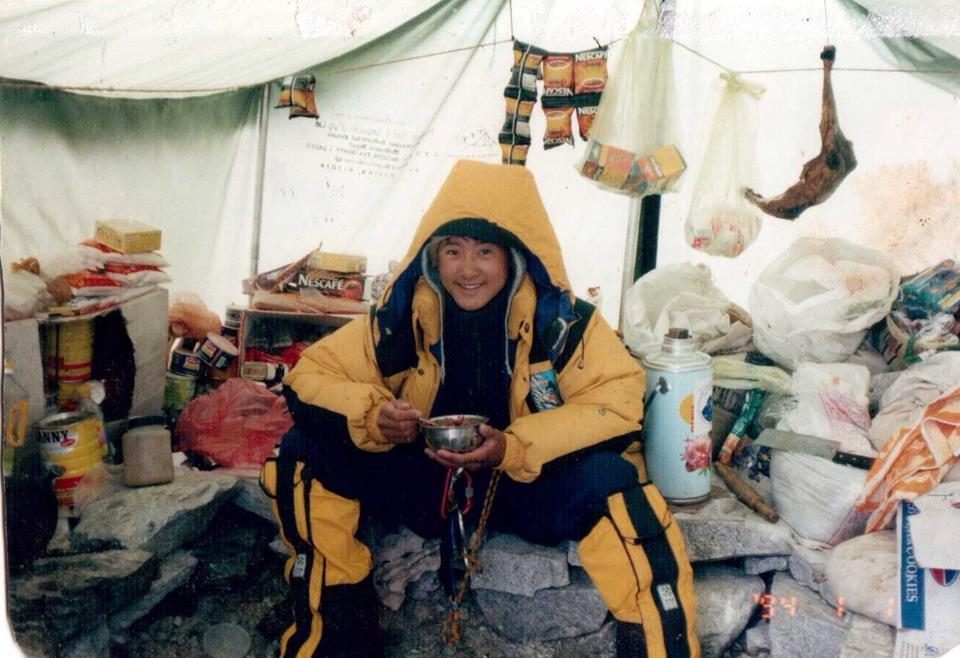
Gokyo Lakes Trek - 12 Days
12 Days
From $1495
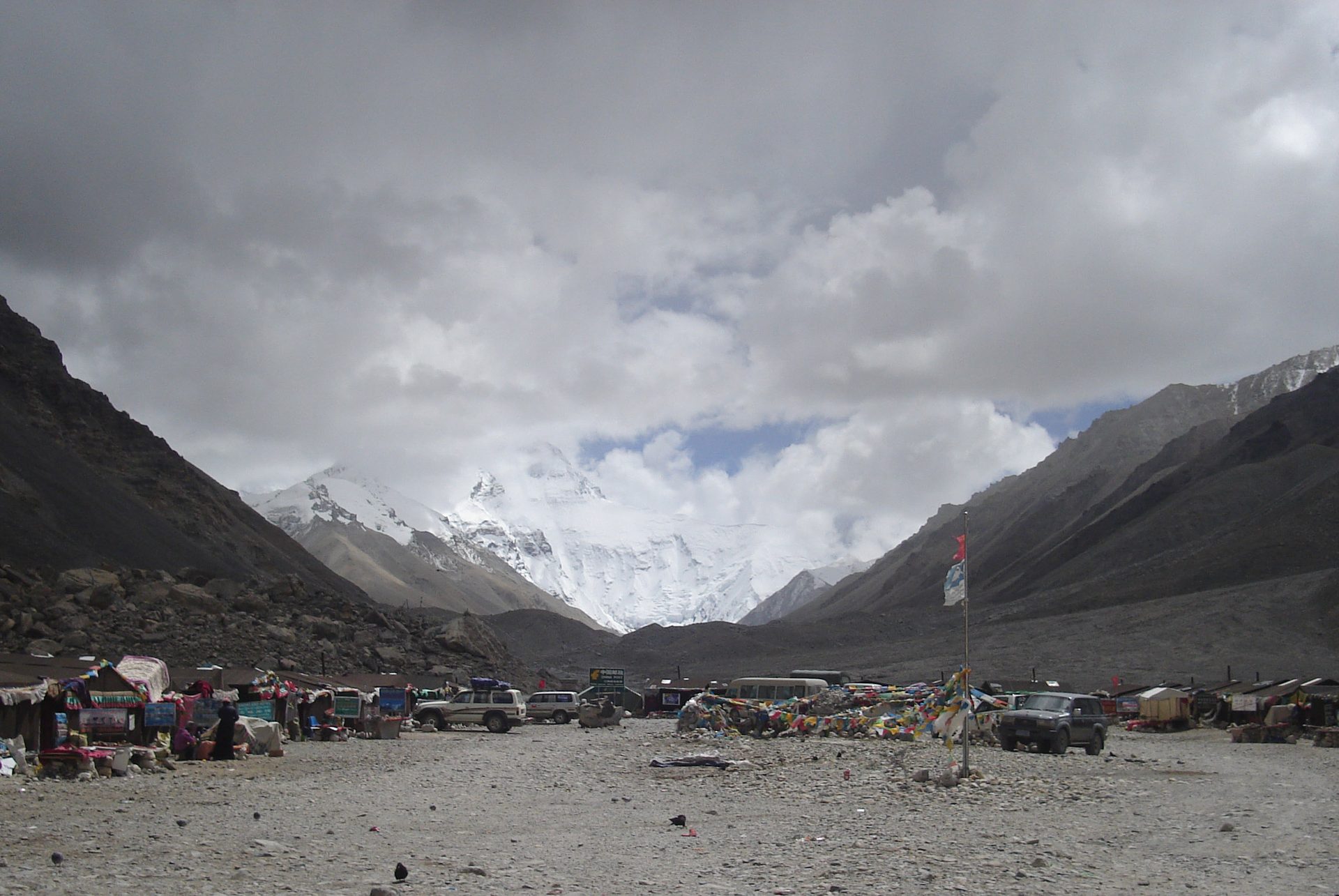
Island Peak Climbing - 15 Days
15 Days
From $2050