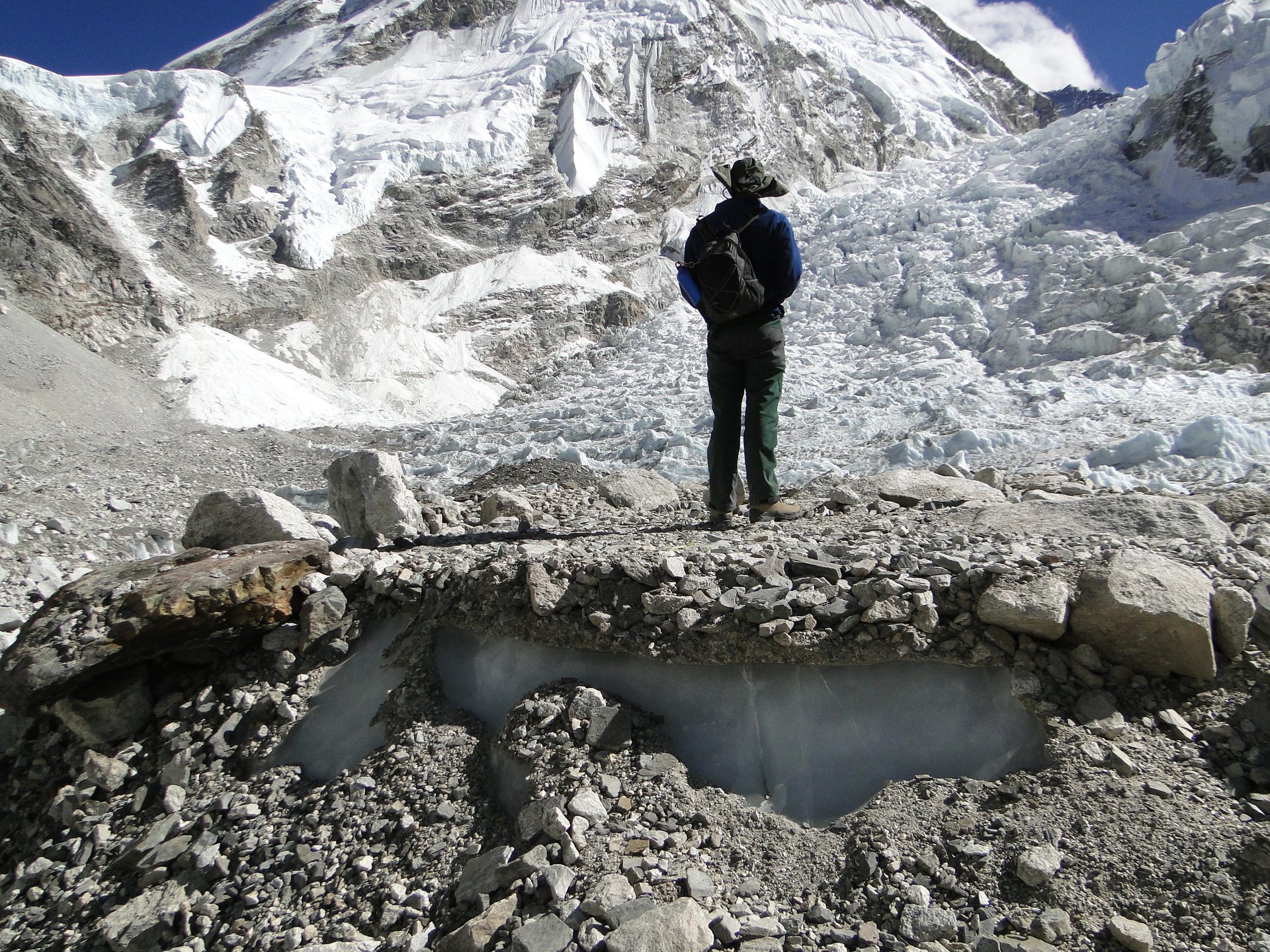
Everest · 14 Days
Mera Peak Climbing - 14 Days
Duration
14 Days
Max Altitude
6,476m (21,247 ft)
at Mera North summit
Grade
Challenging
Lodging
Teahouse / Lodge + tented high camp
Overview
Mera Peak at 6,476m is the highest officially classified trekking peak in Nepal. Despite the altitude, the climbing is non-technical - a long, steady snow plod up the gentle north face of the Mera glacier, then a final fixed-rope section on the summit cone. There is no head wall, no knife-edge ridge, no exposure to drop-offs. What there is, in abundance, is altitude.
From the summit you see five 8,000m peaks - Everest, Lhotse, Cho Oyu, Makalu and Kanchenjunga - in a single unbroken sweep. It is the largest 8,000m panorama you can earn without a fully technical expedition. Our 14-day itinerary uses the jeep approach via Bung Mahakulung (Hinku valley) rather than the longer Zatrwa La pass route - this is gentler on the acclimatisation and saves four days.
Highlights
- Summit Nepal's highest trekking peak (6,476m)
- Five 8,000m peaks visible from the summit: Everest, Lhotse, Makalu, Cho Oyu, Kanchenjunga
- Non-technical glacier climb - no head wall, no exposed ridges
- Approach through the wild Hinku valley - quiet, traditional, untouristed
- Sacred Panch Pokhari (Five Lakes) high-altitude pilgrimage site
- Pre-summit training day at Khare base camp covering crampons, ice axe and rope work
- Tented high camp at 5,800m for a shorter, more humane summit day
- NMA-certified climbing sirdar with 1 sirdar per 3 climbers
- Visit ancient Khiraule Gompa (founded 1738)
- All climbing gear (except boots) included
Itinerary
Day 1
Kathmandu to Bung Mahakulung (1,700m)
⏱ 12 hours
↔ 280 km by jeep
🍽 Breakfast, Lunch, Dinner
Day 1
Kathmandu to Bung Mahakulung (1,700m)
⏱ 12 hours ↔ 280 km by jeep 🍽 Breakfast, Lunch, Dinner
Day 2
Bung to Khiraule Gompa (2,600m)
⏱ 4-5 hours
↔ 9 km
🍽 Breakfast, Lunch, Dinner
Day 2
Bung to Khiraule Gompa (2,600m)
⏱ 4-5 hours ↔ 9 km 🍽 Breakfast, Lunch, Dinner
Day 3
Khiraule Gompa to Cholem Kharka (3,600m)
⏱ 4-5 hours
↔ 10 km
🍽 Breakfast, Lunch, Dinner
Day 3
Khiraule Gompa to Cholem Kharka (3,600m)
⏱ 4-5 hours ↔ 10 km 🍽 Breakfast, Lunch, Dinner
Day 4
Cholem Kharka to Panch Pokhari (4,200m)
⏱ 5-6 hours
↔ 7 km
🍽 Breakfast, Lunch, Dinner
Day 4
Cholem Kharka to Panch Pokhari (4,200m)
⏱ 5-6 hours ↔ 7 km 🍽 Breakfast, Lunch, Dinner
Day 5
Panch Pokhari to Kothe (3,550m)
⏱ 4-5 hours
↔ 9 km
🍽 Breakfast, Lunch, Dinner
Day 5
Panch Pokhari to Kothe (3,550m)
⏱ 4-5 hours ↔ 9 km 🍽 Breakfast, Lunch, Dinner
Day 6
Kothe to Thangnak (4,350m)
⏱ 4-5 hours
↔ 9 km
🍽 Breakfast, Lunch, Dinner
Day 6
Kothe to Thangnak (4,350m)
⏱ 4-5 hours ↔ 9 km 🍽 Breakfast, Lunch, Dinner
Day 7
Thangnak to Khare (5,000m)
⏱ 3-4 hours
↔ 6 km
🍽 Breakfast, Lunch, Dinner
Day 7
Thangnak to Khare (5,000m)
⏱ 3-4 hours ↔ 6 km 🍽 Breakfast, Lunch, Dinner
Day 8
Acclimatisation and climbing training at Khare
⏱ 4-5 hours
🍽 Breakfast, Lunch, Dinner
Day 8
Acclimatisation and climbing training at Khare
⏱ 4-5 hours 🍽 Breakfast, Lunch, Dinner
Day 9
Khare to Mera High Camp (5,800m)
⏱ 5-6 hours
↔ 5 km
🍽 Breakfast, Lunch, Dinner
Day 9
Khare to Mera High Camp (5,800m)
⏱ 5-6 hours ↔ 5 km 🍽 Breakfast, Lunch, Dinner
Day 10
Summit Mera North (6,476m), descend to Khare
⏱ 8-10 hours
▲ 6,476m
🍽 Pre-dawn snack, packed Lunch, Dinner
Day 10
Summit Mera North (6,476m), descend to Khare
⏱ 8-10 hours ▲ 6,476m 🍽 Pre-dawn snack, packed Lunch, Dinner
Day 11
Khare to Kothe (3,550m)
⏱ 6 hours
↔ 15 km
🍽 Breakfast, Lunch, Dinner
Day 11
Khare to Kothe (3,550m)
⏱ 6 hours ↔ 15 km 🍽 Breakfast, Lunch, Dinner
Day 12
Kothe to Thuli Kharka (4,200m)
⏱ 6 hours
↔ 11 km
🍽 Breakfast, Lunch, Dinner
Day 12
Kothe to Thuli Kharka (4,200m)
⏱ 6 hours ↔ 11 km 🍽 Breakfast, Lunch, Dinner
Day 13
Thuli Kharka to Lukla (2,840m) via Zatrwa La (4,610m)
⏱ 6-7 hours
↔ 12 km
🍽 Breakfast, Lunch, Dinner
Day 13
Thuli Kharka to Lukla (2,840m) via Zatrwa La (4,610m)
⏱ 6-7 hours ↔ 12 km 🍽 Breakfast, Lunch, Dinner
Day 14
Fly Lukla to Kathmandu
⏱ 35-min flight
🍽 Breakfast
Day 14
Fly Lukla to Kathmandu
⏱ 35-min flight 🍽 Breakfast
Ready to walk this?
Enquire now →What's included
Included
- Airport transfers and one-way flight Lukla-Kathmandu
- 12-hour private jeep transfer Kathmandu to Bung Mahakulung
- Mera Peak climbing permit (NMA)
- Khumbu Pasang Lhamu Rural Municipality permit and Makalu Barun National Park permits (as needed)
- Senior English-speaking trekking guide on the approach
- NMA-certified climbing sirdar for the summit push (1 per 3 climbers)
- Climbing gear: crampons, ice axe, harness, helmet, jumar, descender, slings, carabiners
- 1 porter for every 2 trekkers
- Teahouse accommodation on the approach and descent
- Tented high camp at 5,800m with sleeping tents, dining tent, toilet tent and kitchen crew
- Three meals a day throughout (lodges + camp)
- Emergency evacuation co-ordination
- Pulse-oximeter monitoring above 4,000m
- All government taxes and service charges
Not included
- Nepal entry visa fee
- International airfare
- Travel insurance covering climbing up to 6,500m with helicopter rescue (compulsory)
- Personal mountaineering boots (rentable in Kathmandu)
- Personal trekking gear, down jacket, sleeping bag (rentable in Kathmandu)
- Hot showers, Wi-Fi, charging
- Bottled water, sodas, alcohol
- Tips for the climbing sirdar, guide and porters
- Any cost arising from flight delays or weather
Trek guide
Why Mera Peak
Mera was first climbed in 1953 by Jimmy Roberts and Sen Tenzing - the same year Hillary and Tenzing summited Everest. It has three summits: Mera North (6,476m), Mera Central (6,461m) and Mera South (6,065m). The North summit is the standard climb and the one we attempt.
The Climb in Plain Terms
This is not a technical climb in the head-wall sense - there is no near-vertical pitch. It is a gentle but unrelenting snow walk up a glacier, gaining 700m of altitude over a 5-hour push from high camp. The final 50m to the summit involves a fixed rope on a moderate snow slope.
Summit day looks like:
- 2-3am wake-up at high camp (5,800m).
- Rope up at the camp edge, walk up the Mera glacier on flat-to-gentle snow.
- Steady ascent for 4-5 hours to the summit shoulder.
- Last 50m up a 35-40 degree snow slope using a jumar on a fixed rope.
- Summit, photos, descend.
- Back to Khare base camp by mid-afternoon.
Acclimatisation
The Hinku valley approach naturally builds acclimatisation - you walk from 1,700m at Bung to 5,000m at Khare over six days. A dedicated rest day at Khare is used for climbing training. Optional acclimatisation hike to 5,400m the day before the high-camp push.
Permits
- Mera Peak Climbing Permit (NMA) - USD 250-500 depending on season
- Khumbu Pasang Lhamu Rural Municipality Permit
- Makalu Barun National Park Permit (the trek passes through buffer zone)
All issued in Kathmandu by our office.
Best Season
- Spring (April-May): Stable weather, warmer summit conditions, busier
- Autumn (October-November): Coldest, driest, the photographer's season
Fitness
Strenuous. You should be able to walk 6-8 hours daily at altitude with a 7 kg daypack, and walk in crampons for 7-8 continuous hours on summit day. Prior trekking experience to 5,000m+ strongly recommended. 4-6 months of focussed cardio + leg strength + at least one multi-day Himalayan trek beforehand.
Packing list
Climbing gear (we provide): Crampons, ice axe, harness, helmet, jumar, descender, carabiners, slings
Personal climbing gear: Plastic or rigid mountaineering boots (B2/B3), gaiters, -30C rated down expedition jacket, -25C 4-season sleeping bag
Clothing: Heavy down jacket, fleece mid-layer, hard-shell jacket and trousers, soft-shell trousers, 3 base layer tops, 2 trekking trousers, thermal long johns, 6 pairs socks (incl. thick mountaineering socks), warm beanie, balaclava, neck buff, insulated mittens, liner gloves
Footwear: Mountaineering boots, broken-in trekking boots, camp shoes
Accessories: 40L summit pack, 65L duffel for porter, headlamp with extra batteries, glacier glasses cat 4 with side shields, goggles, 2L insulated water capacity, water purification, power bank (15,000+ mAh)
Documents: Passport with Nepal visa, climbing insurance certificate, 4 passport photos
Medical: Diamox 250mg, painkillers, antihistamines, blister care, SPF 50+ sunscreen and lip balm, rehydration salts, personal medications
Frequently asked questions
Is Mera harder than Island Peak?
Do I need climbing experience?
What is the success rate?
Why the jeep approach instead of the Zatrwa La trek?
How cold is summit night?
Mera or Island Peak for a first 6,000m?
Can I combine both?
Do I need my own mountaineering boots?
What insurance do I need?
Are there toilets at high camp?
Still have questions? Talk to a guide →
Why book this with us
Senior local guides. Small groups. Honest pricing.
- Departures led by a guide who grew up in the region.
- Max 8 trekkers per group — no convoys.
- 100% Nepali-owned. Profit stays in the valleys.
- Free cancellation up to 30 days before departure.
- Permits, internal flights and TIMS handled by us.
- 24/7 in-country support during your trek.
More in Everest
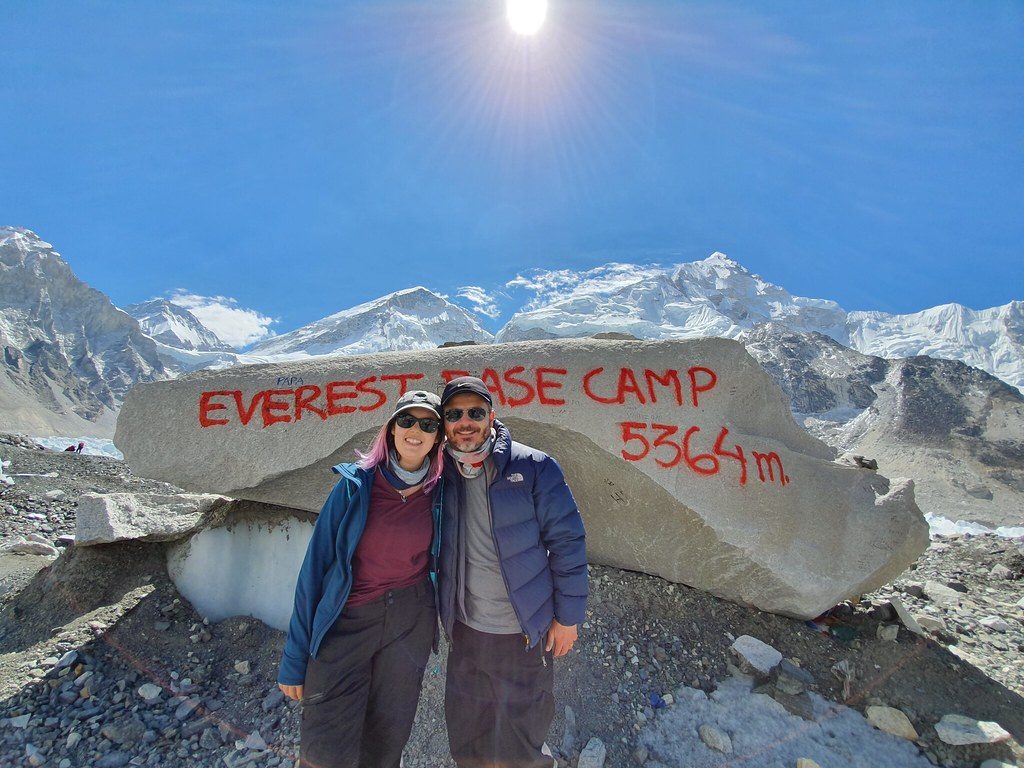
Ama Dablam Base Camp Trek - 9 Days
9 Days
From $1195
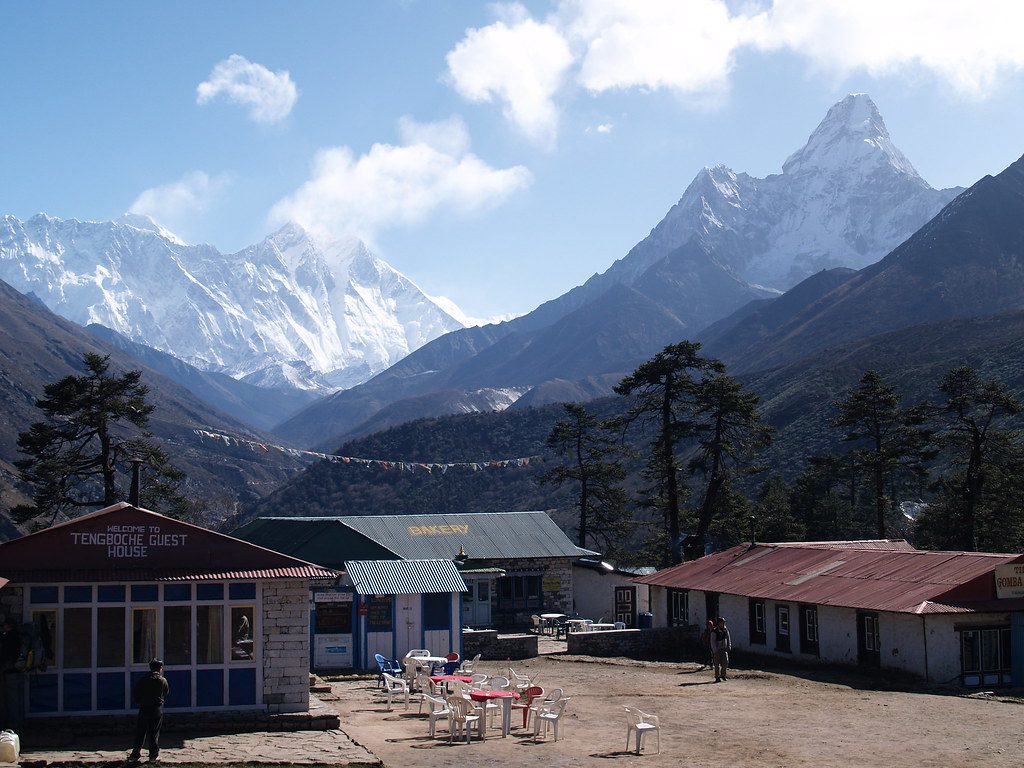
Everest Base Camp Trek - 14 Days
14 Days
From $1395
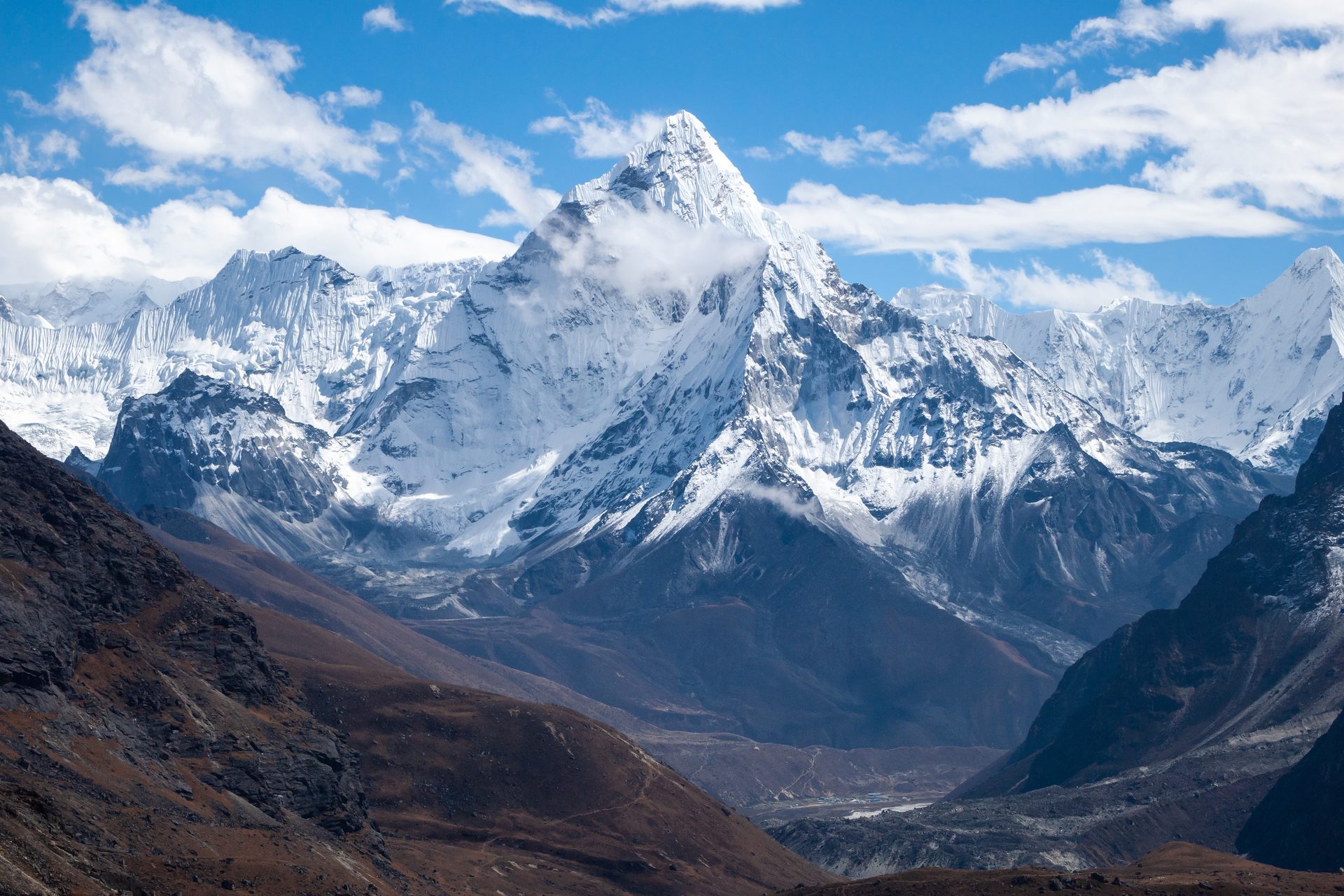
Everest Base Camp Trek with Island Peak Climbing - 16 Days
16 Days
From $2200
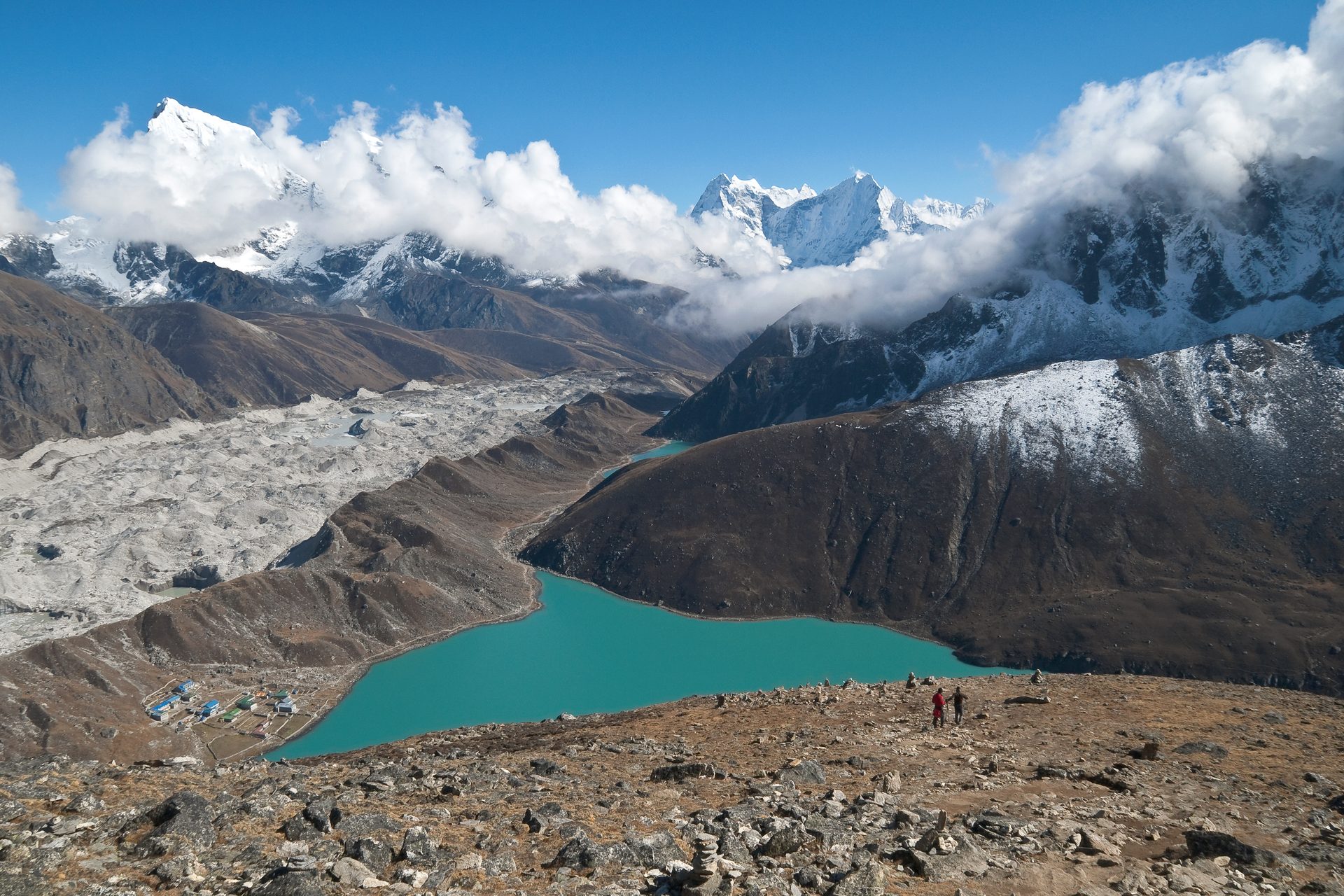
Everest Three Passes Trek - 17 Days
17 Days
From $1795
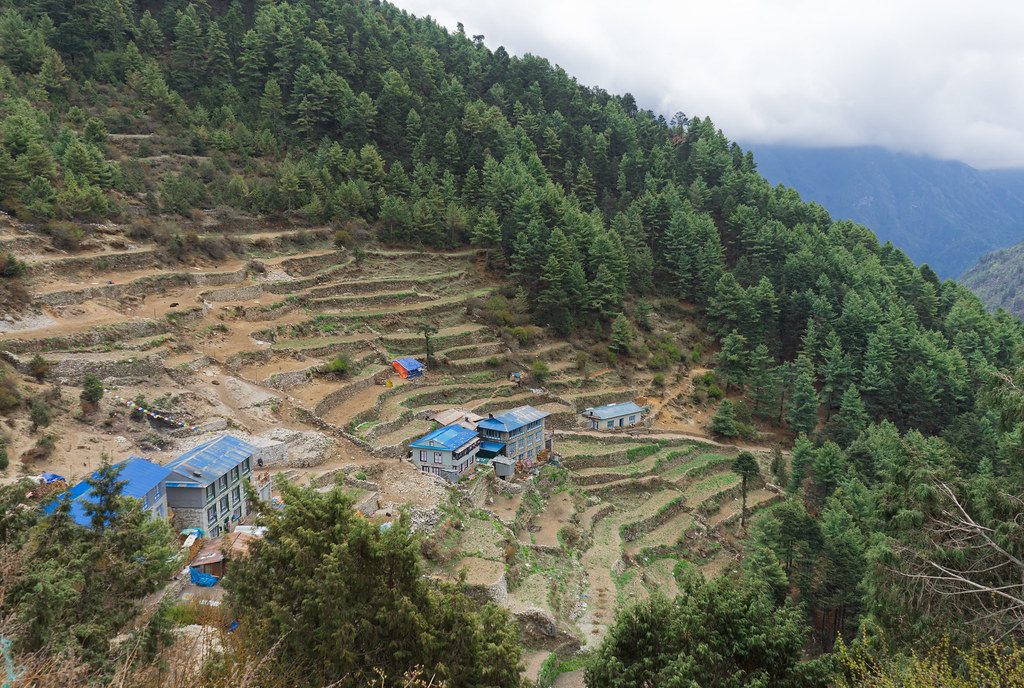
Everest View Panorama Trek - 7 Days
7 Days
From $1050
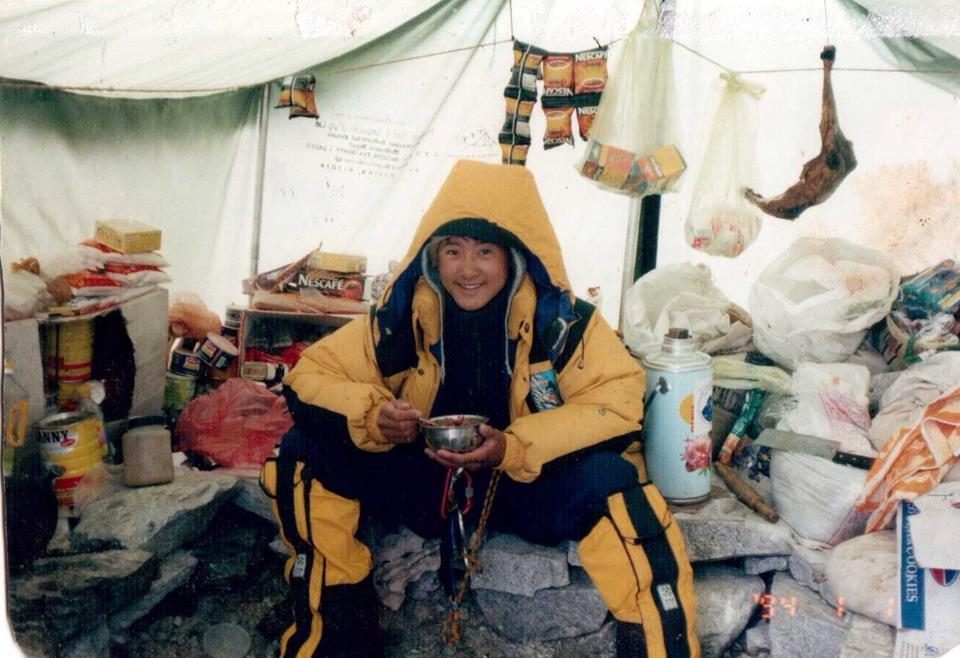
Gokyo Lakes Trek - 12 Days
12 Days
From $1495