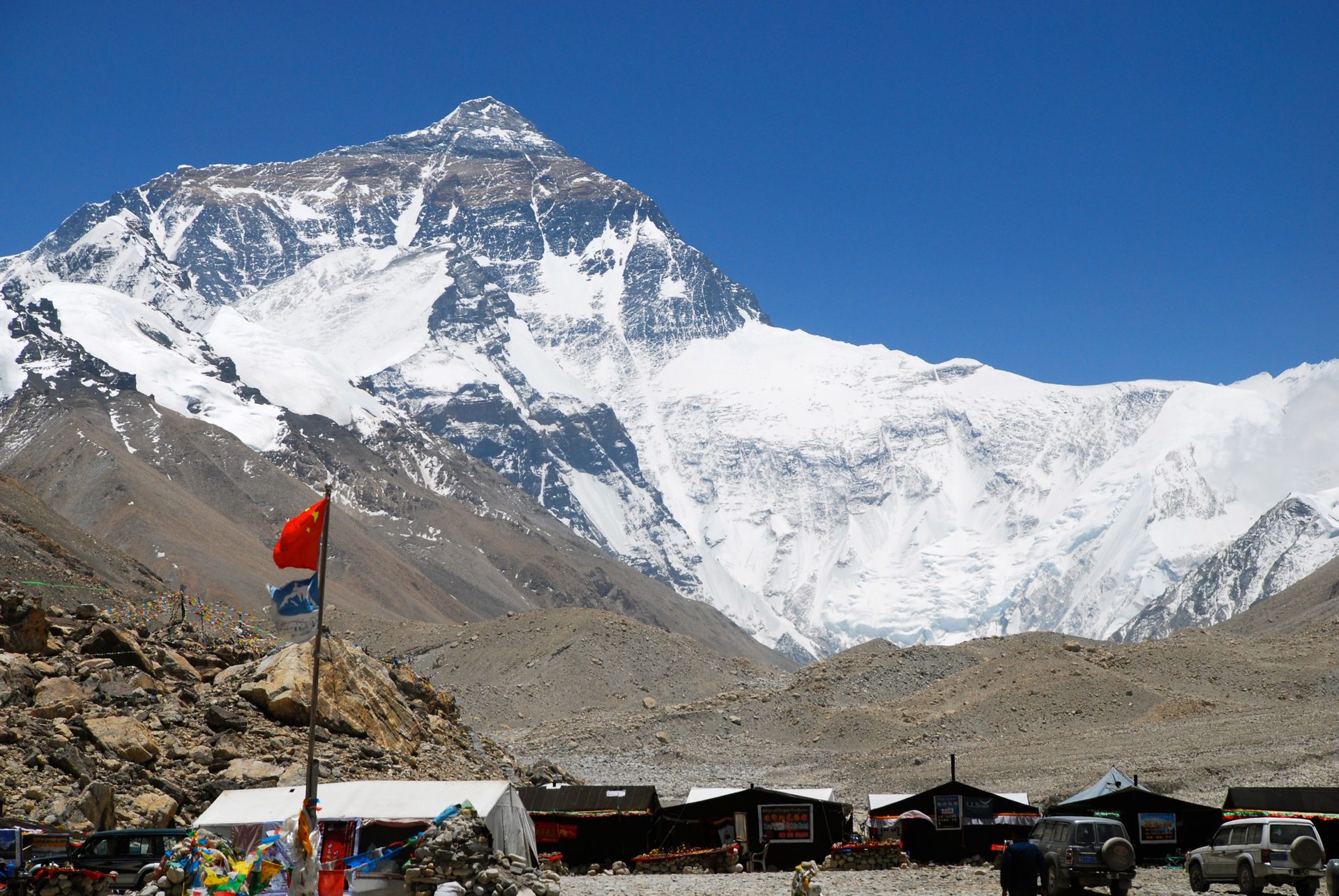
Everest · 25 Days
Three Peaks Climbing: Mera, Island & Lobuche - 25 Days
Duration
25 Days
Max Altitude
6,461m (21,194 ft)
at Mera Peak summit
Grade
Strenuous
Lodging
Teahouse / Lodge + tented base camps
Overview
The Three Peaks Climbing Expedition links together Nepal's three most popular Khumbu trekking peaks — Mera Peak (6,461m), Island Peak (6,189m) and Lobuche East (6,119m) — into one 25-day Himalayan campaign. It is an ambitious itinerary built for climbers who want to progress from non-technical glacier walking on Mera, through fixed-rope ice on Island, to the steep snow and ice headwall of Lobuche East, all within a single expedition season.
The route also folds in a full classical Everest Base Camp visit with a sunrise climb of Kala Patthar (5,545m), making this one of the most complete and rewarding climbing trips in the Khumbu. Strategically placed acclimatisation rest days, contingency days for weather, and licensed NMA climbing guides make the expedition as safe and well-supported as a serious triple-summit programme can realistically be.
Highlights
- Summit three iconic trekking peaks in a single expedition: Mera (6,461m), Island (6,189m) and Lobuche East (6,119m)
- Stand at Everest Base Camp (5,364m) and watch sunrise from Kala Patthar (5,545m)
- Cross the technical Amphu Lapcha Pass (5,850m) from the Hongu to the Khumbu
- Climb under the guidance of NMA-registered Sherpa climbing guides and full base-camp support
- Experience a natural progression from non-technical to semi-technical Himalayan climbing
- Built-in contingency days for weather windows and acclimatisation
- All permits, climbing gear, food and lodging arranged from start to finish
- Sweeping panoramas of Everest, Lhotse, Nuptse, Makalu and Cho Oyu
Itinerary
Day 1
Fly Kathmandu to Lukla, Trek to Chutanga (3,060m)
⏱ 40-minute flight + 4-5 hours walking
🍽 Breakfast, Lunch, Dinner
Day 1
Fly Kathmandu to Lukla, Trek to Chutanga (3,060m)
⏱ 40-minute flight + 4-5 hours walking 🍽 Breakfast, Lunch, Dinner
Day 2
Chutanga to Tuli Kharka via Zatrwa La (4,610m)
⏱ 6-7 hours walking
🍽 Breakfast, Lunch, Dinner
Day 2
Chutanga to Tuli Kharka via Zatrwa La (4,610m)
⏱ 6-7 hours walking 🍽 Breakfast, Lunch, Dinner
Day 3
Tuli Kharka to Kothe (4,095m)
⏱ 5-6 hours walking
🍽 Breakfast, Lunch, Dinner
Day 3
Tuli Kharka to Kothe (4,095m)
⏱ 5-6 hours walking 🍽 Breakfast, Lunch, Dinner
Day 4
Kothe to Thangnak (4,350m)
⏱ 4-5 hours walking
🍽 Breakfast, Lunch, Dinner
Day 4
Kothe to Thangnak (4,350m)
⏱ 4-5 hours walking 🍽 Breakfast, Lunch, Dinner
Day 5
Thangnak to Khare (5,054m)
⏱ 4-5 hours walking
🍽 Breakfast, Lunch, Dinner
Day 5
Thangnak to Khare (5,054m)
⏱ 4-5 hours walking 🍽 Breakfast, Lunch, Dinner
Day 6
Acclimatisation Day at Khare
🍽 Breakfast, Lunch, Dinner
Day 6
Acclimatisation Day at Khare
🍽 Breakfast, Lunch, Dinner
Day 7
Khare to Mera Base Camp / High Camp (5,790m)
⏱ 4-5 hours walking
🍽 Breakfast, Lunch, Dinner
Day 7
Khare to Mera Base Camp / High Camp (5,790m)
⏱ 4-5 hours walking 🍽 Breakfast, Lunch, Dinner
Day 8
Summit Mera Peak (6,461m), Return to Khare
⏱ 9-11 hours
🍽 Breakfast, Lunch, Dinner
Day 8
Summit Mera Peak (6,461m), Return to Khare
⏱ 9-11 hours 🍽 Breakfast, Lunch, Dinner
Day 9
Contingency Day at Mera
🍽 Breakfast, Lunch, Dinner
Day 9
Contingency Day at Mera
🍽 Breakfast, Lunch, Dinner
Day 10
Khare to Khamedingma (4,850m)
⏱ 5-6 hours walking
🍽 Breakfast, Lunch, Dinner
Day 10
Khare to Khamedingma (4,850m)
⏱ 5-6 hours walking 🍽 Breakfast, Lunch, Dinner
Day 11
Khamedingma to Seto Pokhari (5,035m)
⏱ 5-6 hours walking
🍽 Breakfast, Lunch, Dinner
Day 11
Khamedingma to Seto Pokhari (5,035m)
⏱ 5-6 hours walking 🍽 Breakfast, Lunch, Dinner
Day 12
Seto Pokhari to Amphu Lapcha Base (5,400m)
⏱ 4-5 hours walking
🍽 Breakfast, Lunch, Dinner
Day 12
Seto Pokhari to Amphu Lapcha Base (5,400m)
⏱ 4-5 hours walking 🍽 Breakfast, Lunch, Dinner
Day 13
Cross Amphu Lapcha (5,850m), Descend to Chhukung (4,730m)
⏱ 7-8 hours
🍽 Breakfast, Lunch, Dinner
Day 13
Cross Amphu Lapcha (5,850m), Descend to Chhukung (4,730m)
⏱ 7-8 hours 🍽 Breakfast, Lunch, Dinner
Day 14
Chhukung to Island Peak Base Camp (5,550m)
⏱ 3-4 hours walking
🍽 Breakfast, Lunch, Dinner
Day 14
Chhukung to Island Peak Base Camp (5,550m)
⏱ 3-4 hours walking 🍽 Breakfast, Lunch, Dinner
Day 15
Summit Island Peak (6,189m), Return to Chhukung
⏱ 8-10 hours
🍽 Breakfast, Lunch, Dinner
Day 15
Summit Island Peak (6,189m), Return to Chhukung
⏱ 8-10 hours 🍽 Breakfast, Lunch, Dinner
Day 16
Chhukung to Lobuche (4,940m)
⏱ 5-6 hours walking
🍽 Breakfast, Lunch, Dinner
Day 16
Chhukung to Lobuche (4,940m)
⏱ 5-6 hours walking 🍽 Breakfast, Lunch, Dinner
Day 17
Lobuche to EBC (5,364m), back to Gorak Shep (5,170m)
⏱ 7-8 hours walking
🍽 Breakfast, Lunch, Dinner
Day 17
Lobuche to EBC (5,364m), back to Gorak Shep (5,170m)
⏱ 7-8 hours walking 🍽 Breakfast, Lunch, Dinner
Day 18
Kala Patthar Sunrise (5,545m), Return to Lobuche
⏱ 7-8 hours
🍽 Breakfast, Lunch, Dinner
Day 18
Kala Patthar Sunrise (5,545m), Return to Lobuche
⏱ 7-8 hours 🍽 Breakfast, Lunch, Dinner
Day 19
Lobuche to Lobuche Base Camp (5,400m)
⏱ 3-4 hours walking
🍽 Breakfast, Lunch, Dinner
Day 19
Lobuche to Lobuche Base Camp (5,400m)
⏱ 3-4 hours walking 🍽 Breakfast, Lunch, Dinner
Day 20
Summit Lobuche East (6,119m), Return to Base Camp
⏱ 9-10 hours
🍽 Breakfast, Lunch, Dinner
Day 20
Summit Lobuche East (6,119m), Return to Base Camp
⏱ 9-10 hours 🍽 Breakfast, Lunch, Dinner
Day 21
Contingency Day at Lobuche Base Camp
🍽 Breakfast, Lunch, Dinner
Day 21
Contingency Day at Lobuche Base Camp
🍽 Breakfast, Lunch, Dinner
Day 22
Lobuche to Tengboche (3,860m)
⏱ 5-6 hours walking
🍽 Breakfast, Lunch, Dinner
Day 22
Lobuche to Tengboche (3,860m)
⏱ 5-6 hours walking 🍽 Breakfast, Lunch, Dinner
Day 23
Tengboche to Namche Bazaar (3,440m)
⏱ 5-6 hours walking
🍽 Breakfast, Lunch, Dinner
Day 23
Tengboche to Namche Bazaar (3,440m)
⏱ 5-6 hours walking 🍽 Breakfast, Lunch, Dinner
Day 24
Namche Bazaar to Lukla (2,840m)
⏱ 6-7 hours walking
🍽 Breakfast, Lunch, Dinner
Day 24
Namche Bazaar to Lukla (2,840m)
⏱ 6-7 hours walking 🍽 Breakfast, Lunch, Dinner
Day 25
Fly Lukla to Kathmandu
⏱ 40-minute flight
Day 25
Fly Lukla to Kathmandu
⏱ 40-minute flight
Ready to walk this?
Enquire now →What's included
Included
- Three meals a day (breakfast, lunch and dinner) throughout the trek and climb
- All trekking permits and climbing permits for the three peaks
- Group climbing gear (ropes, ice screws, snow bars, anchors)
- Teahouse lodging on trekking days and tented camps at base camps
- NMA-certified climbing guides and experienced trekking guides
- Porter support and full base-camp cooking crew
- Emergency helicopter evacuation coordination (settled by your travel insurance)
- First-aid medical kit on the trail
- All government taxes and company service charges
- Round-trip Kathmandu to Lukla domestic flights
Not included
- Nepal tourist visa and international airfare
- Personal travel insurance (mandatory, must include 6,500m climbing cover and heli-evacuation)
- Lunch and dinner in Kathmandu
- Personal climbing boots
- Personal expenses (phone, laundry, bottled water, hot showers, charging)
- Tips for guides, climbing Sherpas and porters
- Bar bills, beverages and snacks beyond the standard menu
- Spring season peak permit surcharge (where applicable)
Trek guide
A Progression Through Three Summits
Three Peaks is designed as an arc of difficulty. Mera is essentially a long glaciated snow plod with a short fixed-rope section near the top, perfect for first-time 6,000-metre climbers. After crossing the dramatic Amphu Lapcha Pass, you arrive at Island Peak where you face a proper alpine ice headwall and a knife-edge summit ridge. Finally, after the EBC and Kala Patthar interlude, you take on Lobuche East — the steepest of the three, with sustained snow and ice climbing on the summit pyramid.
The Three Mountains
- Mera Peak (6,461m) — Nepal's highest officially classified trekking peak. Non-technical glacier with a short fixed rope to the true summit.
- Island Peak (Imja Tse, 6,189m) — Iconic peak above the Imja valley. Technical headwall with fixed ropes, ladder crossings over crevasses, and a narrow summit ridge.
- Lobuche East (6,119m) — The most technical of the three with steep snow and ice up to about 45-50 degrees on the summit slope.
Geography and Route
The expedition starts in Lukla, crosses the Zatrwa La (4,610m) into the Hongu valley to reach Mera. After summiting Mera you traverse north over the Amphu Lapcha (5,850m) into the Imja valley for Island Peak. The route then joins the classical EBC trail for Kala Patthar and Lobuche East before finishing back through Tengboche and Namche to Lukla.
Permits
- Mera Peak climbing permit
- Island Peak climbing permit
- Lobuche East climbing permit
- Sagarmatha National Park entry permit
- Makalu Barun National Park entry permit (for the Hongu section)
- Khumbu Pasang Lhamu Rural Municipality permit
Altitude and Acclimatisation
This is a high-altitude expedition with three summits above 6,000m. The itinerary builds altitude gradually with rest days at Khare and Dingboche, and includes spare days at each summit cluster. Carrying Diamox is recommended after a doctor consultation.
Best Season
- Spring (April-May): Stable weather, longer days, more climbers (and more fixed ropes pre-set)
- Autumn (October-November): Cooler temperatures, sharpest visibility, fewer crowds
Winter and monsoon are not advised.
Fitness
Strenuous. You need genuine cardiovascular fitness, prior trekking experience above 5,000m, and ideally some basic mountaineering skills (crampons, ice axe self-arrest, jumar/abseil basics). Six to eight months of structured training is the standard recommendation.
Packing list
Clothing: Expedition down jacket (-30°C), down trousers, fleece mid-layers, hardshell jacket and trousers, thermal base layers, climbing softshell, 4-5 pairs of socks (including expedition weight), balaclava, beanie, sun hat, buff, liner gloves, insulated mountaineering gloves, expedition mitts
Footwear: Double-layer or insulated mountaineering boots (rated to 6,500m), broken-in trekking boots for the approach, lodge shoes
Technical climbing gear: 12-point crampons, ice axe, harness, climbing helmet, ascender (jumar), belay/rappel device, 2-3 locking carabiners, 3-4 non-locking carabiners, two slings, prusik cord, gaiters
Sleep: Down sleeping bag rated to -20°C or lower, inflatable sleeping pad
Accessories: 35-40L climbing daypack, 80-100L expedition duffel, trekking poles, headlamp + spare batteries, glacier glasses (category 4), goggles, refillable water bottles (insulated) or thermos, water purification, power bank, universal adapter
Documents: Passport with Nepal visa, climbing-grade travel insurance papers, 8 passport photos, cash
Medical: Comprehensive personal first-aid kit, sunscreen SPF 50+, lip balm with SPF, altitude meds (Diamox / dexamethasone — doctor-prescribed), pain meds
Frequently asked questions
Do I need previous climbing experience?
Which peak is the hardest?
Is it possible to summit all three?
Is travel insurance compulsory?
What is the spring vs autumn difference?
Can the itinerary be customised?
What gear can I rent in Kathmandu?
How cold does it get on summit day?
What happens if I get altitude sickness?
Still have questions? Talk to a guide →
Why book this with us
Senior local guides. Small groups. Honest pricing.
- Departures led by a guide who grew up in the region.
- Max 8 trekkers per group — no convoys.
- 100% Nepali-owned. Profit stays in the valleys.
- Free cancellation up to 30 days before departure.
- Permits, internal flights and TIMS handled by us.
- 24/7 in-country support during your trek.
More in Everest
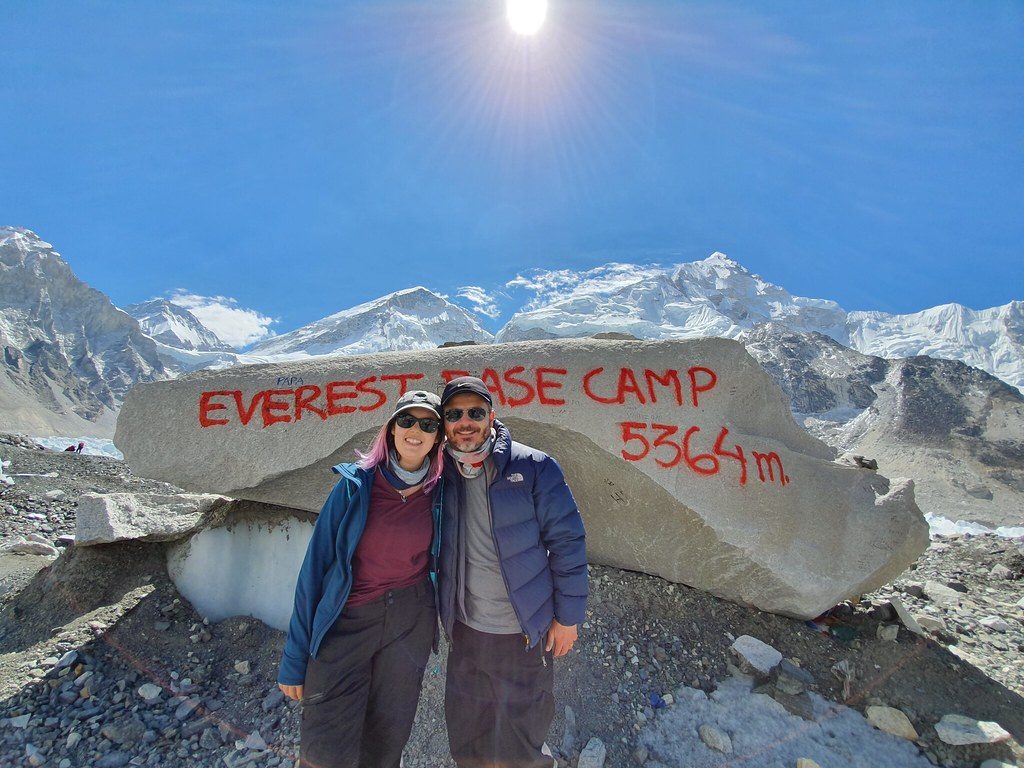
Ama Dablam Base Camp Trek - 9 Days
9 Days
From $1195
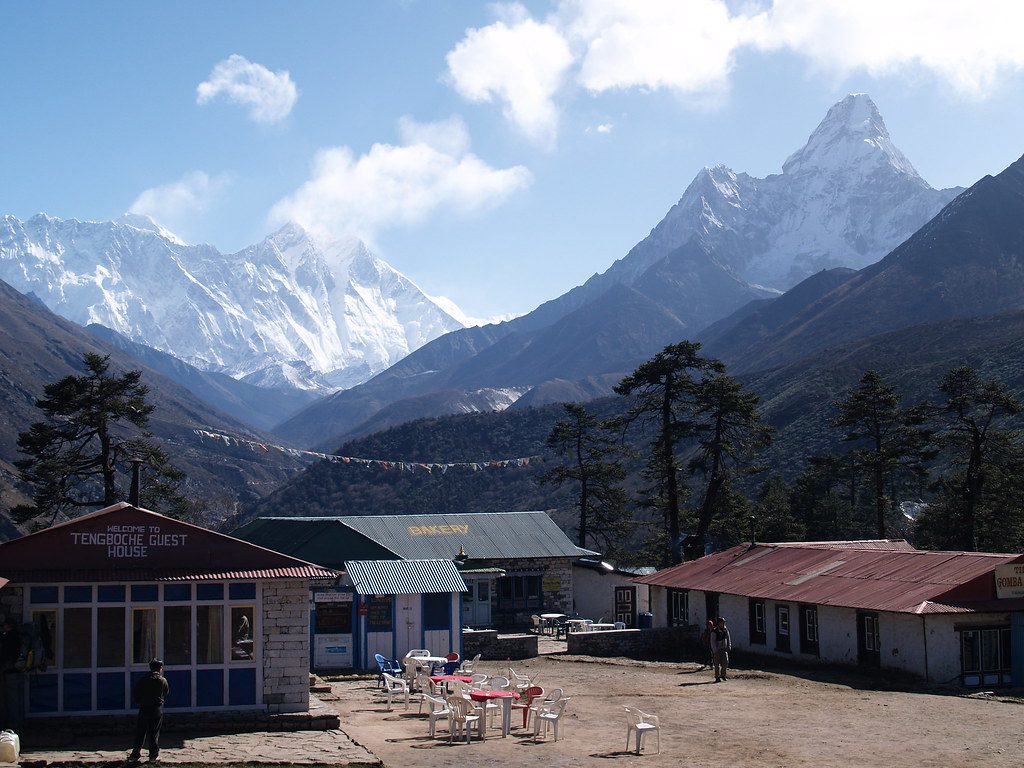
Everest Base Camp Trek - 14 Days
14 Days
From $1395
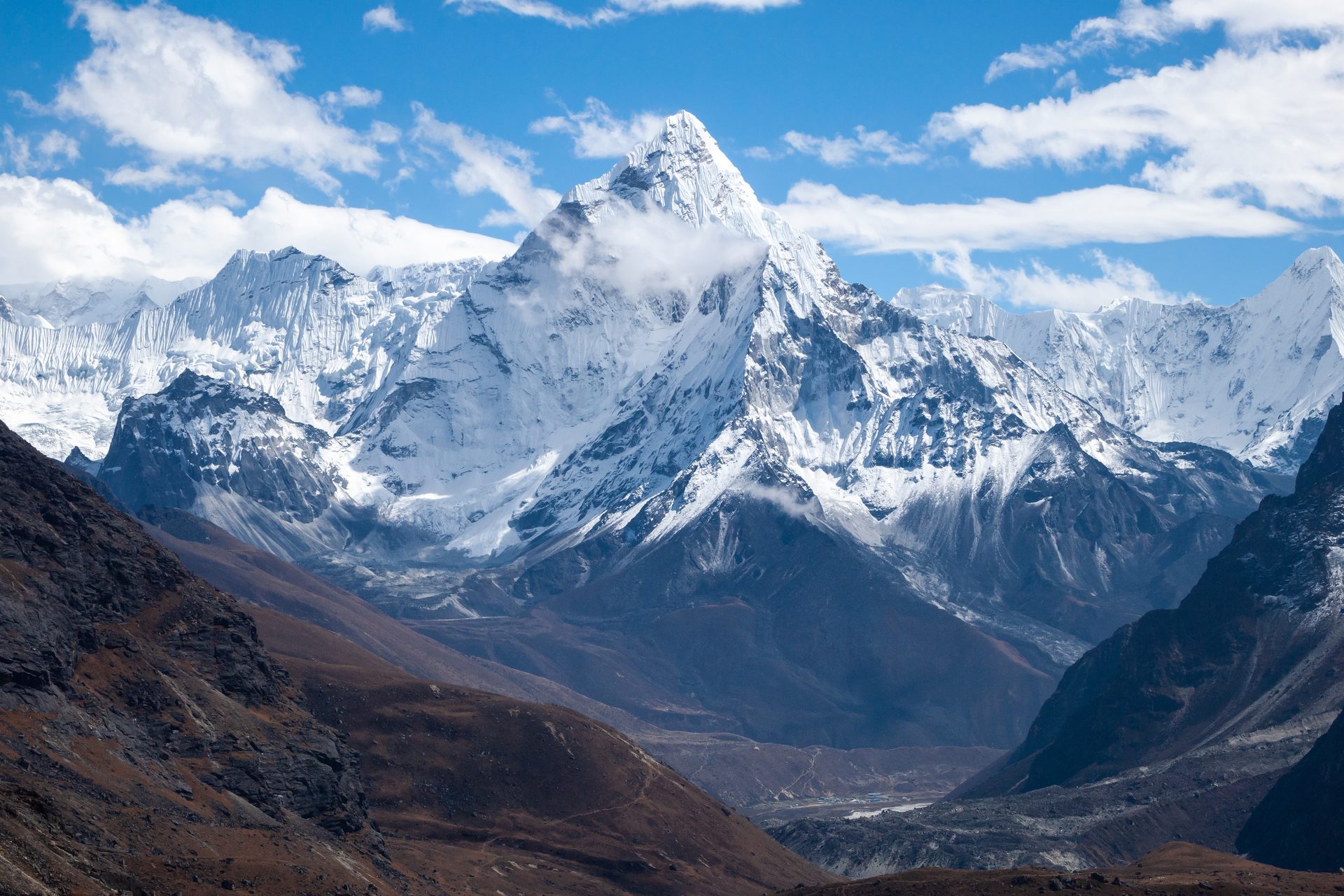
Everest Base Camp Trek with Island Peak Climbing - 16 Days
16 Days
From $2200
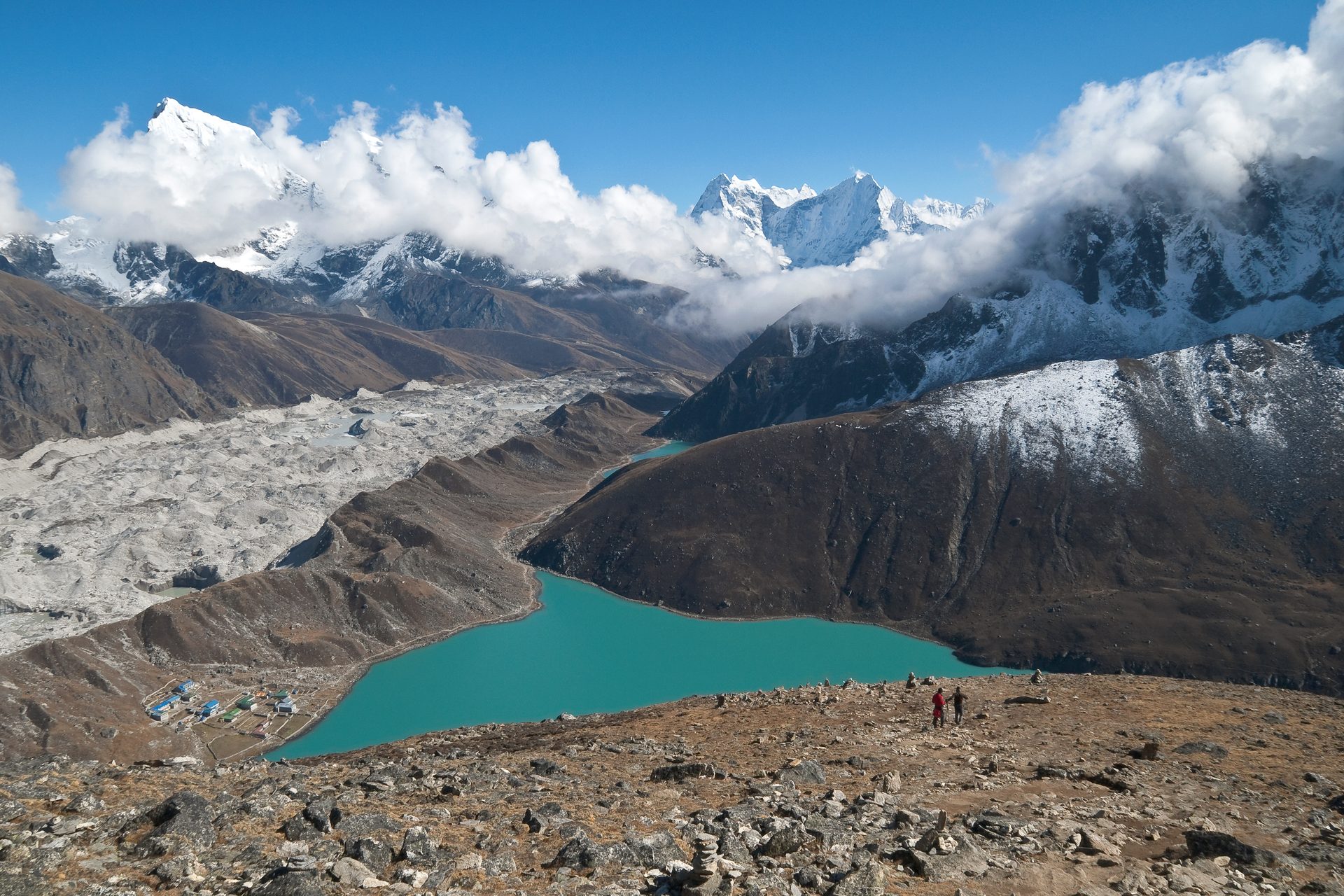
Everest Three Passes Trek - 17 Days
17 Days
From $1795
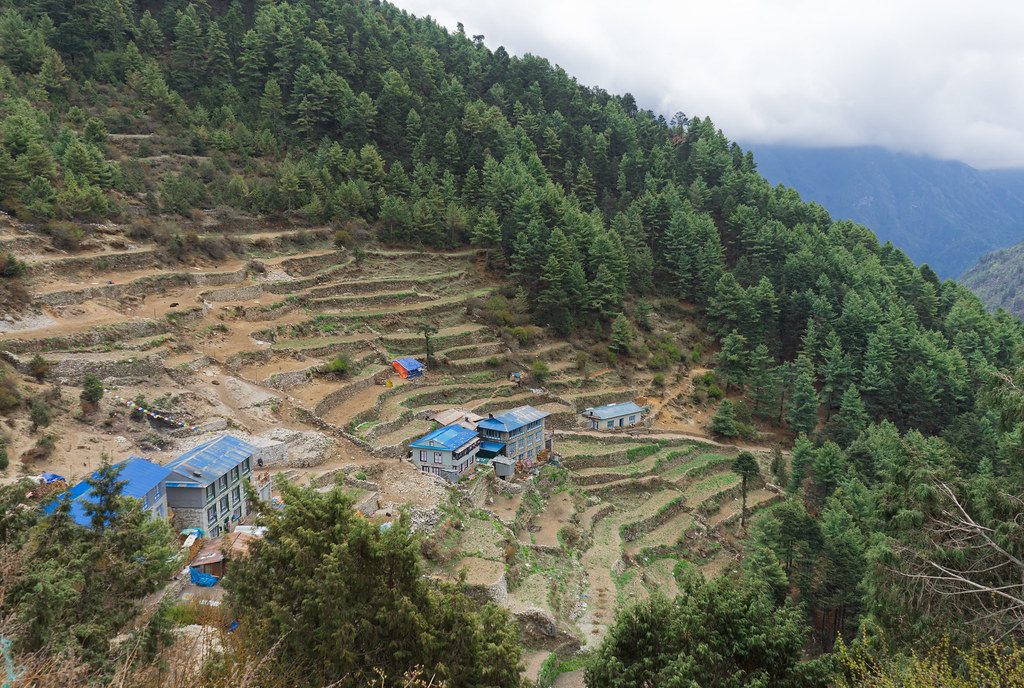
Everest View Panorama Trek - 7 Days
7 Days
From $1050
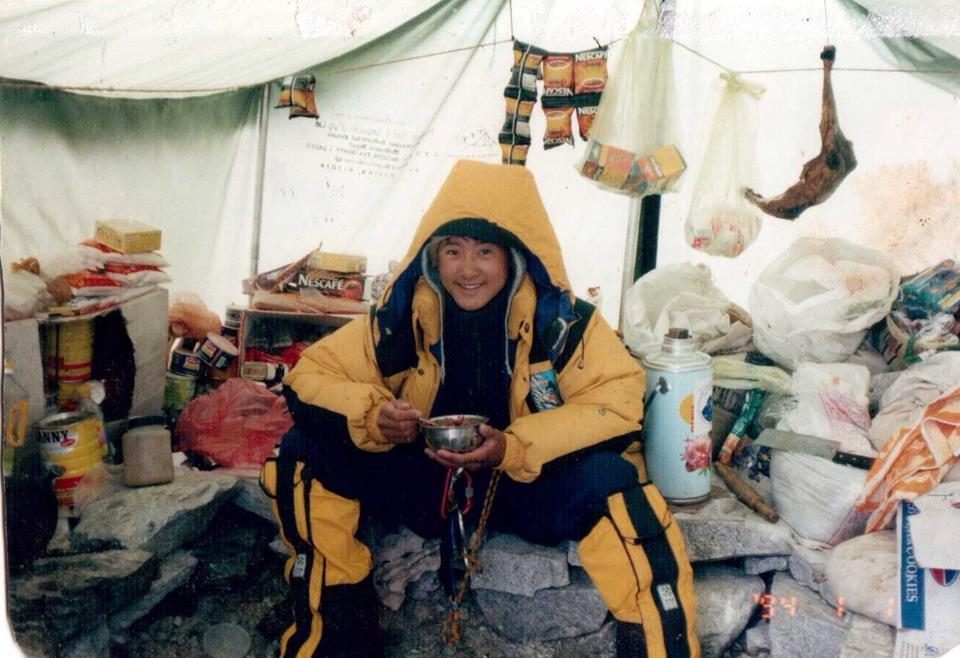
Gokyo Lakes Trek - 12 Days
12 Days
From $1495