May 21, 2026
Tiji Festival in Upper Mustang: Dates, Rituals and 2026-27 Guide
Tiji Festival in Upper Mustang explained: history, three-day ritual, 2026 and 2027 dates, and how to trek to Lo Manthang in time for the celebration.
Tiji Festival in Upper Mustang: Dates, Rituals and 2026-27 Guide
If there is one festival every traveller with a love of Tibetan Buddhism should put on the bucket list, it is Tiji. Held each year in the medieval walled city of Lo Manthang at 3,850 m in Nepal's Upper Mustang, Tiji is a three-day Vajrakila ritual that dramatises the cosmic struggle of good against evil through masked dance. The monks of Chhode Monastery have performed it continuously since the late 17th century. We have run trips to Tiji every year for over a decade, and there is no other cultural experience in Nepal quite like it. Here is our 2026-27 planning guide.
What Tiji actually is
Tiji is a Buddhist ritual purification of the kingdom, established by the scholar Sakya Trizin Ngawang Kunga Sonam in the late 1600s at the invitation of King Samdup Rabten of Lo Manthang. The king asked Ngawang Kunga Sonam to cleanse the region of demons threatening the kingdom's prosperity, and the ritual that resulted draws on Vajrakila tantric practices that Guru Padmasambhava brought to the Himalaya in the 8th century. Three days of masked monastic dance, prayer, and ceremonial offerings re-enact and renew that original cleansing every year.
The dances are performed in the courtyard of the Royal Palace of Lo Manthang. They are not for tourists — they are for the kingdom. The fact that visitors can attend is a generous concession from the Lo community, and we treat it with the respect it deserves.
2026 and 2027 dates
The festival follows the Tibetan lunar calendar (27th-29th of the third Tibetan month), so dates shift each year against the Gregorian calendar.
- Main Tiji Festival 2026: May 13-15
- New Tiji Festival 2026: June 21-23 (smaller, quieter version)
- Main Tiji Festival 2027: June 1-3
Because dates are set by the lunar calendar, we recommend confirming with us closer to the year as occasional minor adjustments occur.
The three days, ritual by ritual
Day 1 — Tyoleh Jangchup Drubpa
Day one stages the Tso Chham dance, which re-enacts the harassment of the demon Ma Tam Ru Ta. The lead dancer (Tsowo) has spent the three months prior in solitary meditation retreat at Chhode Monastery preparing spiritually for the role. Morning is dedicated to monks chanting in Thubchen Monastery while villagers prepare the palace courtyard, sweeping it clean and sprinkling water through the alleys. Masked dancing begins around 2 pm and runs for about three hours. The atmosphere is electric — drumming, telescoping horns, ochre robes, crowds of Lopa villagers in their finest dress.
Day 2 — Mehleh Dakedawa (Bardo)
Day two features the Na-Cham dances, marking the birth of Dorje Sonam, the wrathful aspect of Guru Padmasambhava who will defeat the demon. The dancers embody beings encountered in the bardo, the intermediate state between death and rebirth. Many different mask styles appear: protector deities in fierce manifestations, and theriomorphic figures with bird, tiger, horse and pig heads. A dancer in a dog mask distributes blessed food from a box symbolising the captured demon. Despite the sacred subject matter, there are moments of humour — the dances are also entertainment for the community.
Day 3 — Banishing of the Demon
Day three is the climax. The Tsowo now impersonates Dorje Sonam himself and goes about destroying the demon for good. He wields a tri-coloured rope, a Tibetan bell, and a Purbhu (sacrificial dagger), while the haunting music of telescoping trumpets and drums fills the city. The whole procession moves outside the walls into an open field. The Tsowo strikes symbolic blows with a bow, fires stones from a slingshot toward the demon's effigy, and recites the final closing prayers. Old muskets are fired into the air to scare away any remaining negative forces.
The procession then returns through the main gate, with everyone stepping over hay fires and spitting symbolically to expel their own negativities along with the demon's. The Tsowo and his fellow dancers return to the palace courtyard for the closing acts, where villagers present white khatak scarves of gratitude.
What you need to know as a visitor
- Lo Manthang fills up. Guesthouses, lodge rooms and homestays sell out months in advance for Tiji week. Book by January at the latest for a May/June festival.
- It gets cold and windy. May at 3,850 m can still hit -5°C at night. Mustang's afternoon winds are infamous.
- Take a guide who speaks Tibetan. Without one, much of what you are watching will pass without context. Our Mustang-based guides explain the ritual sequence in real time.
- Photography is allowed but be respectful. No flash during the dances. Do not block the monks' procession.
- The dances are tantric and monks generally do not answer detailed questions about specific ritual meanings. Observe rather than interrogate.
How to get to Tiji: the 17-day classic itinerary
We run a Tiji Festival Upper Mustang Trek of 17 days that brings you into Lo Manthang on the festival's first morning. The shape:
- Days 1-2: Arrive Kathmandu, briefing, sightseeing
- Day 3: Drive or fly to Pokhara
- Day 4: Fly Pokhara to Jomsom, trek to Kagbeni
- Days 5-7: Trek north through Chele, Syangboche, Ghami, Tsarang to Lo Manthang
- Days 8-10: Witness three days of Tiji Festival
- Days 11-14: Trek south through the eastern villages of Yara, Tange, Tetang, visiting remote monasteries
- Day 15: Reach Muktinath, drive to Jomsom
- Day 16: Fly Jomsom to Pokhara, transfer to Kathmandu
- Day 17: Departure
If you are short on time or not up for the full trek, we also run jeep tours and helicopter access to Tiji.
Side trips and rest days during the festival
The festival runs from morning into late afternoon each day, leaving evenings free and full afternoons available before the final-day climax. Popular side trips:
- Chosar village and the sky caves — ancient meditation caves carved high into red cliffs north of Lo Manthang
- Namgyal Monastery — recently restored, important ceremonial centre
- Thingkar village — the summer residence of the King of Mustang
- Marzon meditation caves — for the spiritually curious
- Horseback riding across the windswept upper Mustang plateau
Why Tiji matters
Tiji is one of the last fully intact pre-modern Buddhist ritual events in the Himalaya. Tibet itself has lost or restricted much of this living tradition under the past 70 years of Chinese rule. Upper Mustang, geographically Tibetan but politically Nepali, has preserved what was nearly lost across the border. Sitting in the palace courtyard watching the same dance the kingdom has watched for over 300 years, you are witnessing something that may not survive another century intact. Tourism funds the monastery's continued practice, but mass tourism would also kill the texture. Going thoughtfully, with a local guide and in a small group, is the right way.
Plan your 2026 or 2027 Tiji trip
Tiji is one of our specialty trips and we keep our groups small. Spring 2026 places are limited, and 2027 bookings open later this year. See our Tiji Festival trek, browse our full Upper Mustang collection, or contact our Kathmandu team to plan your dates.
More stories
Sep 12, 2026
Five Weeks in the Tsum Valley: A Trekker's Story
May 21, 2026
Why Trek in Nepal? Nine Honest Reasons from Local Guides
May 21, 2026
The Villages of Upper Mustang: A Field Guide to Lo Tsho Dyun
May 21, 2026
7 Best Upper Mustang Trekking Routes for 2026
May 21, 2026
Upper Mustang Jeep Tour: Lo Manthang Without the Trek
May 21, 2026
Festivals of Upper Mustang: 6 Cultural Events That Define the Year
May 21, 2026
Tsum Valley Trek: The Essential Guide for 2026
May 21, 2026
Tsum Valley: The History of the Shyagya Non-Violence Tradition
May 21, 2026
Nepal Trekking Gear Checklist: What to Pack for the Himalaya
May 21, 2026
Top 10 Hidden Hikes in Nepal's Enchanting Tsum Valley
May 21, 2026
Tilicho Lake via Mesokanto Pass: Short, Wild Mustang Trek
May 21, 2026
Tiji Festival in Upper Mustang: Dates, Rituals and 2026-27 Guide
May 21, 2026
6 Least-Trekked Places in Nepal Worth Going to in 2026
May 21, 2026
Rolwaling & Lapche Valley Trek: Gaurishankar's Hidden Routes
May 21, 2026
8 Reasons to Visit Upper Mustang in 2026
May 21, 2026
Panch Pokhari Trek: Sacred Lakes North of Kathmandu
May 21, 2026
North Annapurna Base Camp Trek: Nepal's Quiet Alternative
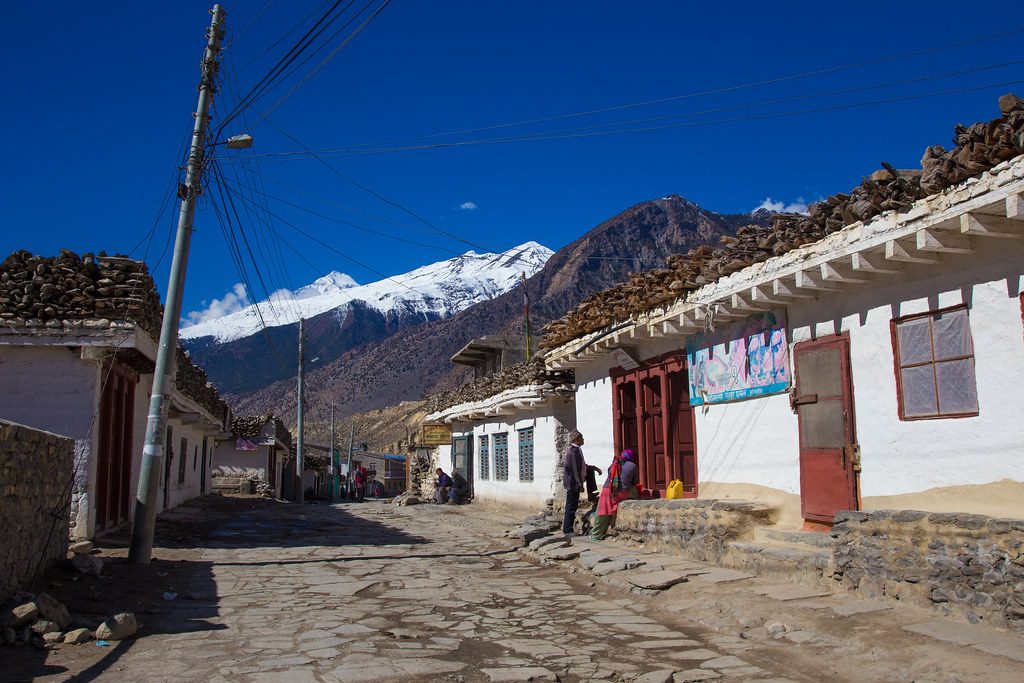
May 21, 2026
Nepal Visa Guide 2026: Everything Trekkers Need to Know
May 21, 2026
Nepal Visa: The Complete 2026 Guide for Trekkers
May 21, 2026
Nepal Trekking Permits and Costs 2026: The Complete Guide
May 21, 2026
Nepal Trekking Equipment Checklist: What to Actually Pack (2026)
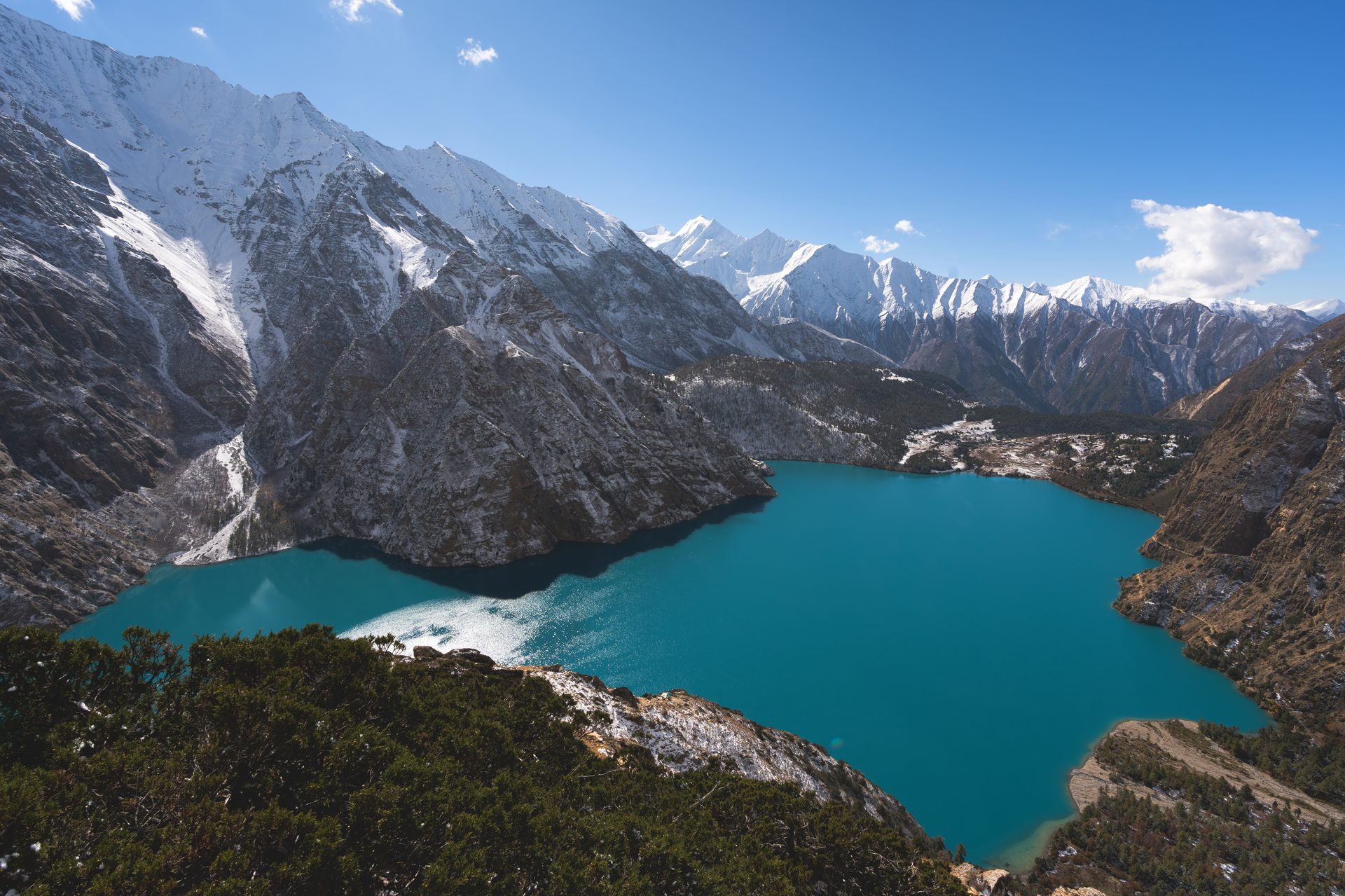
May 21, 2026
Monasteries of Dolpo: Sacred Gompas of Hidden Nepal
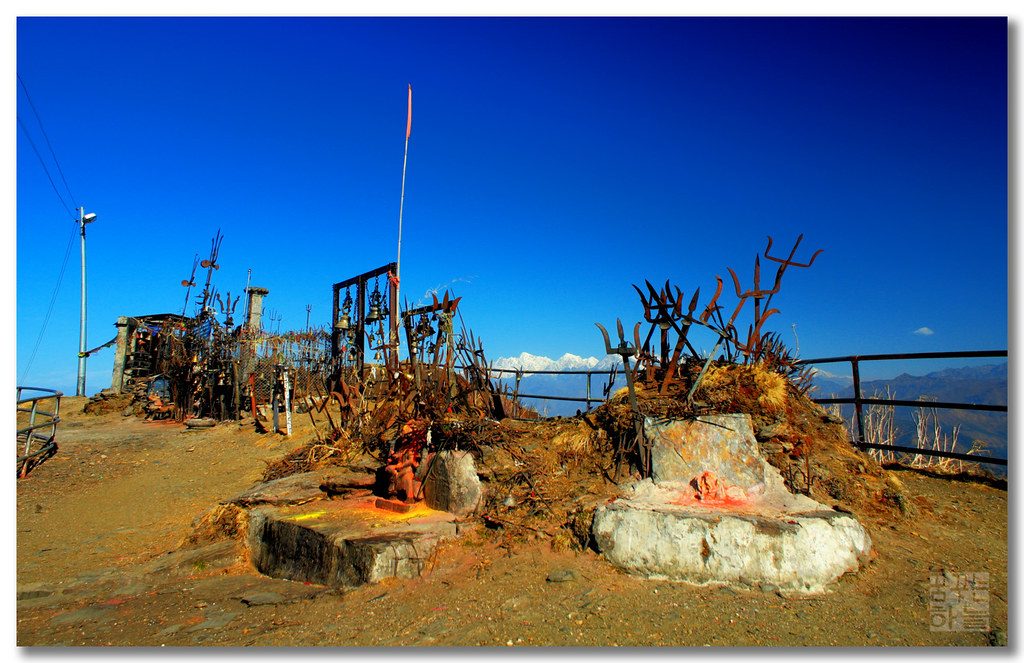
May 21, 2026
Manungkot Viewpoint: Nepal's Sunrise Above the Clouds
May 21, 2026
Manaslu Circuit Trek: Complete 2026 Guide
May 21, 2026
Manaslu Circuit Trek 2026: A Complete Guide from Kathmandu
May 21, 2026
Kirtipur Day Trip: Kathmandu's Living Newari Hill Town
May 21, 2026
Kanchenjunga Trek Guide 2026: Routes, Permits and Itinerary
May 21, 2026
Kalinchowk: Nepal's Easiest Winter Snow Escape from Kathmandu
May 21, 2026
High Pass Treks in Nepal: 16 Crossings Above 5,000 m
May 21, 2026
Everest Base Camp Trek: The Complete 2026 Guide
May 21, 2026
Everest Base Camp Trek: A Complete 2026 Guide from Kathmandu
May 21, 2026
Dolpo Trekking Guide 2026: Routes, Permits and Practical Tips
May 21, 2026
12 Best Treks in Nepal for 2026: A Local Guide's Honest Ranking
May 21, 2026
The 6 Best Summer (Monsoon) Treks in Nepal
May 21, 2026
17 Best Himalayan Viewpoints in Nepal (Ranked by Local Guides)
May 21, 2026
Best Day Hikes in and Around Kathmandu Valley
May 21, 2026
10 Best Day Hikes Around the Kathmandu Valley
May 21, 2026
Ama Yangri Peak: A 3-Day Hike From Kathmandu with Big Mountain Views
May 21, 2026