May 21, 2026
Why Trek in Nepal? Nine Honest Reasons from Local Guides
Why is Nepal the world's premier trekking destination? Nine honest reasons from our Kathmandu-based guides, plus seasons, routes and what to expect.
Why Trek in Nepal? Nine Honest Reasons from Local Guides
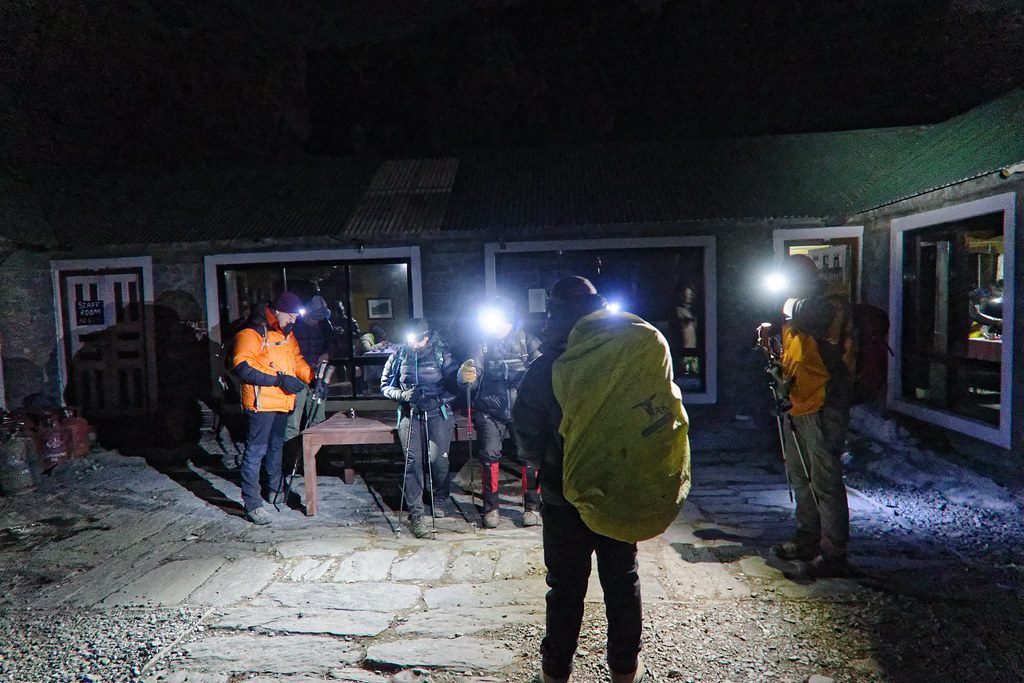
Over a million foreign travellers visit Nepal each year, and the overwhelming majority are here for one reason: the trails. We are a small Kathmandu-based outfit run by senior Nepali guides, and we have walked nearly every named route in this country. People ask us all the time why they should choose Nepal over Peru, Bhutan, Tibet or the European Alps. These are the nine real answers, with no marketing gloss.
1. The trails never run out
Nepal has more than 1,310 named peaks over 6,000 metres and dozens of trekking valleys threading between them. Whether you want a five-day teahouse stroll like Ghorepani Poon Hill, a serious technical climb like Island Peak or Mera, or a three-week expedition to Upper Dolpo, the route exists. After two decades of guiding, we still discover side valleys we have never walked. Recently opened restricted areas — Upper Mustang (1992), Tsum Valley (2008), Nar Phu (2002) — keep adding new options every decade.
2. There is a season for every plan
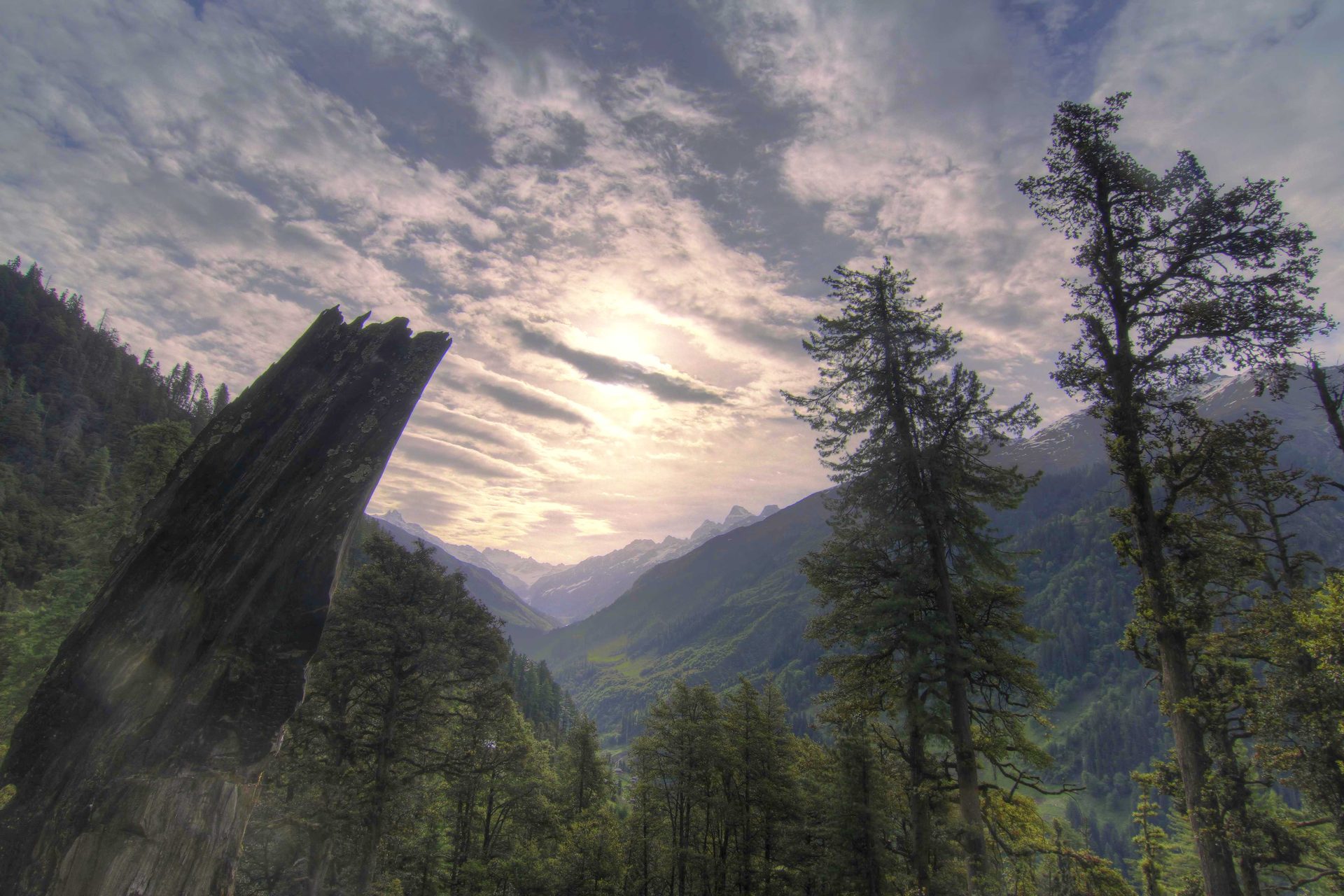
Most trekking countries have one or two viable months. Nepal works almost year-round if you choose the right route:
- Spring (March-May): rhododendrons in bloom, warming temperatures, dry trails — the iconic season
- Summer / monsoon (June-August): lush green hill country, rain shadow regions like Upper Mustang and Dolpo stay dry and gorgeous
- Autumn (September-November): the clearest mountain views of the year, festival season (Dashain, Tihar, Mani Rimdu)
- Winter (December-February): snow-capped peaks, lower-altitude treks like Mardi, Khopra and Khumai become magical
This means you can plan a Nepal trek around your job, not the other way around.
3. Wildlife and biodiversity that punches above the country's weight
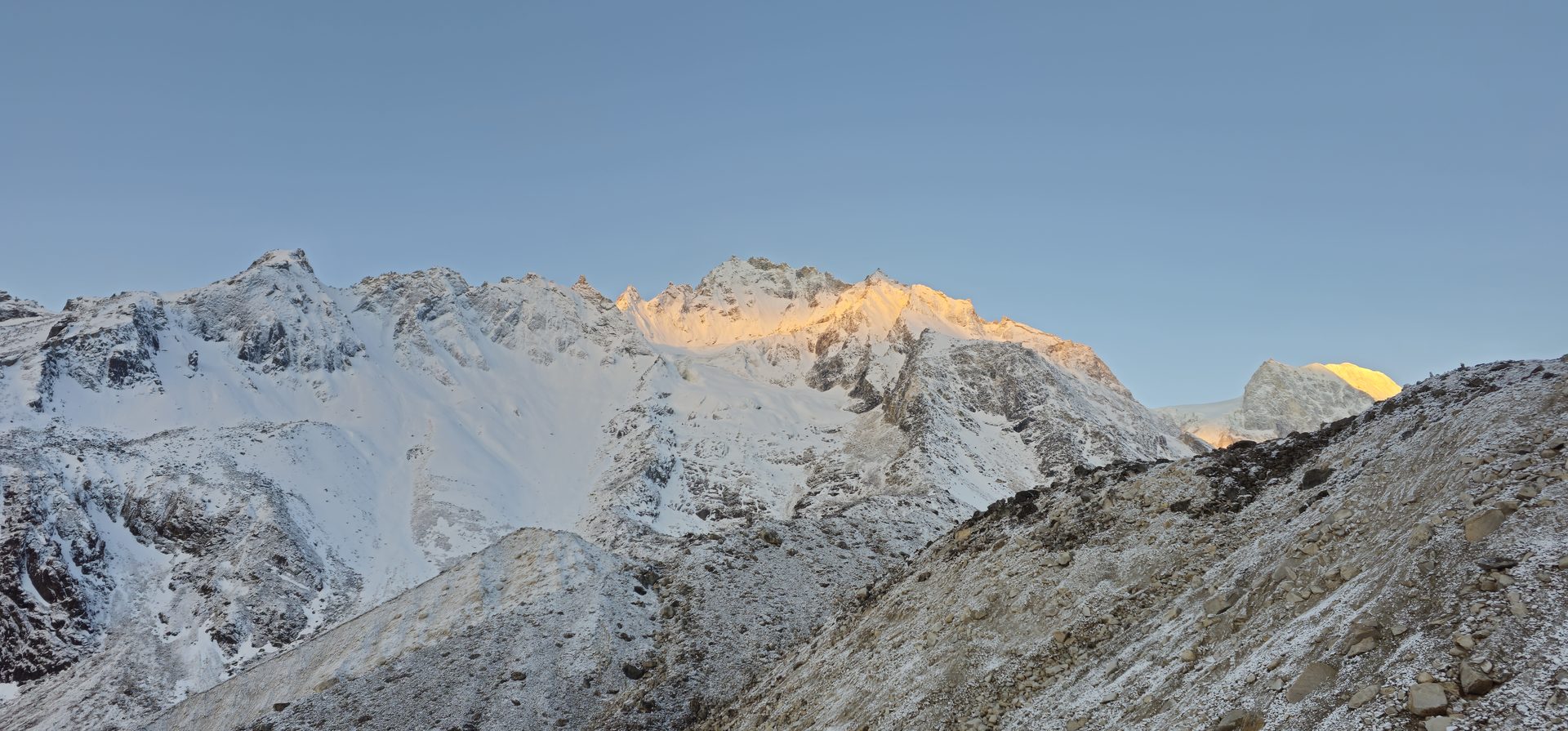
Nepal covers just 0.03% of the Earth's land surface and contains:
- 8 of the world's 14 highest mountains
- 692 species of butterflies
- Nearly 7,000 species of flora
- Over 30 distinct rhododendron varieties
- Snow leopards, red pandas, one-horned rhinoceroses, Himalayan black bears, blue sheep, musk deer
- 118 different ecosystems compressed into one country
- Yarsagumba (the famous caterpillar fungus) and dozens of medicinal plants
You can start a single trek in subtropical jungle with monkeys overhead and finish it on a glacier where the only wildlife is bharal and snow pigeons.
4. Landscape variety that is genuinely rare
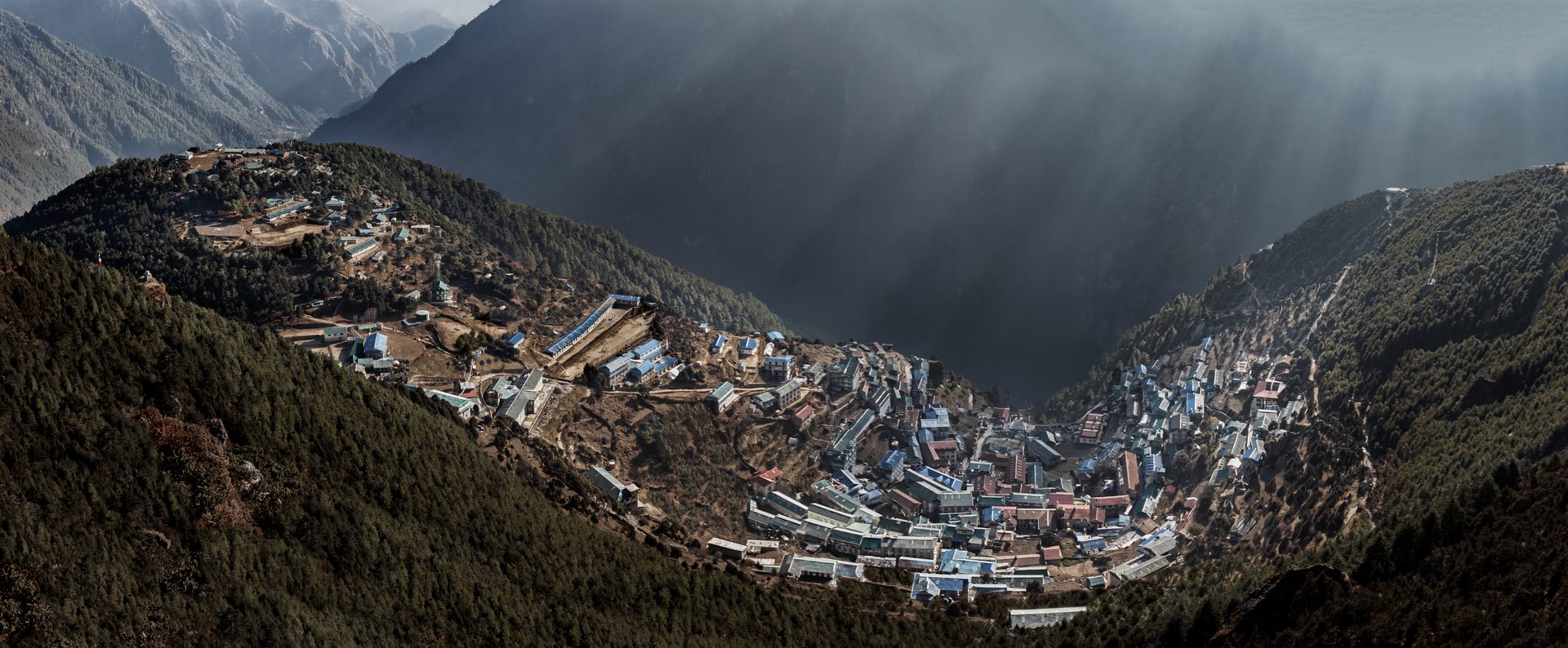
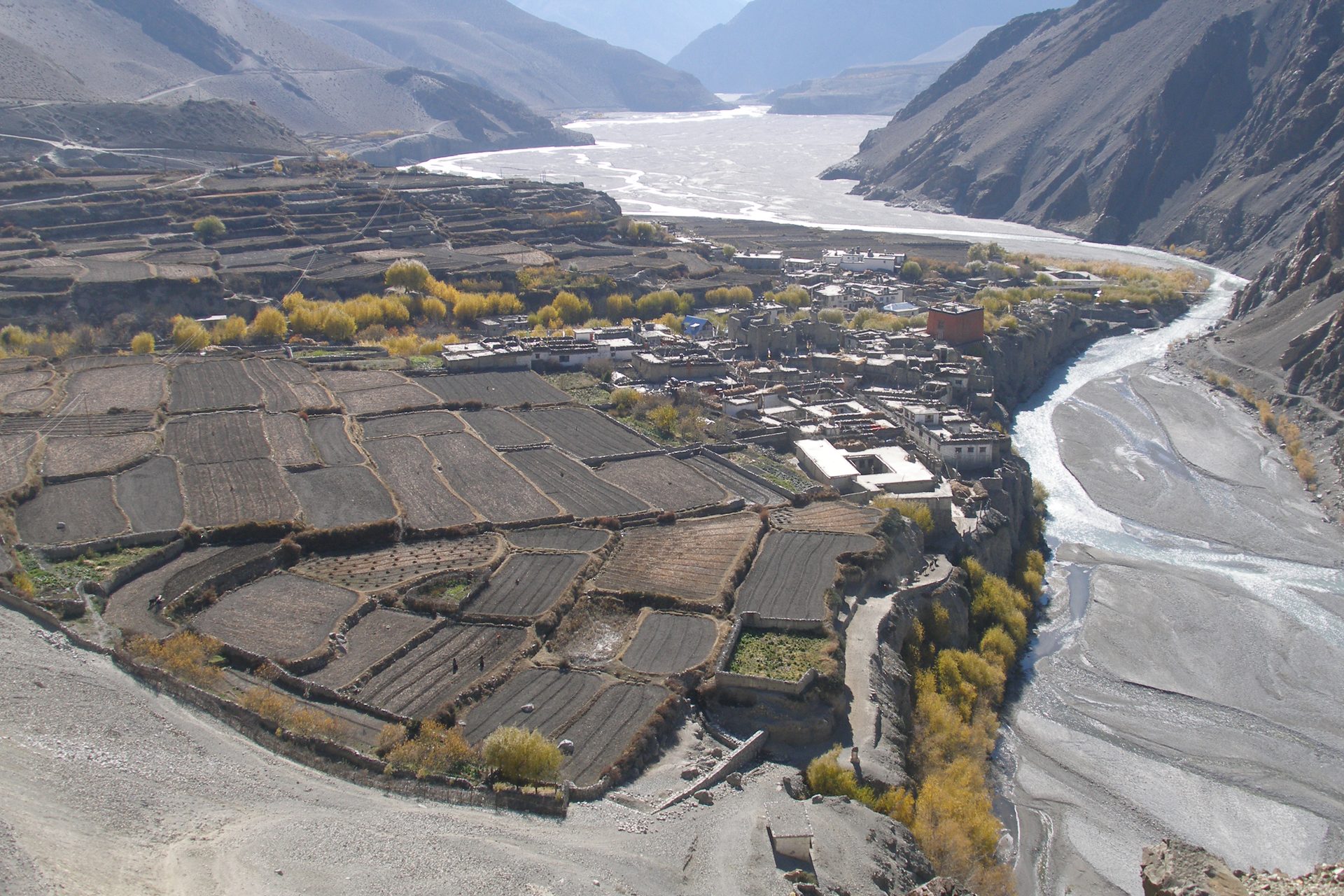
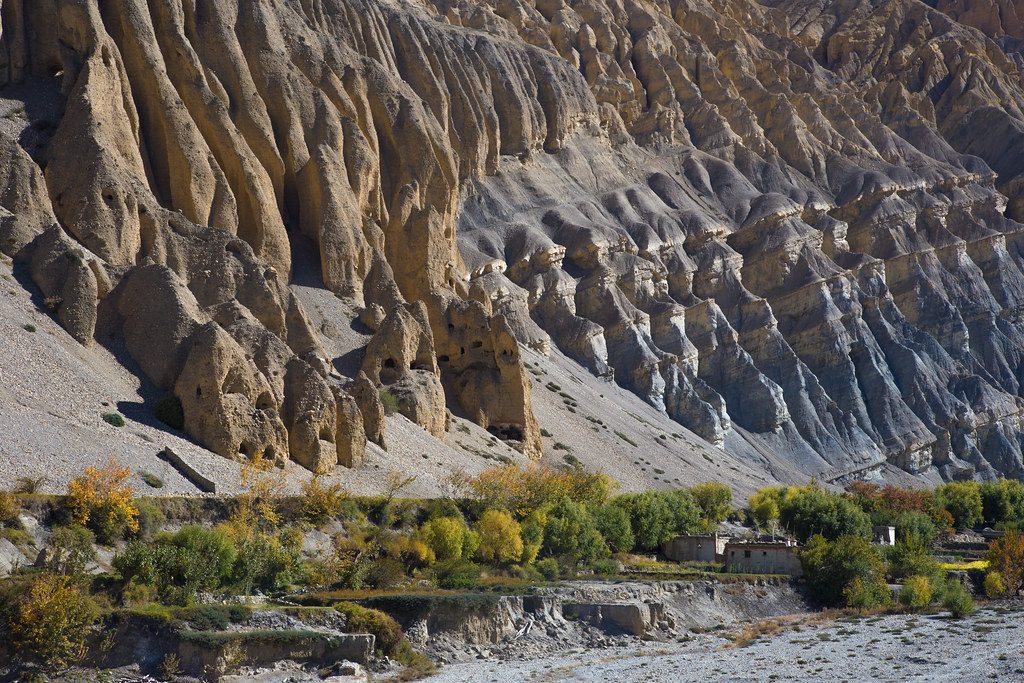
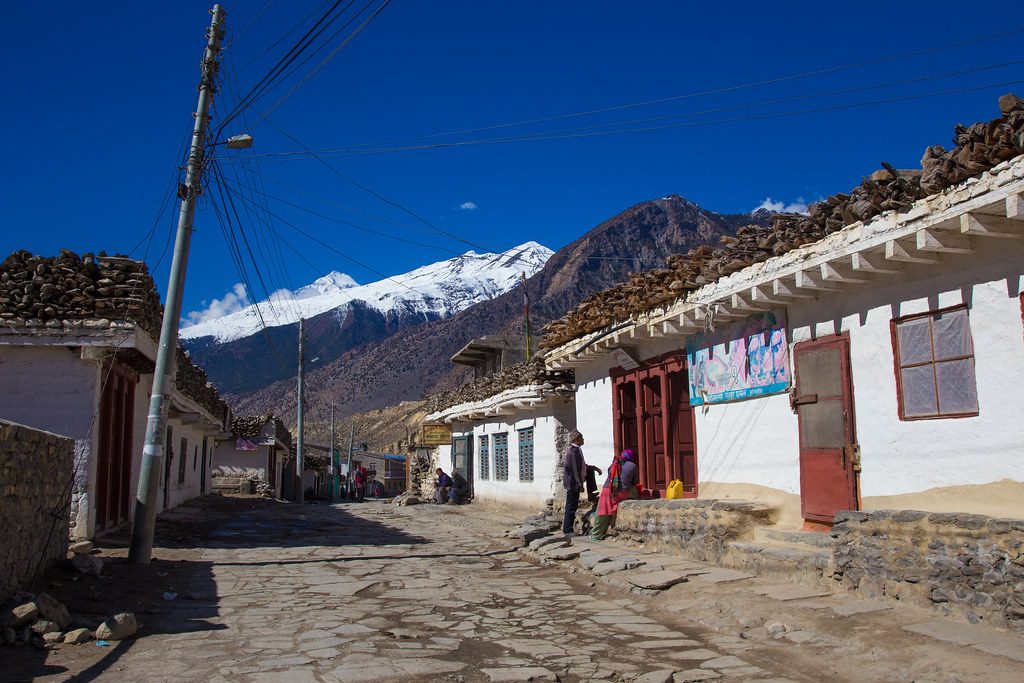
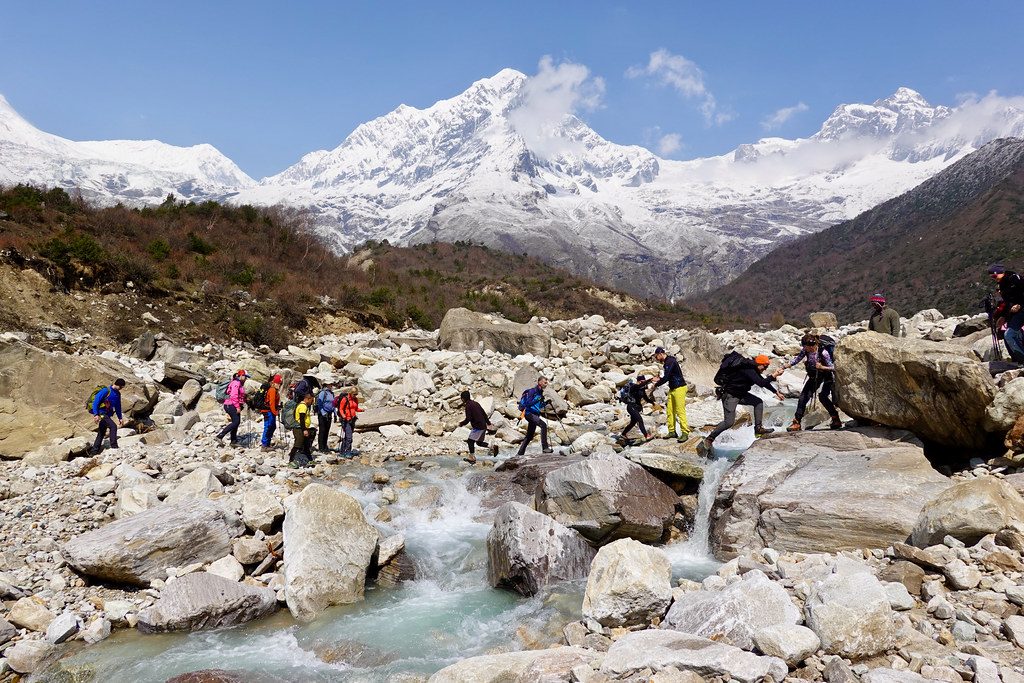
Nepal has three geographic belts: the Terai lowlands, the mid-hills, and the high Himalaya. Most of our treks cross at least two of these in a single week. Walk the Manaslu Circuit and you start in rice paddies at 870 m and finish on arid Tibetan-style plateau at 5,160 m. The trans-Himalayan rainshadow valleys of Upper Mustang and Dolpo look red and ochre like the American Southwest. The Annapurna Sanctuary is a literal amphitheatre of 7,000-8,000 m peaks. Nowhere else on earth packs this geographic diversity into seven to twenty walking days.
5. Living culture, not curated culture
Nepal's mountain communities are not stage sets. The Sherpa of Khumbu, Tamang of Langtang, Gurung and Magar of the Annapurnas, Rai and Limbu of the east, Tsumpa of Tsum Valley and Lopa of Mustang all live by traditions hundreds of years old. You will see monks chanting morning puja at Tengboche, women weaving back-strap looms in Lho, festivals like Mani Rimdu at Tengboche and Tiji in Lo Manthang that have run continuously for centuries. These are working religious and cultural communities. Trekking here is not just looking at mountains, it is moving through living history.
6. Food on the trail is better than people expect
The national fuel is daal bhat — lentils, rice, vegetable curry, papad, pickle, all unlimited refills. It is genuinely tasty, nutritious, and what your guides and porters will eat at every meal. But the menu does not stop there. On any trek you will find:
- Tibetan staples: momos, thukpa noodle soup, tingmo bread
- Western staples: pasta, pizza, pancakes, French toast
- Local specialties: yak cheese in Khumbu, apple products in Mustang, Tharu dishes in the south, Newar food (chatamari, yomari, samay baji) in Kathmandu Valley
- Vegetarian options everywhere — Hindus form roughly 80% of the population, so veg menus are deep and well-developed
7. Trekking suits most budgets
Two broad cost structures cover Nepal trekking:
- Teahouse trekking (Annapurna, Everest, Langtang, Manaslu, Tsum, Mustang): sleep in family-run lodges, eat from local menus, no camping crew needed
- Camping treks (Upper Dolpo, parts of Kanchenjunga, Nar Phu, peak climbing): full crew of cooks, guides, porters and pack animals
A guided ABC trip runs around USD 800-1,200, an EBC trip USD 1,400-2,000, and the big expeditions like Dolpo USD 2,500-4,500. You can rent serious cold-weather gear in Thamel for USD 1-3 per day rather than buying it, which dramatically lowers the entry cost.
8. Real physical and mental benefits
Beyond the obvious cardio and leg strength gains, trekking in Nepal gives you:
- Sustained moderate altitude exposure that improves red blood cell count
- Daily walking in nature, which research consistently links to reduced anxiety and depression
- A two-to-three week digital detox in places where Wi-Fi simply does not exist
- Close encounters with endangered wildlife and sacred sites
- The deep cognitive shift of moving through a landscape on foot rather than past it through a window
- A sense of perspective that you cannot get on a beach holiday
Most of our returning guests cite the mental clarity, not the photos, as the lasting take-home.
9. Nepali hospitality
This sounds like a marketing line until you have experienced it. The Nepali phrase atithi devo bhava translates as "the guest is god," and rural Nepali culture takes that seriously. From the moment you land at Tribhuvan airport to the cup of hot ginger tea a teahouse aunty hands you after a long day on the trail, you are looked after. Your guide will become more than crew — he or she is a cultural translator, an emergency responder, a friend by the end of the trip. Our porters often spend their tips on schooling siblings or building a roof at home. Tipping well, hiring locally and travelling small are how you give back to the people whose mountains you came to see.
Practical things first-timers worry about
A few quick answers we give every week:
- Visa: straightforward on-arrival or e-Visa at Kathmandu airport (see our Nepal visa guide)
- Guide vs. solo: restricted areas (Manaslu, Tsum, Mustang, Dolpo, Kanchenjunga, Nar Phu) require a licensed guide and registered agency. Standard routes allow solo trekking, but we strongly recommend a guide for safety and cultural depth.
- Altitude sickness: real risk above 2,500 m. Acclimatisation days are non-negotiable. Diamox is widely used. Descent is the only cure for serious cases.
- Fitness: moderate fitness (6 hours walking per day for 5-12 days) is enough for most standard routes. Big expeditions like Three Passes, Dolpo and Kanchenjunga need real training.
Plan your Nepal trek with us
If any of this sounds like the kind of trip you have been waiting to take, talk to us. We design small-group itineraries led by senior Nepali guides, handle every permit and logistic, and customise routes to your fitness, time and interests. Browse our full trek collection or contact us for a tailored plan.
More stories
Sep 12, 2026
Five Weeks in the Tsum Valley: A Trekker's Story
May 21, 2026
Why Trek in Nepal? Nine Honest Reasons from Local Guides
May 21, 2026
The Villages of Upper Mustang: A Field Guide to Lo Tsho Dyun
May 21, 2026
7 Best Upper Mustang Trekking Routes for 2026
May 21, 2026
Upper Mustang Jeep Tour: Lo Manthang Without the Trek
May 21, 2026
Festivals of Upper Mustang: 6 Cultural Events That Define the Year
May 21, 2026
Tsum Valley Trek: The Essential Guide for 2026
May 21, 2026
Tsum Valley: The History of the Shyagya Non-Violence Tradition
May 21, 2026
Nepal Trekking Gear Checklist: What to Pack for the Himalaya
May 21, 2026
Top 10 Hidden Hikes in Nepal's Enchanting Tsum Valley
May 21, 2026
Tilicho Lake via Mesokanto Pass: Short, Wild Mustang Trek
May 21, 2026
Tiji Festival in Upper Mustang: Dates, Rituals and 2026-27 Guide
May 21, 2026
6 Least-Trekked Places in Nepal Worth Going to in 2026
May 21, 2026
Rolwaling & Lapche Valley Trek: Gaurishankar's Hidden Routes
May 21, 2026
8 Reasons to Visit Upper Mustang in 2026
May 21, 2026
Panch Pokhari Trek: Sacred Lakes North of Kathmandu
May 21, 2026
North Annapurna Base Camp Trek: Nepal's Quiet Alternative
May 21, 2026
Nepal Visa Guide 2026: Everything Trekkers Need to Know
May 21, 2026
Nepal Visa: The Complete 2026 Guide for Trekkers
May 21, 2026
Nepal Trekking Permits and Costs 2026: The Complete Guide
May 21, 2026
Nepal Trekking Equipment Checklist: What to Actually Pack (2026)
May 21, 2026
Monasteries of Dolpo: Sacred Gompas of Hidden Nepal
May 21, 2026
Manungkot Viewpoint: Nepal's Sunrise Above the Clouds
May 21, 2026
Manaslu Circuit Trek: Complete 2026 Guide
May 21, 2026
Manaslu Circuit Trek 2026: A Complete Guide from Kathmandu
May 21, 2026
Kirtipur Day Trip: Kathmandu's Living Newari Hill Town
May 21, 2026
Kanchenjunga Trek Guide 2026: Routes, Permits and Itinerary
May 21, 2026
Kalinchowk: Nepal's Easiest Winter Snow Escape from Kathmandu
May 21, 2026
High Pass Treks in Nepal: 16 Crossings Above 5,000 m
May 21, 2026
Everest Base Camp Trek: The Complete 2026 Guide
May 21, 2026
Everest Base Camp Trek: A Complete 2026 Guide from Kathmandu
May 21, 2026
Dolpo Trekking Guide 2026: Routes, Permits and Practical Tips
May 21, 2026
12 Best Treks in Nepal for 2026: A Local Guide's Honest Ranking
May 21, 2026
The 6 Best Summer (Monsoon) Treks in Nepal
May 21, 2026
17 Best Himalayan Viewpoints in Nepal (Ranked by Local Guides)
May 21, 2026
Best Day Hikes in and Around Kathmandu Valley
May 21, 2026
10 Best Day Hikes Around the Kathmandu Valley
May 21, 2026
Ama Yangri Peak: A 3-Day Hike From Kathmandu with Big Mountain Views
May 21, 2026