May 21, 2026
Nepal Trekking Equipment Checklist: What to Actually Pack (2026)
The complete Nepal trekking packing list from our senior guides: clothing, footwear, gear for above 4,000 m, medical kit and what to skip.
Nepal Trekking Equipment Checklist: What to Actually Pack (2026)
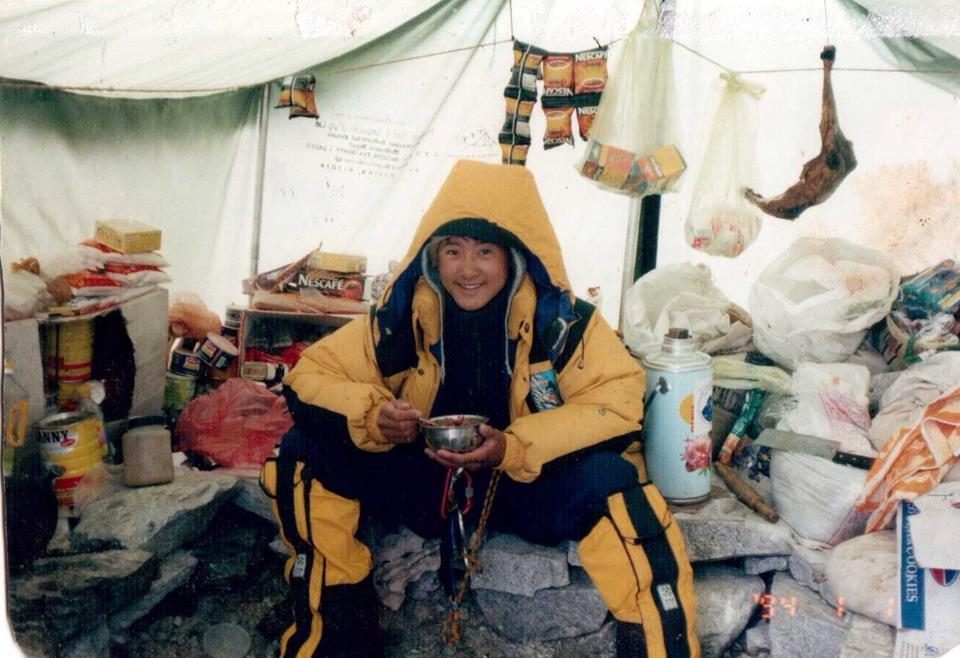
Half the people who walk into our Kathmandu office for a trek briefing have overpacked, and the other half have brought all the wrong things. After two decades of running treks across the Annapurnas, Khumbu, Manaslu, Tsum, Mustang, Langtang and Dolpo, our team has a strong view on what genuinely belongs in your duffel and what is dead weight. This is the checklist we hand to our own guests, organised by altitude band and trek type, with the medical kit our guides actually carry.
The principle: stay warm and dry
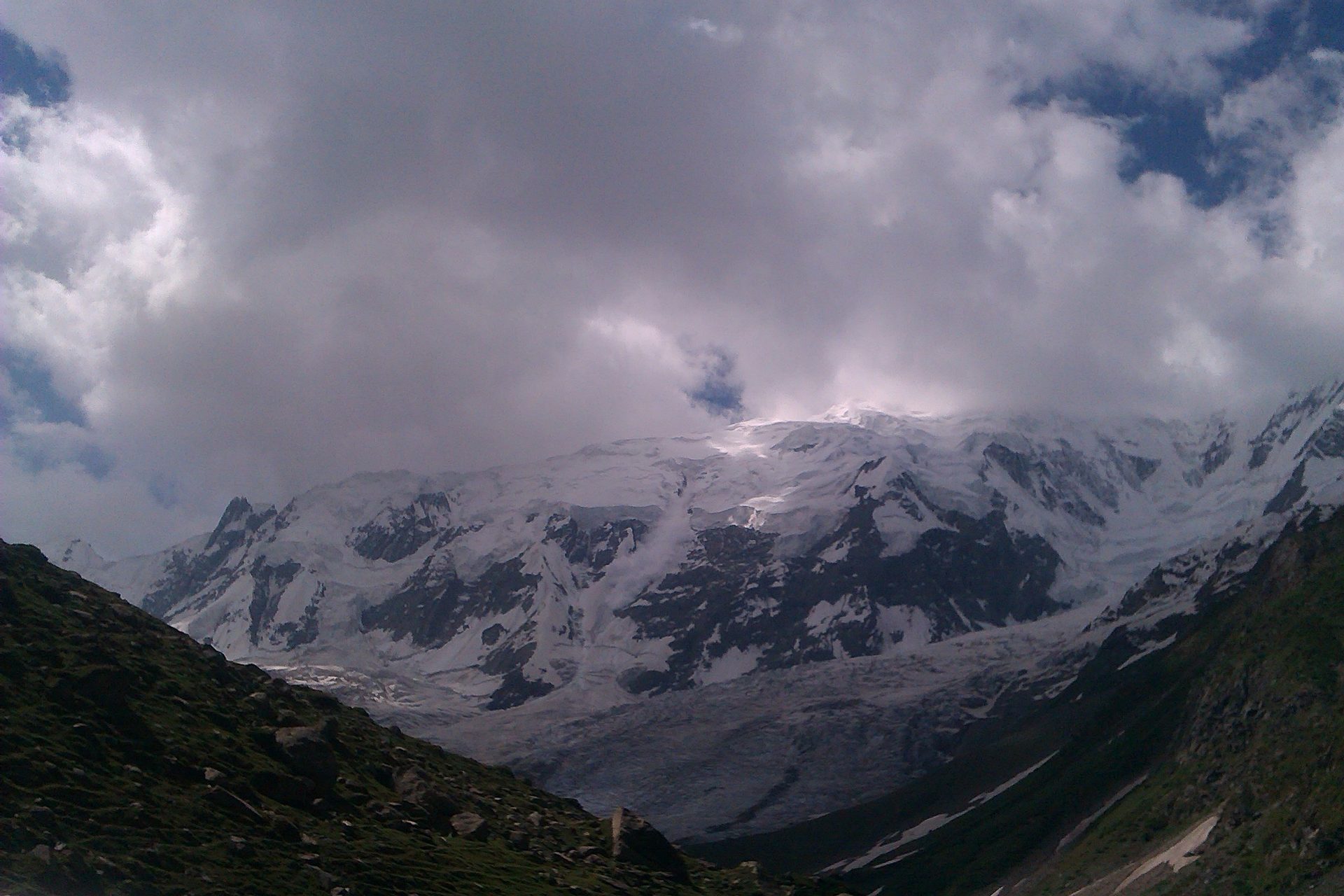
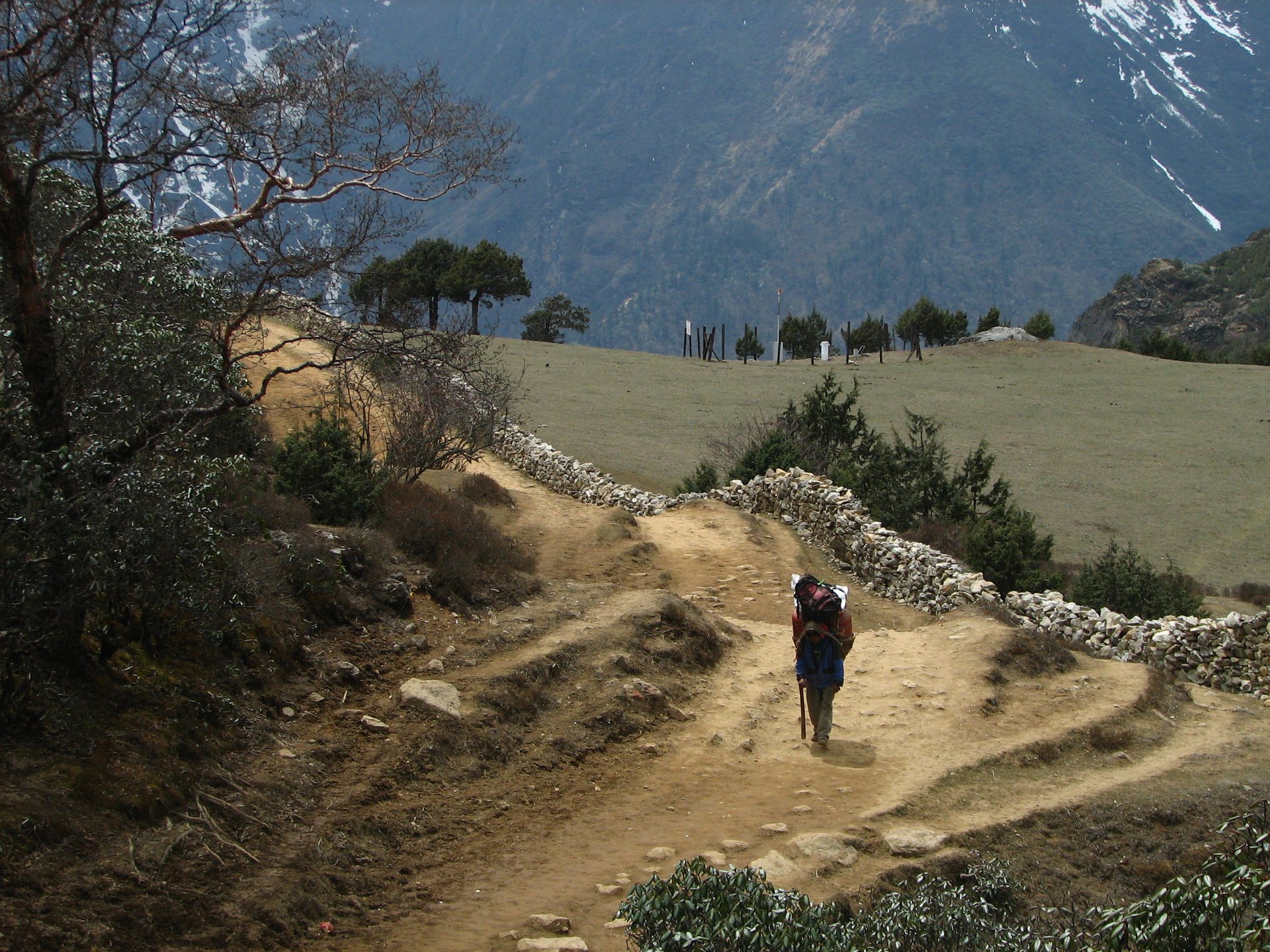
Everything below is structured around one rule. In the Himalayas you are not fighting one fixed temperature, you are fighting wide daily swings between 25°C at lunch and -15°C at 4 am. The only system that works is layering. A wicking base layer next to skin, an insulating mid layer to trap warmth, and a windproof/waterproof outer shell to keep weather off. Cotton has no place above 2,500 m. Down and synthetic insulation, merino wool and good Gore-Tex are what you want.
Footwear that actually fits
Your feet decide your trek. Get this right.
- Mid-cut waterproof trekking boots, broken in over at least 100 km before you fly. Brand-new boots are the single most common cause of blisters that end treks.
- Camp shoes or lightweight sandals for evenings in teahouses.
- 3-4 pairs merino or thick synthetic trekking socks (no cotton).
- Liner socks to reduce friction on long days.
For treks above 4,000 m (EBC, Annapurna Circuit, Manaslu, Three Passes, Mustang, Dolpo, Kanchenjunga) you also want:
- Insulated mountaineering-grade boots if you are crossing high passes in shoulder season or peak-climbing.
- Down booties for sleeping in cold rooms.
- Gaiters for snow sections.
Clothing layers
Base layers
- 2 sets of merino or synthetic long-sleeve thermal tops
- 2 sets of merino or synthetic long thermal bottoms
- Quick-dry underwear (3-4 pairs)
- Sports bras for women
Mid layers
- 1 fleece jacket or light insulated pullover
- 1 heavier insulated mid-layer for high passes
Outer layers
- Goose down or high-fill synthetic jacket (650+ fill, rated to -10°C minimum, -20°C for winter or above 5,000 m)
- Waterproof and breathable hard shell jacket
- Waterproof rain pants or hard shell pants
- 2 pairs of trekking pants (zip-off legs are useful)
- 1 pair of shorts for low altitude days
- 3-4 short-sleeve trekking shirts
Head, hands and neck
- Warm wool or fleece beanie
- Sun hat or peaked cap
- Buff or neck gaiter (multi-purpose, brilliant on dusty trails)
- Lightweight liner gloves
- Insulated outer gloves or mittens for above 4,500 m
- Category-4 sunglasses (essential on snow)
- Balaclava if you are above 5,000 m or on a high-pass route
Sleep and carry
- Sleeping bag rated to -10°C for ABC, Langtang, Mustang; -15°C to -20°C for EBC, Manaslu, Three Passes, Kanchenjunga
- Silk or cotton sleeping bag liner adds warmth and keeps the bag clean
- 50-65 L duffel bag for porter (most lodges have lockers, no need for hard cases)
- 25-35 L daypack with rain cover for what you carry yourself
- Trekking poles (collapsible Z-poles preferred) — non-negotiable on descents
- Head torch with spare batteries
Hydration and nutrition
- 2 x 1L wide-mouth water bottles (Nalgene style, double as hot water bottles at night)
- Or a 2L hydration bladder — bladders freeze above 4,500 m so we recommend bottles for high routes
- Water purification: SteriPen UV, Aquatabs or a Lifestraw bottle (we recommend treating all water above 3,000 m regardless of source)
- Snacks: energy bars, trail mix, dried fruit. Trail snacks in Kathmandu are expensive and limited, bring your favourites.
- Electrolyte sachets (Hydralyte or similar) — invaluable for recovery days
Personal toiletries
- Quick-dry travel towel
- Biodegradable soap and shampoo
- Toothbrush, toothpaste, dental floss
- Wet wipes (the only shower you will get for a week)
- Hand sanitiser (litre-sized)
- Toilet paper (most lodges do not provide it)
- High-SPF sunblock (50+) — the UV at altitude is brutal
- SPF lip balm
- Personal medications
Our trail-tested medical kit
This is what our guides carry, and what we recommend you also carry personally:
- Paracetamol or aspirin
- Ibuprofen
- Antihistamine tablets (cetirizine or loratadine)
- Decongestant (pseudoephedrine if you can get it)
- Imodium or Lomotil for diarrhoea
- Oral rehydration sachets
- Diamox (acetazolamide) for altitude — prescribed by your doctor before flying
- Antibiotic cream
- Antiseptic spray
- Antibiotic powder for wound care
- Throat lozenges (Strepsils)
- Eye drops (for dust)
- Antacids
- Calamine lotion for insect bites
- Assorted bandages, gauze, blister plasters (Compeed is gold)
- Small scissors and tweezers
- Water purification tablets
- Personal antibiotics if your doctor prescribes (azithromycin and ciprofloxacin are common for traveller's diarrhoea)
Optional but worth it
- Camera (lightweight mirrorless beats a phone for sunrise shots)
- Spare camera batteries and memory cards (batteries drain fast in cold)
- Power bank (10,000+ mAh; lodges charge phones for a fee)
- Universal travel adapter (Nepal uses C and D plugs)
- Solar charger (genuinely useful in Mustang and Dolpo)
- Binoculars (yak hunting, far peaks, birdlife)
- Small dry bags to organise the duffel
- Lightweight book or Kindle for teahouse evenings
- Notebook and pen
What to leave at home
A few items we see new trekkers haul up that they never use:
- Heavy cotton hoodies (they get wet and stay wet)
- Hair dryers (no electricity for them above Namche)
- Multiple pairs of jeans (one pair max for Kathmandu)
- Hardback books
- Large bottles of liquids (you can buy what you need in Kathmandu)
- Drones (banned in most national parks without permit)
- A guitar (we have seen it)
What you can rent in Kathmandu
If you do not own gear and do not want to buy it for one trip, Thamel has dozens of trekking shops where you can rent for USD 1-3 per day:
- Down jackets and sleeping bags (best rental value)
- Trekking poles
- Duffel bags
- Gaiters and crampons
- Climbing harnesses for peak-climbing routes
Boots are the one item we always recommend bringing your own.
Where this changes by trek
- Short Annapurna treks (Ghorepani, Mardi, Khopra, Khumai): lighter sleeping bag, less down, no balaclava needed.
- Tsum Valley and Langtang Valley: moderate cold gear, lodges are warm enough that a -10°C bag is fine.
- Manaslu Circuit and Tsum + Manaslu: full high-altitude kit, Larkya Pass is brutal in October-November.
- Upper Mustang: wind protection is more important than thermals; sunglasses and lip balm essential.
- Dolpo and Kanchenjunga: full expedition kit, second sleeping bag liner, two pairs of insulated gloves.
Plan your trek with the right kit
We send every confirmed guest a personalised packing list tailored to their exact trek, season and group size. If you would like the briefing for your specific route, browse our trek packages or get in touch with our team in Kathmandu.
More stories
Sep 12, 2026
Five Weeks in the Tsum Valley: A Trekker's Story
May 21, 2026
Why Trek in Nepal? Nine Honest Reasons from Local Guides
May 21, 2026
The Villages of Upper Mustang: A Field Guide to Lo Tsho Dyun
May 21, 2026
7 Best Upper Mustang Trekking Routes for 2026
May 21, 2026
Upper Mustang Jeep Tour: Lo Manthang Without the Trek
May 21, 2026
Festivals of Upper Mustang: 6 Cultural Events That Define the Year
May 21, 2026
Tsum Valley Trek: The Essential Guide for 2026
May 21, 2026
Tsum Valley: The History of the Shyagya Non-Violence Tradition
May 21, 2026
Nepal Trekking Gear Checklist: What to Pack for the Himalaya
May 21, 2026
Top 10 Hidden Hikes in Nepal's Enchanting Tsum Valley
May 21, 2026
Tilicho Lake via Mesokanto Pass: Short, Wild Mustang Trek
May 21, 2026
Tiji Festival in Upper Mustang: Dates, Rituals and 2026-27 Guide
May 21, 2026
6 Least-Trekked Places in Nepal Worth Going to in 2026
May 21, 2026
Rolwaling & Lapche Valley Trek: Gaurishankar's Hidden Routes
May 21, 2026
8 Reasons to Visit Upper Mustang in 2026
May 21, 2026
Panch Pokhari Trek: Sacred Lakes North of Kathmandu
May 21, 2026
North Annapurna Base Camp Trek: Nepal's Quiet Alternative
May 21, 2026
Nepal Visa Guide 2026: Everything Trekkers Need to Know
May 21, 2026
Nepal Visa: The Complete 2026 Guide for Trekkers
May 21, 2026
Nepal Trekking Permits and Costs 2026: The Complete Guide
May 21, 2026
Nepal Trekking Equipment Checklist: What to Actually Pack (2026)
May 21, 2026
Monasteries of Dolpo: Sacred Gompas of Hidden Nepal
May 21, 2026
Manungkot Viewpoint: Nepal's Sunrise Above the Clouds
May 21, 2026
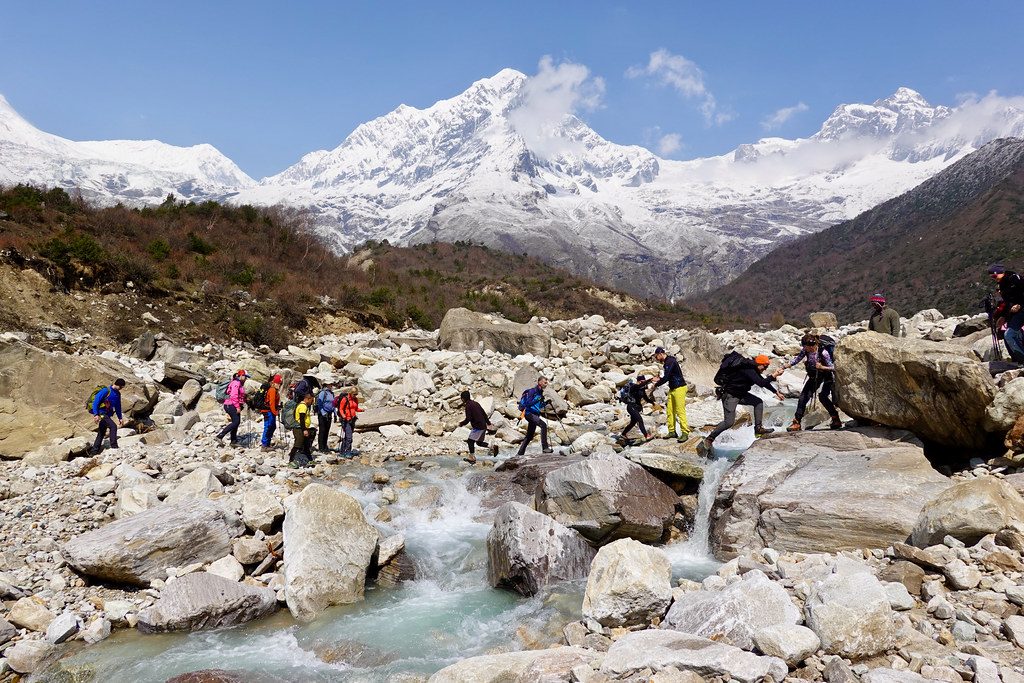
Manaslu Circuit Trek: Complete 2026 Guide
May 21, 2026
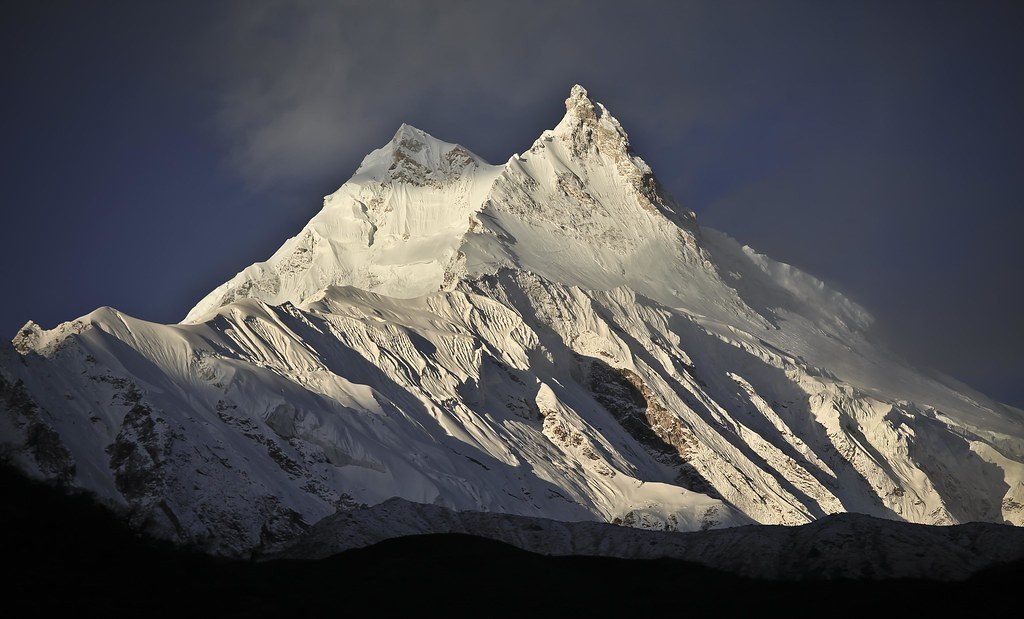
Manaslu Circuit Trek 2026: A Complete Guide from Kathmandu
May 21, 2026
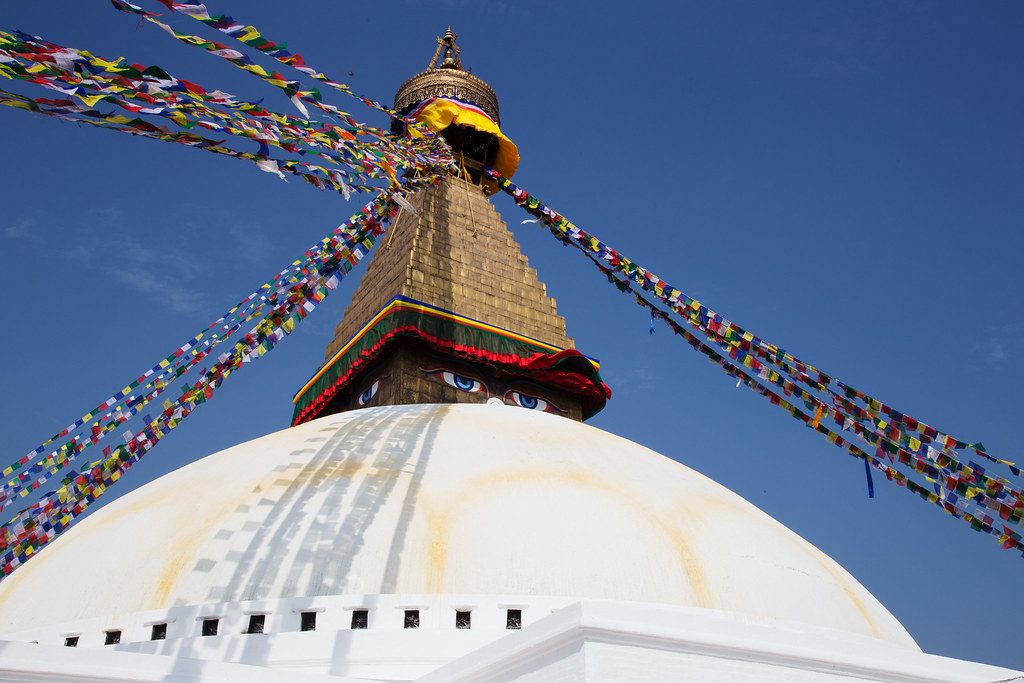
Kirtipur Day Trip: Kathmandu's Living Newari Hill Town
May 21, 2026
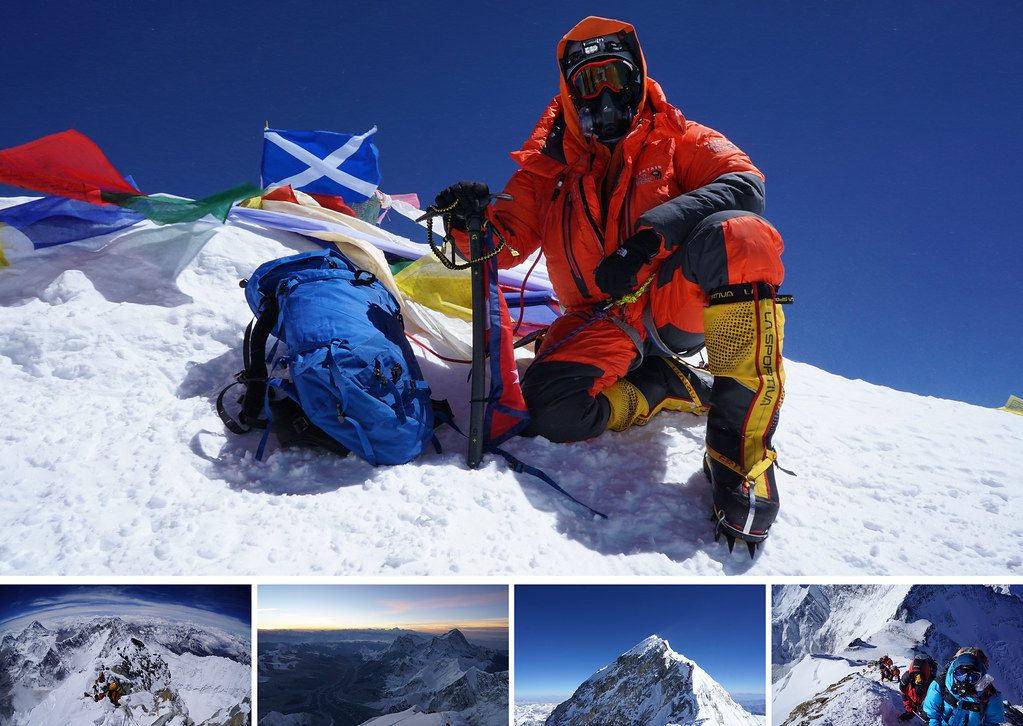
Kanchenjunga Trek Guide 2026: Routes, Permits and Itinerary
May 21, 2026
Kalinchowk: Nepal's Easiest Winter Snow Escape from Kathmandu
May 21, 2026
High Pass Treks in Nepal: 16 Crossings Above 5,000 m
May 21, 2026
Everest Base Camp Trek: The Complete 2026 Guide
May 21, 2026
Everest Base Camp Trek: A Complete 2026 Guide from Kathmandu
May 21, 2026
Dolpo Trekking Guide 2026: Routes, Permits and Practical Tips
May 21, 2026
12 Best Treks in Nepal for 2026: A Local Guide's Honest Ranking
May 21, 2026
The 6 Best Summer (Monsoon) Treks in Nepal
May 21, 2026
17 Best Himalayan Viewpoints in Nepal (Ranked by Local Guides)
May 21, 2026
Best Day Hikes in and Around Kathmandu Valley
May 21, 2026
10 Best Day Hikes Around the Kathmandu Valley
May 21, 2026
Ama Yangri Peak: A 3-Day Hike From Kathmandu with Big Mountain Views
May 21, 2026