May 21, 2026
Festivals of Upper Mustang: 6 Cultural Events That Define the Year
Six festivals of Upper Mustang explained: Sonam Losar, Tiji, Tenpa Tsechu, Bagcham, Yartung and Phaknyi. Dates, traditions and how to attend.
Festivals of Upper Mustang: 6 Cultural Events That Define the Year
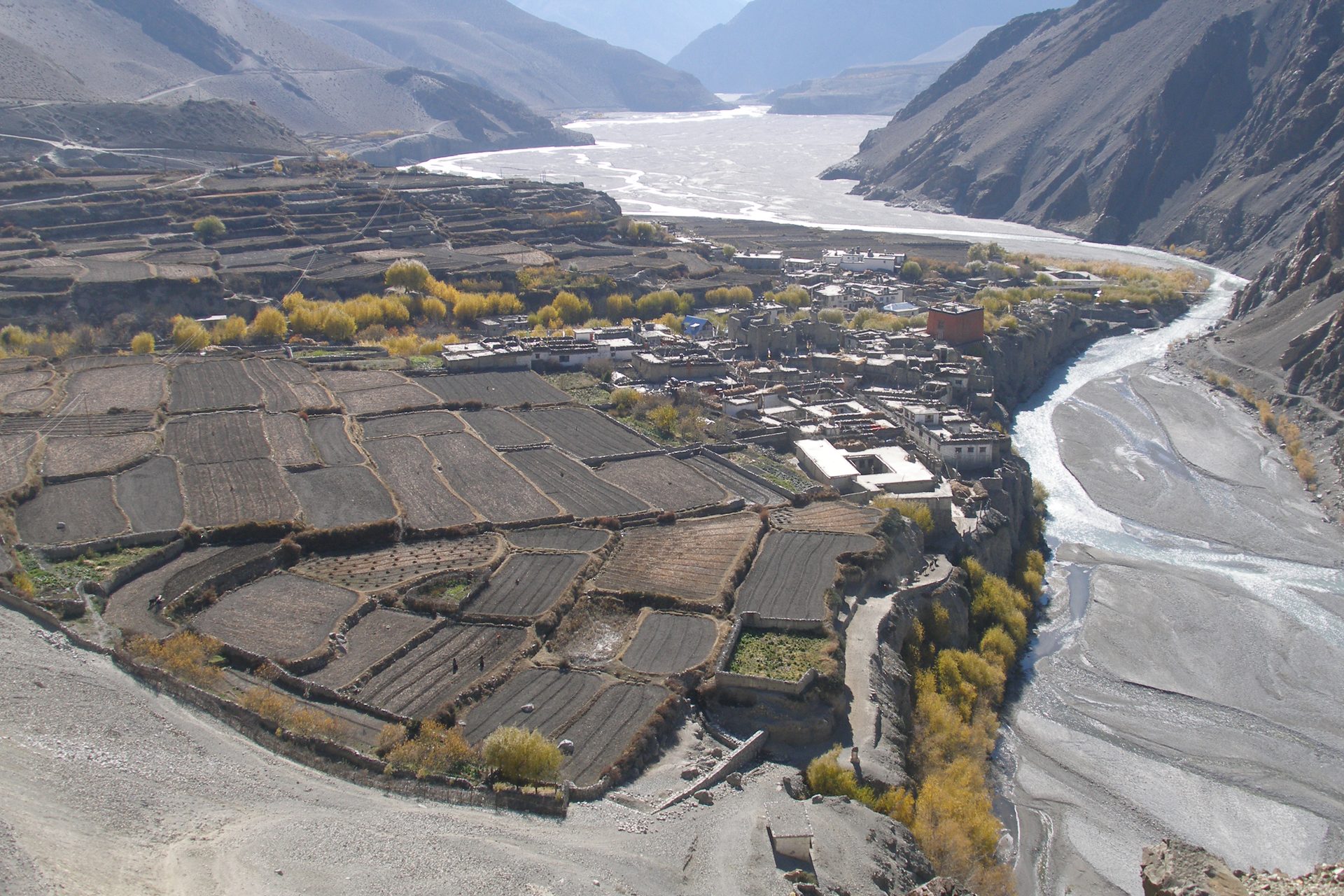
The Lowa people of Upper Mustang structure their year around a calendar of festivals that braid together farming cycles, lunar dates, and centuries-old Tibetan Buddhist tradition. Some are quiet community feasts, others are major public spectacles that fill the walled city of Lo Manthang for three days at a time. Knowing which festival happens when can shape an entire trip — go in May for Tiji, August for Yartung, or January for Sonam Losar and you will see a completely different side of the kingdom. Here is the full annual calendar.
1. Sonam Losar — Tibetan Farmer's New Year
When: January (date set by Tibetan lunar calendar)
The Lowa name "Sonam" refers to farmers, which is the primary occupation of the region alongside yak and goat herding. Sonam Losar marks both the start of the farmer's new year and a ritual purification of homes, hearths and communities. Families spend days beforehand cleaning their houses thoroughly, preparing offerings to the household deities, and cooking the traditional foods of the festival: khapse (deep-fried pastries shaped like flowers), momos, thukpa, and locally made chhang (millet beer).
The festival itself plays out as community gatherings in open village squares: music, dancing, games of dice, cards and mahjong, and storytelling by the fire. Traditional clothing comes out of storage — the heavy chuba robes, silver jewellery and turquoise headpieces that mark formal Lowa identity.
Sonam Losar is a quieter cultural experience than Tiji, with no monastic spectacle, but it is one of the most authentic windows into daily Lowa life.
2. Tiji Festival — The Sacred Battle of Good Versus Evil
When: May (main festival); June (New Tiji at Chhode Monastery)
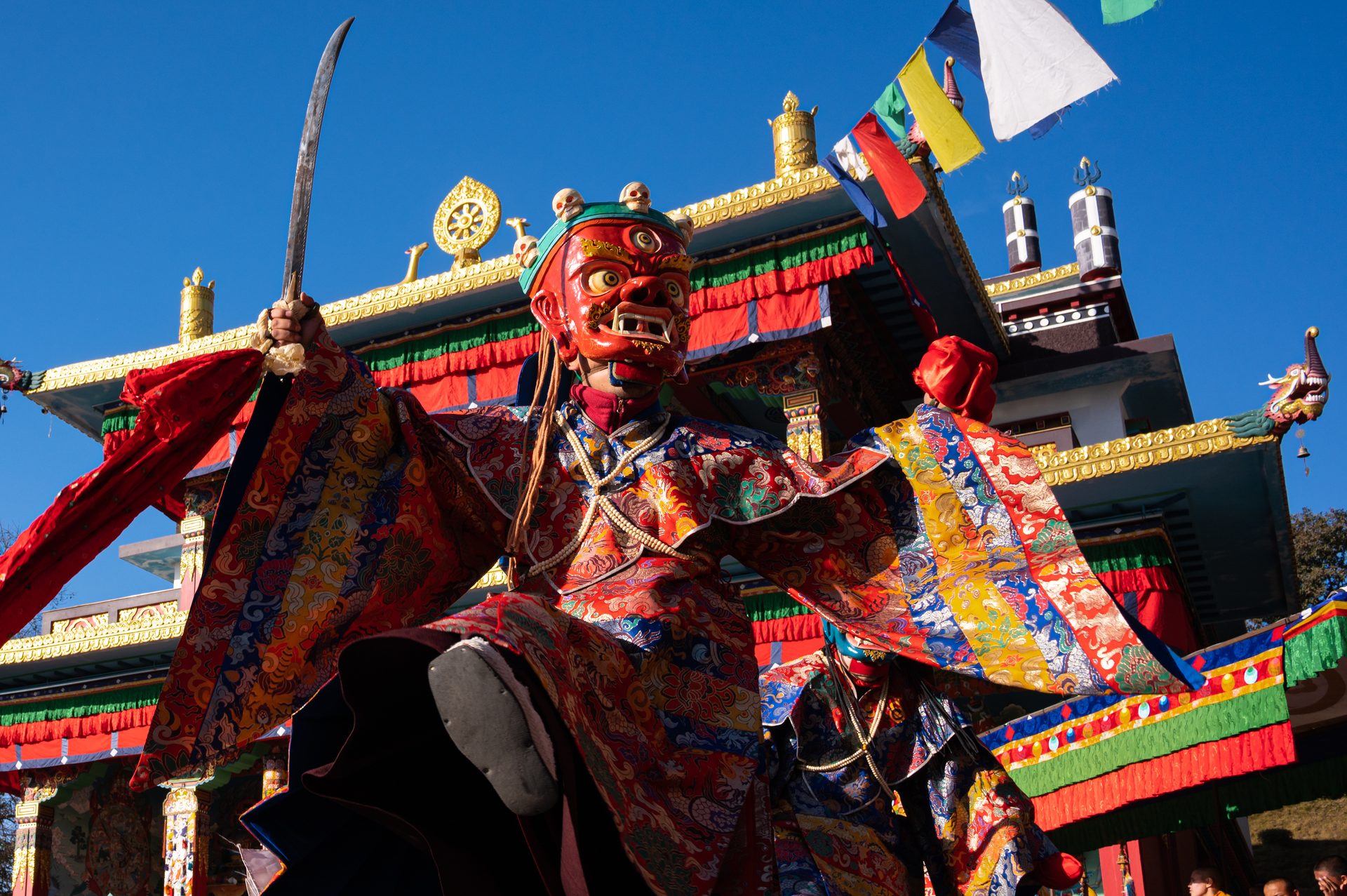
The most spiritually significant and visually dramatic festival in Upper Mustang. Tiji commemorates the mythological story of Dorje Jono (also called Dorje Sonam), a wrathful protector deity who defeats a destructive demon to save the kingdom. The three-day ceremony has been performed continuously since the late 1600s by the monks of Chhode Monastery in the courtyard of the Royal Palace of Lo Manthang.
The performance centres on Cham dances — elaborately choreographed masked dances by the monks wearing ochre and brocade robes and brightly painted masks. Every step, every drum beat, every gesture is symbolically loaded with centuries of tantric Buddhist meaning. By day three, the demon's effigy is destroyed in a dramatic procession outside the city walls. (For the full ritual sequence, see our Tiji Festival guide.)
A smaller "New Tiji" version is also performed in June inside Chhode Monastery itself, drawing a fraction of the audience of the main festival.
3. Tenpa Tsechu (Dukpa Tshechu)
When: 10th day of the 6th Tibetan lunar month (usually July-August)
Tenpa Tsechu honours Guru Rinpoche (Padmasambhava), the 8th-century tantric master credited with bringing Buddhism from India into Tibet, Nepal and Bhutan. The festival name itself is built from the Tibetan words tse (day) and chu (ten), referring to the 10th day of the lunar month — Padmasambhava's traditional day of veneration.
The celebration centres on two sacred monasteries:
- Luri Gompa in the eastern village of Ghara
- Ghar Gompa near Dhakmar, which houses a revered statue of Guru Rinpoche
Local Ngakpas (tantric lay practitioners) lead a four-day puja at Ghar Gompa. Pilgrims from across Mustang and beyond gather in traditional dress to make offerings, recite mantras, and join the cultural dances and music that fill the evenings. The atmosphere is more devotional than dramatic — quieter than Tiji, but spiritually rich.
4. Bagcham of Namgyal Gompa — The Sacred Mask Dance
When: 5th Tibetan lunar month (usually June-July)
Bagcham (also called Putra Cham) is one of the most sacred masked dances in Upper Mustang, performed in honour of Mahakala — the wrathful protector deity who safeguards the kingdom. The tradition was instituted during the era of Panchen Shakya Chokden as a continuing spiritual defence of Mustang against both physical and metaphysical threats.
Local legend holds that a spiritually-summoned storm once turned back a foreign invasion of Mustang, and the annual Bagcham performance renews that protection. The dance unfolds at Namgyal Gompa, set on the cliff-top north-west of Lo Manthang and surrounded by the ruins of old defensive forts.
Bagcham is a niche festival even among Mustang's calendar — fewer tourists, deeper devotion. Worth planning around for travellers whose primary interest is living Buddhist ritual rather than spectacle.
5. Yartung Festival — Horse Racing on the Plateau
When: August (harvest season, lunar calendar)
Originally a festival dedicated to the King of Lo, Yartung has grown into one of the largest sporting and cultural events across both Upper and Lower Mustang. The three-day celebration takes place during the harvest break, when the agricultural calendar pauses long enough for communities to gather and let off steam.
The headline events are horse races across open plateaus, supplemented by archery contests and traditional Mustang games. Riders dress in ceremonial finery — chuba robes, silver-mounted saddles, brightly tasselled bridles — and demonstrate the equestrian skill that has defined Mustang life for centuries. Before each race monks at the local monasteries perform spiritual rituals to bless the participants and ensure safety.
Yartung is sometimes called "the Kentucky Derby of Mustang." There is no ticket booth and no grandstand — you simply find a vantage point on the plateau and watch the riders thunder past.
6. Phaknyi Festival — A Feast of Gratitude
When: August-September (pre-harvest, lunar calendar)
Phaknyi simply means "feast" in the local dialect. It marks the transition from the heavy work of spring planting to the anticipation of autumn harvest, traditionally falling during the most pleasant time of year before the autumn workload begins.
Historically, Phaknyi celebrations divided the community by gender and age — mothers, boys, girls and elder men would celebrate in separate gatherings, each with its own foods, games and songs. Modern observance has largely combined these into outdoor communal meals featuring fresh local produce: barley flour preparations, summer vegetables, yak cheese, butter tea and chhang. Singing, dancing, drinking and traditional games fill the afternoons and evenings.
Phaknyi is one of the most agriculturally rooted Mustang festivals, reflecting the deep relationship between the community, the land, and the seasonal labour that sustains both.
How to plan a trip around a Mustang festival
Festival dates shift each year because they follow the Tibetan lunar calendar. The five-year rough calendar:
- Sonam Losar: mid to late January, occasionally early February
- Tiji: mid to late May
- New Tiji: mid to late June
- Tenpa Tsechu: late July to early August
- Bagcham: late June to early July
- Yartung: late August
- Phaknyi: late August to early September
We confirm exact dates with our local Mustang monasteries each year as the calendar is finalised. Lodge rooms in Lo Manthang sell out for Tiji months in advance, so book early. For other festivals, accommodation is usually available with shorter lead times.
Festival-specific trek itineraries
We run dedicated trips around each major festival:
- Tiji Festival Upper Mustang Trek — 17 days, our flagship Tiji trip
- Tiji Jeep Tour — 14 days, motorised access for time-constrained travellers
- Yartung Trek — 14 days, built around the August horse races
- Year-round culture-focused itineraries for Sonam Losar, Tenpa Tsechu and Bagcham, all customisable
Why Mustang festivals matter
These festivals are not just colourful events. They are the connective tissue of a community that has maintained Tibetan Buddhist culture in its classical form while the larger Tibet has lost much of the same tradition under modern political pressure. Witnessing Tiji or Yartung in 2026 is, in a real sense, witnessing a continuation of practice that has been performed every year for over 300 years.
Plan your festival trip with us
We are Kathmandu-based with Mustang-region guides who know the festival calendar from the inside. Browse our full Upper Mustang collection or contact our Kathmandu team to plan a festival-timed 2026 or 2027 trek.
More stories
Sep 12, 2026
Five Weeks in the Tsum Valley: A Trekker's Story
May 21, 2026
Why Trek in Nepal? Nine Honest Reasons from Local Guides
May 21, 2026
The Villages of Upper Mustang: A Field Guide to Lo Tsho Dyun
May 21, 2026
7 Best Upper Mustang Trekking Routes for 2026
May 21, 2026
Upper Mustang Jeep Tour: Lo Manthang Without the Trek
May 21, 2026
Festivals of Upper Mustang: 6 Cultural Events That Define the Year
May 21, 2026
Tsum Valley Trek: The Essential Guide for 2026
May 21, 2026
Tsum Valley: The History of the Shyagya Non-Violence Tradition
May 21, 2026
Nepal Trekking Gear Checklist: What to Pack for the Himalaya
May 21, 2026
Top 10 Hidden Hikes in Nepal's Enchanting Tsum Valley
May 21, 2026
Tilicho Lake via Mesokanto Pass: Short, Wild Mustang Trek
May 21, 2026
Tiji Festival in Upper Mustang: Dates, Rituals and 2026-27 Guide
May 21, 2026
6 Least-Trekked Places in Nepal Worth Going to in 2026
May 21, 2026
Rolwaling & Lapche Valley Trek: Gaurishankar's Hidden Routes
May 21, 2026
8 Reasons to Visit Upper Mustang in 2026
May 21, 2026
Panch Pokhari Trek: Sacred Lakes North of Kathmandu
May 21, 2026
North Annapurna Base Camp Trek: Nepal's Quiet Alternative
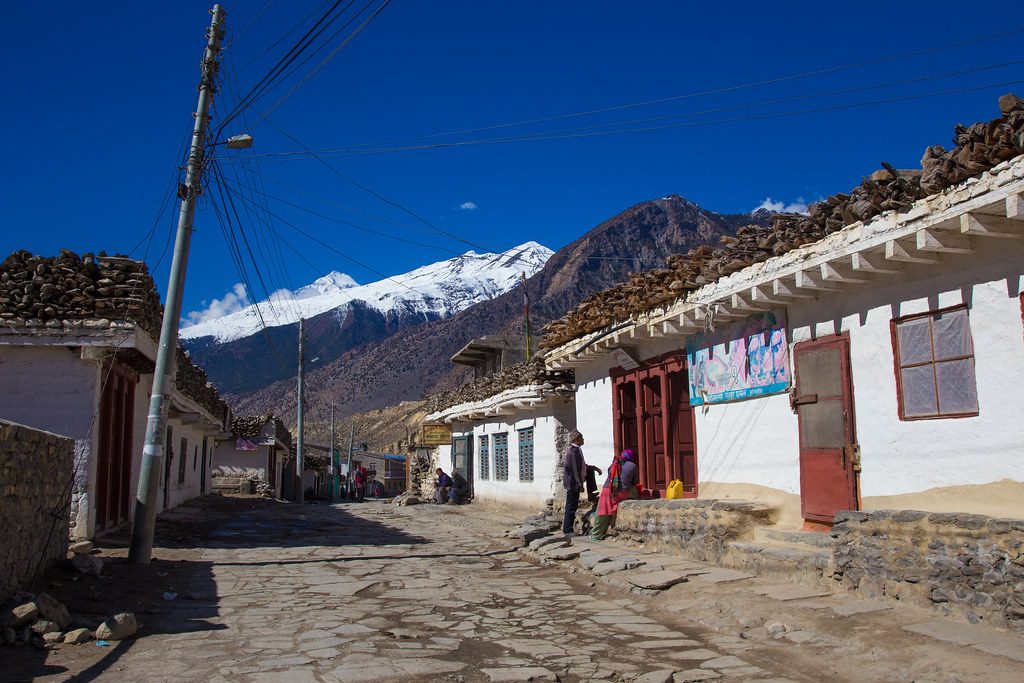
May 21, 2026
Nepal Visa Guide 2026: Everything Trekkers Need to Know
May 21, 2026
Nepal Visa: The Complete 2026 Guide for Trekkers
May 21, 2026
Nepal Trekking Permits and Costs 2026: The Complete Guide
May 21, 2026
Nepal Trekking Equipment Checklist: What to Actually Pack (2026)
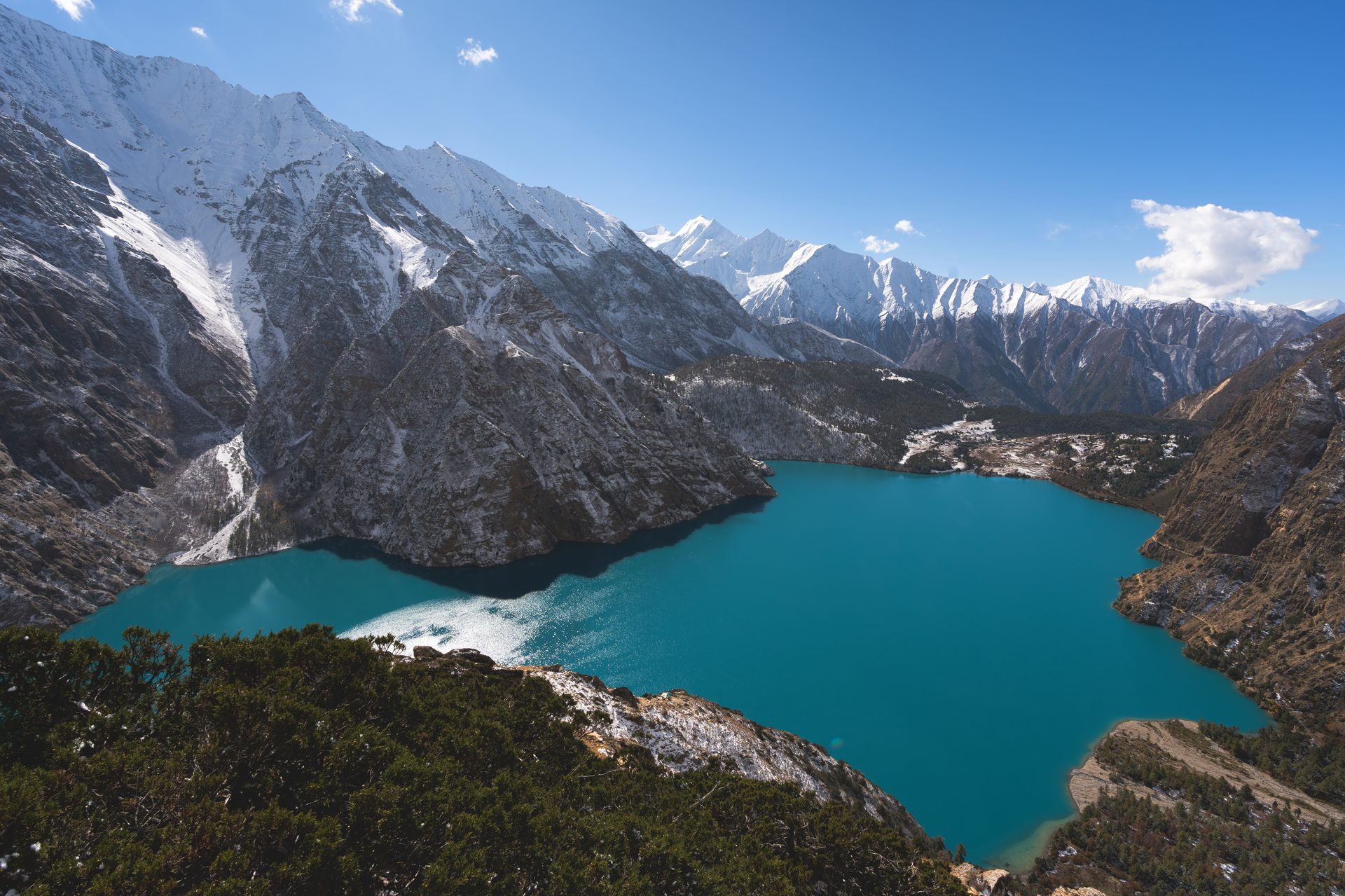
May 21, 2026
Monasteries of Dolpo: Sacred Gompas of Hidden Nepal
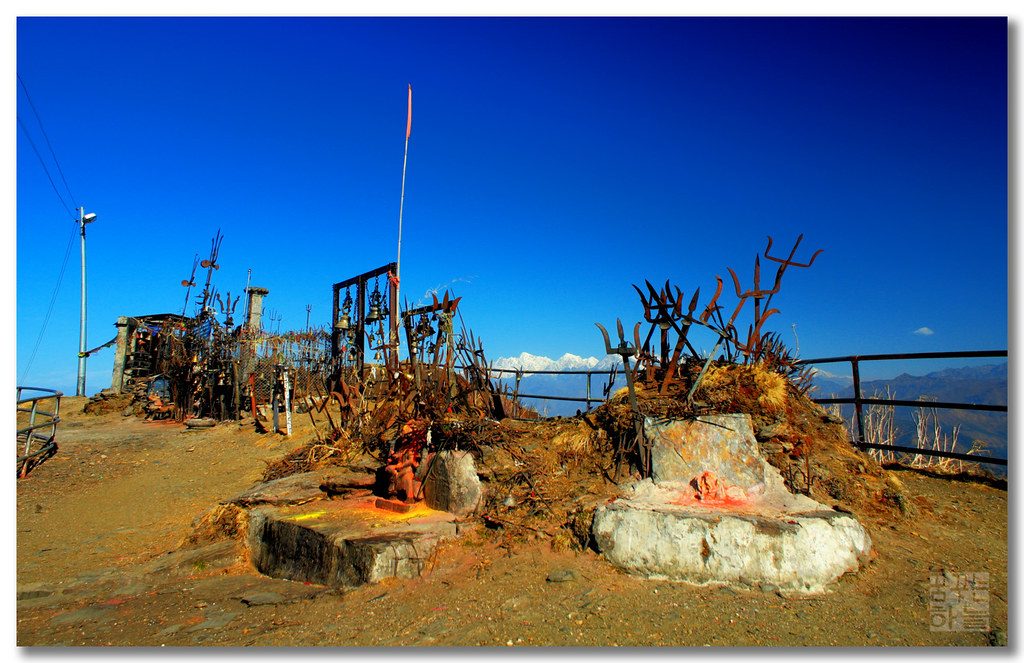
May 21, 2026
Manungkot Viewpoint: Nepal's Sunrise Above the Clouds
May 21, 2026
Manaslu Circuit Trek: Complete 2026 Guide
May 21, 2026
Manaslu Circuit Trek 2026: A Complete Guide from Kathmandu
May 21, 2026
Kirtipur Day Trip: Kathmandu's Living Newari Hill Town
May 21, 2026
Kanchenjunga Trek Guide 2026: Routes, Permits and Itinerary
May 21, 2026
Kalinchowk: Nepal's Easiest Winter Snow Escape from Kathmandu
May 21, 2026
High Pass Treks in Nepal: 16 Crossings Above 5,000 m
May 21, 2026
Everest Base Camp Trek: The Complete 2026 Guide
May 21, 2026
Everest Base Camp Trek: A Complete 2026 Guide from Kathmandu
May 21, 2026
Dolpo Trekking Guide 2026: Routes, Permits and Practical Tips
May 21, 2026
12 Best Treks in Nepal for 2026: A Local Guide's Honest Ranking
May 21, 2026
The 6 Best Summer (Monsoon) Treks in Nepal
May 21, 2026
17 Best Himalayan Viewpoints in Nepal (Ranked by Local Guides)
May 21, 2026
Best Day Hikes in and Around Kathmandu Valley
May 21, 2026
10 Best Day Hikes Around the Kathmandu Valley
May 21, 2026
Ama Yangri Peak: A 3-Day Hike From Kathmandu with Big Mountain Views
May 21, 2026