May 21, 2026
Everest Base Camp Trek: The Complete 2026 Guide
Everything you need to know about the Everest Base Camp Trek - itinerary, permits, fitness, cost, season, alternatives - from a Kathmandu-based operator.
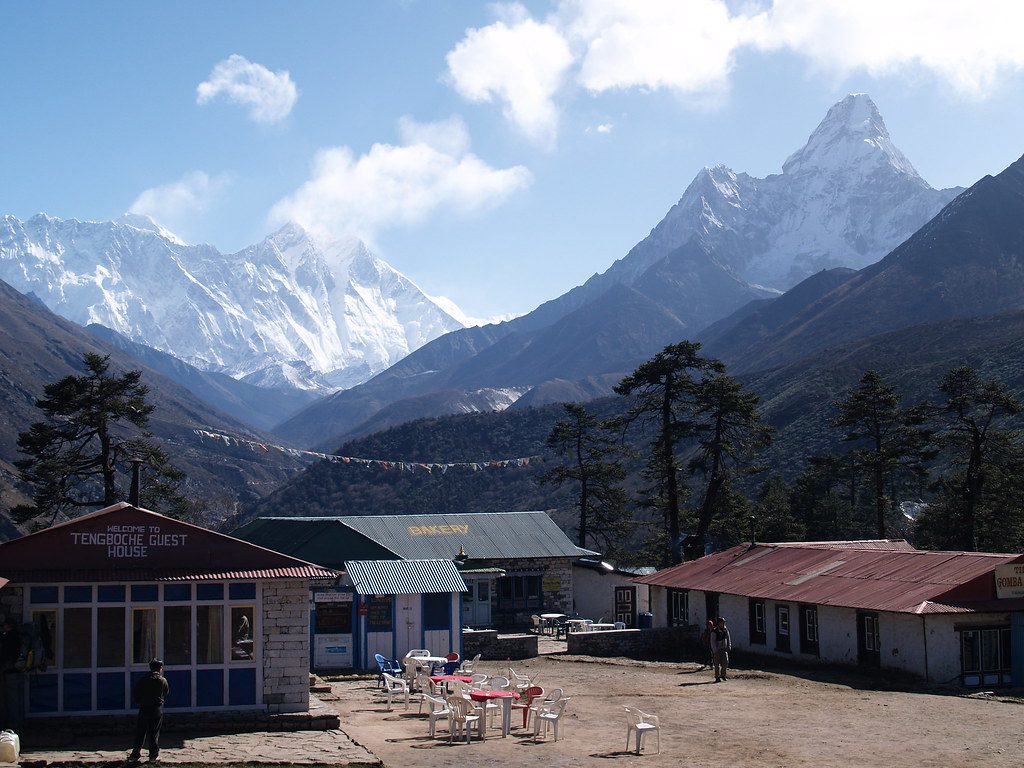
Everest Base Camp Trek: The Complete 2026 Guide
The Everest Base Camp Trek is the single most iconic high-altitude walk on Earth. It is also one of the most logistically dense - the Lukla flight, the permit system, the lodge demand, the AMS risk and the weather windows all conspire to trip up the unprepared. This guide is what we wish every client read before booking.
What and where it is
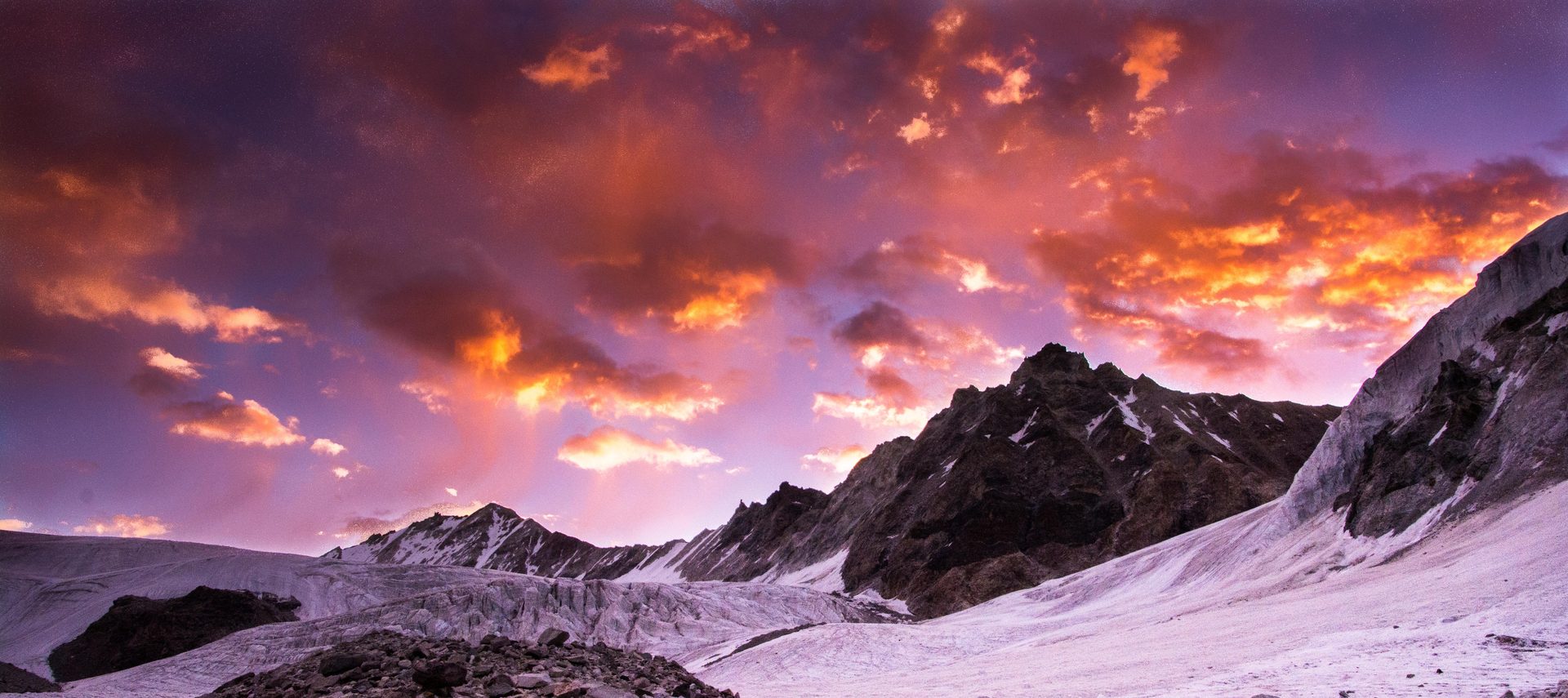
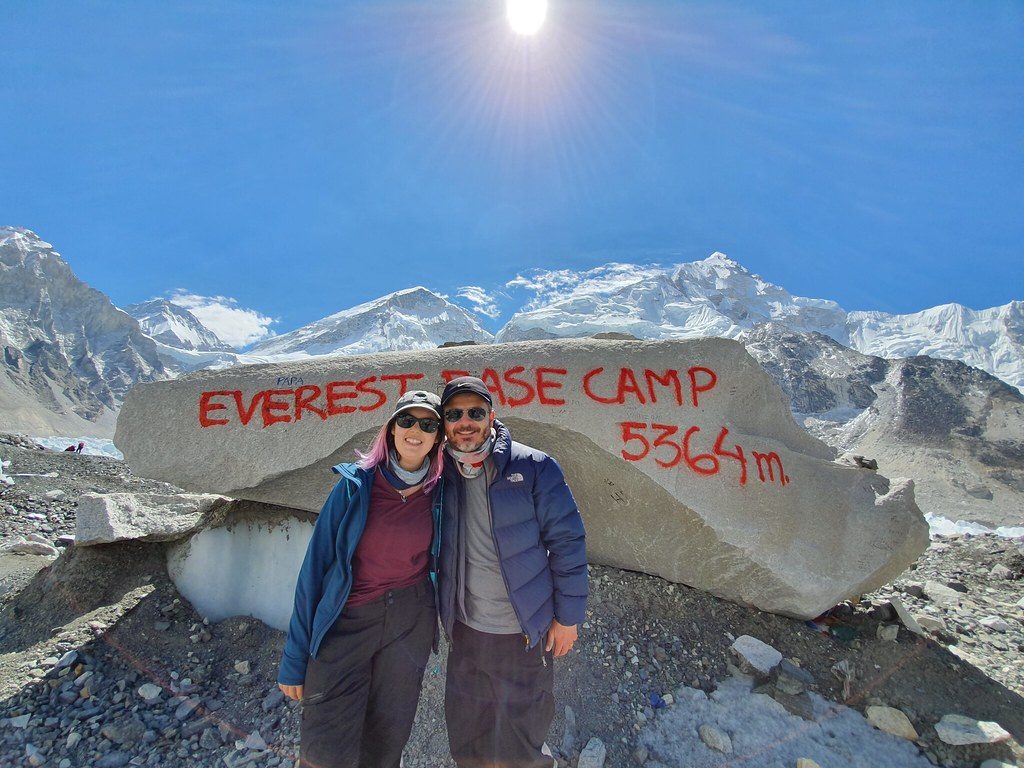
Everest Base Camp sits at 5,364 metres on the south side of Mount Everest, inside Sagarmatha National Park in north-eastern Nepal. The base camp is technically a flat shelf of glacial moraine at the foot of the Khumbu icefall - in spring and autumn it fills with the coloured tents of climbing expeditions. The trek route starts at Lukla (2,840m), follows the Dudh Koshi river north through Sherpa villages, and reaches base camp on Day 9 of a typical 14-day itinerary.
The highest point of the trek is not base camp itself but Kala Patthar at 5,545m - a sub-peak above Gorakshep village from which you get the classic sunrise photograph of the Everest south-west face.
How long does the trek take?
The classic itinerary is 14 days: 12 days walking plus a Kathmandu arrival day and a buffer day. Shorter and longer variations exist:
- 9 days: Helicopter-assisted (fly from Lukla to Gorakshep or back from Pheriche). Less acclimatisation, higher AMS risk.
- 12 days: Trek up, helicopter return from Pheriche or Lukla. Saves descent fatigue.
- 14 days: Standard. Proper acclimatisation built in.
- 17 days: Add the Three Passes loop. Complete Khumbu experience for the strong trekker.
- 21 days: Add Gokyo Lakes via Cho La. The most complete EBC route.
Physical demands
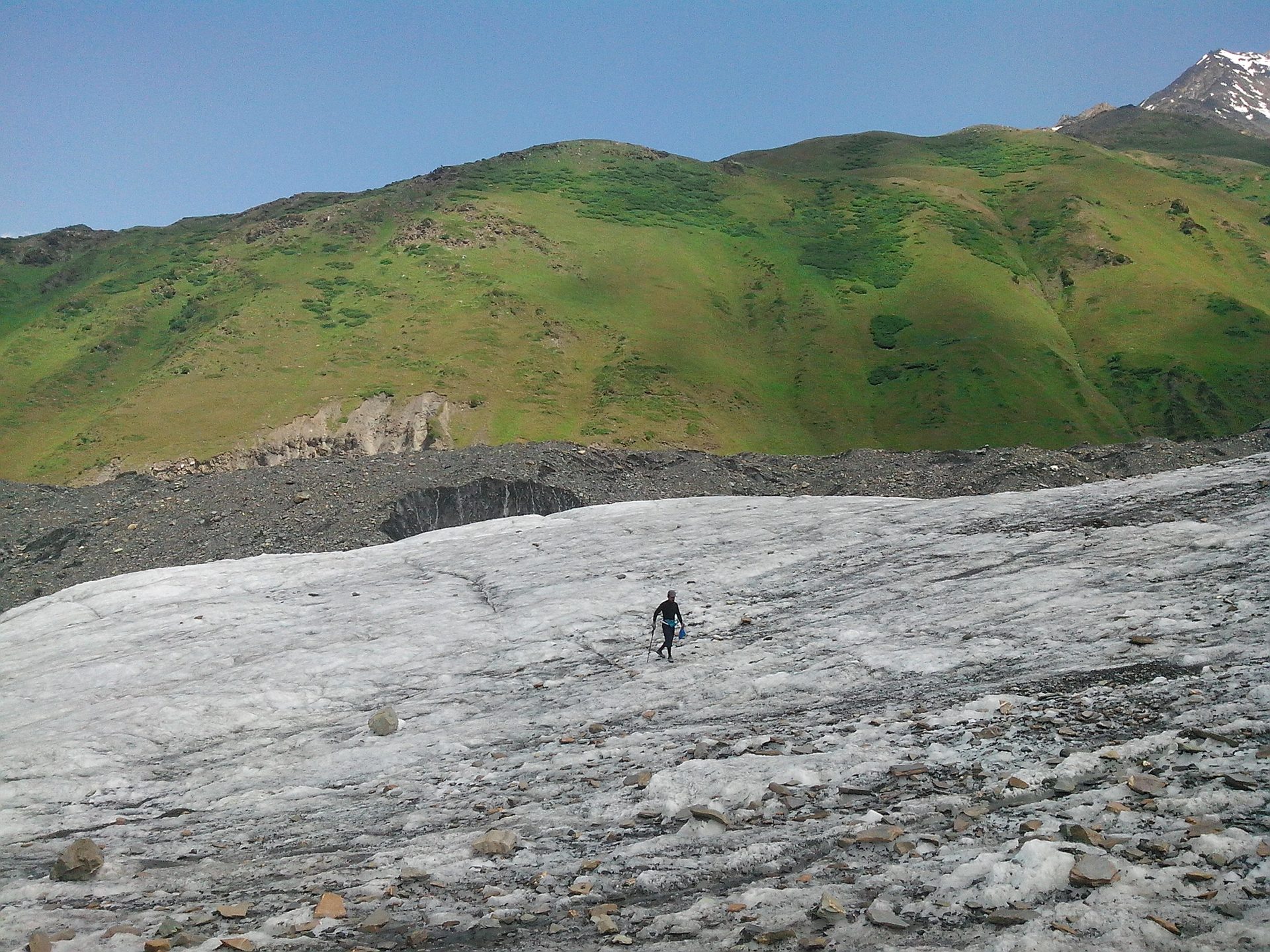
Strenuous. You walk 5-7 hours a day for two weeks, often on uneven stone steps. You sleep at altitudes from 2,610m (Phakding) to 5,170m (Gorakshep). Three months of focussed cardio (running, hill walking, stair-climbing) and lower-body strength is the typical preparation. Prior multi-day trekking experience is helpful but not essential.
Permits
Two permits are required:
- Sagarmatha National Park Entry Permit - NPR 3,000 (around USD 22)
- Khumbu Pasang Lhamu Rural Municipality Permit - NPR 3,000 (around USD 22)
The older TIMS card was replaced on this route in 2017. Solo trekking is no longer permitted in Sagarmatha National Park (rule introduced April 2023) - you must have a licensed guide.
Best season
- Spring (March-May): Stable weather, rhododendrons in bloom up to 4,000m, warmer pre-dawn temperatures. October and April are the most popular months.
- Autumn (September-November): The clearest visibility of the year, post-monsoon air, drier paths. Cold above 4,000m.
- Winter (December-February): Possible for experienced trekkers but lodges above Dingboche often close and Lukla flights are unreliable.
- Monsoon (June-August): Not recommended. Mud, leeches and constant flight cancellations.
The Lukla flight problem
The Tenzing-Hillary airport at Lukla is one of the most dramatic STOL airstrips in the world - 12-degree slope, 527m runway, cliff at the end. Flights only operate dawn till about 10 AM because of Himalayan thermal turbulence. Weather closures are common - it is not unusual to lose 24 hours at either end of the trip. Always build a buffer day at the start and end.
In peak season (October, April) flights operate from Ramechhap (4 hours' drive east of Kathmandu) rather than Tribhuvan. Plan accordingly.
Altitude sickness
Acute Mountain Sickness (AMS) affects roughly 50% of trekkers above 4,000m to some degree. The 14-day itinerary builds in two scheduled acclimatisation days (Namche, Dingboche) using the climb-high-sleep-low principle. Pulse-oximeters carried by our guides give an objective reading. Diamox (acetazolamide) 250mg twice daily, started 24 hours before the climb, helps most people. If you experience worsening symptoms - confusion, ataxia, persistent vomiting - the only treatment is immediate descent.
What does it cost?
A guided, all-inclusive EBC trek with a reputable Kathmandu-based operator runs USD 1,200-1,800 per person. Includes flights, guide, porter, permits, lodging, meals and Kathmandu hotel. International airfare, Nepal visa, travel insurance, gear rental and tips are extra.
Budget guides offer USD 800-1,000 packages but often skimp on porter wages, group size or insurance backup. Premium operators charge USD 2,500+ for ensuite lodging and private rooms.
What to pack
The essentials only:
- Down jacket rated to -10C
- Mid-weight fleece
- Waterproof and windproof shell
- Thermal base layers (top and bottom)
- 3 trekking shirts, 2 trousers
- 5-6 pairs of trekking socks
- Beanie, sun hat, neck buff, insulated gloves, liner gloves
- Broken-in waterproof trekking boots and camp shoes
- 40L daypack and 65L duffel (porter carries this)
- -15C sleeping bag
- Trekking poles
- Headlamp with spare batteries
- Polarised UV400 sunglasses
- 2L water capacity
- Power bank (10,000+ mAh)
Most items rent in Kathmandu's Thamel district for USD 1-3 per day.
Tipping
Standard at the end of the trek:
- Guide: USD 8-10 per day per trekker
- Porter: USD 5-7 per day per trekker
Tip as a group, in cash, in NPR.
Alternatives if EBC is not for you
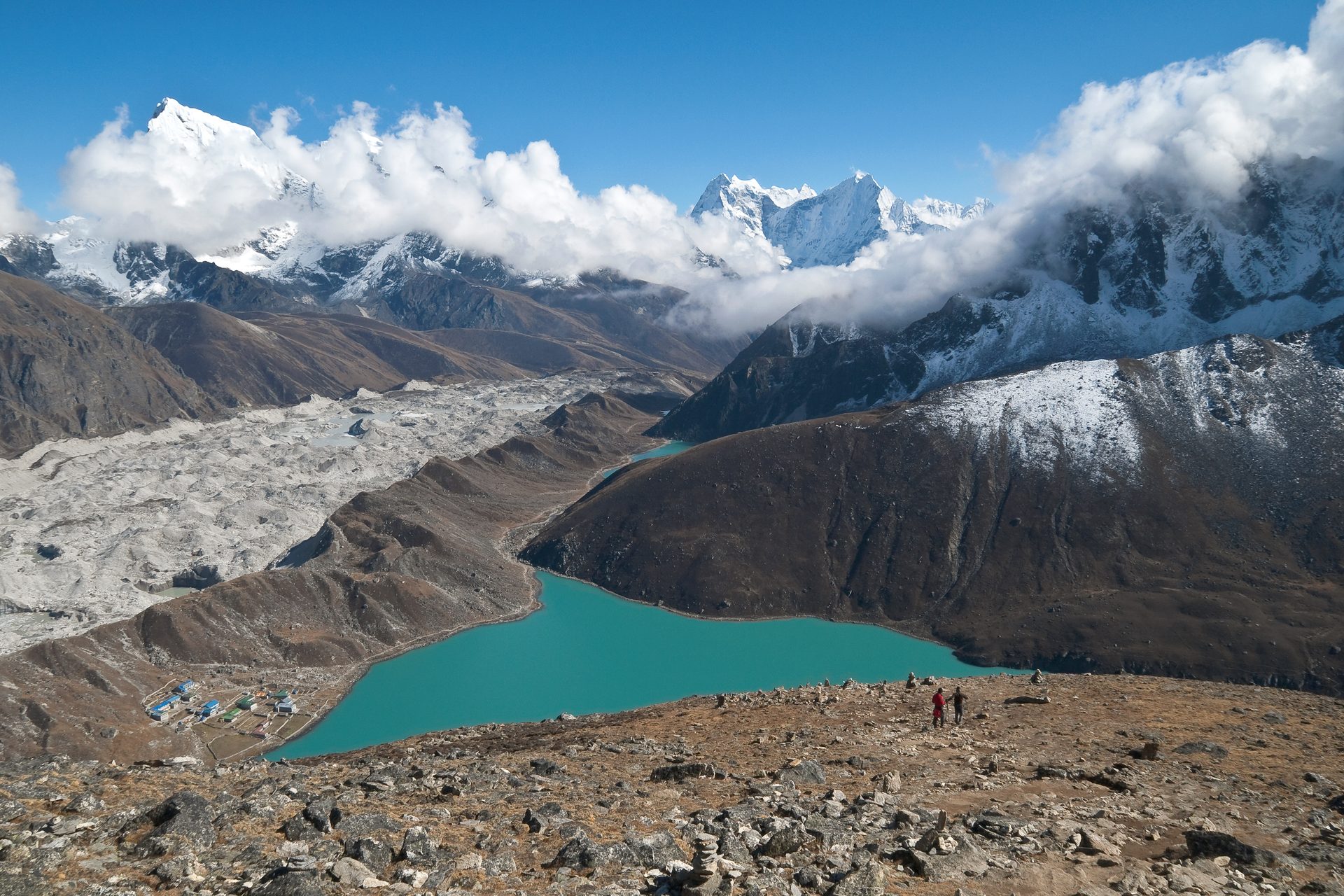
- Gokyo Lakes (12 days): Quieter, similar Everest views from Gokyo Ri (5,357m), more lake scenery.
- Everest View Panorama (7 days): Half the days, low altitude (3,870m), still gives Everest views from Tengboche.
- Pikey Peak (9 days): Best Everest sunrise without the Lukla flight. Budget-friendly.
- Three Passes (17 days): The complete Khumbu circuit for strong, experienced trekkers.
Why book with a Kathmandu-based operator
Local operators handle the logistics that ruin trips for unprepared independent trekkers: pre-blocked lodge rooms in October peak season, weather-flexible flight rebooking, real-time pulse-oximeter monitoring above 4,000m, and the relationships with Lukla flight controllers that get you out when others are stranded.
We have been running Khumbu treks for two decades. Our senior guides have walked the EBC trail more than 50 times each. We do not take short cuts on porter wages, lodging quality or contingency planning.
In summary
The EBC trek is achievable for any reasonably fit, healthy adult with 3 months of preparation. The main risks are altitude, weather and underestimating the physical commitment. Book with a reputable operator, build buffer days, train properly, and the trek delivers what it promises: 14 days walking in the most spectacular mountain scenery on Earth, finishing at the foot of the highest peak our planet has produced.
More stories
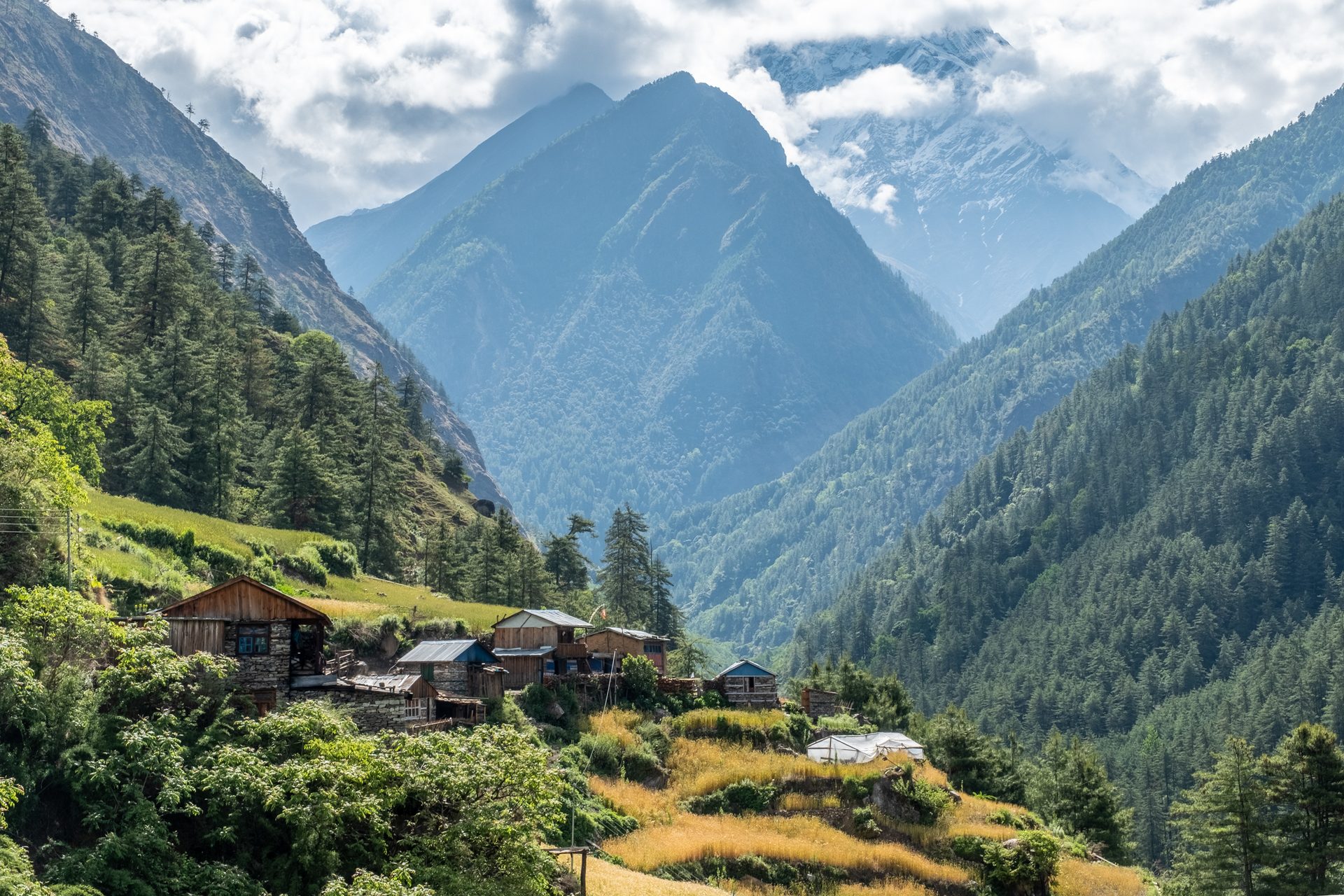
Sep 12, 2026
Five Weeks in the Tsum Valley: A Trekker's Story
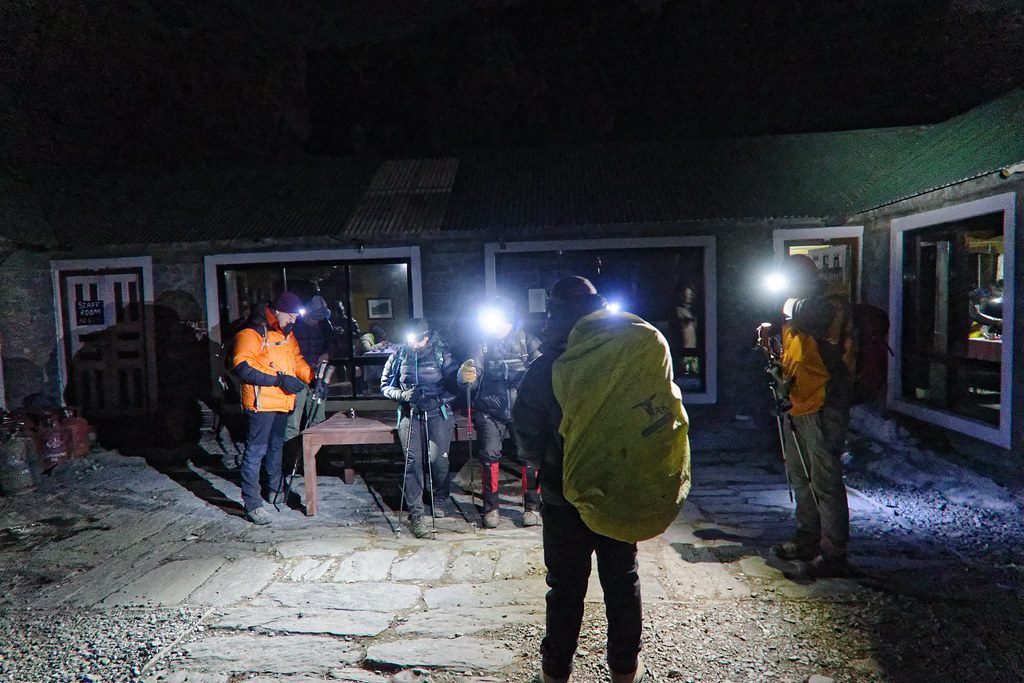
May 21, 2026
Why Trek in Nepal? Nine Honest Reasons from Local Guides
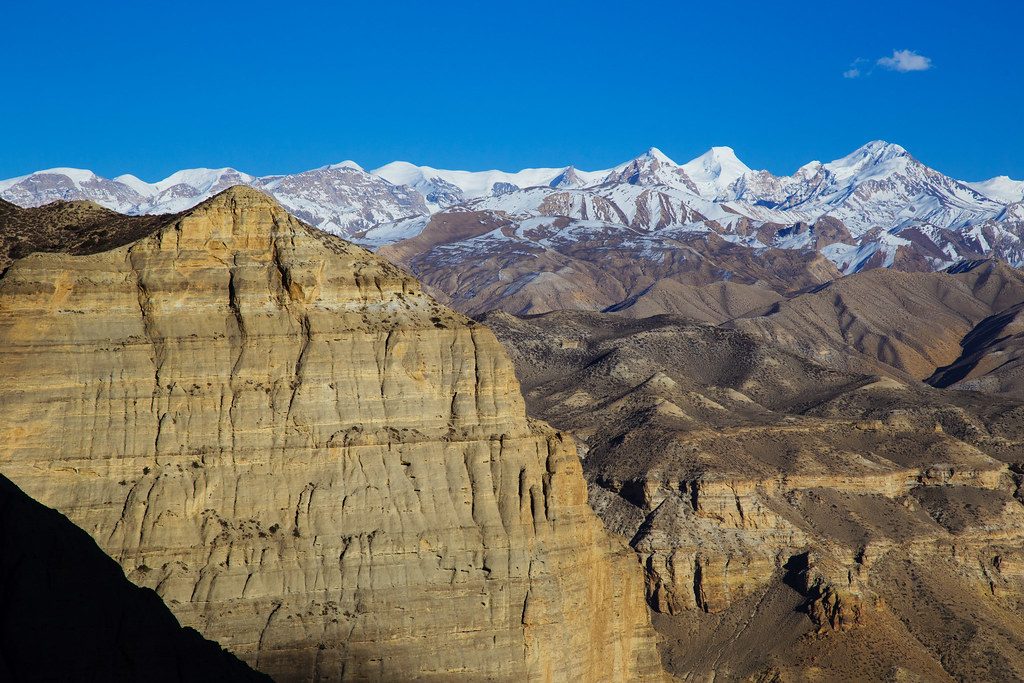
May 21, 2026
The Villages of Upper Mustang: A Field Guide to Lo Tsho Dyun
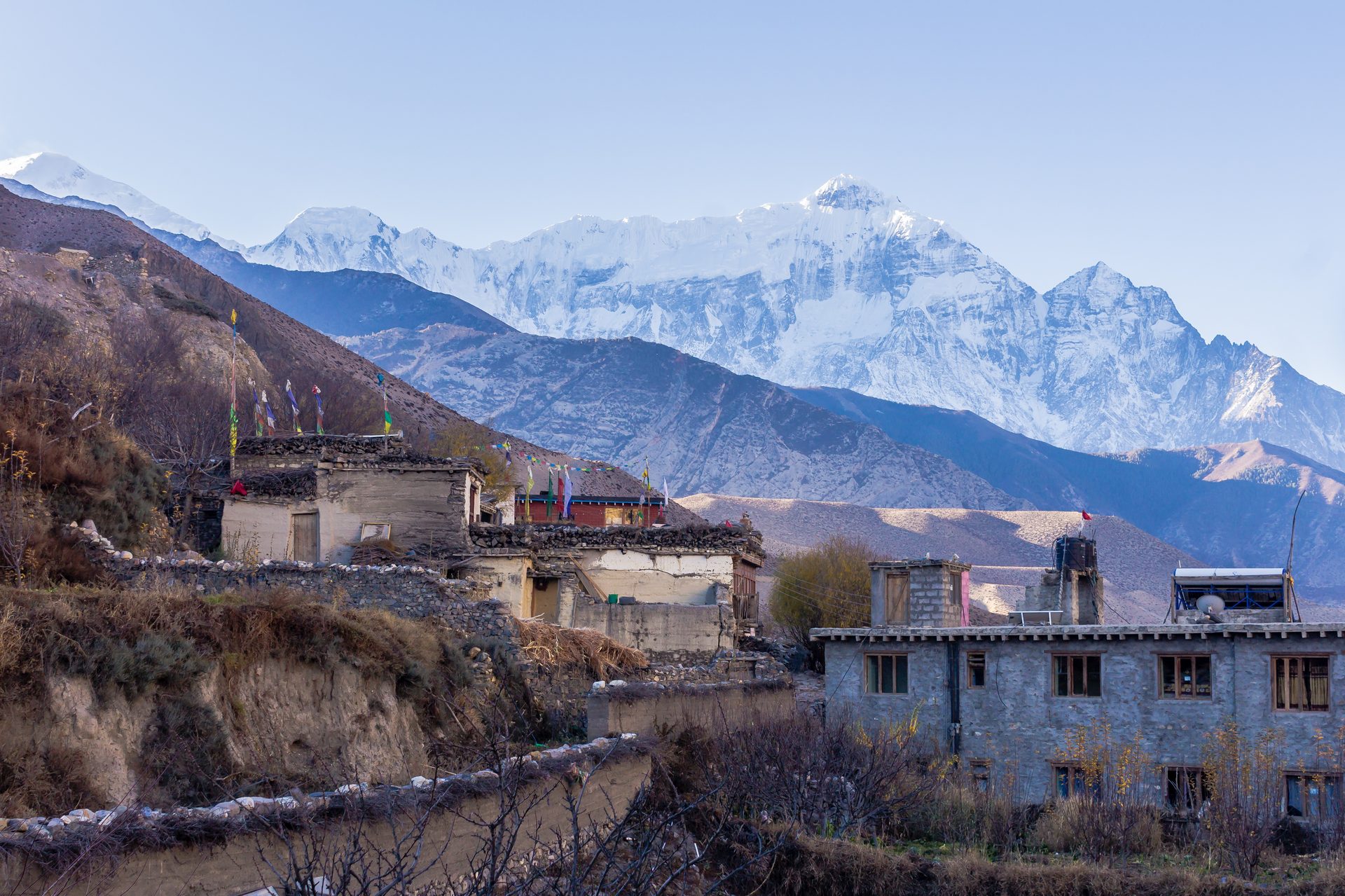
May 21, 2026
7 Best Upper Mustang Trekking Routes for 2026
May 21, 2026
Upper Mustang Jeep Tour: Lo Manthang Without the Trek
May 21, 2026
Festivals of Upper Mustang: 6 Cultural Events That Define the Year
May 21, 2026
Tsum Valley Trek: The Essential Guide for 2026
May 21, 2026
Tsum Valley: The History of the Shyagya Non-Violence Tradition
May 21, 2026
Nepal Trekking Gear Checklist: What to Pack for the Himalaya
May 21, 2026
Top 10 Hidden Hikes in Nepal's Enchanting Tsum Valley
May 21, 2026
Tilicho Lake via Mesokanto Pass: Short, Wild Mustang Trek
May 21, 2026
Tiji Festival in Upper Mustang: Dates, Rituals and 2026-27 Guide
May 21, 2026
6 Least-Trekked Places in Nepal Worth Going to in 2026
May 21, 2026
Rolwaling & Lapche Valley Trek: Gaurishankar's Hidden Routes
May 21, 2026
8 Reasons to Visit Upper Mustang in 2026
May 21, 2026
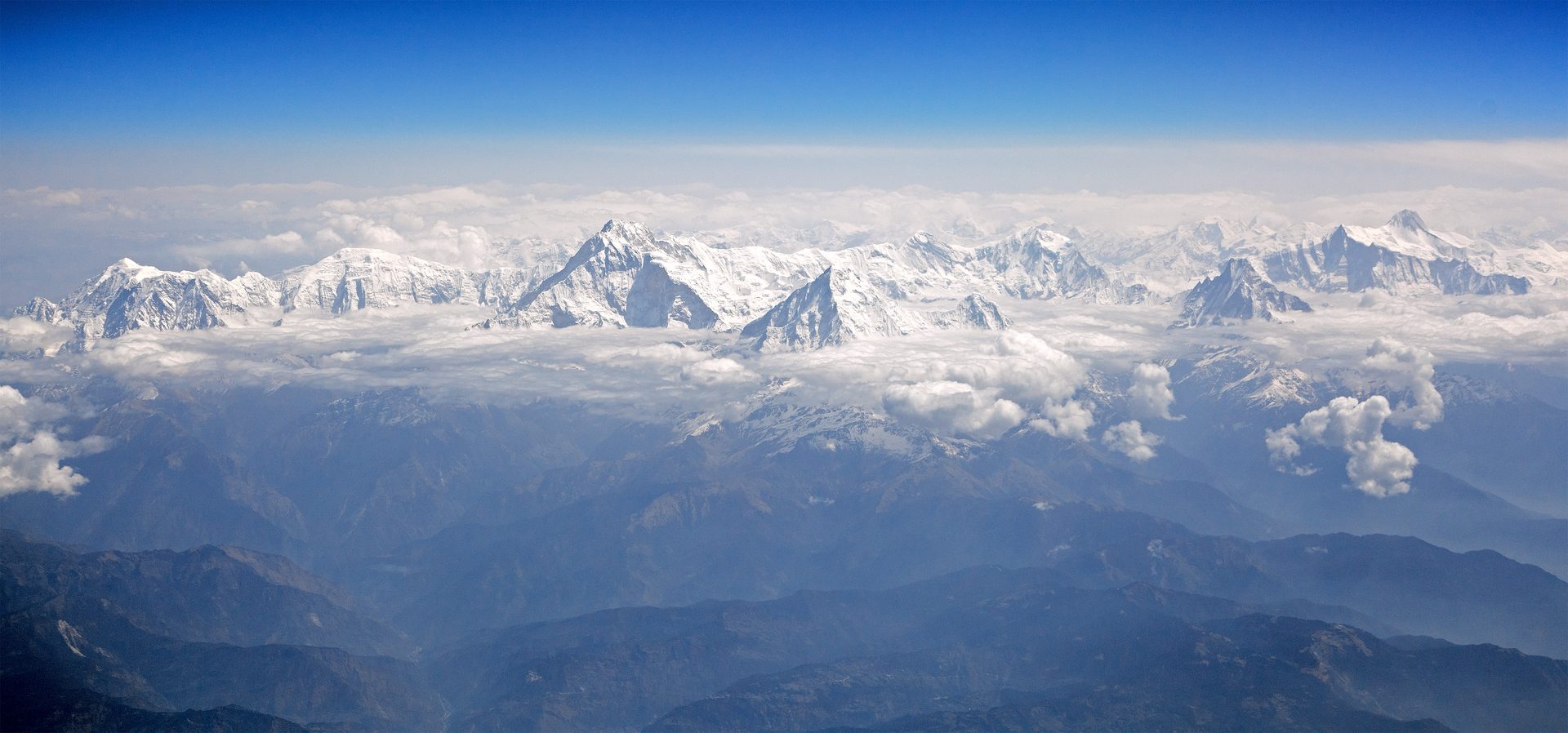
Panch Pokhari Trek: Sacred Lakes North of Kathmandu
May 21, 2026
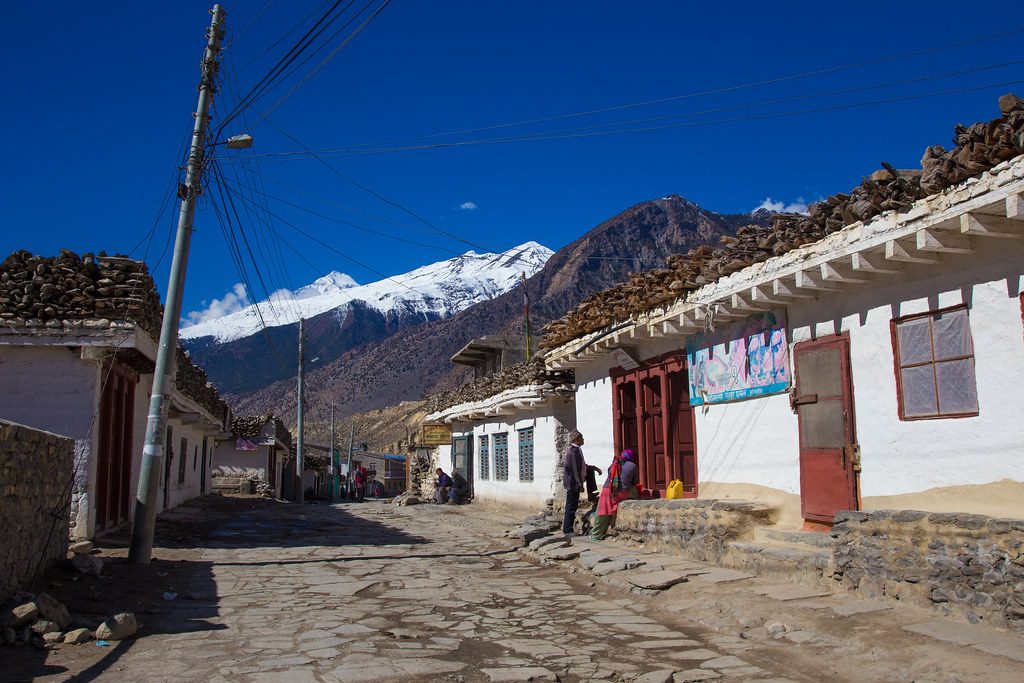
North Annapurna Base Camp Trek: Nepal's Quiet Alternative
May 21, 2026
Nepal Visa Guide 2026: Everything Trekkers Need to Know
May 21, 2026
Nepal Visa: The Complete 2026 Guide for Trekkers
May 21, 2026
Nepal Trekking Permits and Costs 2026: The Complete Guide
May 21, 2026
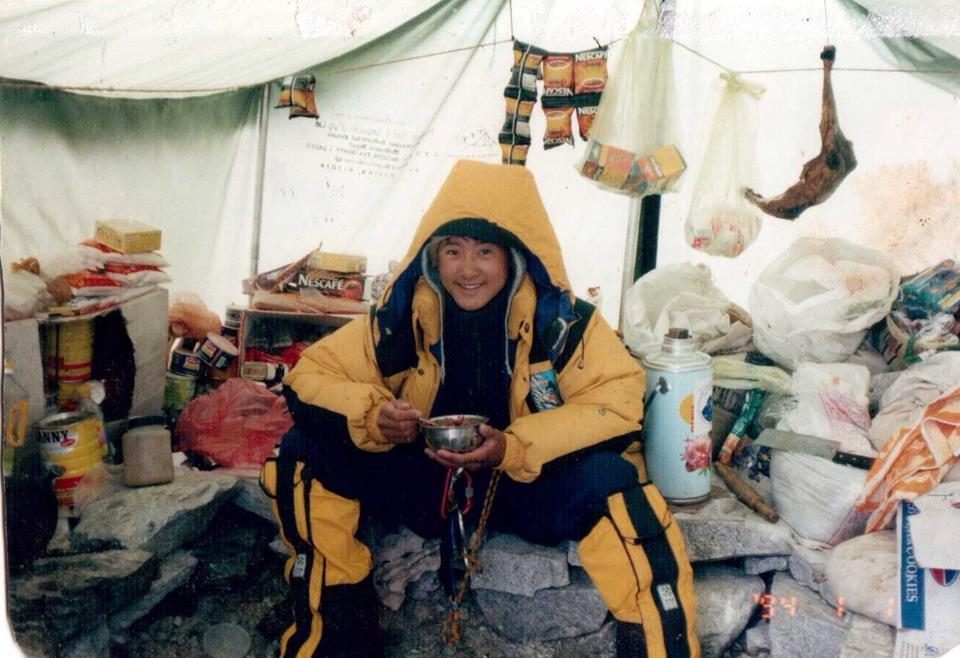
Nepal Trekking Equipment Checklist: What to Actually Pack (2026)
May 21, 2026
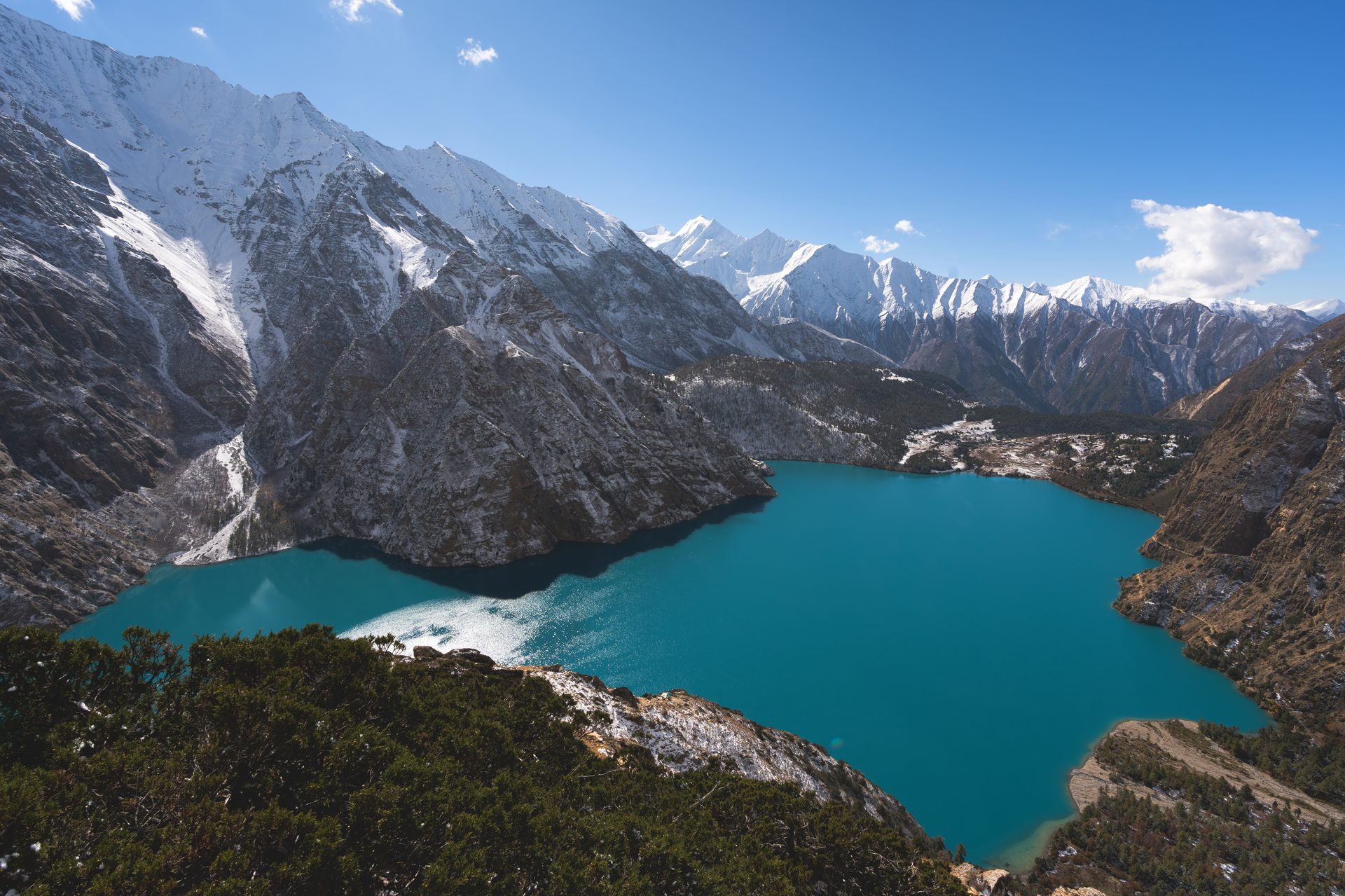
Monasteries of Dolpo: Sacred Gompas of Hidden Nepal
May 21, 2026
Manungkot Viewpoint: Nepal's Sunrise Above the Clouds
May 21, 2026
Manaslu Circuit Trek: Complete 2026 Guide
May 21, 2026
Manaslu Circuit Trek 2026: A Complete Guide from Kathmandu
May 21, 2026
Kirtipur Day Trip: Kathmandu's Living Newari Hill Town
May 21, 2026
Kanchenjunga Trek Guide 2026: Routes, Permits and Itinerary
May 21, 2026
Kalinchowk: Nepal's Easiest Winter Snow Escape from Kathmandu
May 21, 2026
High Pass Treks in Nepal: 16 Crossings Above 5,000 m
May 21, 2026
Everest Base Camp Trek: The Complete 2026 Guide
May 21, 2026
Everest Base Camp Trek: A Complete 2026 Guide from Kathmandu
May 21, 2026
Dolpo Trekking Guide 2026: Routes, Permits and Practical Tips
May 21, 2026
12 Best Treks in Nepal for 2026: A Local Guide's Honest Ranking
May 21, 2026
The 6 Best Summer (Monsoon) Treks in Nepal
May 21, 2026
17 Best Himalayan Viewpoints in Nepal (Ranked by Local Guides)
May 21, 2026
Best Day Hikes in and Around Kathmandu Valley
May 21, 2026
10 Best Day Hikes Around the Kathmandu Valley
May 21, 2026
Ama Yangri Peak: A 3-Day Hike From Kathmandu with Big Mountain Views
May 21, 2026