May 21, 2026
Tsum Valley Trek: The Essential Guide for 2026
Plan your Tsum Valley Trek in 2026: 13-day itinerary, restricted area permits, monasteries, Shyagya tradition and tips from Tsum-Valley-born guides.
Tsum Valley Trek: The Essential Guide for 2026
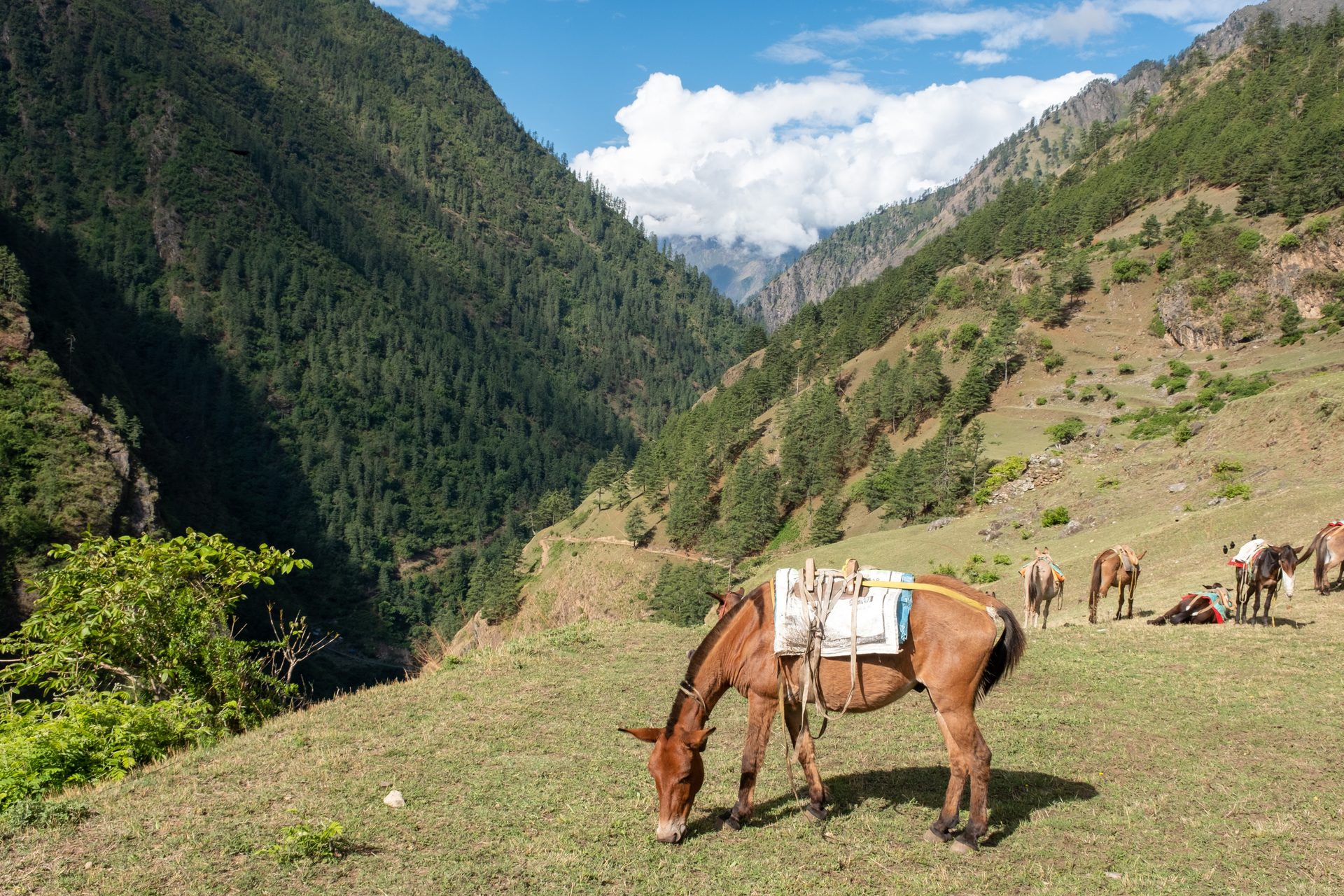
Tsum Valley is the trek we run with the most pride. Tucked behind the Ganesh Himal, Sringi Himal and Buddha Himal ranges, this sacred hidden valley only opened to outsiders in 2008, and the cultural texture you still find here — ancient monasteries, meditation caves, a hundred-year-old non-violence pact, ethnically Tibetan villages — is unlike any other corner of Nepal. The name "Tsum" comes from the local word for "vivid," and that is the right word. Here is the essential 2026 planning guide from our Tsum Valley-born senior guides.
A valley with a different rhythm
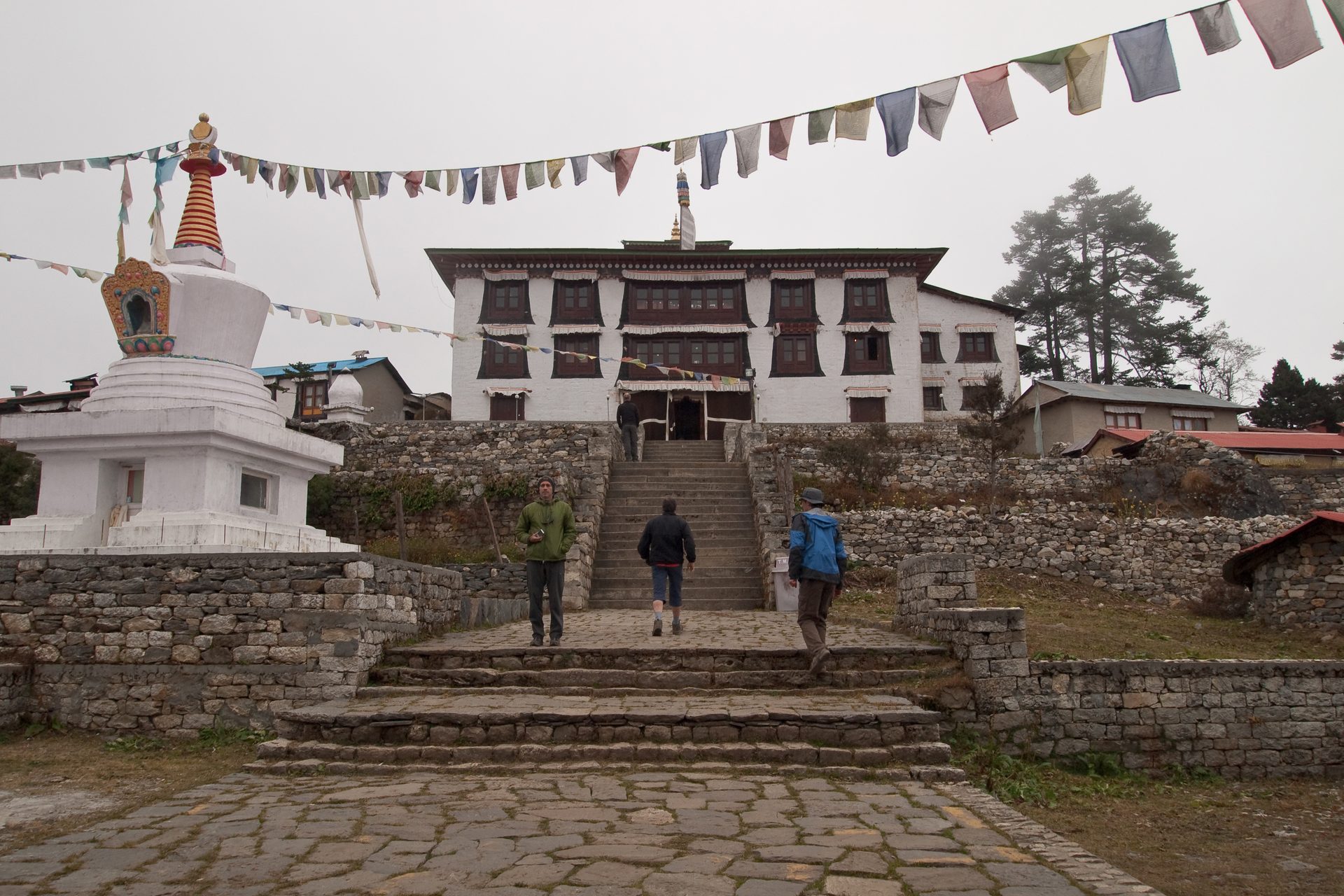
Local tradition holds that Tsum Valley was first established as a beyul, a sacred hidden land, by Guru Padmasambhava (Guru Rinpoche) in the 8th century when he was bringing Buddhism into the Himalaya. Whether or not you take the legend literally, the valley still feels touched by it. The Tsumpa people are ethnically Tibetan and speak Tsumke, a dialect closely related to Tibetan. They live by Buddhist principles to a degree you rarely see anywhere else — most notably through the Shyagya tradition, a non-violence pact established in 1920 that prohibits killing animals, hunting, selling livestock to butchers, trapping birds, collecting wild honey, trading meat, and burning forests. That tradition is now over 100 years old, observed across the whole valley.
How to get there
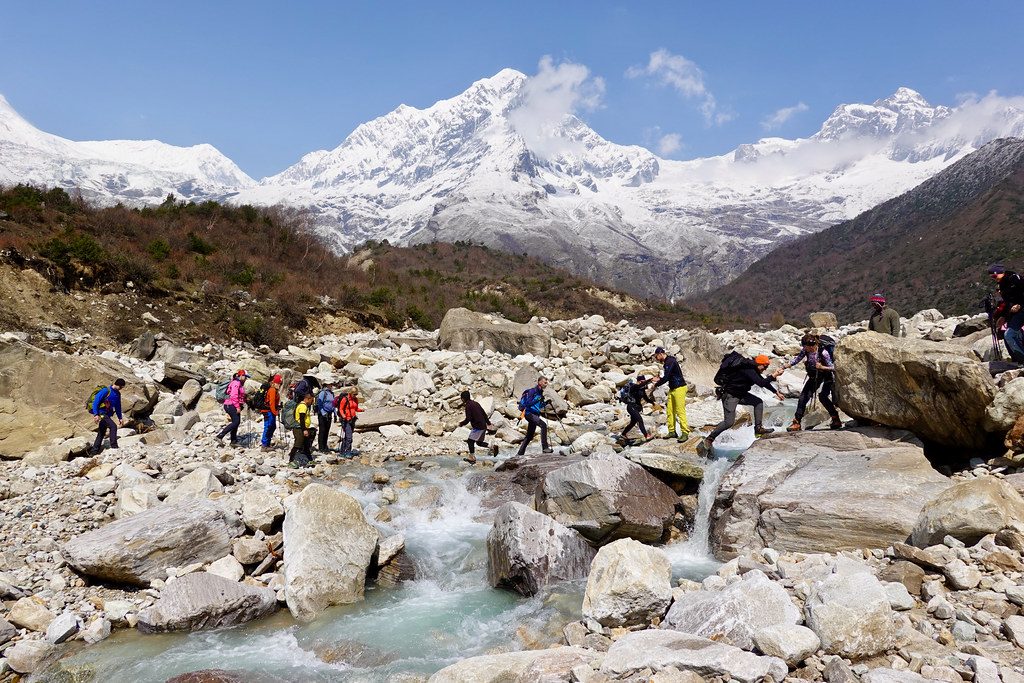
You drive about 140 km from Kathmandu to Machhakhola, the trekking trailhead. With the road extension this is now a single-day, 8-9 hour drive in a 4x4 jeep, eliminating the old Soti Khola starting point and saving you a day of walking past dusty truck tracks. From Machhakhola you follow the standard Manaslu Larkya La approach until you reach Ekle Bati, where a suspension bridge and signpost mark the divergence. Turn right toward Lokpa rather than crossing the bridge toward Manaslu, and you have entered Tsum.
Permits and costs
As of March 2026, regulations have relaxed: solo trekkers can now obtain Tsum Valley permits without the previous minimum-two requirement, though we still recommend a small group for safety and shared costs.
Permits needed:
- Tsum Valley Restricted Area Permit (RAP): USD 40 first week (Sept-Nov), USD 30 first week (Dec-Aug), USD 7 per extra day
- Manaslu Conservation Area Project (MCAP): USD 30 for foreigners, USD 10 SAARC
- Local government entrance fee: NPR 1,000 (introduced 2024)
All permits must be processed by a registered Nepali agency. You will need passport copy, visa, 4 passport photos, flight tickets, travel insurance and an itinerary. Allow your agency 7-10 days lead time.
13-day classic itinerary
Our Tsum Valley Classical Trek runs this schedule with one rest day adjustment.
- Day 1: Drive Kathmandu to Machhakhola (870 m) — 8-9 hrs
- Day 2: Trek to Jagat (1,340 m) — 6-7 hrs
- Day 3: Jagat to Lokpa (2,240 m)
- Day 4: Lokpa to Chumling (2,386 m) — 5-6 hrs
- Day 5: Chumling to Chhokangparo / Upper Tsum (3,010 m) — 3 hrs
- Day 6: Chhokangparo to Nile (3,361 m) via Rachen Gompa
- Day 7: Nile to Mu Gompa (3,700 m) — 3 hrs
- Day 8: Mu Gompa via Milarepa Piren Phu cave to Chhokangparo — 6-7 hrs
- Day 9: Chhokangparo to Gumba Lungdang (3,200 m) — 5-6 hrs
- Day 10: Gumba Lungdang to Ripchet (2,470 m) — 4-5 hrs
- Day 11: Ripchet to Philim (1,570 m) — 5-6 hrs
- Day 12: Philim to Machhakhola (869 m)
- Day 13: Drive Machhakhola to Kathmandu
For a deeper experience our whole-valley trek takes 18 days and visits the upper hidden corners. The helicopter Tsum Valley return gets you in and out in 10 days for guests short on time. And the combined Tsum + Manaslu Circuit is our most-booked extended route.
What you actually see
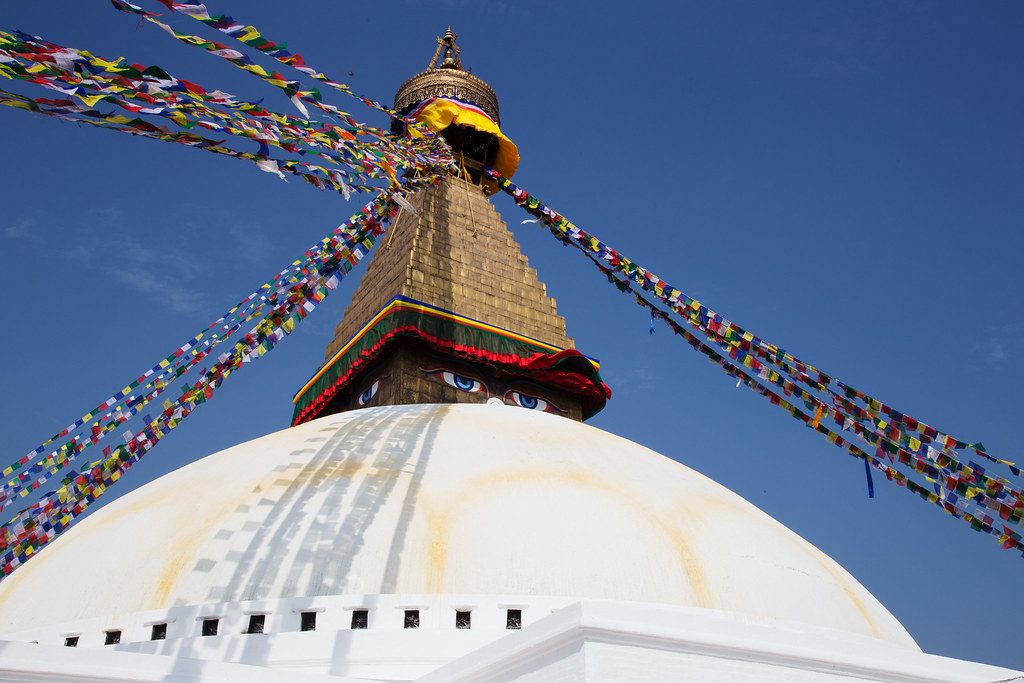
Mu Gompa — the valley's oldest and most important monastery, at 3,700 m. Stay overnight in the guesthouse next door and join morning puja.
Rachen Gompa — the major nunnery of the valley, home to roughly 100 nuns.
Milarepa's Piren Phu cave — sacred meditation site where Tibet's most famous yogi meditated. Wall murals and a small temple inside.
Gumba Lungdang Nunnery — the gateway to Ganesh Himal Base Camp for those who want to extend.
Chhokangparo — the cultural heart of upper Tsum, where you can spend a day meeting families and visiting smaller chortens.
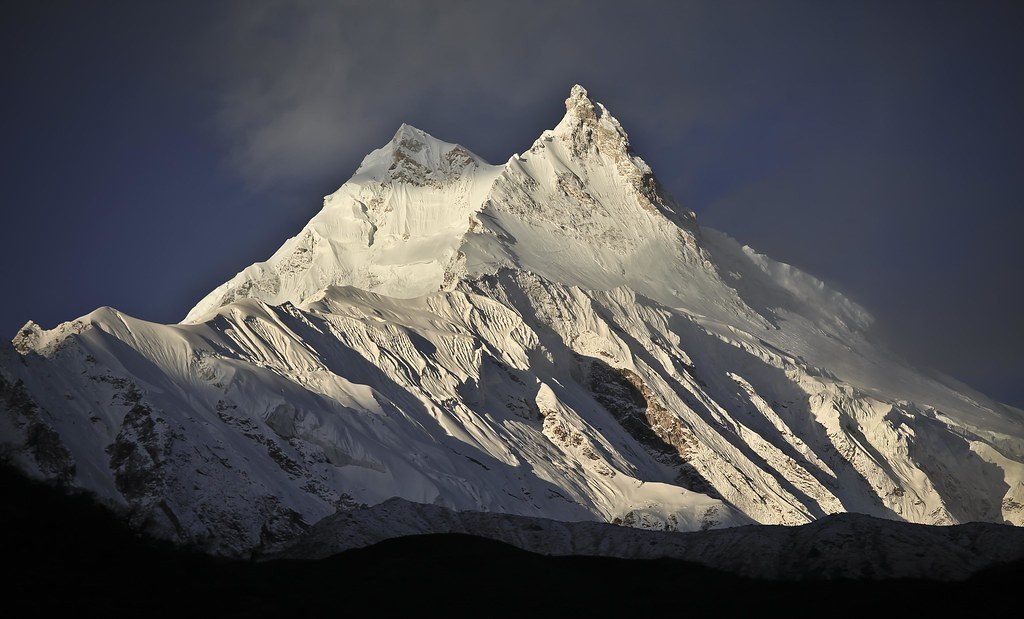
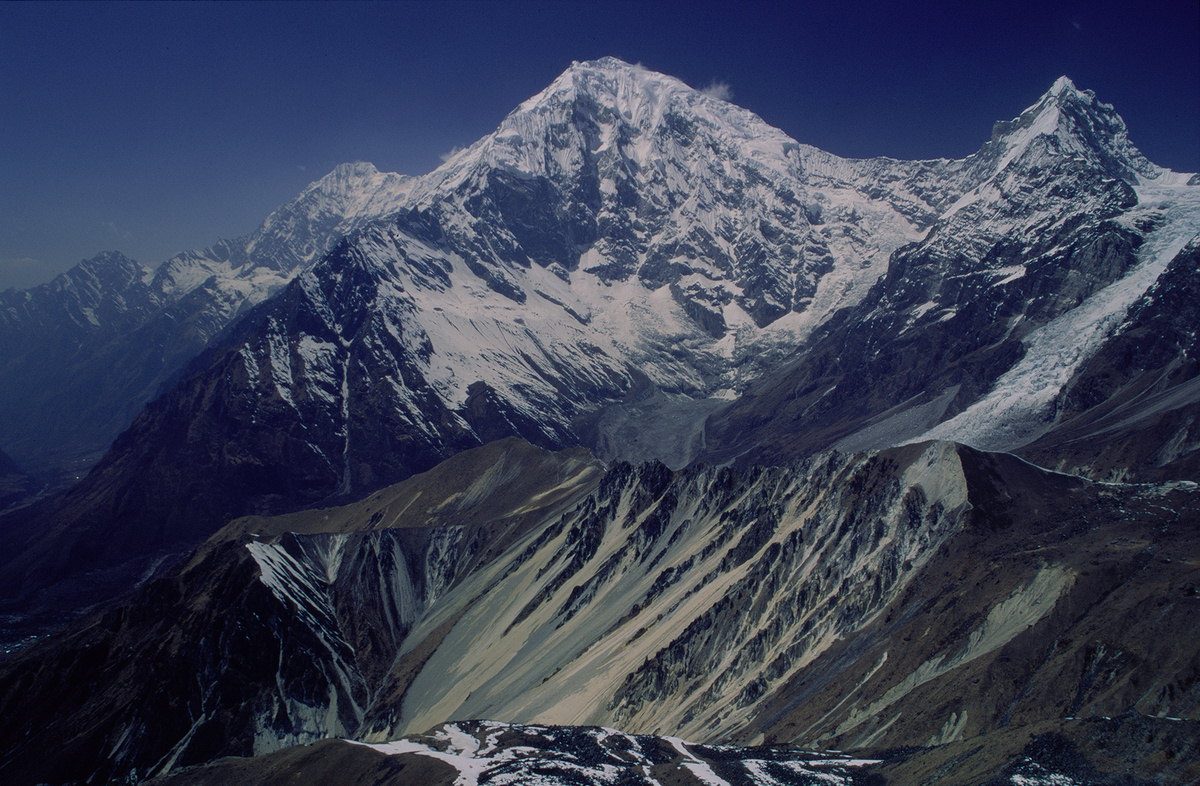
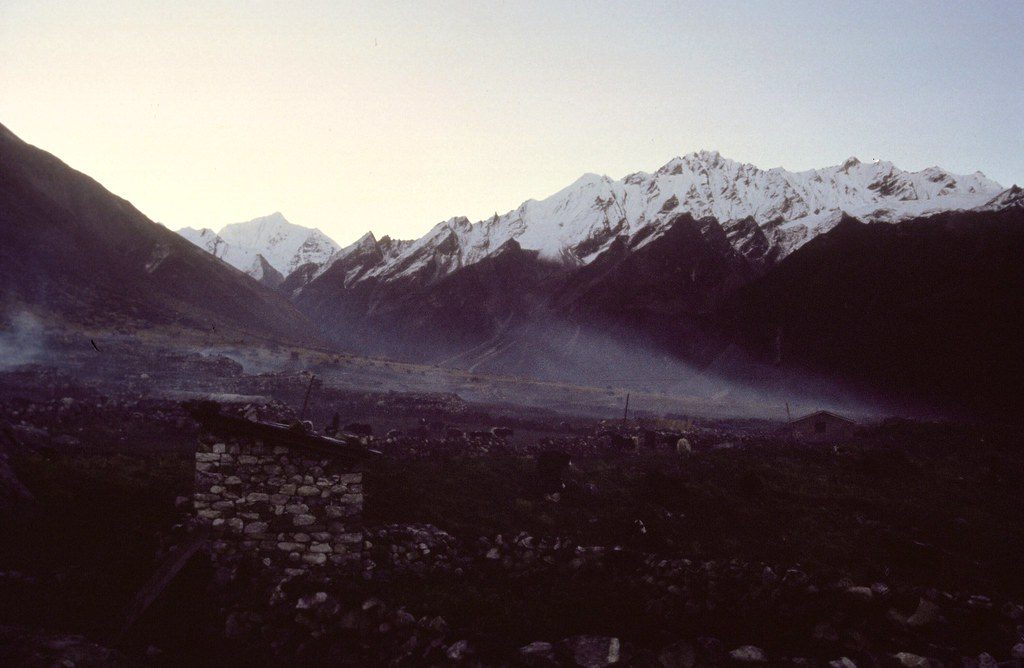
The mountains — Ganesh Himal, Sringi Himal, Buddha Himal, with Manaslu peeking through on clear mornings. Plus blue sheep and Himalayan vultures along the upper trails.
Guides, porters and the cultural premium
Guides are mandatory throughout Tsum. We staff this trek almost exclusively with native Tsumpa guides who speak the local dialect — this transforms the experience because monasteries open up, families invite you in for butter tea, and you understand what is being chanted at puja. The cultural depth you get with a local guide here is the single biggest difference between a good Tsum trek and a great one.
Porter arrangements are standard: one porter per two trekkers, 20 kg combined load. We pay above the TAAN minimum and equip our porters properly.
Best season
- Spring (March-May): the peak season — warming temperatures, rhododendrons lower down, festival opportunities at the monasteries
- Autumn (September-November): equally good, monsoon has ended, the clearest mountain views of the year
Avoid monsoon (June-August) for landslide and falling rock risk on the lower trail. Avoid mid-winter — teahouses in upper Tsum above Nile close due to snow and most trails up to Mu Gompa become impassable without serious gear.
Connectivity and infrastructure
Solar electricity reaches most of the valley now. NTC and Namaste SIMs give coverage in lower areas (Lokpa, Chumling, Philim). Several teahouses offer paid WiFi vouchers. Accommodation is simple Nepali-Tibetan teahouses with shared bathrooms; food is daal bhat, momos, fried rice, Tibetan bread, sometimes yak butter tea.
Difficulty
Moderate to challenging. Daily walking is 5-7 hours, with steep gains, occasional stone-step trails, and altitude up to 3,700 m. No technical sections. Anyone with prior multi-day trekking experience and decent fitness will manage Tsum comfortably. The altitude is significantly lower than EBC or Manaslu, which makes it a great choice for trekkers who want cultural depth without high-altitude risk.
Recommended additions
- Spend a night in a monastery guesthouse (Mu Gompa or Rachen) to experience monastic life
- Add Ganesh Himal Base Camp from Gumba Lungdang (3-4 extra days)
- Combine with Manaslu Circuit if you have the full 19 days
- Visit during one of the local festivals — your guide can advise based on the lunar calendar
Why Tsum Valley over a busier alternative
If you are weighing Tsum against EBC or Annapurna, here is our honest answer. Tsum gives you cultural immersion at a level neither of the famous routes can match. The trail is quiet, the monasteries are working religious institutions rather than monuments, and the Shyagya tradition shapes daily life in a way you can feel. The trade-off is you do not get the iconic mountain skylines of Khumbu or the Annapurna Sanctuary. We tell guests: do EBC for the mountain, do Tsum for the culture.
Plan your Tsum Valley trek with us
We are one of the few agencies in Kathmandu staffed by guides actually from Tsum Valley. We handle all permits, transport, monastery introductions and post-trek extensions. Browse our full Tsum and Manaslu collection or contact our team for a tailored 2026 itinerary.
More stories
Sep 12, 2026
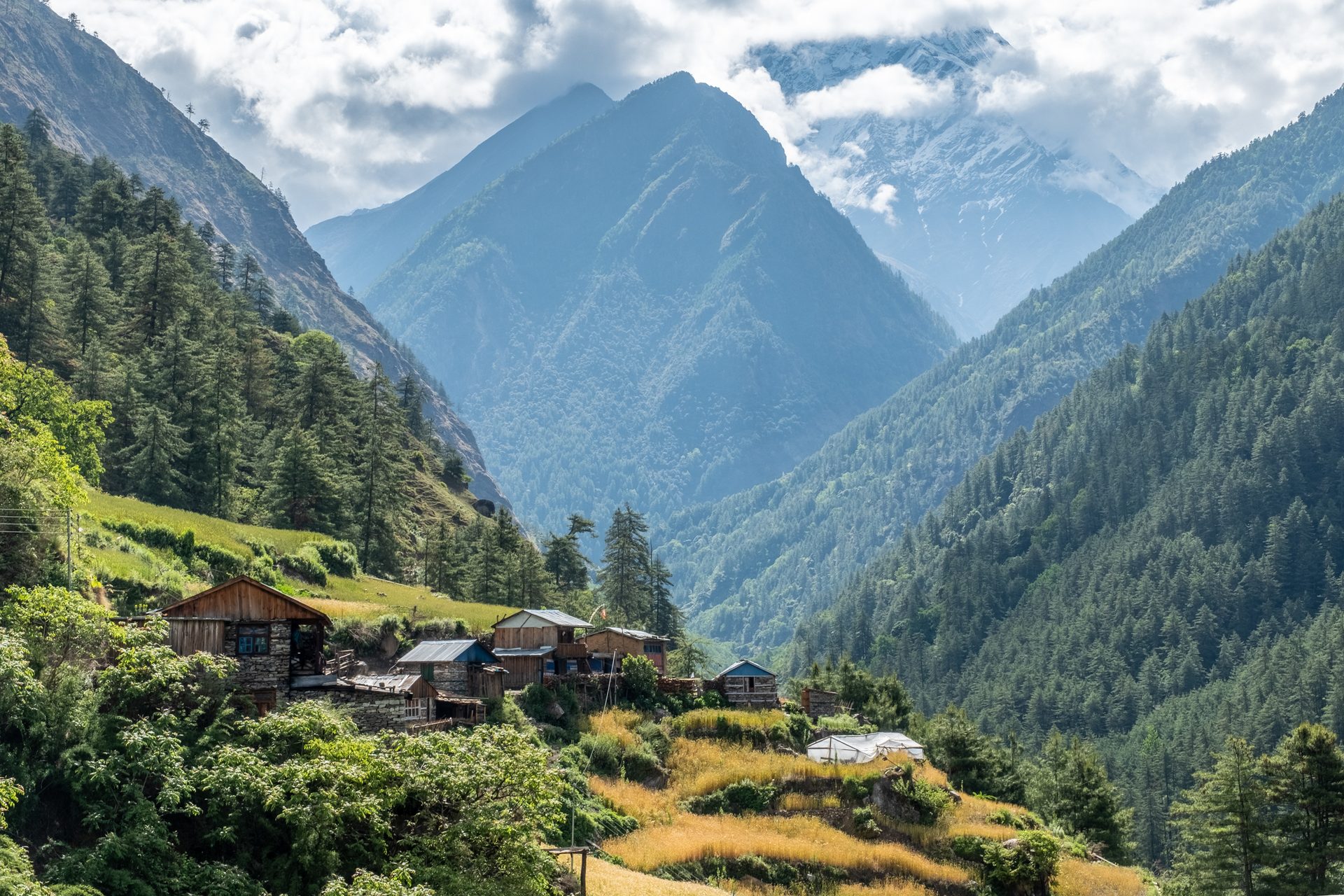
Five Weeks in the Tsum Valley: A Trekker's Story
May 21, 2026
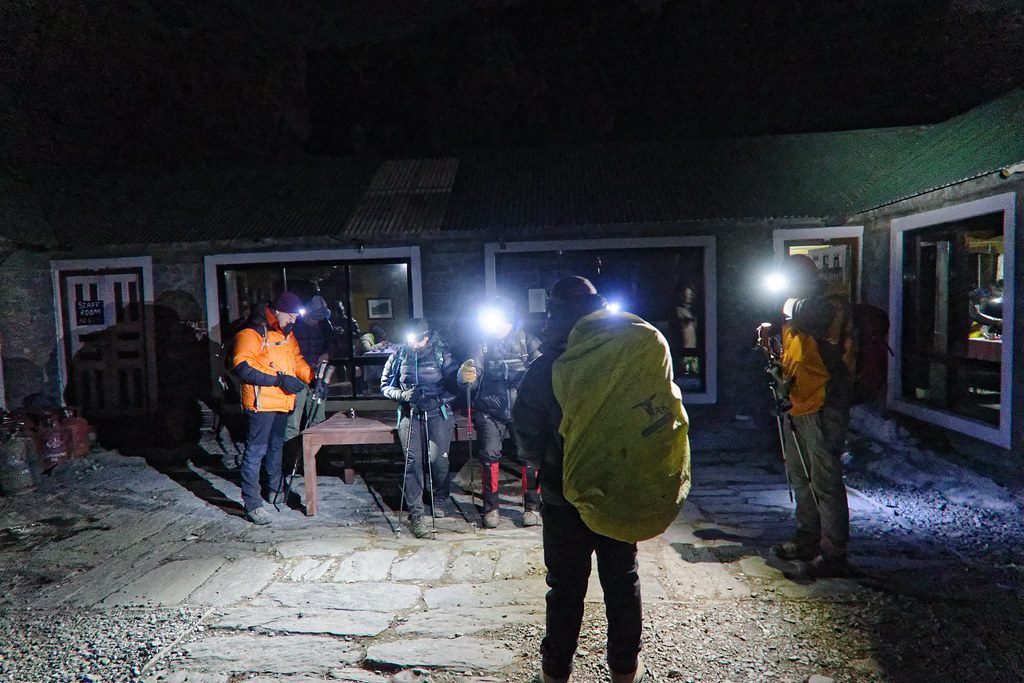
Why Trek in Nepal? Nine Honest Reasons from Local Guides
May 21, 2026
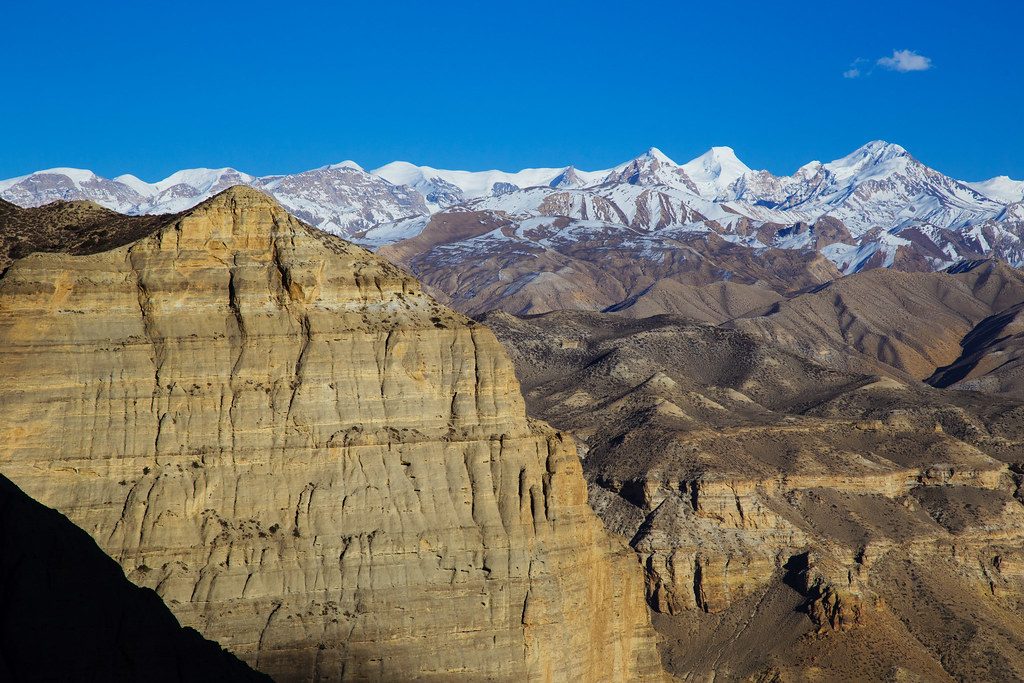
The Villages of Upper Mustang: A Field Guide to Lo Tsho Dyun
May 21, 2026
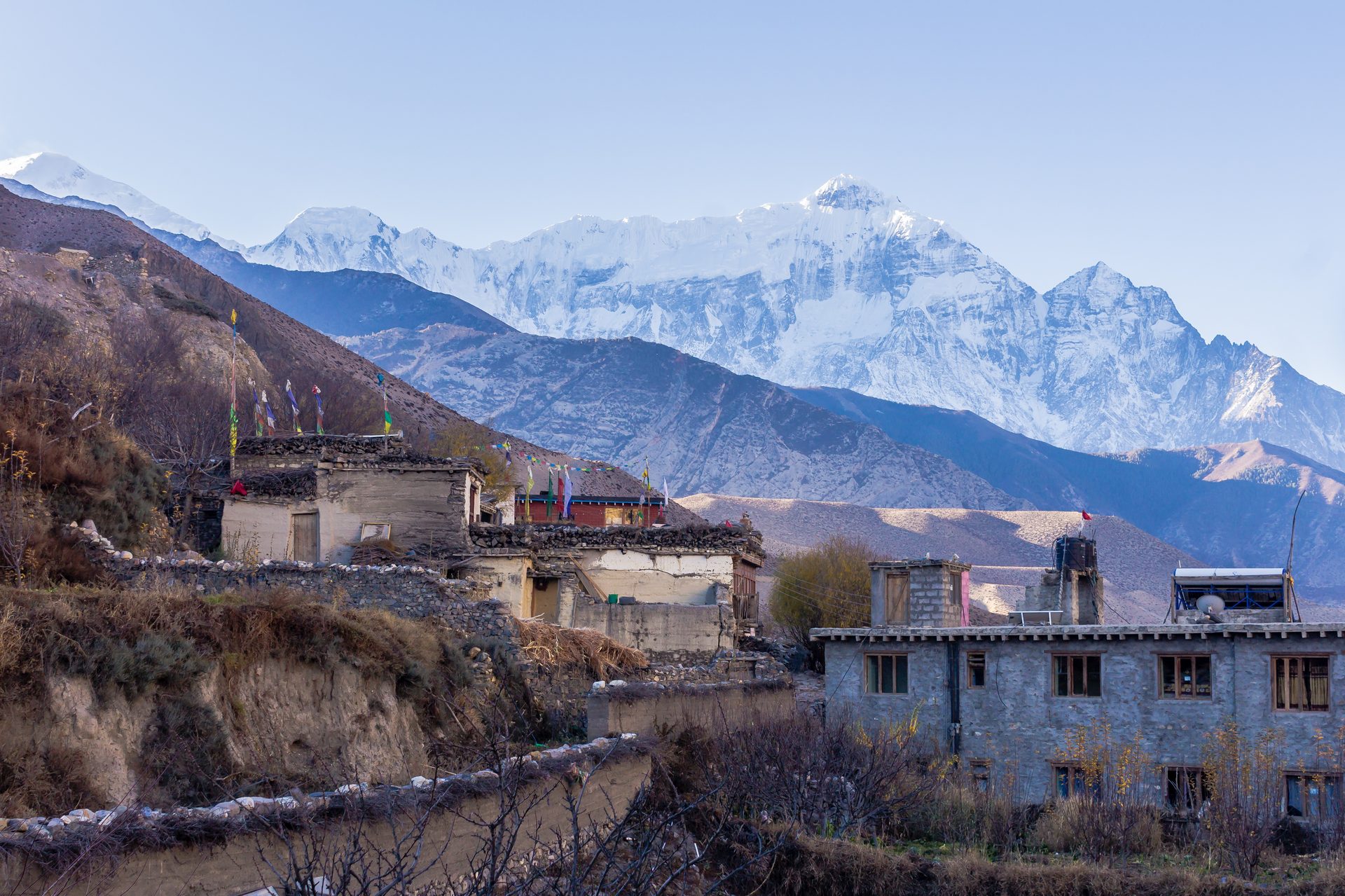
7 Best Upper Mustang Trekking Routes for 2026
May 21, 2026
Upper Mustang Jeep Tour: Lo Manthang Without the Trek
May 21, 2026
Festivals of Upper Mustang: 6 Cultural Events That Define the Year
May 21, 2026
Tsum Valley Trek: The Essential Guide for 2026
May 21, 2026
Tsum Valley: The History of the Shyagya Non-Violence Tradition
May 21, 2026
Nepal Trekking Gear Checklist: What to Pack for the Himalaya
May 21, 2026
Top 10 Hidden Hikes in Nepal's Enchanting Tsum Valley
May 21, 2026
Tilicho Lake via Mesokanto Pass: Short, Wild Mustang Trek
May 21, 2026
Tiji Festival in Upper Mustang: Dates, Rituals and 2026-27 Guide
May 21, 2026
6 Least-Trekked Places in Nepal Worth Going to in 2026
May 21, 2026
Rolwaling & Lapche Valley Trek: Gaurishankar's Hidden Routes
May 21, 2026
8 Reasons to Visit Upper Mustang in 2026
May 21, 2026
Panch Pokhari Trek: Sacred Lakes North of Kathmandu
May 21, 2026
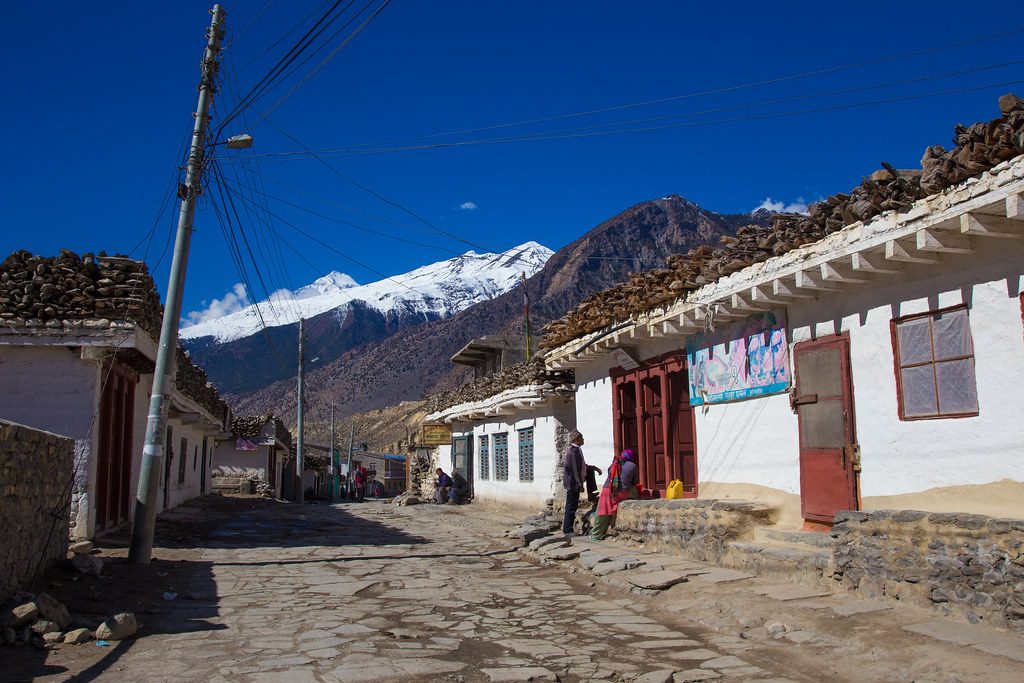
North Annapurna Base Camp Trek: Nepal's Quiet Alternative
May 21, 2026
Nepal Visa Guide 2026: Everything Trekkers Need to Know
May 21, 2026
Nepal Visa: The Complete 2026 Guide for Trekkers
May 21, 2026
Nepal Trekking Permits and Costs 2026: The Complete Guide
May 21, 2026
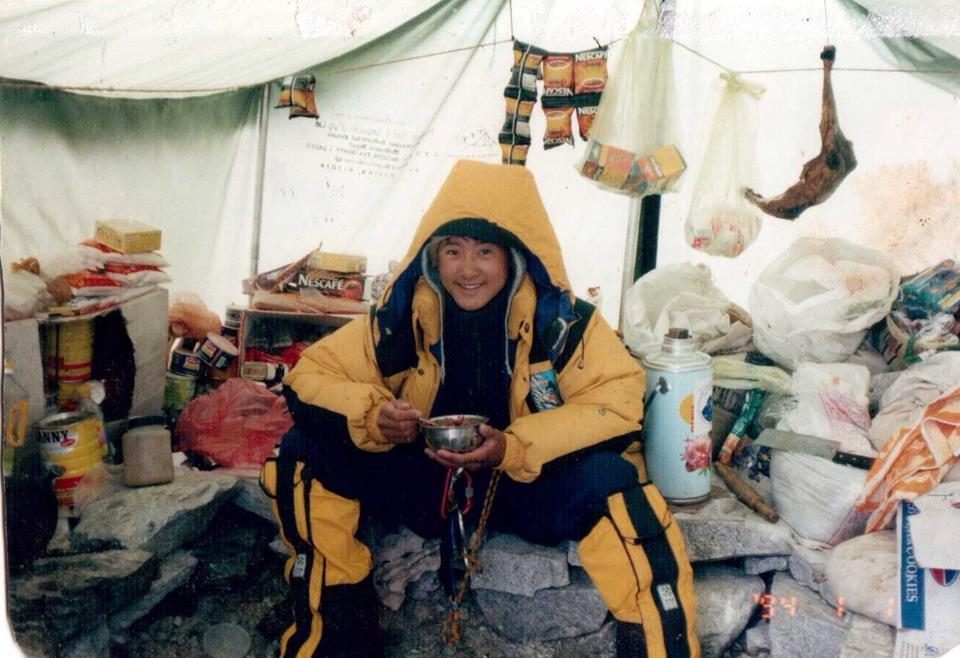
Nepal Trekking Equipment Checklist: What to Actually Pack (2026)
May 21, 2026
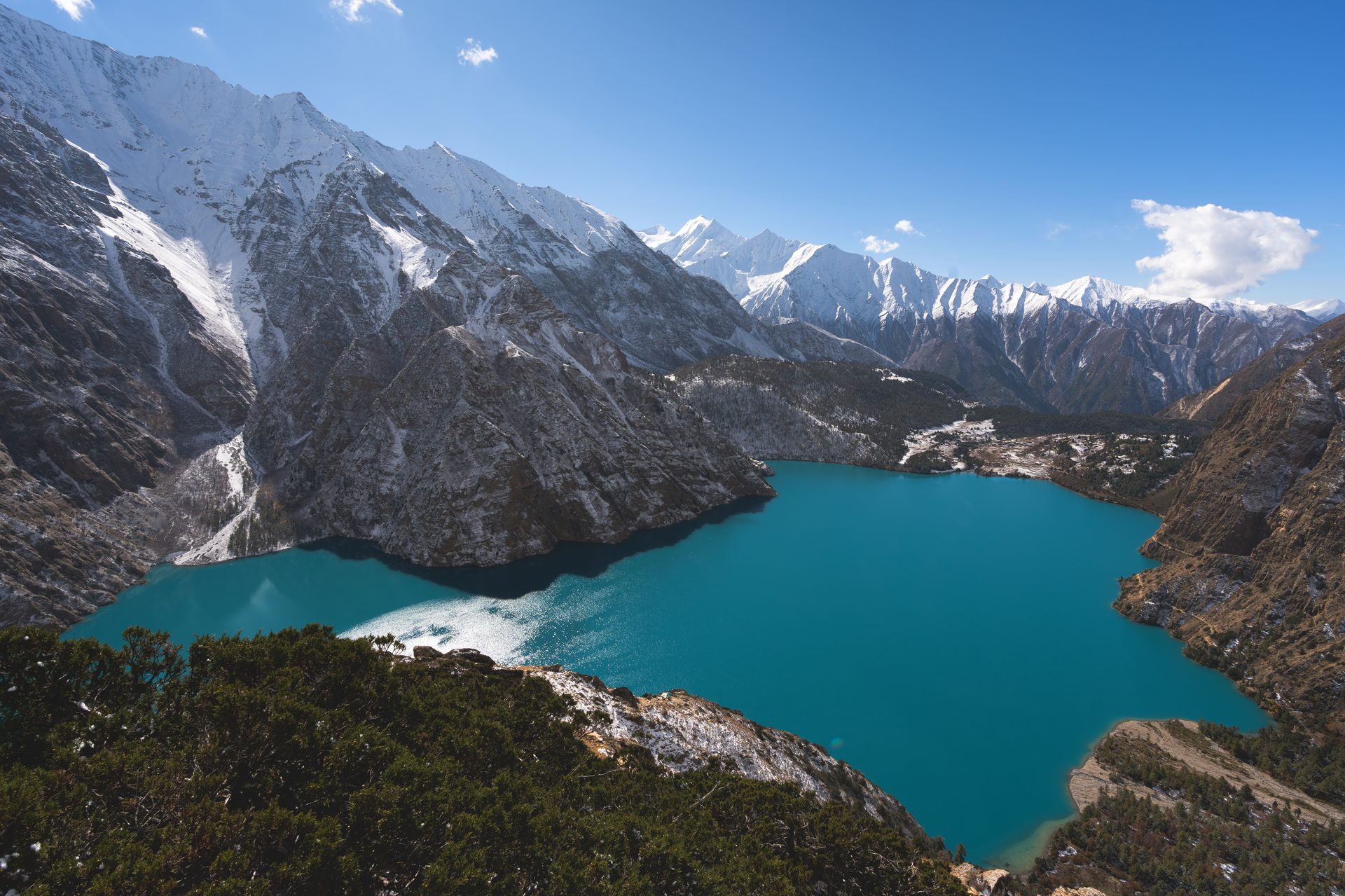
Monasteries of Dolpo: Sacred Gompas of Hidden Nepal
May 21, 2026
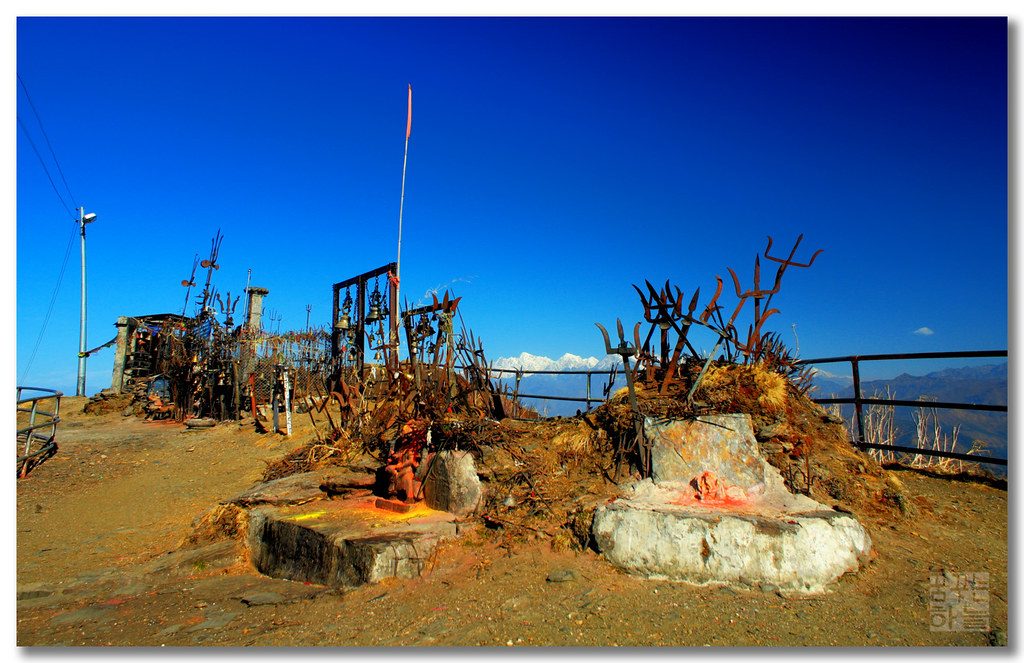
Manungkot Viewpoint: Nepal's Sunrise Above the Clouds
May 21, 2026
Manaslu Circuit Trek: Complete 2026 Guide
May 21, 2026
Manaslu Circuit Trek 2026: A Complete Guide from Kathmandu
May 21, 2026
Kirtipur Day Trip: Kathmandu's Living Newari Hill Town
May 21, 2026
Kanchenjunga Trek Guide 2026: Routes, Permits and Itinerary
May 21, 2026
Kalinchowk: Nepal's Easiest Winter Snow Escape from Kathmandu
May 21, 2026
High Pass Treks in Nepal: 16 Crossings Above 5,000 m
May 21, 2026
Everest Base Camp Trek: The Complete 2026 Guide
May 21, 2026
Everest Base Camp Trek: A Complete 2026 Guide from Kathmandu
May 21, 2026
Dolpo Trekking Guide 2026: Routes, Permits and Practical Tips
May 21, 2026
12 Best Treks in Nepal for 2026: A Local Guide's Honest Ranking
May 21, 2026
The 6 Best Summer (Monsoon) Treks in Nepal
May 21, 2026
17 Best Himalayan Viewpoints in Nepal (Ranked by Local Guides)
May 21, 2026
Best Day Hikes in and Around Kathmandu Valley
May 21, 2026
10 Best Day Hikes Around the Kathmandu Valley
May 21, 2026
Ama Yangri Peak: A 3-Day Hike From Kathmandu with Big Mountain Views
May 21, 2026